


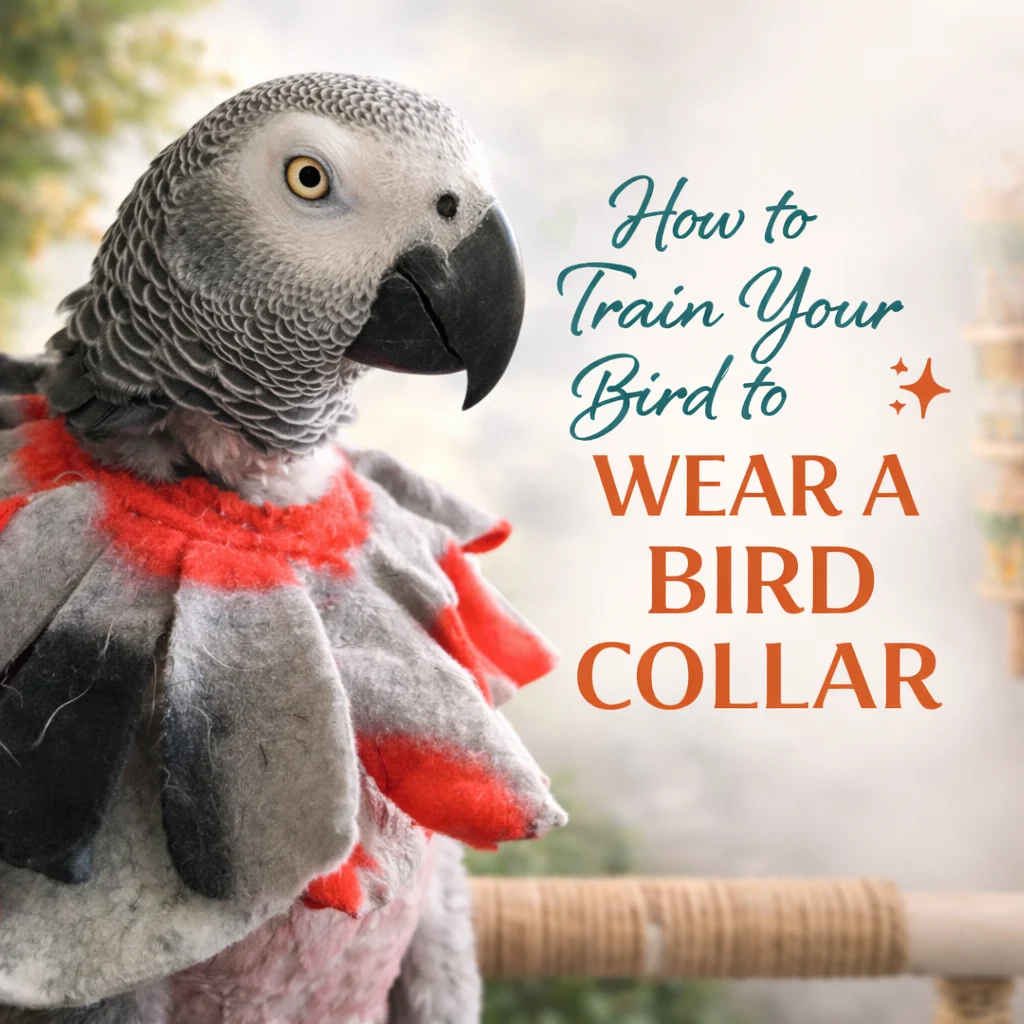
Yes, birds can wear collars safely, but only when they are introduced thoughtfully, applied for appropriate reasons, and managed under professional veterinary guidance. The increasing prevalence of feather destructive behaviors (FDB) in companion birds has led many owners and avian professionals to explore various intervention strategies, with protective collars emerging as a critical, albeit temporary, management tool. This often becomes a consideration when traditional methods of behavioral modification, environmental enrichment, or dietary adjustments fail to halt escalating self-inflicted damage, putting the bird’s skin and overall health at significant risk.
Understanding Feather Destructive Behavior in Avian Companions
Feather destructive behavior encompasses a range of actions, from mild feather picking to severe feather plucking, barbering, and even self-mutilation that damages the skin. This complex issue is rarely singular in its cause, often stemming from a confluence of medical, environmental, and psychological factors. Medical causes can include nutritional deficiencies (e.g., Vitamin A, calcium), internal parasites, bacterial or fungal infections, allergies, pain from underlying conditions (e.g., arthritis, organ disease), heavy metal toxicity, or systemic illnesses like Psittacine Beak and Feather Disease (PBFD) or Avian Bornavirus (ABV). Environmental stressors are equally significant, encompassing inadequate cage size, lack of mental stimulation and enrichment, poor lighting, low humidity, exposure to irritants (e.g., smoke, cleaning chemicals), or social isolation. Psychologically, birds may pluck due to anxiety, boredom, frustration, hormonal imbalances, or even as a learned behavior seeking attention.
Owners typically arrive at the consideration of a collar after exhausting numerous other avenues: adjusting diets, enhancing enrichment, modifying routines, administering supplements, using topical sprays, or simply waiting to see if the behavior subsides. When these interventions prove insufficient in slowing or stopping the damage, and the bird continues to harm itself, the urgency for a more direct protective measure becomes paramount. The primary concern is not the collar itself, but the potential for escalating feather or skin damage that an owner cannot safely manage through less invasive means.
When Intervention Becomes Imperative: The Role of Collars
A collar becomes most helpful when physical protection is critically needed—not as a punitive measure or a shortcut, but as a crucial means to interrupt the cycle of damage while the underlying causes are systematically addressed. This strategy is frequently employed during active feather destruction that leads to bare patches or skin lesions, post-surgical recovery to prevent interference with stitches, wound healing from self-inflicted trauma, or during periods of heightened anxiety where continuous access to skin or feathers poses a severe risk. In these scenarios, a collar acts as a physical barrier, preventing the bird from reaching the affected areas, thereby allowing feathers to regrow, wounds to heal, and the owner and veterinary team to gain valuable time to implement a comprehensive treatment plan.
When introduced correctly and as part of a broader strategy, bird collars can significantly reduce physical injury, slow the reinforcement of self-destructive habits, and provide owners with essential breathing room to focus on critical aspects of care. These aspects include in-depth veterinary diagnostics, dietary adjustments to ensure optimal nutrition, environmental modifications to enhance enrichment and reduce stress, and the implementation of targeted behavioral support. The interruption of the plucking cycle, even temporarily, can be vital in breaking a deeply ingrained habit, which, if left unchecked, can be incredibly difficult to reverse.
Situations Where Collars May Be Unnecessary or Counterproductive
It is crucial to recognize that not every bird suffering from feather loss or mild plucking benefits from a collar. Adding an intervention without clear necessity can, in some cases, increase stress for the bird, potentially exacerbating the problem. If feather plucking is mild, seasonal, or demonstrably improving with consistent enrichment, routine changes, and the skin remains undamaged, a collar may be an unnecessary step. In such instances, the most helpful approach often lies in refining and consistently applying existing successful strategies rather than layering on a new, potentially stressful device.
Signs that current management is on track might include a reduction in plucking intensity, evidence of new feather growth, increased engagement with toys and enrichment, or a general improvement in the bird’s overall demeanor. For these birds, the focus should remain on maintaining a stable, stimulating environment and a balanced diet. Avian experts frequently caution against the "more is better" mentality, emphasizing that thoughtful, targeted interventions are always preferable to an overwhelming array of uncoordinated efforts. Each bird is an individual, and a tailored approach based on its specific needs and the root cause of its behavior is paramount.
Common Pitfalls in Collar Application and Management
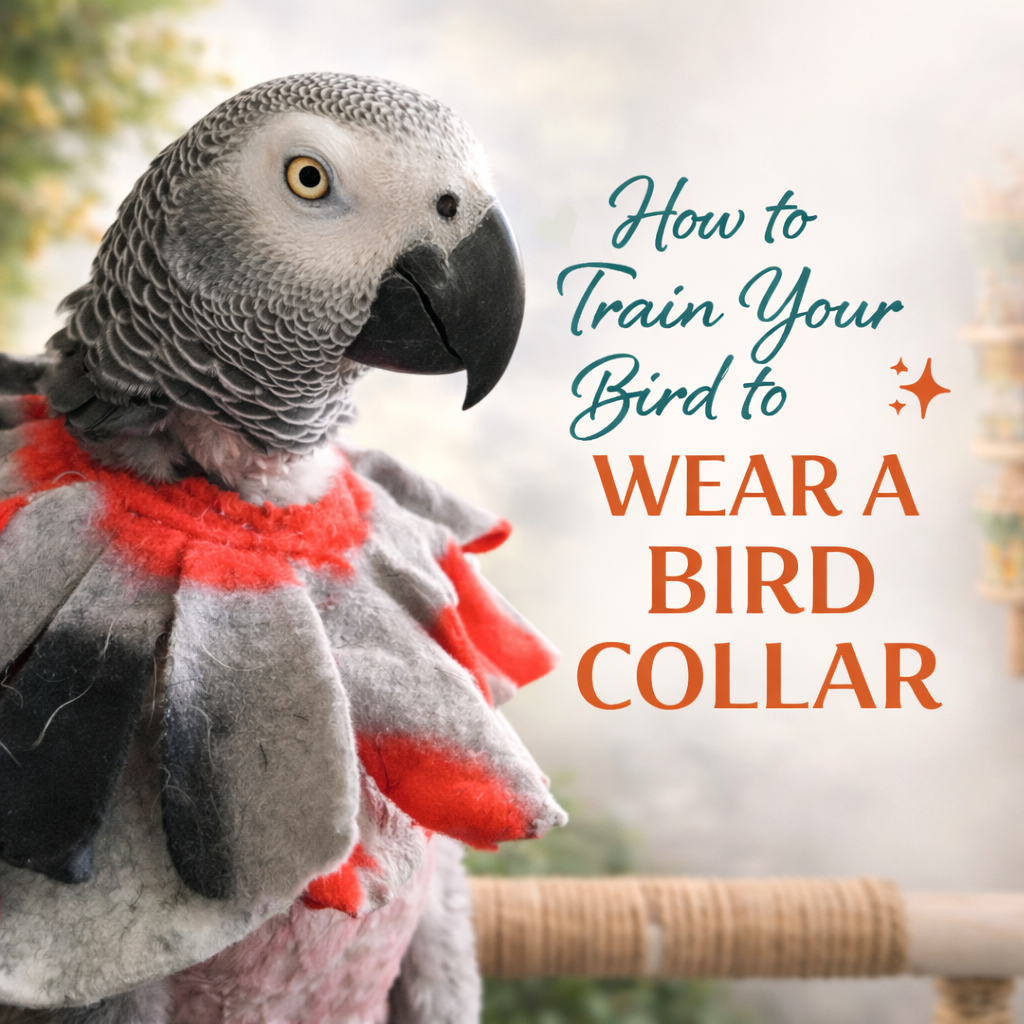
Even well-intentioned owners can make mistakes when navigating the challenges of feather destructive behavior and collar use. One common error is attempting to fix everything at once. Rapid, drastic changes can overwhelm birds, highly sensitive creatures of habit. Collars are most effective when paired with slow, predictable adjustments to the bird’s environment, diet, or routine, rather than an abrupt overhaul. Overloading a bird with too many new stimuli or changes simultaneously can heighten anxiety and counteract the collar’s intended benefit.
Another frequent pitfall is following advice without adequate context. Online forums and social media groups can offer valuable peer support, but information shared often lacks the critical context of a bird’s specific species, age, medical history, and individual temperament. What proved successful for one bird might be unnecessary or even counterproductive for another. A thorough "time check"—analyzing the onset, frequency, and specific triggers of the plucking behavior—is often more valuable than simply adopting someone else’s solution. Professional avian veterinary guidance is indispensable for assessing individual circumstances and developing a truly effective, customized plan.
A Phased Approach: Safely Training a Bird to Wear a Collar
The process of training a bird to accept a collar is more critical than the collar itself. The objective is not to rush acceptance but to help the bird remain calm and regulated while learning to adapt to a new sensation and restriction. This requires immense patience, positive reinforcement, and a gradual approach, typically spanning several days to weeks.
Step 1: Introduction Without Pressure (1-3 Days)
Initially, allow the bird to simply observe the collar from a safe distance within its environment. Place it near the cage or in a visible spot where the bird can see it without feeling threatened. This initial exposure teaches the bird that the collar is a neutral object, not an immediate danger.
Step 2: Normalizing the Collar (1-2 Days)
Integrate the collar into daily routines. For example, an owner might lay the collar on their shoulder while interacting with the bird or performing regular cage maintenance. This builds familiarity without forcing direct interaction, associating the collar with routine, non-threatening activities.
Step 3: Inviting Exploration
Allow the bird to investigate the collar on its own terms. Place it within reach in a supervised setting and let the bird peck at it, touch it, or examine it out of curiosity. Curiosity, driven by positive association (e.g., placing treats near the collar), is far more effective than coercion.
Step 4: Building Tolerance to Touch
During positive reinforcement training sessions (e.g., target training), gently work on handling the bird’s wings, shoulders, and torso. This desensitizes the bird to touch in the areas where the collar will rest, making the eventual fitting less jarring. Always end sessions on a positive note, even with small progress.
Step 5: Preparing the Environment
Before the first fitting, make essential adjustments to the bird’s cage. Temporarily lower perches, especially near food and water, to ensure easy access while the bird adjusts to restricted movement. Remove any potential hazards that the collar might snag on.
Step 6: First Supervised Fitting (1-3 Hours)
When both the owner and the bird appear ready, apply the collar for a short, supervised period, typically 1 to 3 hours. Close supervision is crucial to monitor for signs of distress, difficulty eating/drinking, or snagging. Awkward movement and initial investigation of the collar are normal; panic is not.
Step 7: Gradual Increase in Wear Time
Increase wear time incrementally, usually in 30-60 minute intervals, over several days. This helps the bird build the physical strength and coordination needed to comfortably carry the collar and navigate its environment. Patience during this phase is key to preventing undue stress.
Step 8: Restoring the Environment
As the bird’s tolerance improves and it demonstrates increased comfort, slowly return perches and bowls to their usual positions. Some birds, especially those that are naturally nervous, may require ongoing assistance in relearning how to perch, climb, eat, and drink with the collar on.

Statements from Avian Professionals and Advocacy Groups
Avian veterinarians consistently emphasize that "a collar is a critical intervention tool, but its success hinges on identifying and treating the root cause of the behavior. It buys us time to heal, not to ignore," according to Dr. Elara Vance, a specialist in avian medicine with over two decades of experience. She underscores the importance of a thorough diagnostic work-up before any collar application.
Avian behaviorist Dr. Kaelen Thorne advises that "the introduction of a collar must be coupled with intensive behavioral enrichment and positive reinforcement to mitigate stress and foster acceptance. Without a concurrent behavioral plan, the collar is merely a band-aid." He advocates for structured training sessions and a rich, stimulating environment to keep the bird mentally engaged.
Companies specializing in avian care products are continually innovating collar designs, focusing on lightweight, breathable, and less restrictive options to improve avian comfort and reduce potential stressors. Material advancements have led to softer, more flexible collars that are less likely to irritate the skin while still providing an effective barrier.
Bird welfare organizations, such as the Avian Welfare Coalition, advocate for responsible pet ownership, stressing that collars should only be used under strict veterinary guidance as part of a comprehensive care plan, not as a standalone solution or punishment. Their guidelines emphasize education for owners on proper fitting, monitoring, and addressing underlying issues.
Broader Impact and Implications
The responsible application of bird collars represents a significant advancement in the management of severe feather destructive behaviors, offering a lifeline for birds that might otherwise suffer chronic injury or be euthanized due to uncontrollable self-mutilation. This tool empowers owners to protect their birds while simultaneously embarking on complex diagnostic and therapeutic journeys.
However, the use of collars also highlights several broader implications for avian care. It underscores the critical need for continued owner education regarding the multifaceted nature of FDB, preventing the simplistic view that a collar is a "fix." It also emphasizes the importance of a robust, interdisciplinary approach involving avian veterinarians, behaviorists, and dedicated owners.
From a welfare perspective, the ethical considerations surrounding collars are continually debated. While they can prevent immediate physical harm, the potential for psychological stress necessitates careful monitoring and a commitment to resolving the underlying issues that drive the destructive behavior. Future research aims to develop even less intrusive physical barriers, refine behavioral modification techniques, and improve diagnostic capabilities for FDB, ultimately striving for solutions that eliminate the need for such interventions.
In conclusion, knowing what to do and executing it calmly and effectively are two distinct challenges. It is normal for owners to feel nervous, to second-guess decisions, or to worry about inadvertently worsening their bird’s condition. Most birds require an adjustment period to a collar, and most owners also need time to adapt to this new aspect of care. When utilized thoughtfully, under expert guidance, and as part of a holistic treatment plan aimed at addressing the root causes of feather destructive behavior, collars serve as a supportive bridge—a temporary, protective measure that allows birds to heal and owners to work towards a healthier, happier future for their avian companions.

