


Respiratory disease stands as the most prevalent and significant health challenge facing domestic rats, requiring owners to maintain a high level of vigilance to ensure the longevity and well-being of these small companions. At the center of this medical concern is Mycoplasma pulmonis, a bacterium present in the respiratory tracts of virtually all pet rats from birth. While many animals live their entire lives as asymptomatic carriers, the bacterium is highly contagious and serves as the primary pathogen responsible for murine mycoplasmosis. This condition often acts as a precursor to a cascade of secondary complications, including pneumonia, chronic respiratory distress, and, in advanced cases, congestive heart failure. Because there is no known cure for the underlying bacterial presence, modern veterinary protocols focus heavily on environmental management, stress reduction, and the prompt identification of clinical symptoms.
The Clinical Manifestations of Respiratory Distress
The progression of respiratory illness in rats often follows a predictable, albeit subtle, trajectory. One of the most common early indicators is the production of porphyrin, a reddish-brown secretion produced by the Harderian gland. While novice owners frequently mistake this substance for blood, it is a pigment that, when present in excess around the nostrils and eyes, often signals an immune response to irritation or infection.
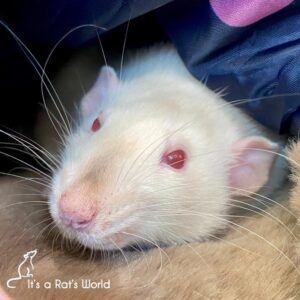
The timeline of symptom progression usually begins with mild upper respiratory signs. Frequent sneezing, audible sniffing, or "snuffling" may occur initially. If the condition is triggered by environmental allergens or mild stress, these symptoms may fluctuate. However, if the underlying mycoplasma flares into a more severe infection, the clinical presentation shifts significantly. Owners may observe squinting, lethargy, and in instances where the infection impacts the inner ear, neurological signs such as a persistent head tilt, rolling, or constant head-rubbing.
As the condition advances to the lower respiratory tract, the symptoms become more acute and audible. Clinical markers of severe distress include wheezing, clicking, or rattling sounds originating from the chest cavity. These audible indicators, combined with visible signs such as labored breathing, open-mouth gasping, or a hunched, unkempt posture, signify a medical emergency that requires immediate veterinary intervention. Veterinary professionals emphasize that because rats are prey animals, they are evolutionarily hardwired to mask signs of weakness, meaning that by the time a symptom is outwardly visible, the disease process is often well-established.
The Role of Selective Sourcing and Early Intervention
The mitigation of respiratory disease begins long before a rat enters a home. Veterinary data indicates that rats sourced from large-scale commercial breeding operations—such as pet stores or "feeder" breeders—are statistically more likely to suffer from chronic health issues. These environments are frequently characterized by high population density, poor air quality, and chronic stress, all of which compromise the animal’s immune system.

Ethical breeding practices and adoption through specialized rescues remain the primary recommendations for prospective owners. Reputable organizations often implement a mandatory quarantine period and provide initial health screenings, which significantly reduce the risk of introducing contagious pathogens to existing colonies.
The importance of the quarantine period cannot be overstated. When integrating new rats, a minimum two-week isolation period in a separate airspace is essential. Because respiratory viruses and mycoplasma are airborne, simple room separation is often insufficient; true isolation requires a separate ventilation system or a completely different building. During this window, caretakers must observe the new arrivals for sneezing, porphyrin production, or signs of ectoparasites like mites and lice, which are known to exacerbate respiratory stress.
Environmental Engineering and Risk Assessment
Environmental factors play a critical role in the management of chronic respiratory issues. Domestic rats are highly sensitive to particulate matter and volatile organic compounds (VOCs). The use of soft wood shavings, such as cedar or pine, is widely discouraged by veterinary experts due to the presence of phenols. These compounds are known to cause significant hepatic stress and can irritate the delicate lining of the respiratory tract, effectively acting as a catalyst for mycoplasma flares.
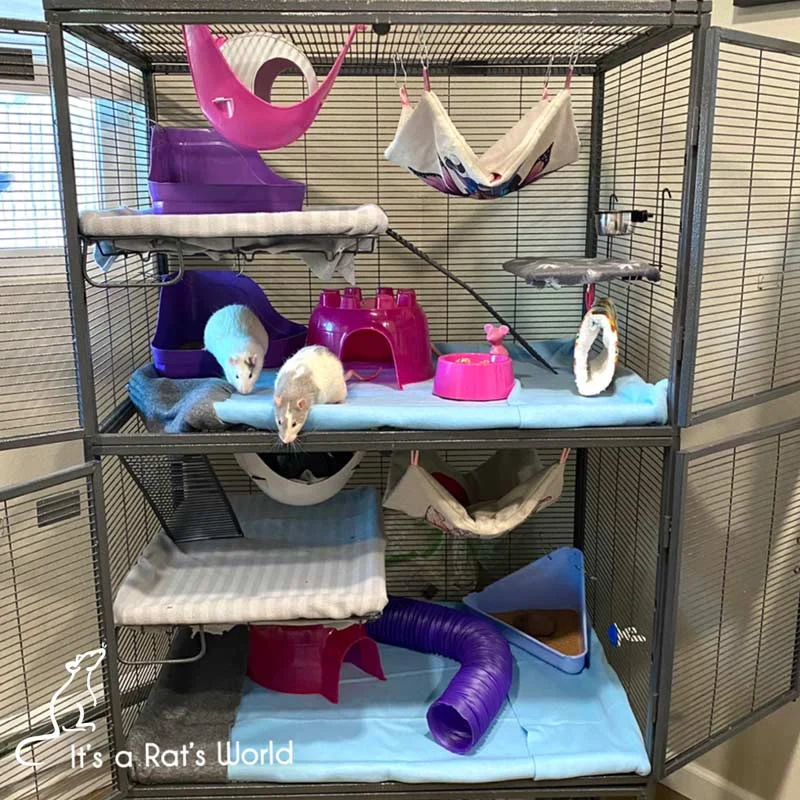
Cage sanitation protocols must also be evaluated with clinical precision. Ammonia buildup, resulting from the decomposition of urine, is a potent respiratory irritant that can trigger severe distress. A consistent cleaning schedule that addresses not only the cage floor but also absorbent accessories like hammocks and cloth bedding is vital. Furthermore, the broader home environment must be scrutinized. Common household pollutants, including aerosolized cleaning products, heavy fragrances, tobacco smoke, and fireplace emissions, are known triggers for respiratory distress. In cases where a rat exhibits intermittent sneezing without other signs of systemic illness, experts suggest a methodical audit of the living environment to identify and eliminate potential airborne irritants.
The Physiological Impact of Stress
The connection between psychological stress and physical health in rats is well-documented in laboratory settings. Chronic stress elevates cortisol levels, which in turn suppresses the immune response, leaving the rat vulnerable to opportunistic infections. Stress in the domestic environment can stem from several sources, including, but not limited to:
- Social Dynamics: Instability within a group, territory disputes, or the introduction of a new, incompatible cagemate.
- Environmental Transitions: Relocation, loud noises, or the presence of predators in the household (such as cats or dogs).
- Inadequate Enrichment: A lack of appropriate hiding spaces, exercise, or stimulation can lead to lethargy and anxiety.
Veterinary behaviorists suggest that owners provide multiple, varied hiding spots to allow rats the ability to retreat when feeling overwhelmed. Maintaining consistent social groups and monitoring interaction patterns are essential components of a preventative health strategy.
Implications for Long-Term Care and Veterinary Outcomes
The prognosis for a rat with respiratory disease is highly variable. Some animals may experience a single, manageable episode that resolves with a standard course of antibiotics. Others may suffer from chronic, recurrent flare-ups, necessitating life-long medication regimens. The unpredictability of these infections necessitates a strong relationship with an exotic-animal veterinarian.
Medical treatment usually involves broad-spectrum antibiotics, such as those that target the mycoplasma bacterium, combined with anti-inflammatory agents if necessary. In cases involving suspected parasitic involvement, treatments like selamectin are often administered under strict veterinary guidance.
The broader implication for the rat-owning community is that respiratory health is not merely a reactive task—it is a lifestyle commitment. By prioritizing high-quality, ethically sourced animals, maintaining a pristine and allergen-free habitat, and fostering a low-stress environment, owners can significantly improve the quality of life for their pets. Despite these efforts, the reality remains that mycoplasma is a pervasive element of rat biology. Consequently, the role of the owner is to serve as a diligent monitor, capable of distinguishing between a minor environmental reaction and a serious clinical infection. Prompt action, based on clinical observation and professional medical advice, remains the most effective tool in the management of this persistent health issue. Through education and proactive management, owners can navigate the complexities of these respiratory challenges, ensuring their pets lead healthy, comfortable lives despite the inherent vulnerabilities of their species.

