


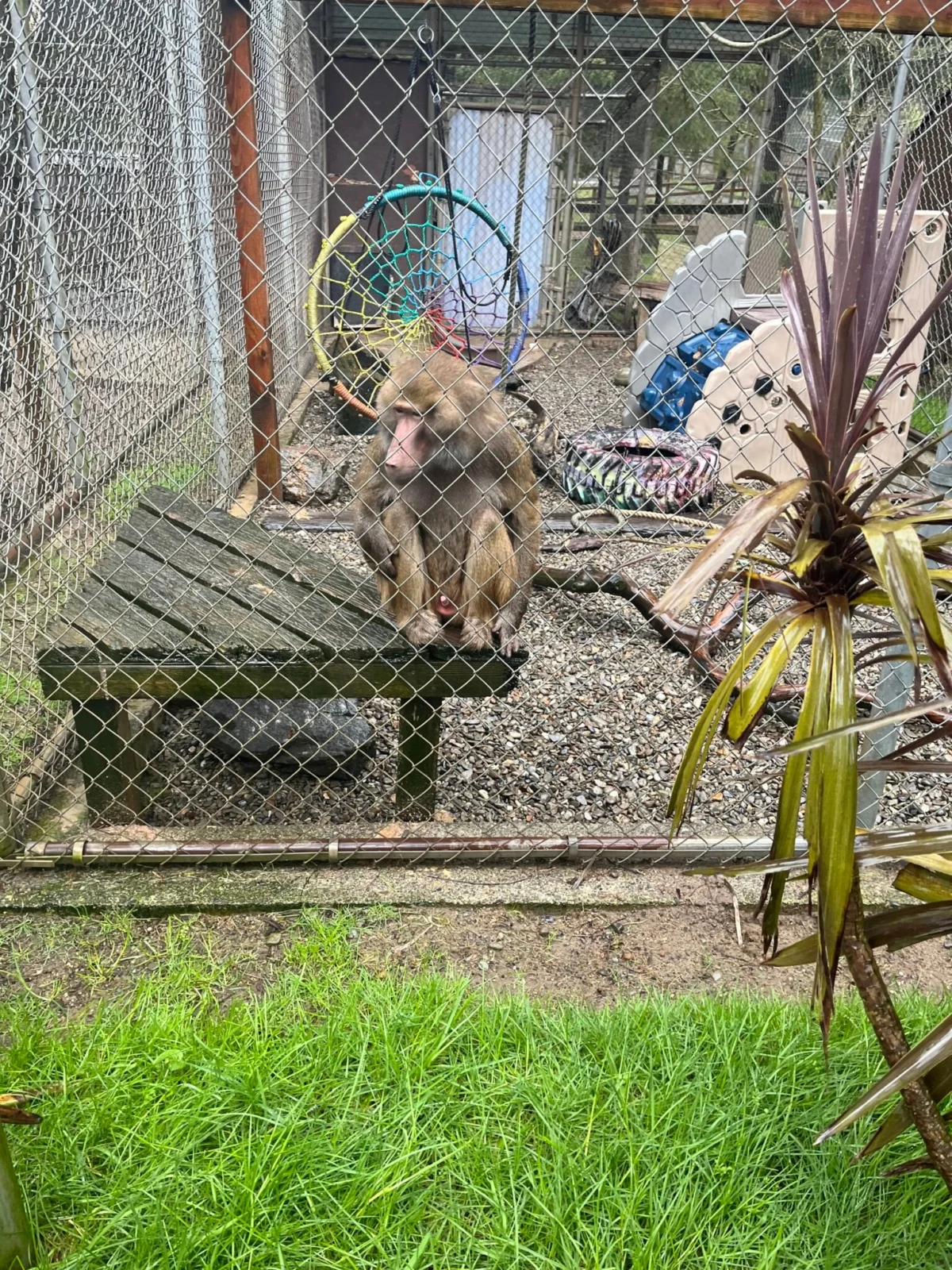
The transformation of five primates—three baboons named Zeus, Calliope, and Monet, and two vervet monkeys named Bear and Blue—serves as a landmark case in the ongoing effort to dismantle substandard roadside zoos in the United States. Only a year ago, these animals were living in conditions described by animal welfare experts as psychologically and physically devastating. Today, following a massive law enforcement intervention and a complex multi-state relocation effort, they are residing at the Born Free USA Primate Sanctuary in Texas, an accredited facility where they are finally able to express their natural behaviors within a species-appropriate social structure.
The path to their rescue was neither swift nor simple. It involved years of documented neglect, a coordinated raid by Oregon law enforcement, and a significant legal battle that has resulted in criminal accountability for the facility’s ownership. This case highlights the precarious existence of exotic animals in the "roadside zoo" industry, where animals are often treated as disposable commodities rather than sentient beings with complex biological needs.
The Desolate Conditions at West Coast Game Park Safari
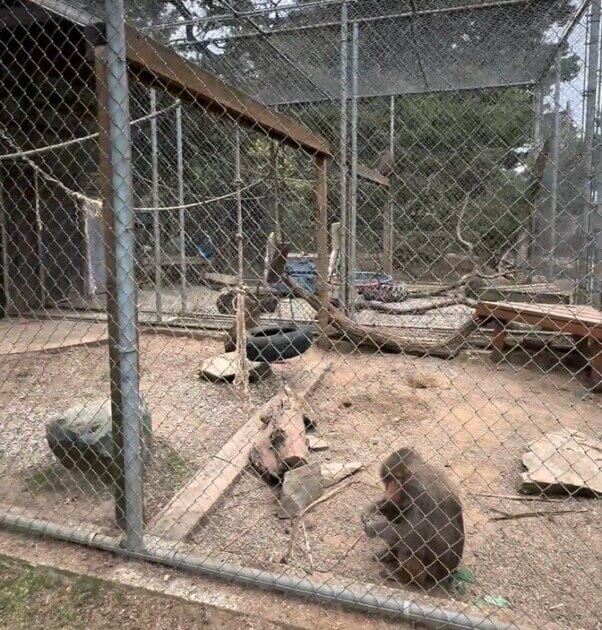
The history of the five monkeys at the West Coast Game Park Safari in Oregon was marked by systemic instability. The facility, which has since been permanently shuttered, became a final dumping ground for animals from other failing operations. In 2024, another unnamed roadside zoo closed its doors, transferring the baboons and vervets to the Oregon site. Rather than finding a haven, the primates were relegated to enclosures that failed to meet even the most basic standards of animal husbandry.
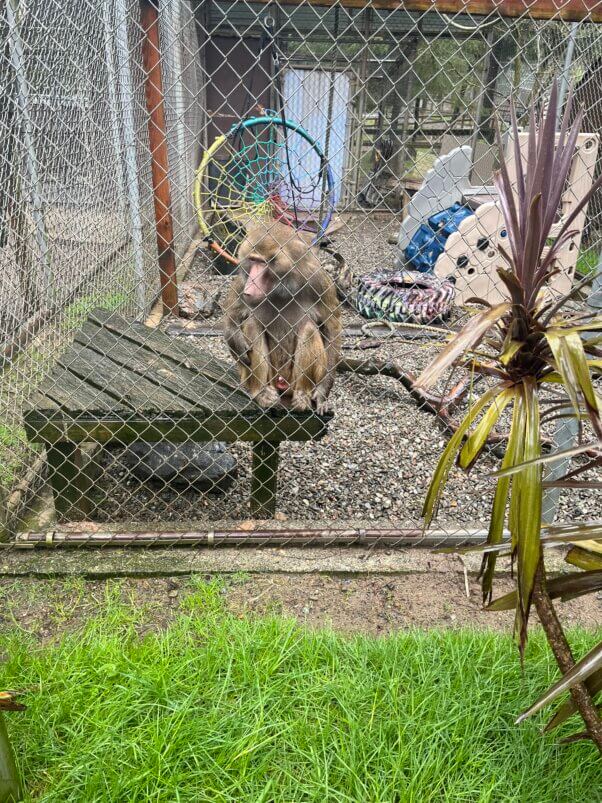
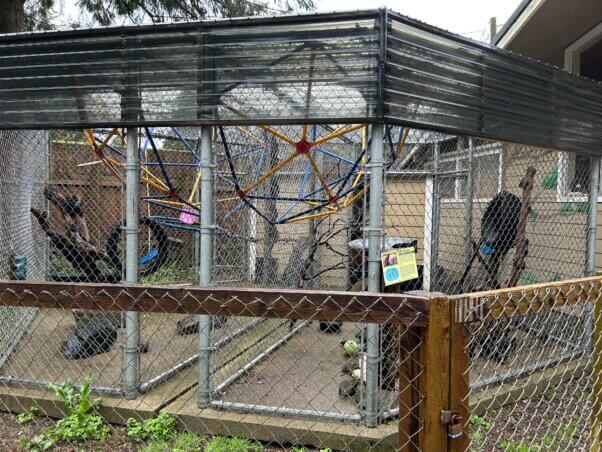
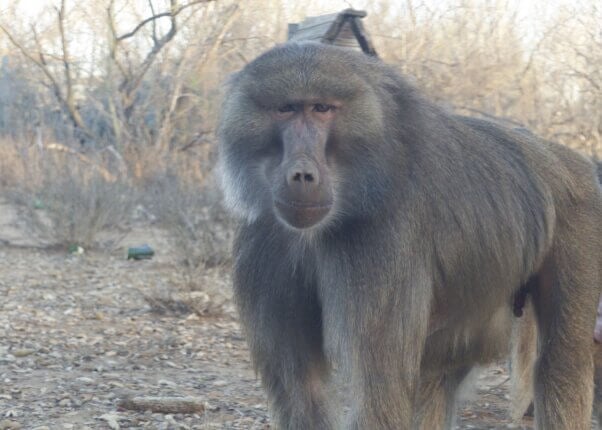
Photographic evidence and investigative reports from early 2025 painted a grim picture of their daily lives. Zeus, Calliope, and Monet, all highly intelligent baboons, were confined to small pens with gravel flooring. In the wild, baboons are known for their complex social hierarchies and their tendency to travel several miles a day while foraging. In the Oregon facility, they were restricted to a few dozen square feet, with no vertical space to climb and no soft substrate to protect their joints.
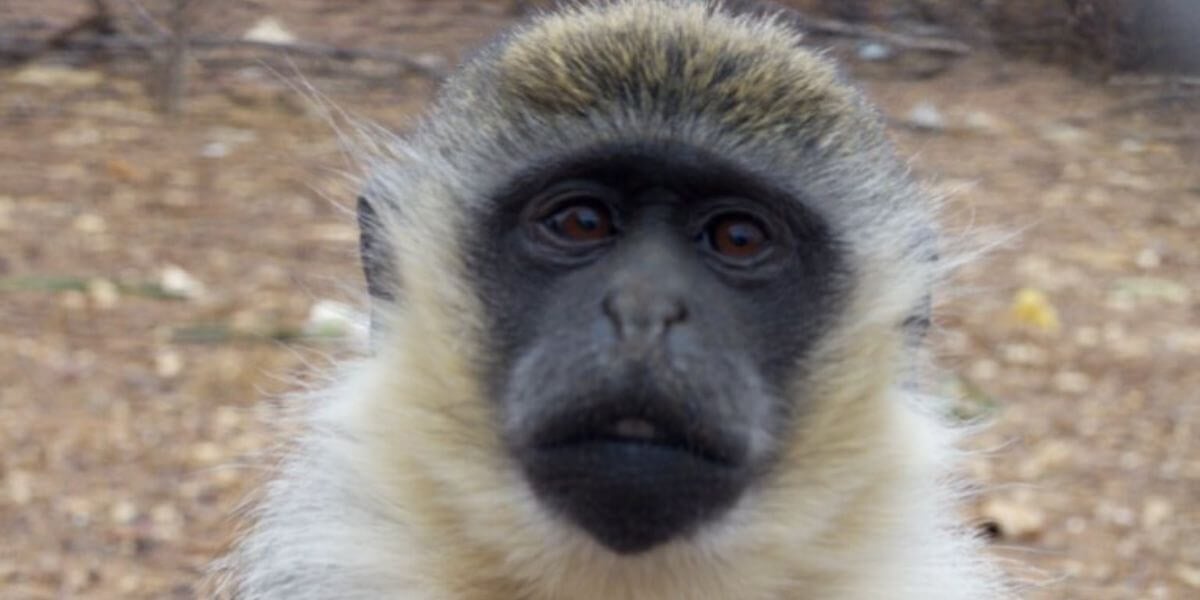
Similarly, the vervet monkeys, Bear and Blue, were housed in cramped cages with concrete floors. Such environments are notorious for causing "zoochosis," a term used to describe stereotypic behaviors in captive animals, such as pacing, swaying, or self-mutilation, stemming from extreme boredom and lack of environmental enrichment. The absence of proper veterinary oversight and adequate nutrition further compounded the physical toll on the animals, leaving them vulnerable to chronic illness and psychological decay.
Chronology of the Rescue Operation
The downfall of the West Coast Game Park Safari was precipitated by a sustained investigative effort led by People for the Ethical Treatment of Animals (PETA). After gathering evidence of starvation, neglect, and the use of decrepit, filthy enclosures, the organization alerted Oregon state authorities. This set in motion a series of events that would eventually lead to one of the largest animal confiscations in the state’s history.
In May 2025, law enforcement officials, supported by animal welfare experts, executed multiple search warrants at the property. The scene described by responders was one of profound neglect. The raid resulted in the seizure of 322 animals, ranging from large mammals to exotic birds and primates. The sheer scale of the operation required a logistical feat of coordination to ensure that each animal was safely transported to a reputable, accredited facility capable of providing immediate medical care and long-term rehabilitation.
Following the confiscation, PETA facilitated the transfer of the five monkeys to the Born Free USA Primate Sanctuary in Dilley, Texas. This facility is accredited by the Global Federation of Animal Sanctuaries (GFAS), a gold standard that ensures the highest level of care, including strict policies against breeding, commercial use, or public handling of animals.
Profiles in Resilience: The Monkeys Today
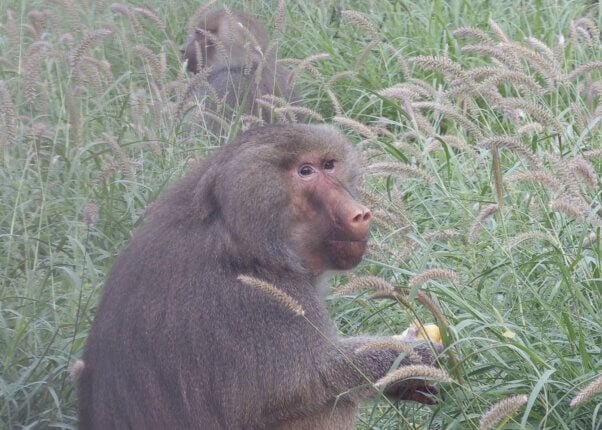
The transition from a roadside zoo to a 175-acre sanctuary has allowed the five primates to undergo a remarkable recovery. At Born Free USA, the baboons and vervets are no longer isolated or confined to barren cages.
Zeus, the largest of the baboons, has assumed a role that reflects his natural instincts. In his new environment, he has become the calm and steady leader of a group that includes other baboons rescued from a facility in Iowa. His leadership is essential for maintaining the social harmony of the troop, a task that was impossible in the cramped quarters of the Oregon zoo.
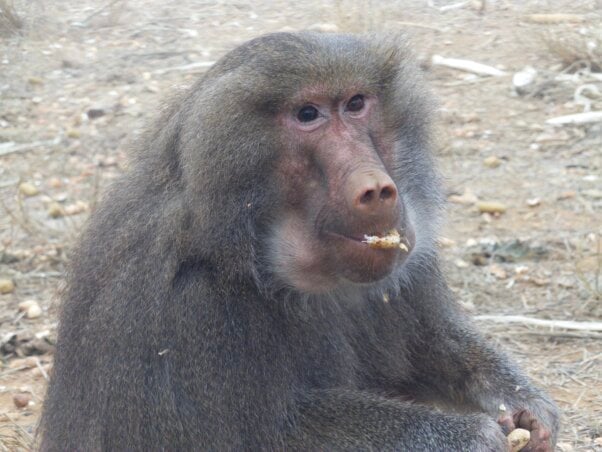
Calliope has shown a particular affinity for the sanctuary’s foraging programs. Often observed with her cheek pouches full of fresh produce, she spends her hours navigating open fields rather than pacing against chain-link fences. For a baboon, the ability to make choices—where to go, what to eat, and with whom to socialize—is a critical component of psychological health.
Monet has found companionship in a male baboon named Marlin. The two have formed a close bond, frequently seen grooming one another and climbing the large trees that dot their habitat. This social richness is the antithesis of the isolation they previously endured.
The vervet monkeys, Bear and Blue, have experienced a similar resurgence. Bear, who was curious and outgoing from the moment she arrived in Texas, integrated quickly into a large troop of rescued vervets. Blue, who was initially more reserved and shy, has since blossomed into a social butterfly, matching Bear’s energy. For these small primates, the ability to live in a large, multi-generational group is vital for their development and emotional stability.
Legal Accountability and Precedent
The rescue of the animals was only the first phase of the intervention; the second phase focused on legal justice. In April 2026, the owner of the West Coast Game Park Safari appeared in court to face the consequences of his management. He pleaded guilty to 47 criminal charges, including 43 counts of animal neglect.
This legal victory is significant within the context of animal law. Historically, animal neglect cases involving roadside zoos have often resulted in mere fines or temporary suspensions of USDA licenses. However, the severity of the charges in this case—and the prosecutor’s recommendation of a 7.5-year prison sentence—signals a shift toward more stringent enforcement of animal welfare statutes.
Furthermore, the prosecutor has requested full restitution to cover the immense costs of the lifetime care for the 322 seized animals. The financial burden of caring for such a large number of animals is substantial, often running into millions of dollars over the animals’ lifespans. Forcing the perpetrator to pay for the rehabilitation of the victims is a crucial step in ensuring that the cost of neglect is not solely borne by non-profit sanctuaries and public donors.
Broader Impact on the Roadside Zoo Industry
The closure of the West Coast Game Park Safari and the subsequent rescue of its inhabitants are part of a broader national trend. Public sentiment has shifted significantly away from facilities that prioritize human entertainment over animal welfare. The rise of documentaries and social media exposés has educated the public on the realities of "pay-to-play" schemes, cub petting, and the lack of genetic diversity in roadside zoo breeding programs.
The success of the Born Free USA Primate Sanctuary in rehabilitating Zeus, Calliope, Monet, Bear, and Blue serves as a proof of concept for the sanctuary model. Unlike roadside zoos, which rely on high-volume foot traffic and invasive animal encounters, sanctuaries prioritize the animals’ privacy and autonomy. This model is supported by data showing that primates in high-quality sanctuaries exhibit fewer stress hormones and live longer, healthier lives than those in substandard commercial exhibitions.
However, challenges remain. There are still hundreds of unregulated or poorly regulated facilities across the United States. Many of these operations exploit loopholes in the Animal Welfare Act (AWA), which provides only a baseline of care that many advocates argue is insufficient for the complex needs of primates. The case of the Oregon five underscores the need for more robust federal legislation, such as a ban on the private ownership of primates and stricter requirements for facilities that house exotic species.
Conclusion: A New Chapter
The story of the five monkeys from the West Coast Game Park Safari is a testament to the power of coordinated advocacy, law enforcement, and specialized sanctuary care. While Zeus, Calliope, Monet, Bear, and Blue will never be able to return to the wild, they have been granted the next best thing: a life of dignity, safety, and social fulfillment.
Their journey from the "dismal enclosures" of Oregon to the "expansive and naturalistic" habitats of Texas serves as both a warning and a beacon of hope. It warns of the cruelty inherent in the roadside zoo industry but offers hope that through persistence and legal action, the cages can be emptied, and the victims of neglect can find a place to truly belong. As the court prepares to finalize the sentencing for the facility’s former owner, the animal welfare community remains vigilant, working toward a future where no animal is forced to languish for the sake of human amusement.

