


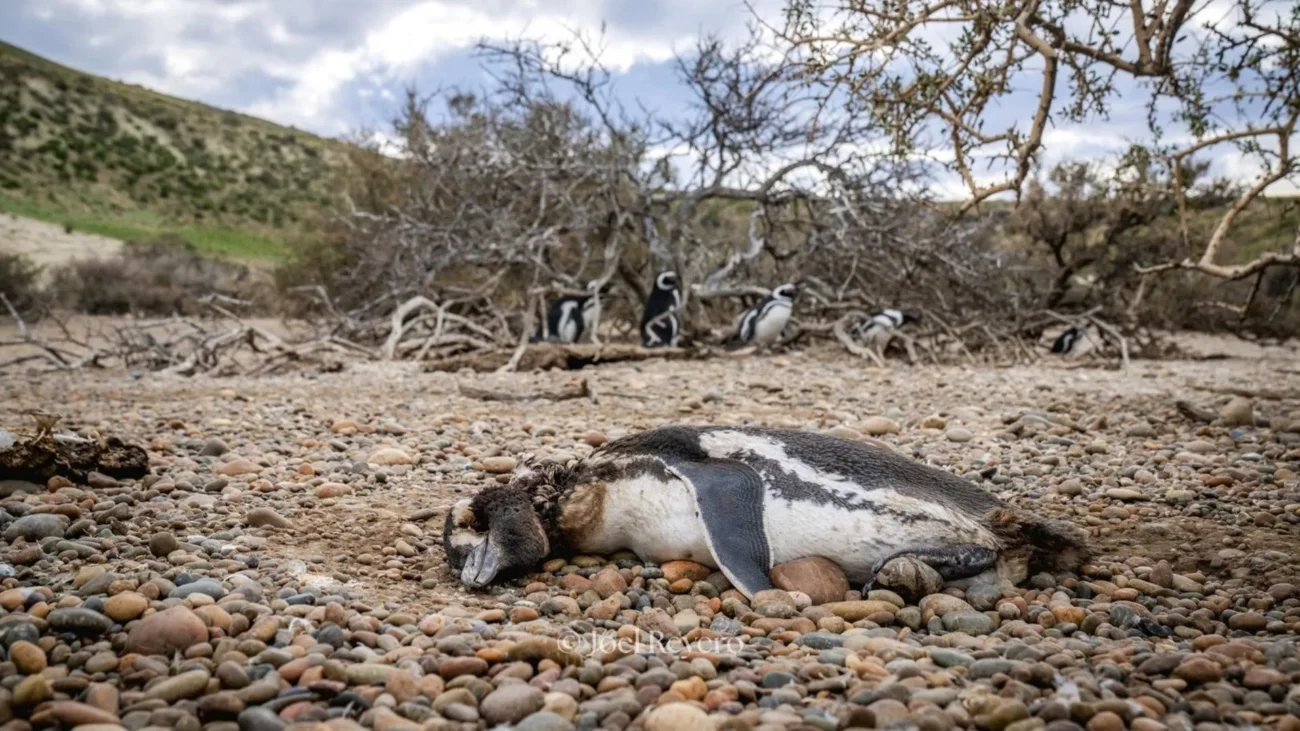
The windswept plains of Argentina’s Patagonian coast, once dominated by the quiet rhythms of cattle ranching, are now alive with a resurgent wildness. At Monte Leon National Park, a delicate ecological ballet is unfolding, bringing a once-removed apex predator into direct conflict with a thriving seabird colony. This emerging conservation challenge, centered on the return of pumas and their impact on Magellanic penguins, underscores the intricate and often challenging nature of ecosystem restoration in landscapes profoundly shaped by human activity over decades. The question at the heart of this situation is stark: when conservation efforts to protect one iconic species may inadvertently jeopardize another, particularly in areas still healing from past alterations, how should we proceed?
The story of Monte Leon is a potent illustration of how rapidly ecosystems can change and the complex interdependencies that emerge as they recover. For years, the absence of significant land predators allowed Magellanic penguins to expand their presence from offshore islands to the mainland, establishing large, vulnerable colonies. The cessation of cattle ranching in southern Argentina in 1990 marked a turning point, paving the way for the gradual re-establishment of pumas (Puma concolor) across their ancestral territories. This rewilding, a triumph for conservation in its own right, has now introduced a novel interaction: pumas encountering penguins, a prey species with little innate defense against such formidable carnivores.
A Timeline of Ecological Resurgence and New Challenges
The transformation of Monte Leon National Park from a working estancia to a protected area began in earnest with its official establishment in 2004. Prior to this, the land had been subject to extensive cattle ranching for many decades, a practice that significantly altered the natural landscape and suppressed populations of native predators.
Pre-1990s: Extensive cattle ranching dominates the landscape. Large carnivores like pumas are largely absent or present in very low numbers due to hunting and habitat alteration. Magellanic penguins, finding refuge from land-based predators, expand their nesting colonies onto the mainland coast.
1990: The end of widespread cattle ranching in southern Argentina initiates a period of ecological recovery.
Post-1990s: Pumas, driven by the availability of prey and expanding habitat, begin to recolonize their historic range, including the areas around Monte Leon.
2004: Monte Leon National Park is established, formalizing the protection of this significant coastal ecosystem and its recovering wildlife.
2007-2010: Researchers from the Centro de Investigaciones de Puerto Deseado of the Universidad Nacional de la Patagonia Austral, in collaboration with Monte Leon National Park rangers, initiate long-term monitoring of penguin colonies. During this period, they begin to systematically record penguin carcasses linked to puma predation.
Recent Years: The research team expands its collaboration, partnering with scientists from Oxford University’s Wildlife Conservation Research Unit (WildCRU) to analyze the collected data and assess the long-term ecological implications of puma predation on the penguin population. This collaboration leads to a comprehensive study on the dynamics of this emerging predator-prey relationship.
Quantifying the Predation: Thousands of Penguins as Prey
The initial findings from the long-term monitoring project revealed a significant impact of puma predation on the Magellanic penguin colonies. Between 2007 and 2010, researchers meticulously documented the evidence of puma attacks. Using carcass counts as their primary metric, the team estimated that an alarming number of adult penguins—over 7,000 individuals—were killed during this four-year period. This figure represents approximately 7.6% of the estimated adult population, which hovered around 93,000 individuals.
A particularly striking observation was that a substantial portion of the predated penguins were not fully consumed, or in some cases, not eaten at all. This phenomenon, known as "surplus killing," suggests that the pumas’ actions were not solely driven by immediate hunger. Melisa Lera, a postgraduate student at WildCRU and lead author of the recent study, explained this behavior. "The number of carcasses showing signs of predation we found in the colony is overwhelming, and the fact that they were left uneaten means pumas were killing more penguins than they required for food," Lera stated. "This is consistent with what ecologists describe as ‘surplus killing.’ It is comparable to what is seen in domestic cats when prey are abundant and/or vulnerable: ease of capture can lead to cats hunting more birds, even when they do not end up actually eating them. We needed to understand if the penguin colony’s persistence could be threatened due to this behavior."
Population Models Offer a Nuanced Perspective
To understand the broader implications of this predation, the research team employed sophisticated population models. These models, designed to simulate the long-term viability of the penguin colony, provided a more nuanced picture than initially feared. The results indicated that puma predation alone, while significant, was unlikely to be the primary driver of extinction for the Monte Leon penguin population.
Instead, the models highlighted other factors as far more critical to the colony’s stability. These included breeding success – the number of chicks that hatch and survive – and the survival rate of juvenile penguins as they mature. Extinction scenarios were only projected under highly improbable conditions, such as a drastic decline in juvenile survival to around 20% failing to reach adulthood, coupled with severely limited reproduction, where pairs produced a maximum of one chick. In such hypothetical extreme cases, high levels of puma predation would exacerbate the crisis, but the fundamental cause would lie elsewhere.
Dr. Jorgelina Marino, a co-author of the study from WildCRU, emphasized the broader significance of these findings. "This study captures an emerging conservation challenge, where recovering carnivores are encountering novel prey," Dr. Marino commented. "Understanding how these dietary shifts affect both predators and prey is essential to inform conservation." This indicates that the challenges at Monte Leon are not isolated but are indicative of a wider trend in conservation ecology.
The Looming Shadow of Climate Change and Broader Environmental Pressures
The emphasis on breeding success and juvenile mortality in the population models directs attention to the complex web of environmental factors influencing penguin reproduction. The researchers strongly advocate for a deeper understanding of how external conditions impact the penguins’ ability to breed and raise young. Factors such as the availability of food resources, fluctuations in nutrient levels, and ambient temperatures – all of which are known to be significantly influenced by climate change – are likely to play a pivotal role in shaping the future trajectory of the Monte Leon penguin colony.
The implications extend beyond Monte Leon. Similar ecological predicaments are emerging globally as land-based predators increasingly encroach upon coastal environments. Mainland seabird colonies and other coastal species are finding themselves increasingly vulnerable to these shifts. For instance, along the Georgia coast in the United States, introduced feral hogs have become a major threat to loggerhead sea turtle eggs. In eastern North America, coyotes are expanding their presence onto coastal barrier islands, leading to significant alterations in those delicate ecosystems. These examples underscore a growing pattern of predator-prey dynamics being reshaped by environmental change and the rewilding of landscapes.
The Imperative of Continued Monitoring and Adaptive Management
The findings from Monte Leon National Park underscore a fundamental principle in modern conservation: the necessity of continuous, vigilant monitoring. The authors of the study stress that ongoing observation is not merely an academic exercise but a crucial tool for detecting early warning signs of population decline. This proactive approach is vital for guiding management decisions before irreversible ecological damage occurs.
At Monte Leon, the park authorities, in close collaboration with the scientific community, are committed to this ongoing surveillance. They are diligently tracking both puma and penguin populations, striving to understand and navigate the intricate consequences of ecosystem recovery. This commitment to adaptive management, informed by robust scientific data, is essential for balancing the needs of recovering predator populations with the conservation of vulnerable prey species.
The situation at Monte Leon serves as a microcosm of the broader conservation challenges confronting humanity. As ecosystems heal and rewild, novel interactions emerge, often creating complex ethical and practical dilemmas. The success of conservation efforts hinges not only on protecting individual species but also on understanding and managing the intricate relationships within an entire ecosystem, especially in a world increasingly shaped by climate change and human influence. The future of the Patagonian coast, and indeed many other wild places, will depend on our ability to embrace complexity and make informed decisions that foster the resilience and biodiversity of these recovering landscapes. The continued study of the puma-penguin dynamic at Monte Leon promises to offer invaluable insights for conservationists worldwide grappling with similar emergent ecological realities.

