


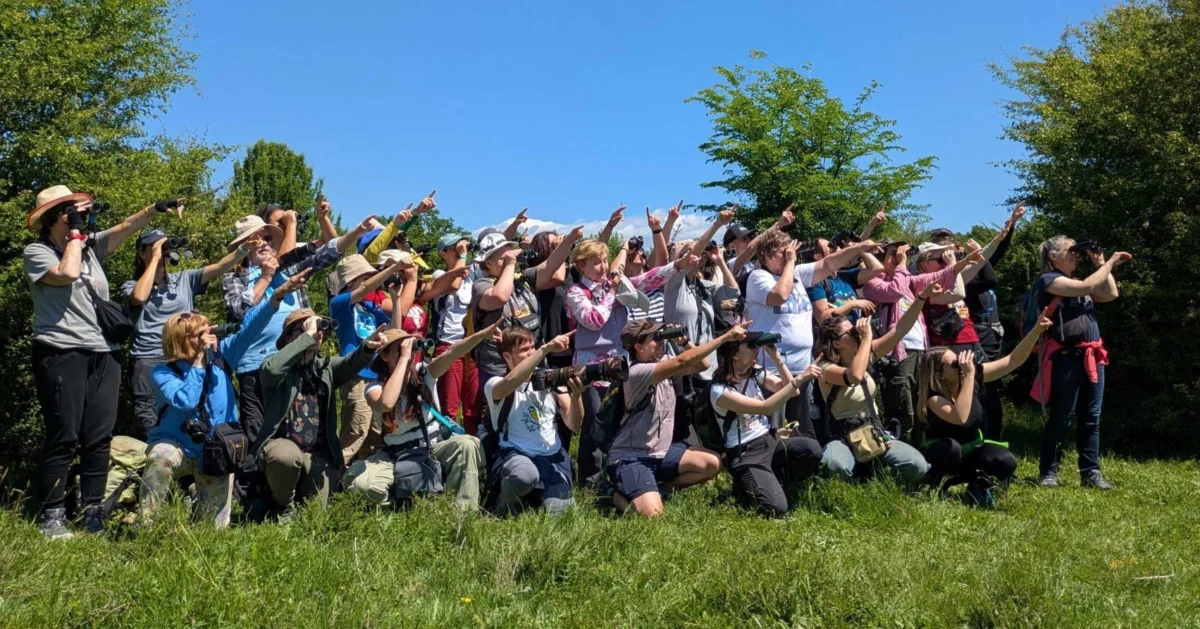
The Biom Association, a pivotal partner in nature conservation efforts across Croatia, is marking its 20th anniversary in 2026, a significant milestone that underscores two decades of unwavering commitment to protecting the nation’s rich biodiversity, particularly its avian populations. Established in 2006, Biom has evolved into a leading force in environmental advocacy, scientific research, and public education, leaving an indelible mark on Croatia’s conservation landscape. The organization’s multifaceted approach, encompassing rigorous fieldwork, policy influence, and grassroots engagement, has been instrumental in safeguarding critical habitats and species for future generations.
A Legacy of Conservation: Two Decades of Impact
Biom’s journey began with a clear vision: to foster a deeper understanding and appreciation for Croatia’s natural heritage, translating that awareness into tangible conservation actions. Over the past twenty years, the association has been at the forefront of numerous initiatives aimed at preserving birdlife and broader biodiversity. Their work spans a wide spectrum, from direct habitat restoration and species protection to influencing environmental policy and engaging citizens in conservation efforts.

The organization’s strategic approach has always been grounded in scientific evidence. Through extensive monitoring programs, Biom provides crucial data that informs conservation strategies and policy decisions. This scientific backbone has enabled them to identify key threats to biodiversity and develop effective solutions. Their fieldwork is not merely about data collection; it is also about hands-on intervention. Projects such as the restoration of vital wetland habitats, the removal of illegal hunting structures that pose a threat to wildlife, and the meticulous tagging and monitoring of endangered species like the Short-toed Snake Eagle exemplify their proactive stance.
Key Achievements and Milestones
Over its twenty-year history, Biom has accumulated a distinguished record of achievements:
-
Habitat Restoration and Management: Biom has been actively involved in restoring and managing crucial habitats, particularly wetlands and grasslands, which are vital for a myriad of bird species. Their work on Mt. Dinara, for instance, involving restoration camps, highlights their dedication to rehabilitating degraded landscapes and improving ecological functionality. These efforts are critical in the face of habitat loss and fragmentation, which remain significant threats to biodiversity globally. According to the European Environment Agency, habitat degradation is a primary driver of biodiversity loss across the continent, making such restoration projects indispensable.

-
Combating Illegal Activities: The organization has been a staunch opponent of illegal activities that threaten wildlife. The removal of illegal poachers’ hides is a testament to their commitment to enforcing wildlife protection laws and creating safer environments for birds and other animals. Such actions directly contribute to maintaining healthy populations and preventing species decline. Data from INTERPOL suggests that wildlife crime is a global issue with significant economic and ecological consequences, underscoring the importance of organizations like Biom in tackling these illicit activities.
-
Species-Specific Conservation: Biom’s dedication extends to the protection of individual species. The tagging and monitoring of the Short-toed Snake Eagle, a species vulnerable to habitat changes and persecution, allows for a deeper understanding of its ecology, migratory patterns, and breeding success. This data is crucial for developing targeted conservation plans. Globally, species-specific conservation programs, when well-supported by research, have proven effective in preventing extinctions and aiding species recovery. The IUCN Red List frequently highlights the need for such focused interventions.
-
Citizen Science and Education: Perhaps one of Biom’s most profound impacts lies in its ability to inspire and mobilize the public. Through extensive educational programs, volunteer initiatives, and citizen science projects, they empower individuals to become active participants in nature conservation. Their bird identification program has engaged over 500 people, fostering a new generation of informed and passionate conservationists. The annual ornithological camp in Učka Nature Park is a cornerstone of this educational outreach, offering hands-on experience in bird migration studies and bringing the wonders of nature closer to the public. This approach aligns with global trends in conservation, where community engagement and citizen science are increasingly recognized as vital components of successful conservation strategies. Studies have shown that citizen science projects can significantly enhance data collection efforts and foster a sense of stewardship among participants.

The Učka Ornithological Camp: A Hub for Learning and Discovery
The ornithological camp held annually in Učka Nature Park represents a significant initiative by Biom. This immersive experience provides participants with direct exposure to the science of ornithology and the dynamics of bird migration. By focusing on this natural phenomenon, Biom not only educates but also highlights the interconnectedness of ecosystems and the importance of preserving migratory routes. The camp serves as a vital platform for knowledge exchange, skill development, and fostering a community of bird enthusiasts and budding scientists. The data collected during these camps contributes to broader scientific understanding of bird populations and their responses to environmental changes, which is crucial for long-term conservation planning.
A Future Focused on Collaboration and Impact
As Biom embarks on its next chapter, the organization remains committed to its core mission. The challenges facing Croatia’s biodiversity are ongoing, including the impacts of climate change, agricultural intensification, and infrastructure development. Biom’s continued work in scientific research, policy advocacy, and public engagement will be essential in addressing these issues. Their proven track record suggests a continued focus on evidence-based conservation, collaborative partnerships with government agencies, other NGOs, and international organizations, and an ongoing commitment to inspiring the public to become stewards of nature.
The success of Biom over the past two decades is a testament to the dedication of its members, the support of its partners, and the growing awareness among the Croatian public about the importance of environmental protection. The organization’s legacy is not just in the species and habitats it has helped to protect, but also in the countless individuals it has inspired to care for the natural world.

The European Union’s commitment to biodiversity conservation, often supported by programs like the LIFE initiative, provides a framework within which organizations like Biom can thrive and expand their impact. The financial and political support from such entities is crucial for the long-term sustainability of conservation efforts across member states. Biom’s work is a vital contribution to the broader goals of BirdLife Europe and Central Asia, advocating for a healthier and more biodiverse Europe.
Looking ahead, Biom’s continued efforts in scientific research will be crucial for understanding emerging threats and adapting conservation strategies. Their advocacy work will be vital in ensuring that environmental considerations are integrated into national development plans. Furthermore, their educational programs will continue to play a key role in building a conservation-conscious society. The organization’s commitment to science, advocacy, and education, coupled with its strong community engagement, positions it well to tackle the conservation challenges of the future.
The partnership with organizations like BirdLife Europe and Central Asia amplifies Biom’s reach and impact, facilitating the exchange of knowledge and best practices across a wider network. This collaborative approach is essential for addressing transboundary environmental issues and promoting a unified approach to conservation across the region. The financial support acknowledged from the European Commission underscores the recognition of Biom’s valuable contribution to the EU’s environmental objectives.

In conclusion, the 20th anniversary of the Biom Association is not merely a commemoration of past achievements but a celebration of a dynamic and impactful organization poised for continued leadership in Croatian conservation. Their enduring commitment to science, advocacy, and education has fostered a legacy of environmental stewardship that will undoubtedly benefit Croatia’s natural heritage for decades to come. The organization’s ability to mobilize scientific expertise, influence policy, and inspire public participation makes it an indispensable asset in the ongoing effort to safeguard biodiversity in Croatia and beyond.
This article was written by Caroline Herman and includes information and imagery provided by the Biom Association. Financial support from the European Commission is gratefully acknowledged.

