


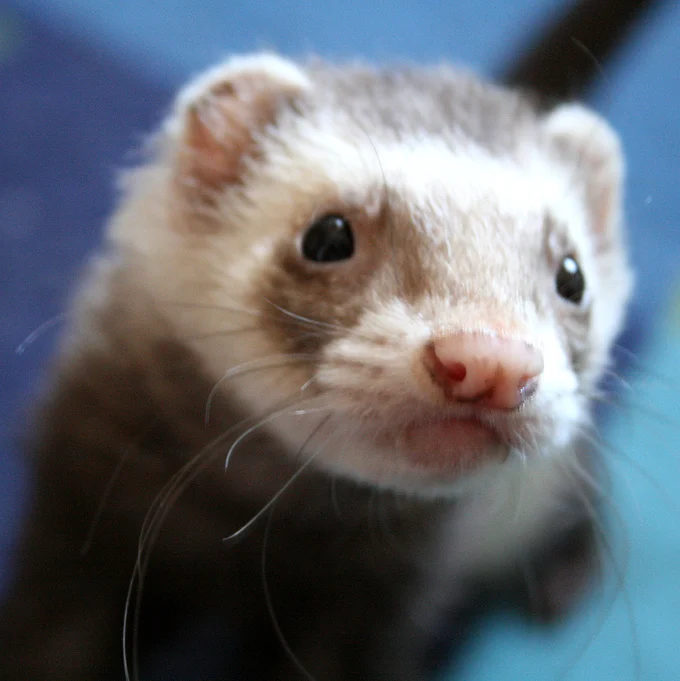
On March 18, 2026, LafeberVet released a comprehensive educational webinar titled "The Collapsing Ferret," presented by the internationally recognized expert in exotic animal medicine, Cathy Johnson-Delaney, DVM. This session, designed for veterinary practitioners and licensed technicians, addresses one of the most distressing clinical emergencies encountered in small mammal practice: the sudden onset of weakness, syncopal episodes, or total physical collapse in the domestic ferret (Mustela putorius furo). As the population of pet ferrets continues to see specialized growth in North America and Europe, the demand for high-level diagnostic protocols for these high-metabolic-rate mustelids has reached a critical juncture. The webinar serves not only as a clinical guide but also as a vital component of the American Association of Veterinary State Boards (AAVSB) Registry of Approved Continuing Education (RACE) program, offering one hour of credit to professionals in participating jurisdictions.
The Clinical Challenge of the Fainting Mustelid
The phenomenon of the "collapsing ferret" is a multifaceted diagnostic puzzle that often requires immediate intervention before a definitive diagnosis can even be reached. According to the webinar, the primary culprits behind these episodes are typically metabolic or cardiovascular in nature. Dr. Johnson-Delaney emphasizes that because ferrets possess a unique physiology—characterized by a rapid transit time in the digestive tract and a highly sensitive endocrine system—the window for stabilizing a collapsing patient is significantly narrower than in canine or feline patients.
In the clinical setting, a ferret presenting with a history of collapse may exhibit signs ranging from "hind-limb weakness" and "stargazing" to profound lethargy and unresponsive states. The webinar breaks down these presentations into prioritized diagnostic categories, focusing heavily on insulinoma and various forms of cardiomyopathy. By identifying the underlying cause—whether it be an acute drop in blood glucose or a failure of the heart to maintain adequate perfusion—veterinary teams can transition from emergency stabilization to long-term management strategies.
Insulinoma: The Leading Cause of Metabolic Collapse
A significant portion of the webinar is dedicated to the management of insulinoma, a common neoplasm of the pancreatic beta cells in middle-aged to geriatric ferrets. Data suggest that in certain populations of domestic ferrets, the prevalence of insulinoma can be as high as 20% to 25% in animals over the age of four. These tumors autonomously secrete insulin regardless of the blood glucose concentration, leading to chronic or acute hypoglycemia.
Dr. Johnson-Delaney outlines the progression of the disease, noting that "collapse" is often the terminal sign of a long-standing hypoglycemic state that the owner may have previously misinterpreted as "slowing down due to age." The webinar provides a rigorous protocol for the "hypoglycemic crash," advising practitioners on the safe administration of intravenous or intraosseous dextrose and the subsequent use of glucocorticoids to antagonize insulin effects. The session further explores the nuances of diagnostic testing, emphasizing that a fasted blood glucose level of less than 60 mg/dL is highly suggestive of the condition, though many symptomatic ferrets may present with levels as low as 20–30 mg/dL.
Cardiovascular Dynamics and Arrhythmias
Beyond metabolic triggers, the webinar explores the complex world of mustelid cardiology. Ferrets are frequently diagnosed with dilated cardiomyopathy (DCM) and, less commonly, hypertrophic cardiomyopathy (HCM). These conditions can lead to cardiac output failure, resulting in syncopal episodes that owners describe as "collapsing."
The educational material highlights the importance of distinguishing between a "weakness episode" (metabolic) and a "fainting episode" (cardiovascular). Dr. Johnson-Delaney provides insights into the use of echocardiography and electrocardiograms (ECG) in the ferret, noting that heart rates in these animals are naturally high, often making the detection of subtle arrhythmias a challenge for the general practitioner. The webinar discusses the management of congestive heart failure in ferrets, including the use of diuretics and ACE inhibitors, which have become the standard of care for extending the quality of life in geriatric patients.
Chronology of the Educational Event and Accessibility
The release of "The Collapsing Ferret" on March 18, 2026, marks a continuation of LafeberVet’s commitment to providing accessible, high-quality digital education for the global veterinary community. The timeline for the webinar’s development and rollout reflects a growing trend in the industry toward on-demand, specialized learning modules.
- Development Phase (Late 2025): Dr. Johnson-Delaney and the LafeberVet editorial team compiled clinical case studies and peer-reviewed data to form the basis of the presentation.
- Accreditation Review (Early 2026): The content was submitted to the AAVSB RACE program for rigorous auditing to ensure it met the standards for continuing education credits.
- Official Launch (March 18, 2026): The webinar was made available on the LafeberVet portal, featuring a multi-language interface in English, French, and Spanish to accommodate an international audience.
- Post-Test Availability: Following the presentation, participants are given three attempts to pass a post-test, a requirement for obtaining the 1-hour CE certificate.
This structured approach ensures that the information disseminated is not only current but also validated by the governing bodies of veterinary education.
Supporting Data: The Rising Need for Exotic CE
The necessity for webinars like "The Collapsing Ferret" is supported by recent veterinary market data. Over the last decade, the ownership of "non-traditional" pets has increased by approximately 15% in urban areas. Despite this increase, a 2024 survey of general practitioners indicated that over 60% felt "underprepared" to handle emergency presentations of exotic mammals like ferrets.
Furthermore, the data regarding ferret longevity suggests that with proper medical management of conditions like insulinoma and cardiomyopathy, the average lifespan of a pet ferret can be extended by 2 to 3 years. This makes geriatric care—a focal point of the webinar—an essential skill set for the modern veterinarian. The inclusion of keywords such as "geriatrics," "glucose," and "arrhythmia" in the webinar’s metadata underscores the multifaceted nature of the care required for this aging pet population.
Official Responses and Professional Implications
The veterinary community has responded positively to the release of this focused curriculum. Dr. Johnson-Delaney, a past president of the Association of Exotic Mammal Veterinarians (AEMV), is widely regarded as a pioneer in the field, and her involvement lends significant weight to the instructional material.
While official statements from the AAVSB are traditionally neutral, the approval of this course for RACE credit signifies that the material is of a high enough caliber to count toward the mandatory licensure requirements for veterinarians across North America. Professional organizations have noted that specialized webinars help bridge the "knowledge gap" between general practice and board-certified exotic animal specialists. By empowering the general practitioner to stabilize and treat a collapsing ferret, the survival rate for these emergency cases is expected to rise.
Broader Impact on Veterinary Medicine and Animal Welfare
The implications of "The Collapsing Ferret" extend beyond the classroom. For pet owners, the existence of such specialized training means that their local veterinarian is more likely to provide an accurate diagnosis during a crisis. The webinar’s emphasis on the "geriatric ferret" also highlights a shift in animal welfare, where ferrets are increasingly viewed as long-term companions deserving of advanced medical intervention rather than "disposable" pets.
Technologically, the webinar represents the peak of digital veterinary integration. By offering the content in English, French, and Spanish, LafeberVet is addressing the global nature of veterinary science. The requirement for a membership login to access the full content ensures that the information is utilized by qualified professionals, maintaining the integrity of the medical advice provided.
As veterinary medicine continues to evolve, the focus on specific clinical presentations—such as the collapse—allows for a more targeted and effective approach to emergency care. Dr. Cathy Johnson-Delaney’s contribution through this webinar provides a vital roadmap for navigating the complexities of mustelid health, ensuring that when a ferret "crashes," the veterinary team is equipped with the data, the protocols, and the confidence to intervene successfully.
In conclusion, the March 18 release of "The Collapsing Ferret" stands as a landmark educational event for 2026. It synthesizes decades of clinical experience into a concise, one-hour masterclass that addresses the most pressing health crises facing pet ferrets today. Through its RACE accreditation and expert-led instruction, it sets a new benchmark for online continuing education in the field of exotic animal medicine.

