


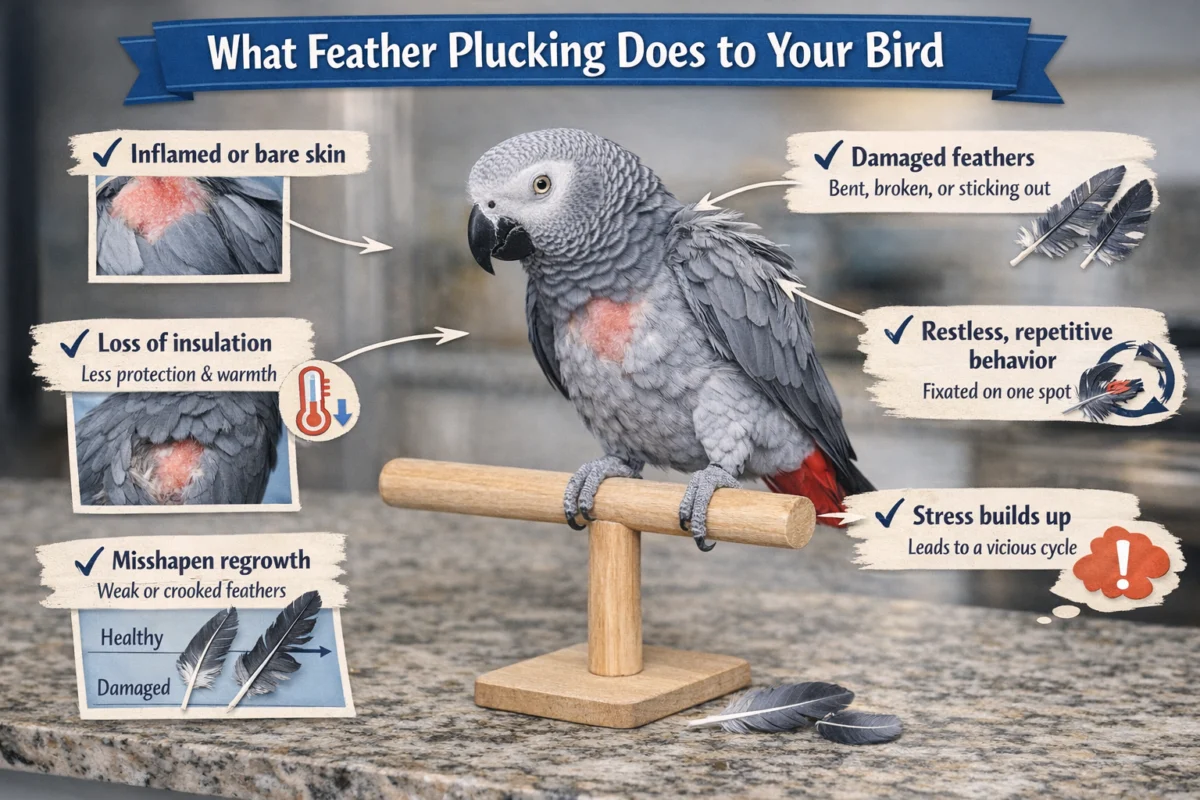
Feather plucking, a distressing and often misunderstood behavioral disorder in companion birds, represents a significant welfare concern for avian owners globally. Far from being a mere cosmetic issue, this self-destructive habit can indicate underlying medical conditions, environmental deficiencies, or profound psychological distress. Early detection is paramount, as the behavior, if left unaddressed, can escalate from minor feather damage to severe skin mutilation, leading to chronic health issues and a diminished quality of life for the affected bird. The prevalence of feather plucking varies among species, with intelligent and sensitive parrots like African Greys, Cockatoos, and Macaws frequently cited in veterinary literature as particularly susceptible, highlighting the complex interplay of factors contributing to the condition in captive environments.
Distinguishing Normal Avian Grooming from Pathological Behavior
One of the initial challenges for bird owners is to differentiate between normal avian behaviors—molting and preening—and the onset of feather plucking. Understanding these distinctions is critical for timely intervention.
Molting: This is a natural physiological process where birds shed old, worn feathers and grow new ones. Molting typically occurs one to two times a year, influenced by factors such as species, age, hormones, and environmental conditions like light cycles. During a normal molt, feathers fall out gradually and symmetrically, often accompanied by the emergence of new pin feathers (developing feathers still encased in a keratin sheath). These pin feathers can be itchy, leading to increased preening, but the overall feather coat remains intact, and the bird does not develop bald patches or skin irritation. The process is a healthy renewal of the plumage, essential for flight, insulation, and protection.
Preening: Preening is an instinctive and essential grooming behavior that birds perform multiple times throughout the day. Using their beaks and tongues, birds meticulously clean, align, and waterproof their feathers, often utilizing oil from their preen gland (uropygial gland) located at the base of the tail. A healthy bird preens calmly, systematically moving across different parts of its body, ensuring each feather lies smoothly and is free of debris. This activity is vital for maintaining feather integrity, insulation, and aerodynamic efficiency. Normal preening should not result in damaged feathers, bald spots, or irritated skin.
Feather Plucking: In stark contrast to molting and preening, feather plucking is an abnormal, self-destructive behavior. It is characterized by a bird deliberately pulling out, chewing, or damaging its own feathers. Unlike the natural shedding of molting, plucked feathers often show signs of being torn or chewed, and their removal can be asymmetrical, leading to patchy feather loss or bald areas. The behavior is typically focused, repetitive, and intense, with the bird fixating on a particular area of its body, often to the point of causing visible irritation or lesions on the skin beneath. This destructive habit is not a grooming issue but rather a symptom of an underlying problem.
Feather Mutilation: This represents the most severe stage of self-destructive behavior. In cases of mutilation, the bird transcends plucking feathers and actively damages the underlying skin, often creating open wounds, lacerations, or severe irritation. This behavior is highly focused, persistent, and extremely difficult to interrupt, frequently recurring in the same damaged area. Avian veterinarians emphasize that feather mutilation is a medical emergency requiring immediate and aggressive intervention to prevent further injury, infection, and chronic pain. The skin, now exposed and vulnerable, becomes more sensitive, often driving the bird to continue picking at the area, reinforcing a dangerous and painful cycle.
The Onset of Feather Plucking: A Complex Etiology
Feather plucking rarely arises spontaneously or from a single cause. It is almost always a multifactorial condition, stemming from a complex interplay of medical, environmental, and psychological factors. Avian veterinarians and behaviorists consistently highlight that the visible act of plucking is merely a symptom, not the root problem itself.
Medical Causes: A thorough veterinary examination is the first and most crucial step when feather plucking is observed. Underlying medical conditions are a significant driver and must be ruled out. These can include:
- Infections: Bacterial, fungal, viral (e.g., PBFD, Polyomavirus), or parasitic infections (e.g., giardia, mites) can cause intense itching, pain, or systemic illness, prompting a bird to pluck.
- Systemic Diseases: Conditions affecting internal organs such as liver disease, kidney disease, thyroid imbalances, or even some cancers can manifest as feather issues.
- Pain: Chronic pain from arthritis, old injuries, or internal discomfort can lead a bird to focus on and pluck feathers from the affected area.
- Allergies and Skin Irritation: Environmental allergens, contact dermatitis, or dry skin can cause persistent itching.
- Nutritional Deficiencies: Inadequate diets lacking essential vitamins (especially Vitamin A and D), minerals (calcium), and essential fatty acids can lead to poor feather quality, dry skin, and a propensity to pluck. All-seed diets are particularly problematic and frequently implicated.
- Toxins: Exposure to heavy metals (e.g., lead, zinc) or other environmental toxins can cause systemic illness that manifests as dermatological or behavioral issues.
Environmental Causes: The captive environment plays a profound role in a bird’s well-being. Deficiencies in husbandry can significantly contribute to plucking.
- Lack of Humidity: Birds are often native to tropical or subtropical regions and require specific humidity levels. Dry indoor air, especially in heated homes, can lead to dry, itchy skin and brittle feathers.
- Poor Air Quality: Exposure to cigarette smoke, aerosols, harsh cleaning chemicals, scented candles, or even dust can irritate a bird’s respiratory system and skin.
- Inadequate Lighting: Lack of access to natural sunlight or full-spectrum UV lighting can disrupt circadian rhythms, hormonal balance, and vitamin D synthesis, affecting mood and skin health.
- Cage Environment: An appropriately sized cage with varied perches, a stimulating layout, and proper ventilation is crucial. Overcrowding, lack of privacy, or unsuitable materials can cause stress.
Behavioral and Psychological Causes: These factors are particularly prevalent in intelligent, highly social species and are often intertwined with medical and environmental issues.

- Stress and Anxiety: Birds are sensitive creatures. Changes in routine, new pets, household noise, relocation, or perceived threats can induce chronic stress, which may manifest as plucking.
- Boredom and Lack of Enrichment: In their natural habitats, birds spend most of their day foraging, socializing, and flying. Captive birds, without adequate mental and physical stimulation, can become bored, frustrated, or depressed, turning to plucking as an outlet.
- Lack of Social Interaction: Many companion birds are highly social. Loneliness, isolation, or inappropriate bonding with humans (e.g., excessive petting in sexually sensitive areas) can lead to anxiety, hormonal imbalances, and plucking.
- Reproductive Hormones: Fluctuations in hormones, especially during breeding season, can lead to heightened irritability, nesting behaviors, and plucking.
- Learned Behavior: Some birds may learn that plucking elicits attention from their owners, inadvertently reinforcing the behavior.
- Sleep Deprivation: Birds require significant uninterrupted sleep (typically 10-12 hours). Inadequate sleep due to household activity or light can contribute to stress and plucking.
The Progression of Plucking: A Chronological View
The development of feather plucking often follows a discernible, though sometimes subtle, progression:
- Subtle Onset: Owners may initially notice increased preening, a bird focusing excessively on one particular feather or area, or finding slightly damaged feathers on the cage floor. These early signs are easily dismissed as normal preening or molting, underscoring why early education for owners is so important.
- Escalation: The behavior becomes more intense and frequent. Visible feather damage, such as chewed shafts or broken barbs, becomes apparent. Small bald patches may begin to form. The bird’s skin might show slight redness or irritation.
- Chronic Stage: The plucking becomes a deeply ingrained habit, often irrespective of the original trigger. Extensive feather loss occurs, leading to significant bald areas. The skin beneath may be chronically irritated, inflamed, or scarred. At this point, the behavior is often cyclical and self-reinforcing, making it exceedingly difficult to reverse.
- Cycle Reinforcement: As the bird plucks, the skin becomes more exposed and sensitive, leading to increased discomfort or itching, which in turn fuels the urge to pluck further. This creates a vicious cycle where physical discomfort and behavioral habit feed into each other, escalating the problem.
Expert Perspectives and Diagnostic Approaches
When feather plucking is suspected, immediate consultation with an avian veterinarian is imperative. Dr. Eleanor Vance, a recognized avian specialist, emphasizes, "A thorough diagnostic workup is non-negotiable. Without identifying the root cause, any intervention is likely to be temporary or ineffective."
The diagnostic process typically involves:
- Comprehensive Physical Examination: A veterinarian will carefully inspect the bird’s feathers, skin, and overall body condition.
- Detailed History: Owners will be asked about the bird’s diet, environment, social interactions, daily routine, and the onset and progression of the plucking.
- Blood Work: Complete blood count (CBC) and biochemistry panel can reveal infections, organ dysfunction, nutritional deficiencies, or inflammation.
- Feather and Skin Biopsies: These can identify bacterial, fungal, or parasitic infections, as well as dermatological conditions.
- Viral Testing: Specific tests for common avian viruses like PBFD (Psittacine Beak and Feather Disease) and Polyomavirus are often recommended.
- Nutritional Analysis: Evaluating the bird’s diet for adequacy and recommending adjustments.
- Environmental Assessment: Reviewing the bird’s cage setup, lighting, humidity, and exposure to potential irritants.
- Behavioral Consultation: If medical causes are ruled out or contribute partially, a certified avian behaviorist can provide invaluable insights into the psychological and environmental triggers, helping to develop a tailored behavior modification plan.
Impact and Implications for Avian Welfare
The consequences of feather plucking extend far beyond aesthetics, severely impacting a bird’s physical and psychological well-being.
- Physical Health: Constant plucking can lead to chronic skin irritation, open wounds, and secondary bacterial or fungal infections. The loss of feathers compromises the bird’s natural insulation, making it susceptible to temperature fluctuations. Damaged feather follicles may result in permanently malformed or absent feather regrowth.
- Psychological Well-being: Birds experiencing chronic plucking are often under immense stress, anxiety, or depression. This can manifest as lethargy, aggression, or a withdrawal from social interaction, significantly diminishing their quality of life. The constant urge to pluck can become an obsessive-compulsive behavior, trapping the bird in a cycle of discomfort and self-harm.
- Owner Burden: For owners, dealing with a plucking bird is emotionally distressing, financially costly due to veterinary care and environmental modifications, and requires a significant time commitment for ongoing management. The frustration of not being able to alleviate their pet’s suffering can be profound.
Comprehensive Intervention Strategies
Successfully addressing feather plucking requires a multi-faceted, holistic approach that tackles all identified contributing factors. There is no "magic bullet," and patience is crucial.
- Medical Treatment:
- Addressing Underlying Illnesses: Treating infections with appropriate antibiotics or antifungals, managing pain, or providing supportive care for organ dysfunction.
- Nutritional Supplementation: Correcting deficiencies with prescribed vitamins, minerals, and essential fatty acids. A shift to a high-quality pelleted diet supplemented with fresh vegetables and fruits is often recommended.
- Environmental Modification:
- Humidity Control: Using humidifiers or regular misting to maintain optimal humidity levels.
- Air Quality Improvement: Eliminating airborne irritants, using air purifiers, and ensuring good ventilation.
- Appropriate Lighting: Providing access to natural light or full-spectrum avian lighting for 10-12 hours daily, followed by complete darkness for sleep.
- Cage Enrichment: Offering a wide variety of safe, destructible foraging toys, shreddable items, and different textures for chewing. Rotating toys regularly to maintain novelty.
- Cage Adjustments: Ensuring the cage is appropriately sized, clean, and provides varied perches (natural branches, rope, cement) to stimulate foot health and provide different sensory experiences.
- Behavioral Management:
- Increased Social Interaction: Providing consistent, positive social interaction (supervised playtime, training sessions) to reduce loneliness and boredom.
- Positive Reinforcement Training: Teaching new behaviors and rewarding calm, non-plucking activities to redirect focus.
- Establishing Routines: Predictable daily schedules for feeding, play, and sleep can reduce anxiety.
- Sleep Hygiene: Ensuring 10-12 hours of uninterrupted, dark, quiet sleep.
- Anti-Anxiety Medications: In severe cases, and under veterinary guidance, medications may be used temporarily to break the cycle of anxiety and plucking, allowing other interventions to take effect.
- Protective Collars: Elizabethan collars may be used as a last resort in cases of severe self-mutilation to prevent further physical harm while underlying causes are being addressed. These are temporary measures, as they can cause significant stress.
Recovery and Long-Term Management
Recovery from feather plucking is often a lengthy process, demanding significant commitment and consistency from the owner. It’s important to set realistic expectations; some birds may never fully regrow their feathers, or the behavior may be managed but not entirely eradicated.
- Patience and Consistency: Changes in behavior and feather regrowth are gradual. Owners must remain diligent in implementing environmental and behavioral changes.
- Monitoring: Regular veterinary check-ups are essential to monitor progress, adjust treatments, and detect any new issues. Owners should keep a journal of the bird’s plucking behavior, feather condition, and any changes in its environment or routine.
- Relapse Prevention: Long-term success hinges on sustained efforts in providing optimal husbandry, enrichment, and social interaction. Vigilance for new stressors or medical issues is key to preventing relapses.
The prognosis for feather plucking varies widely, depending on the underlying cause, the duration and severity of the behavior, and the owner’s ability to implement and maintain comprehensive management strategies. Early intervention, a thorough diagnostic approach, and a dedicated, multi-faceted treatment plan offer the best chance for improving the bird’s welfare and quality of life. As avian veterinarians and behaviorists continue to research this complex issue, the understanding of feather plucking evolves, offering new hope for affected birds and their committed caregivers.

