


In a legal decision that marks a significant shift in the prosecution of animal welfare violations within the industrial agriculture sector, the Clark County Circuit Court in Wisconsin has delivered a first-of-its-kind guilty verdict. For the first time in the history of the United States, a commercial driver has been found guilty under state law for the negligent transport of farmed animals resulting in their death. The defendant, Jerith Dville Kane Ellis, was convicted on charges stemming from the transport of swine in extreme sub-zero temperatures, a journey that resulted in the agonizing deaths and severe injury of numerous animals. This ruling is being hailed by legal experts and animal advocacy groups as a watershed moment that could redefine the liability of individuals operating within the meat industry’s logistical chain.
The case originated from a tip provided by People for the Ethical Treatment of Animals (PETA), which prompted an investigation into a specific transport incident involving a shipment of pigs from South Dakota to a Wisconsin slaughterhouse. The subsequent investigation revealed a harrowing account of exposure and neglect, challenging the long-standing industry standard that often treats transport-related animal mortality as an unavoidable cost of business. By applying state-level animal cruelty statutes to a commercial livestock driver, the Wisconsin court has established a precedent that professional transporters can be held criminally accountable for the welfare of the animals in their care.
Chronology of the Incident and the Journey to Wisconsin
The events leading to the conviction began during a period of extreme winter weather in the Midwest. The shipment of pigs originated at Lynch Livestock in South Dakota, a major supplier in the region. The planned route covered approximately 432 miles, a distance that typically takes several hours to navigate under normal conditions. However, on the night of the transport, the region was gripped by a severe cold front.
Meteorological data presented during the proceedings indicated that wind chills during the transit dropped as low as -27°F. Despite these life-threatening conditions, the transport proceeded in a standard metal-slat trailer, which offers minimal protection against ambient temperatures and high-speed wind gusts. By the time the vehicle arrived at the slaughterhouse in Wisconsin, the ambient temperature remained at a staggering -4°F.
Upon arrival, the severity of the situation became immediately apparent to on-site personnel and a United States Department of Agriculture (USDA) inspector. The inspector’s documentation, which served as a critical piece of evidence in the trial, described a gruesome scene. Of the pigs on board, 15 were found to have died during or shortly after the transport. The survivors were in various states of distress; many were suffering from advanced frostbite, with skin frozen to the metal sides of the trailer. The inspector noted that the animals had been subjected to "prolonged exposure to extreme cold," leading to physiological failure and systemic shock.
The Legal Precedent: State Law vs. Federal Oversight
The conviction of Jerith Dville Kane Ellis is particularly notable because it bypasses the traditional limitations of federal oversight in livestock transport. Historically, the primary federal statute governing the transport of animals is the "Twenty-Eight Hour Law," which mandates that animals transported across state lines must be unloaded for rest, food, and water every 28 hours. However, this law is frequently criticized for its lack of modern welfare standards and its infrequent enforcement against individual drivers or smaller transport firms.
By successfully prosecuting the driver under Wisconsin state cruelty laws, the Clark County District Attorney’s office has demonstrated that state statutes can be used to fill the gaps left by federal regulation. Most state animal cruelty laws include provisions against "neglect" or "failing to provide necessary shelter," but these are rarely applied to the livestock industry, which is often shielded by "customary farming practice" exemptions. This verdict suggests that transporting animals in weather conditions that guarantee suffering and death falls outside the bounds of "customary practice" and enters the realm of criminal negligence.
Legal analysts suggest this could lead to a wave of similar filings in other states. If drivers and transport companies realize they are subject to criminal prosecution—rather than just administrative fines or internal industry reprimands—there may be a forced shift in how logistics are managed during extreme weather events.
Statistical Context: The Reality of Livestock Transport
The Wisconsin case sheds light on a broader, often invisible crisis within the American food system. According to industry reports and data compiled by animal welfare organizations, more than one million pigs die during transport in the United States every year. These deaths are attributed to a variety of factors, including heat stress, respiratory failure, physical trauma from trailer vibrations, and, as seen in the Wisconsin case, extreme cold.
In addition to those that die in transit, tens of thousands of animals arrive at slaughterhouses as "non-ambulatory" (often referred to in the industry as "downers"). These animals are too weak or injured to stand or walk, frequently due to the rigors of the journey. The economic impact of these losses is significant, yet the human and animal cost has historically been relegated to the margins of public discourse.
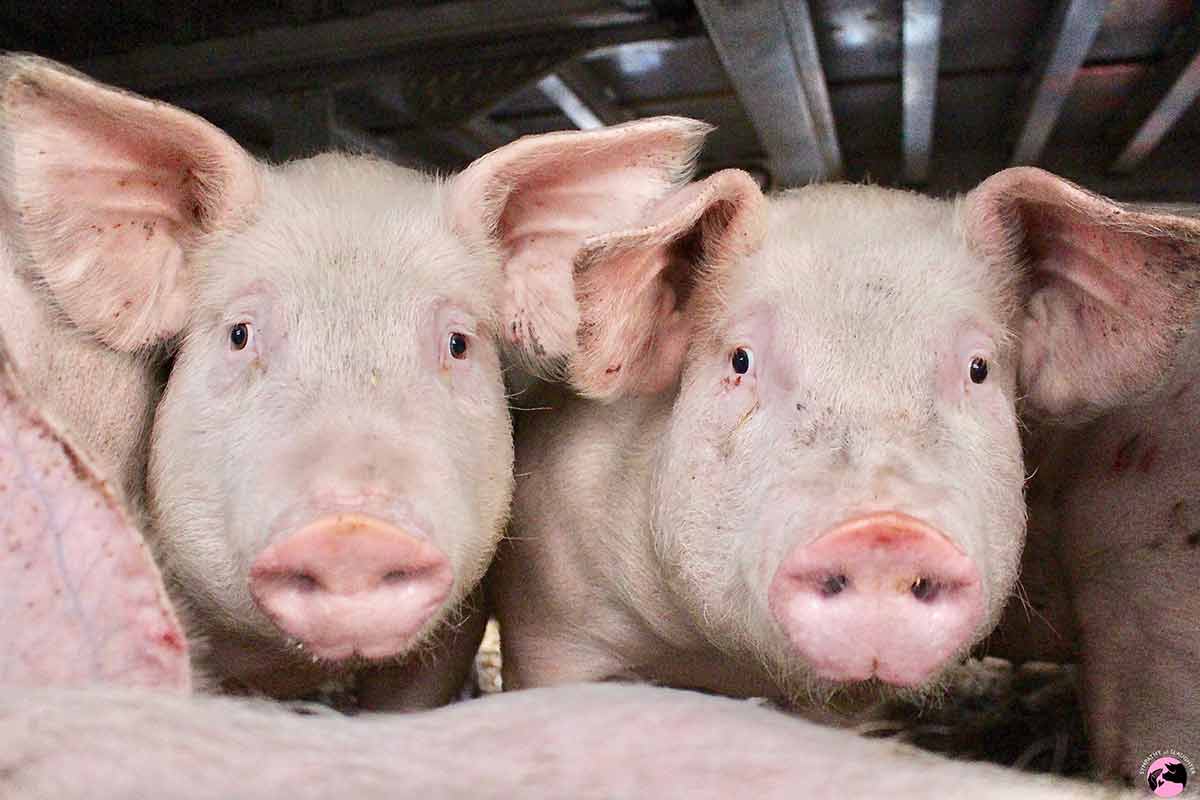
Pigs are particularly vulnerable to temperature fluctuations. Unlike many other mammals, pigs do not have functional sweat glands and possess very little hair to insulate them against the cold. In a moving trailer, the "wind chill effect" is magnified, effectively turning the metal enclosure into a refrigerator or, in summer, an oven. Industry guidelines provided by organizations like the North American Meat Institute (NAMI) recommend the use of "bedding" and "plugging" (covering the trailer slats) during winter months, but these guidelines are often voluntary and inconsistently applied.
The Biology of the Victim: Why Welfare Matters
Central to the ethical argument surrounding this case is the biological and psychological nature of the animals involved. Scientific research has consistently shown that pigs are highly intelligent, sentient beings. Studies have demonstrated that pigs possess cognitive abilities comparable to those of young human children and dogs. They are capable of problem-solving, recognize individual humans and other pigs, and exhibit complex social structures.
Furthermore, pigs are known to experience a wide range of emotions, including fear, anxiety, and empathy. The conditions described in the Clark County case—extreme cold, the inability to move, and the sight of companions dying around them—represent a level of psychological and physical trauma that modern science recognizes as profound. The court’s decision to acknowledge this suffering through a criminal conviction suggests a growing legal recognition of animal sentience and the responsibility of humans to mitigate avoidable pain.
Industry and Advocacy Reactions
The reaction to the verdict has been polarized. Animal advocacy groups, led by PETA, have hailed the conviction as a victory for transparency and accountability. "This ruling sends a clear message to the meat industry: animals are not merely ‘cargo’ that can be frozen or smothered with impunity," a representative for the organization stated. They emphasize that the tip provided in this case was part of a larger effort to monitor transport conditions across the country.
Conversely, some segments of the trucking and agricultural industries have expressed concern regarding the implications for driver liability. Industry spokespeople have argued that drivers often have little control over the timing of shipments dictated by large corporations and may face pressure to complete routes regardless of weather conditions. There are calls for clearer "stop-movement" protocols that would protect drivers from professional retaliation if they refuse to transport livestock during extreme weather alerts.
However, prosecutors in the Ellis case argued that the driver bears the ultimate responsibility for the "load" once it is in transit. The evidence suggested that the risks were known and that the failure to provide even basic protections—such as adequate bedding or choosing to delay the trip—constituted a criminal disregard for the lives of the animals.
Broader Implications for the Future of Food Logistics
The historic nature of this conviction is expected to resonate throughout the agricultural supply chain. Moving forward, insurance companies that provide coverage for livestock haulers may adjust their premiums or requirements, insisting on stricter adherence to weather-related safety protocols to avoid the legal and financial fallout of criminal negligence cases.
Moreover, this case may serve as a catalyst for legislative reform. Several states are already considering bills that would mandate "climate-controlled" or better-insulated transport for livestock, moving away from the open-slat designs that have remained largely unchanged for decades. The Wisconsin verdict provides the legal "teeth" that many advocates argue have been missing from the conversation.
As the meat industry faces increasing scrutiny over its environmental impact and treatment of animals, cases like that of Jerith Dville Kane Ellis highlight the vulnerabilities in the current system. The transition from treating animal death as a statistical inevitability to treating it as a potential crime marks a new era in the intersection of law, ethics, and industry.
For the general public, the case serves as a reminder of the hidden processes involved in food production. While the majority of consumers never see the inside of a livestock trailer, the Clark County ruling has pulled back the curtain on the harsh realities of the highway. The verdict stands not only as a punishment for one individual’s negligence but as a significant marker in the ongoing evolution of animal welfare standards in the United States.

