


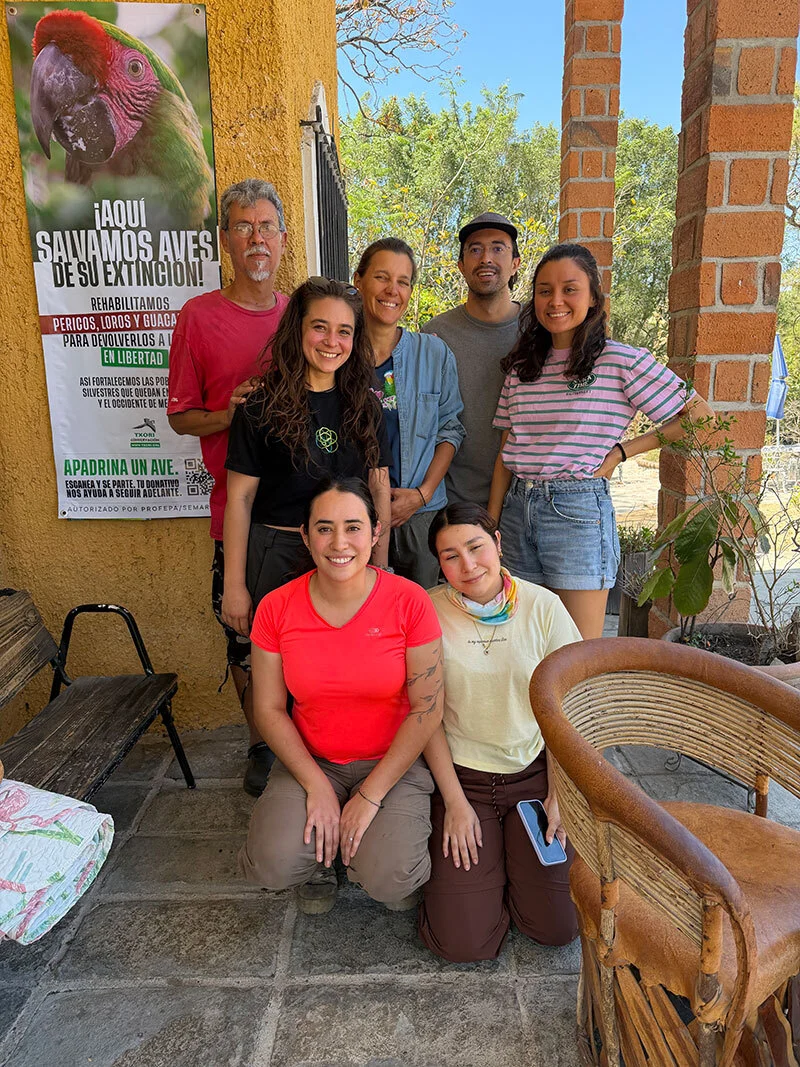
The once vibrant forests of western Mexico, historically teeming with the striking colors and resonant calls of robust wild populations of Military Macaws ( Ara militaris), now tell a different story. Decades of relentless illegal logging, unchecked urban expansion, and a devastating surge in wildlife trafficking have driven these magnificent Psittaciformes to a perilous brink, classifying them as Vulnerable on the IUCN Red List with a high risk of extinction. The sight of a flock of Military Macaws soaring freely in their native habitat has become an increasingly rare and poignant spectacle. However, a significant beacon of hope has emerged from the dedicated efforts of the Txori Foundation, a Mexican conservation organization poised to undertake a monumental reintroduction project.
The Dire State of the Military Macaw: A Species Under Siege
The decline of the Military Macaw, a species characterized by its brilliant green plumage, red forehead, and powerful beak, is a stark indicator of broader ecological crises affecting biodiversity across Central and South America. Historically, Ara militaris ranged from Mexico south to Argentina, inhabiting semi-arid to humid deciduous forests, often found along rivers and in foothills. In Mexico, their strongholds were primarily in the western and southern regions. However, this range has dramatically fragmented and shrunk.
The primary drivers of their precipitous decline are multifaceted and interconnected. Illegal logging, particularly of old-growth tropical hardwoods, strips away critical nesting sites and foraging grounds. These large trees provide the necessary cavities for macaws to lay their eggs and raise their young, and their fruit and seeds form a crucial part of the macaws’ diet. The economic pressures driving this illicit timber trade often outweigh conservation concerns, leading to widespread deforestation. Simultaneously, rapid urban expansion encroaches upon remaining forest patches, creating isolated islands of habitat that are too small or disconnected to support viable macaw populations. Infrastructure development, agriculture, and human settlements fragment biological corridors, preventing gene flow and increasing the macaws’ vulnerability to other threats.
Perhaps one of the most insidious threats is the illegal wildlife trade. Military Macaws, like many other large parrots, are highly sought after in the pet trade due to their striking appearance and ability to mimic sounds. Poachers raid nests, taking chicks, or trap adult birds, often resulting in significant mortality during capture and transport. The demand for these birds, both domestically and internationally, fuels a lucrative black market that decimates wild populations, leaving behind a fragmented demographic structure with few breeding adults. This loss of individuals, especially breeding pairs, severely hampers the species’ natural ability to recover. Experts estimate that hundreds, if not thousands, of macaws are removed from the wild each year through this illicit trade, making it one of the most significant barriers to their survival.
Txori Foundation: Decades of Commitment to Mexican Wildlife
The Txori Foundation, established in 1989, arose from an urgent need to address Mexico’s escalating environmental crises. While the original text contained a slight ambiguity regarding a "century-long commitment," the foundation’s nearly four decades of tireless work unequivocally demonstrate a profound and enduring dedication to wildlife conservation in Mexico. Since its inception, Txori has been at the forefront of protecting endangered species and their habitats, operating under the principle that local action can yield global impact. Their comprehensive approach often involves habitat restoration, anti-poaching initiatives, community engagement, and direct species rehabilitation.
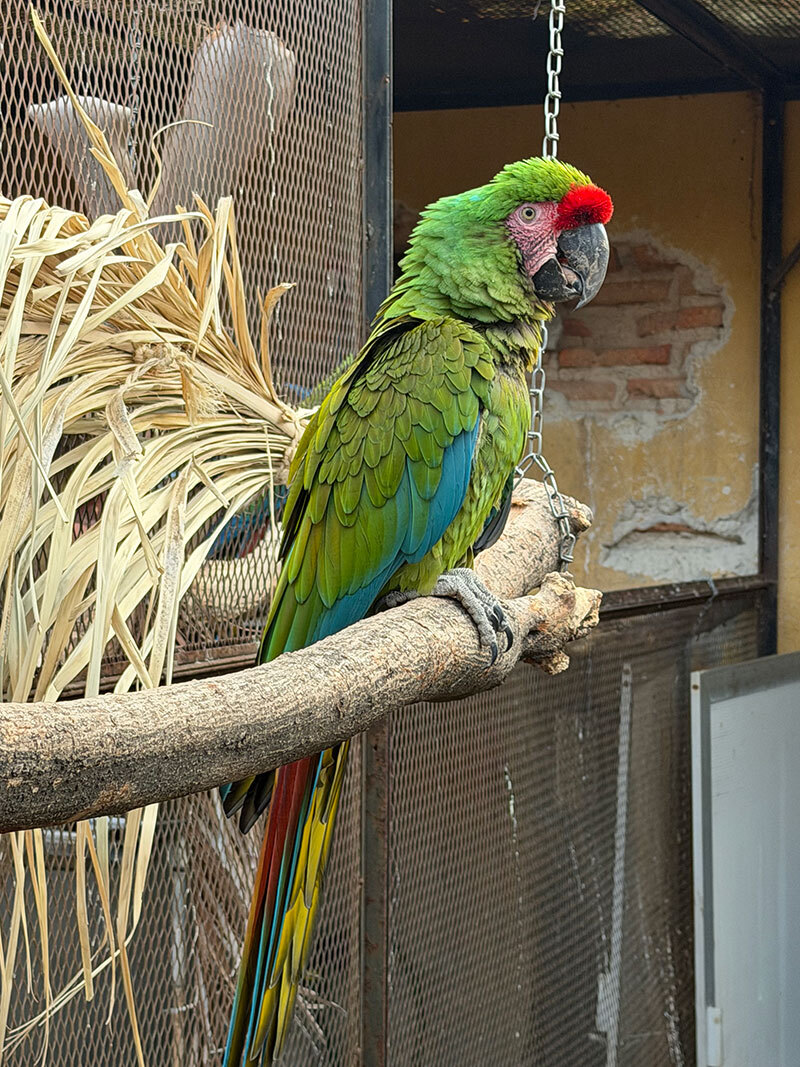
Currently, the foundation’s most critical and ambitious mission revolves around a carefully selected flock of 16 Military Macaws residing at their state-of-the-art sanctuary. These birds represent a genetic reservoir and a tangible hope for the species’ future in the wild. Each individual in this flock is undergoing an intensive and meticulously planned preparation regimen, designed to equip them with the essential survival skills necessary for a successful return to their ancestral home.
The Rigorous Path to Reintroduction: Preparing for Freedom
The journey from sanctuary to the wild is fraught with challenges, requiring an extraordinary level of expertise and dedication. A specialized, multidisciplinary team orchestrates the daily rehabilitation of these 16 macaws. This passionate network of professionals includes:
- Veterinary Specialists: Ensuring optimal health, diagnosing and treating any ailments, and administering preventative care vital for wild animals.
- Avian Behaviorists: Designing enrichment programs that stimulate natural foraging, flight, and social behaviors, crucial for adapting to the complexities of the wild.
- Nutritionists: Crafting diets that mimic natural food sources found in their future habitat, gradually transitioning them away from captivity-based diets.
- Field Biologists: Conducting ecological assessments of potential release sites, monitoring habitat quality, and identifying potential threats or resources.
- Conservation Educators: Engaging local communities to foster understanding and support for the macaws, mitigating potential human-wildlife conflict.
- Aviary Technicians: Providing daily care, monitoring individual progress, and maintaining the sanctuary environment.
The rehabilitation process is comprehensive, focusing on several key areas. Flight conditioning is paramount, with macaws encouraged to fly long distances within large enclosures to build strength and stamina. Foraging skills are honed through hidden food sources and naturalistic presentations, teaching them to identify and extract food from the environment. Predator recognition and avoidance training, often involving simulations or exposure to alarm calls, are critical for survival. Social dynamics within the flock are also carefully managed, ensuring the birds form cohesive units that can navigate the challenges of the wild together. The ultimate objective of this massive and collaborative effort is not merely to release birds, but to reintroduce a self-sustaining population back into their original biological corridors. This strategic re-establishment aims to naturally repopulate the species, sparking a genuine and enduring recovery for Mexico’s embattled wild macaw populations.
The Countdown to March 2027: A Vision of Return
The grand release of these 16 Military Macaws is tentatively scheduled for March 2027, a date chosen to align with optimal environmental conditions for their acclimatization and survival. This timeline allows for the full completion of the rehabilitation program, ensuring each bird is maximally prepared for its new life in the wild. The specific month of March is often favorable due to emerging food sources and stable weather patterns, reducing immediate stressors on the newly released birds.
However, as a privately funded conservation project, the Txori Foundation confronts the continuous and formidable challenge of securing steady financial resources. Conservation work, especially involving large, long-lived species like macaws, is inherently expensive and requires sustained investment. Before the aviary doors can open to grant these macaws their freedom, the Foundation must achieve its ambitious fundraising goals to cover a range of essential, non-negotiable costs. These critical expenditures include:
- Ongoing Veterinary Care and Health Monitoring: Regular check-ups, diagnostic tests, and any necessary medical interventions to ensure the birds are in peak condition for release.
- Specialized Feed and Nutritional Supplements: Providing a high-quality, diverse diet that mimics their natural intake, preparing their digestive systems for wild foods.
- Aviary Maintenance and Upgrades: Ensuring the sanctuary enclosures remain secure, stimulating, and conducive to rehabilitation.
- Post-Release Monitoring Equipment: Equipping birds with lightweight, solar-powered GPS trackers or radio transmitters to track their movements, assess survival rates, and identify areas for future conservation efforts. This is crucial for evaluating the success of the reintroduction.
- Field Staff Salaries and Training: Supporting the dedicated team of biologists, veterinarians, and conservationists who will oversee the release and conduct post-release monitoring.
- Habitat Protection and Restoration: Investing in initiatives to secure and improve the quality of the designated release sites, including anti-poaching patrols and community-led reforestation projects.
- Community Engagement and Education Programs: Developing and implementing initiatives to educate local communities about the importance of macaws and foster their support for conservation, reducing the risk of human-wildlife conflict or poaching.
The fundraising target is not merely about facilitating a single release; it’s about building a sustainable framework for long-term conservation.
A Second Chance for More Rescues: Expanding the Circle of Life
The profound impact of the March 2027 release extends far beyond the fate of these initial 16 birds. The successful reintroduction of this flock into the wild will create critical, much-needed space within the Txori Foundation’s sanctuary. This newly available aviary space is not just empty cages; it represents a lifeline for a new wave of birds.
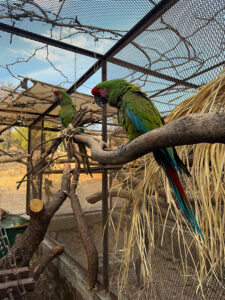
The Txori Foundation plans to utilize this capacity to take in additional macaws that have been victims of the illegal wildlife trade, abuse, or habitat destruction. These birds, often arriving in poor health, traumatized, or with behavioral issues stemming from their captivity, require extensive rehabilitation. By freeing up space, the foundation can offer more macaws the comprehensive care, medical treatment, and behavioral therapy they deserve, providing them with their own eventual "ticket back to the wild." This cyclical model of rescue, rehabilitation, and release is fundamental to scaling up conservation efforts and addressing the ongoing challenges posed by wildlife trafficking.
Broader Implications and a Call to Action
The Txori Foundation’s Military Macaw reintroduction project carries significant implications for both local ecosystems and global conservation strategies. From an ecological perspective, the return of a healthy macaw population can have a cascading positive effect. As significant seed dispersers, macaws play a crucial role in forest regeneration and maintaining plant diversity. Their presence can signal a healthier ecosystem, encouraging the return of other species and bolstering the overall resilience of the Mexican forests.
Furthermore, this project serves as a vital case study and a model for future reintroduction efforts for other endangered species. Its success will provide invaluable data and best practices for avian conservation, demonstrating the efficacy of multidisciplinary rehabilitation programs and the importance of sustained community engagement. It highlights the potential for collaboration between scientific expertise, local communities, and philanthropic support to reverse biodiversity loss.
The road to conservation is undeniably challenging, marked by financial hurdles, ecological complexities, and socio-economic pressures. However, the Txori Foundation remains deeply encouraged by the community’s growing interest and willingness to collaborate. Public awareness and financial support are the bedrock of such ambitious projects. By supporting these dedicated efforts, parrot enthusiasts and conservation-minded individuals alike can play a direct and tangible role in bringing the vibrant calls and soaring beauty of the Military Macaw back to the Mexican skies.
This month, Lafeber Company has made a significant donation to aid these macaws in their preparation for release back into their native habitat, demonstrating corporate commitment to conservation. The Txori Foundation urges individuals and organizations to join this critical mission. Spreading awareness about the upcoming March 2027 release through social media and personal networks is invaluable. Additionally, direct financial contributions to the Txori Foundation are crucial to meeting their fundraising goals and ensuring that these magnificent birds get their second chance at freedom. Every contribution, no matter its size, brings the dream of wild Mexican macaws closer to reality.

