


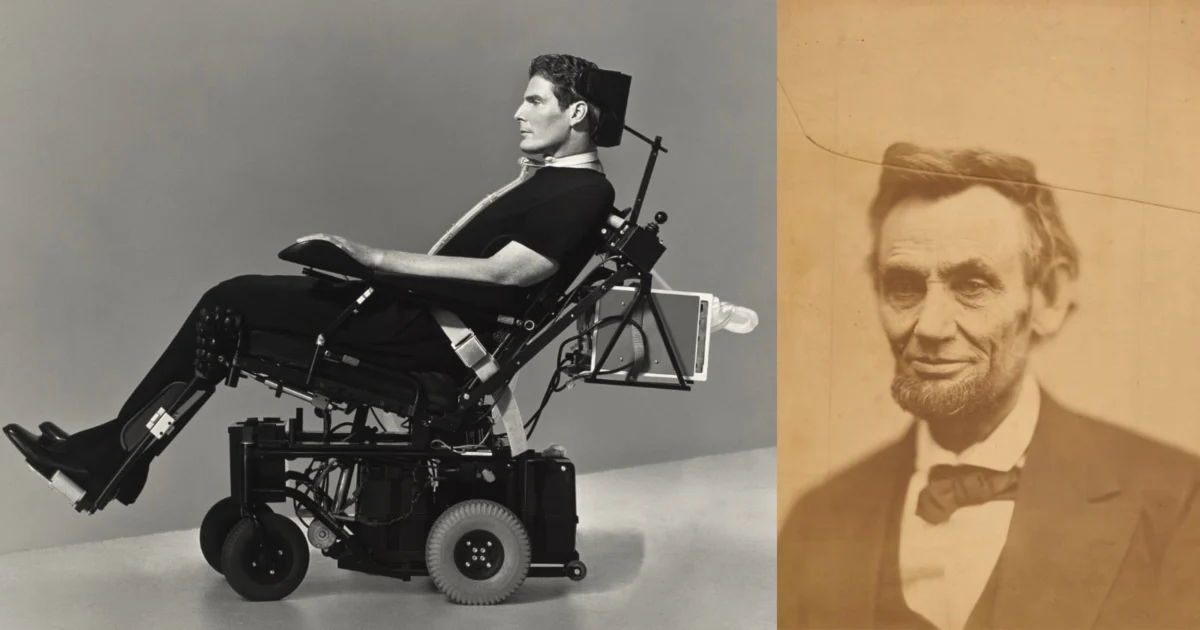
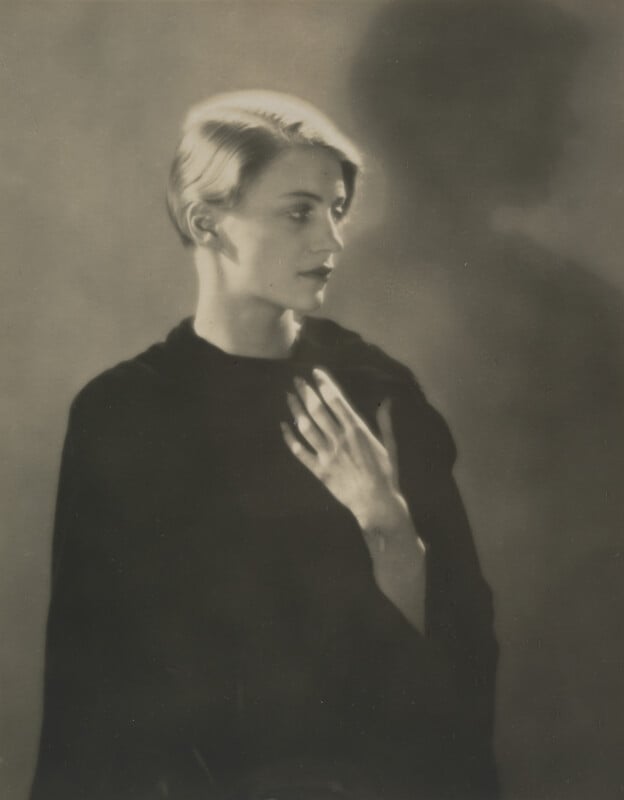
The Smithsonian’s National Portrait Gallery is preparing to mark a significant milestone in its institutional history: the 50th anniversary of its photography department. Beginning November 14, 2026, the museum will debut Photographic Memory: Fifty Years of Collecting, an expansive exhibition designed to trace the evolution of the camera as a tool for documenting the American experience. Featuring more than 120 portraits drawn from the museum’s extensive archives, the exhibition offers a comprehensive look at how photographic technology and artistic intent have intersected to define the faces of U.S. culture.
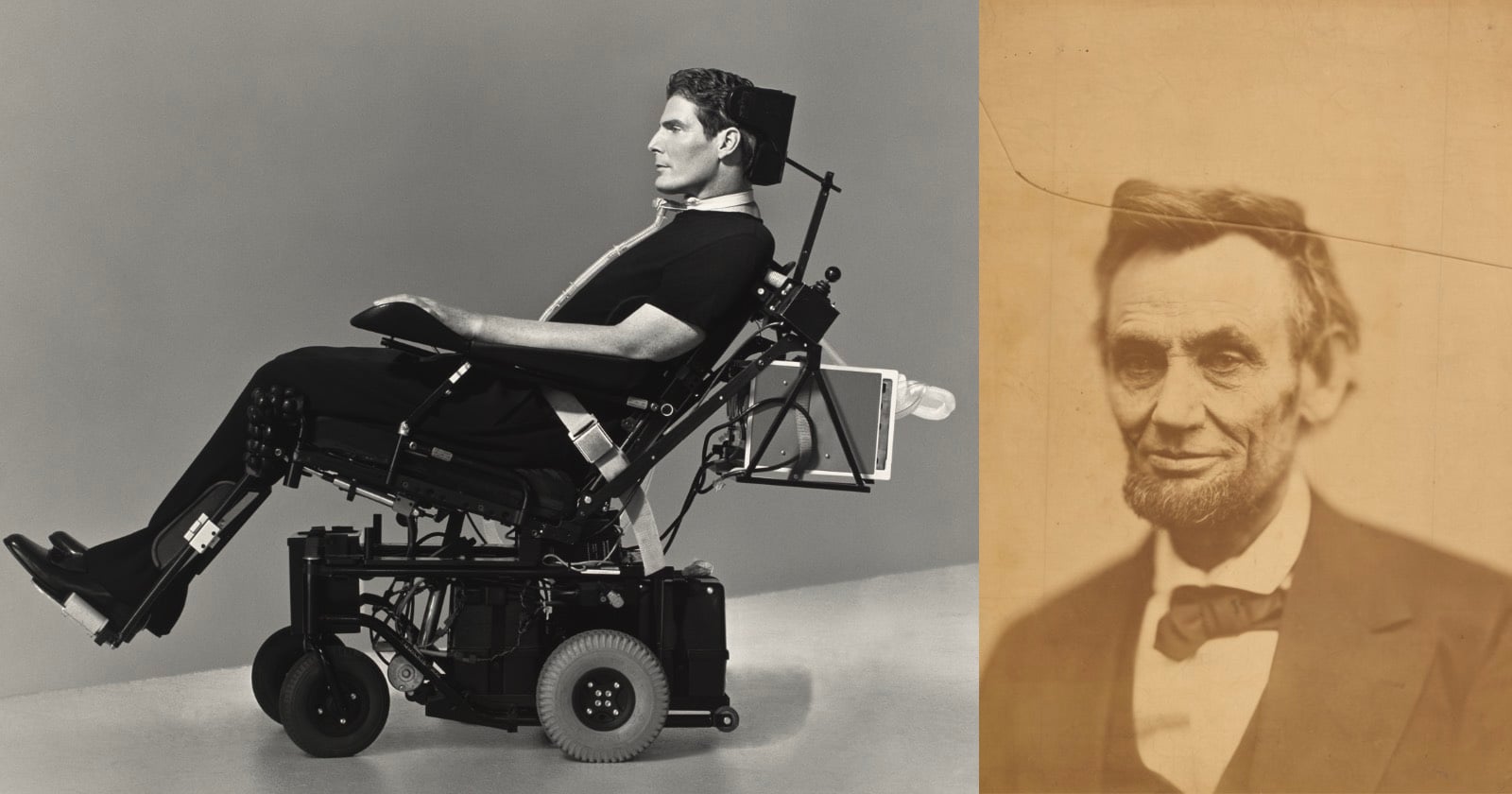
Since the establishment of the photography collection in 1976, the medium has grown to represent nearly half of the National Portrait Gallery’s total holdings. This shift transformed the institution from a traditional repository of paintings and sculptures into a dynamic archive of the modern era, capturing the likenesses of figures who otherwise might have been excluded from the historical record due to the limitations of traditional portraiture.
A Chronology of Vision: From Daguerreotypes to Digital
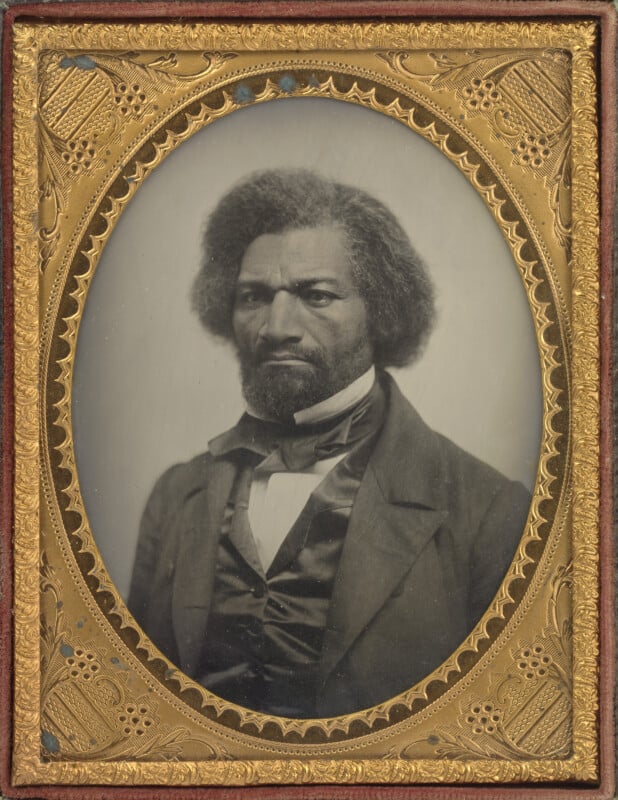
The exhibition, curated by Ann Shumard, the museum’s senior curator of photographs, is organized chronologically to provide visitors with a clear understanding of the technological trajectory of the medium. The narrative begins in the early 19th century, exploring the Daguerreian era—a period defined by long exposure times and delicate, mirror-like metal plates.
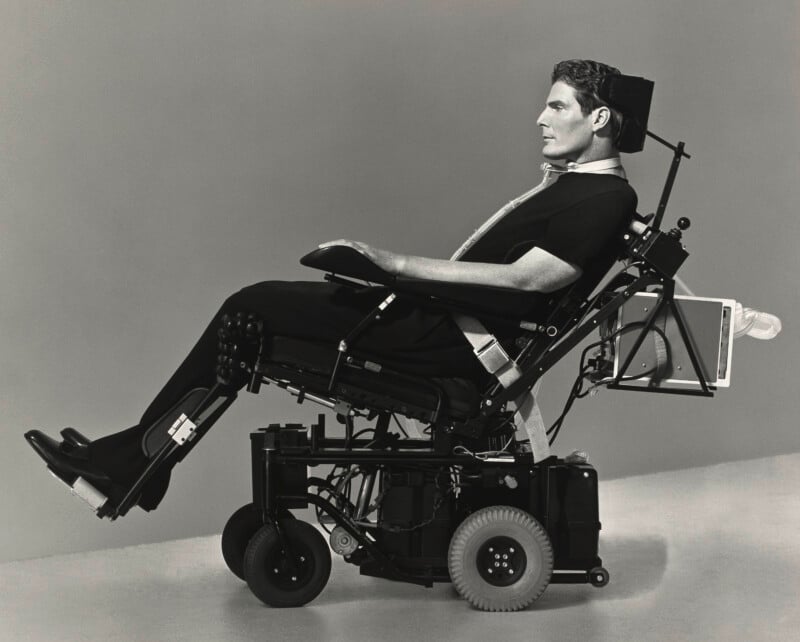
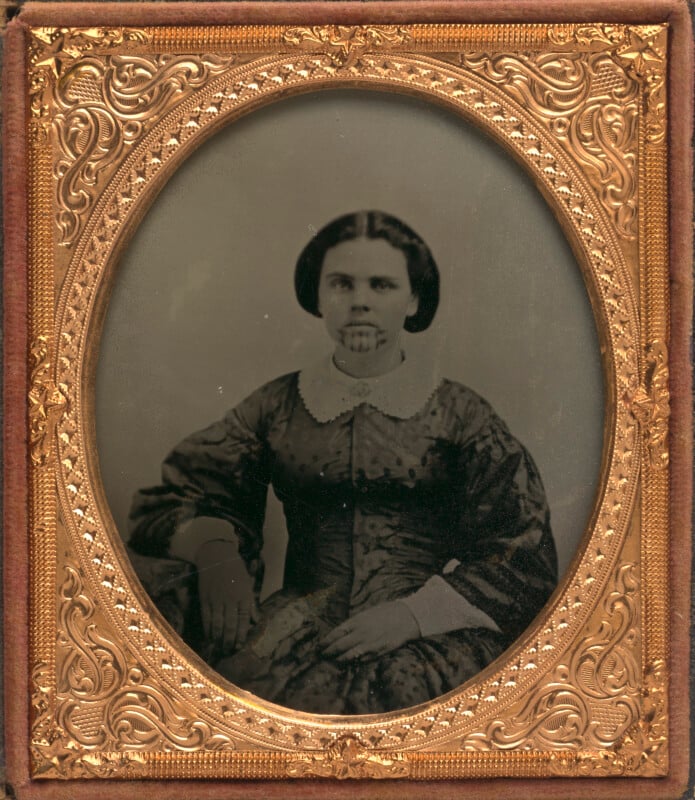
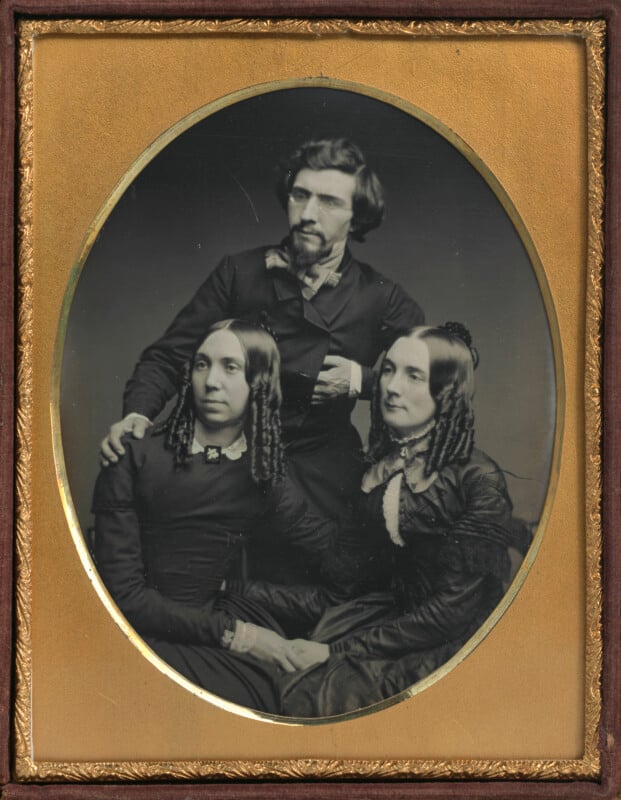
An introductory timeline within the gallery space will serve as a guide for viewers, detailing the chemical and mechanical innovations that allowed photography to progress from a scientific curiosity to a primary vehicle for mass communication. This timeline tracks the transition from the mid-19th-century daguerreotype and ambrotype processes to the later widespread adoption of film-based gelatin silver prints and, eventually, the digital revolution. By placing these processes side-by-side, the exhibition highlights not only the evolution of the craft but also the changing relationship between the photographer, the subject, and the viewing public.
Significant Acquisitions and Historic Pairings
A centerpiece of the exhibition is the inclusion of the 1846 quarter-plate daguerreotype of Dolley Madison, captured by John Plumbe Jr. Acquired by the museum in July 2024, this portrait has remained largely unseen by the general public until now. Its debut is particularly notable for its placement alongside an 1843 half-plate daguerreotype of President John Quincy Adams.
This juxtaposition represents a rare historical convergence: it is the first time the earliest known photographs of a U.S. president and a U.S. first lady have been displayed in tandem. The pairing underscores the National Portrait Gallery’s commitment to preserving the earliest visual records of the American executive branch, providing a stark, intimate look at leaders who existed at the dawn of the photographic age.
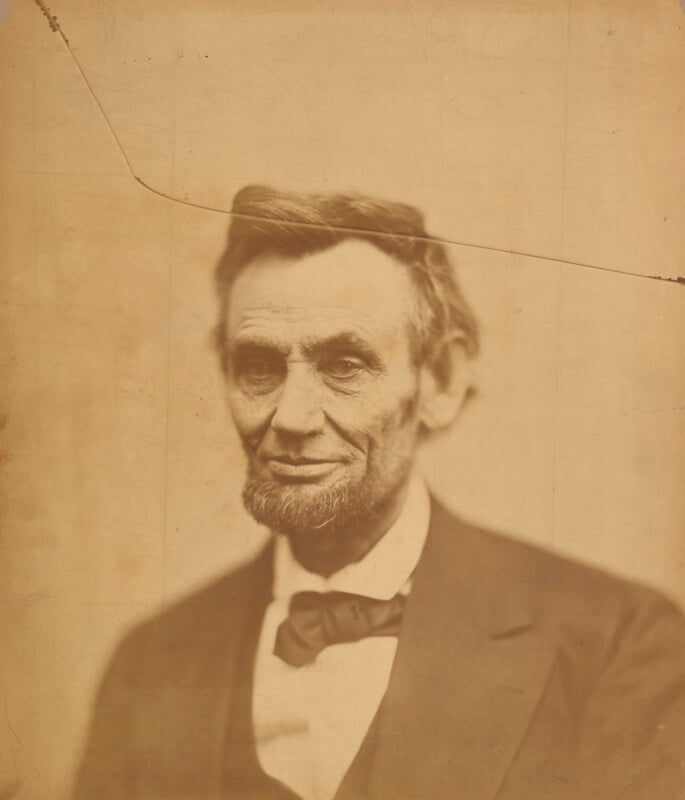
The exhibition also highlights iconic pieces from the collection, such as Alexander Gardner’s famous “cracked-plate” portrait of Abraham Lincoln, an image that has become synonymous with the weight of the Civil War. Furthermore, it showcases the work of Julia Margaret Cameron, specifically her portrait of poet Henry Wadsworth Longfellow, and rare cabinet-card photographs that document the lives of trailblazers like Ida B. Wells-Barnett and Ko K’un-hua.
The Scope of the Collection
The National Portrait Gallery’s mandate to collect photography was formalized during the U.S. Bicentennial in 1976. This decision was a response to the democratic potential of the camera. Unlike oil paintings, which were often reserved for the wealthy or the politically elite, photography allowed the museum to expand its scope. It captured the likenesses of athletes, civil rights leaders, activists, and artists who were previously underrepresented in the museum’s permanent collection.
The exhibition features works by some of the most influential photographers in history, including:
- Mathew Brady: Known for his documentation of the Civil War.
- Alfred Stieglitz and Edward Steichen: Pioneers who elevated photography to a fine art form.
- Dorothea Lange: Renowned for her poignant imagery during the Great Depression.
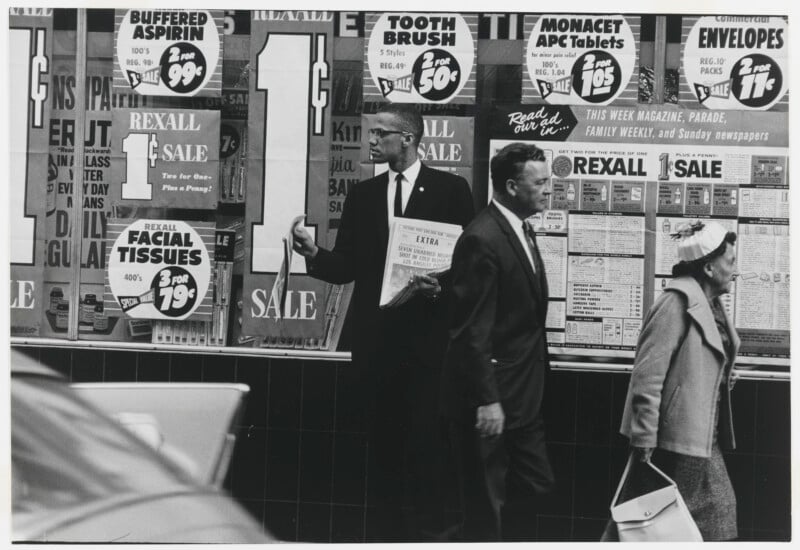
- Gordon Parks: Whose 1963 portrait of Malcolm X remains a defining image of the 20th century.
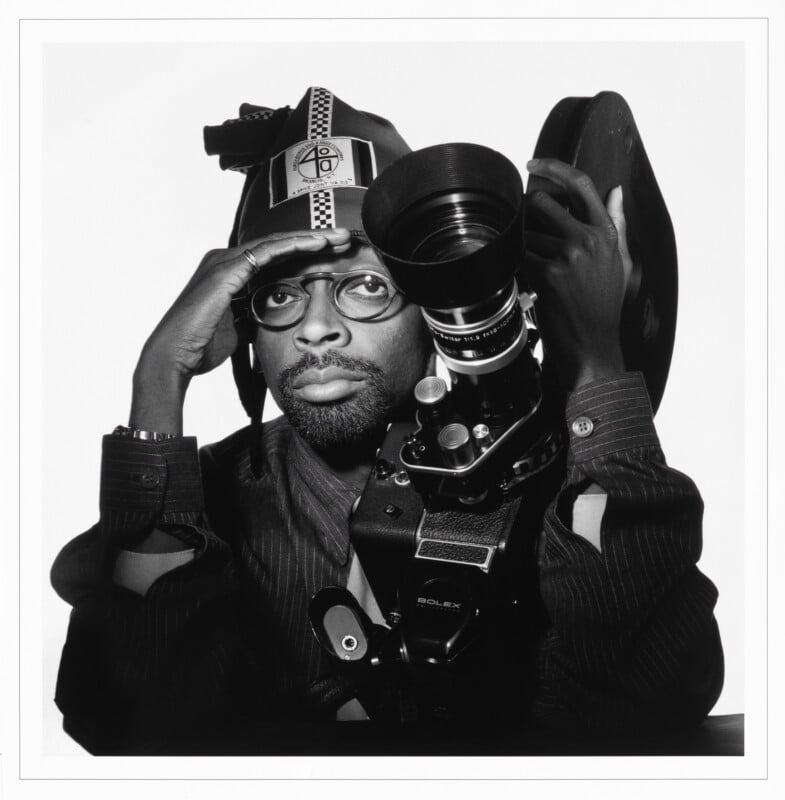
- Modern Masters: Including Richard Avedon, Diane Arbus, Irving Penn, and Annie Leibovitz.
These selections illustrate the diversity of the collection, ranging from the formal studio portraits of the 19th century to the more spontaneous, candid journalistic styles of the post-war era.
Analysis: The Impact of Photographic Documentation
The influence of the National Portrait Gallery’s photography collection extends beyond simple preservation; it functions as a visual index of American identity. By prioritizing photography, the museum has successfully bridged the gap between historical figures and contemporary audiences.
The inclusion of portraits such as Genevieve Naylor’s 1957 image of tennis champion Althea Gibson or Philippe Halsman’s 1954 portrait of Lena Horne demonstrates how the museum uses the medium to highlight cultural shifts. The presence of these images within a national institution provides a level of validation to the contributions of these individuals, cementing their roles in the national narrative.
Furthermore, the technological variety on display—from glycerine-developed platinum prints to contemporary inkjet prints—serves as a reminder of the physical fragility of these records. The museum’s ongoing efforts in conservation are essential, as many early photographic processes are susceptible to environmental degradation. By maintaining these artifacts, the gallery preserves the very fabric of American memory.
Institutional Strategy and Future Outlook
The decision to dedicate a full year to this exhibition—running from November 14, 2026, through November 7, 2027—reflects the importance the Smithsonian places on its photographic holdings. As the museum moves toward the end of its first half-century of collecting, the exhibition acts as both a retrospective and a forward-looking statement.
While the exhibition is grounded in the past, it also prompts a broader conversation about the future of portraiture in an era dominated by digital algorithms and artificial intelligence. The curators have ensured that the focus remains on the human element, emphasizing that while the tools of photography have evolved, the core purpose—to capture the essence of an individual—remains constant.
The National Portrait Gallery, by curating this collection, invites visitors to consider the role of the photograph as a historical document. In an age of ephemeral digital media, the physical prints, plates, and daguerreotypes in the exhibition offer a sense of permanence. They are not merely photographs; they are tangible links to the individuals who helped forge the nation.
Visitor Information and Context
Photographic Memory: Fifty Years of Collecting will be located on the second floor of the National Portrait Gallery in Washington, D.C. The exhibition is expected to draw significant interest from historians, art enthusiasts, and educators, given its focus on the intersection of technology and sociology.
By grounding the exhibition in rigorous historical research and careful selection, the Smithsonian ensures that the narrative of the last 50 years of collecting is both accessible and educational. For those unable to visit the gallery in person, the Smithsonian has traditionally provided robust digital resources, and it is expected that the museum will offer an accompanying catalog detailing the technical specifications and historical background of the 120-plus portraits on display.
As the museum looks toward its next 50 years, the Photographic Memory exhibition stands as a testament to the power of the portrait. It reminds the public that the history of a nation is not just found in policy papers or battlefield reports, but in the faces of the people who lived it, witnessed it, and changed it. The exhibition is a celebration of the camera as a witness to history, a tool that has successfully transformed the way we remember our collective past.

