


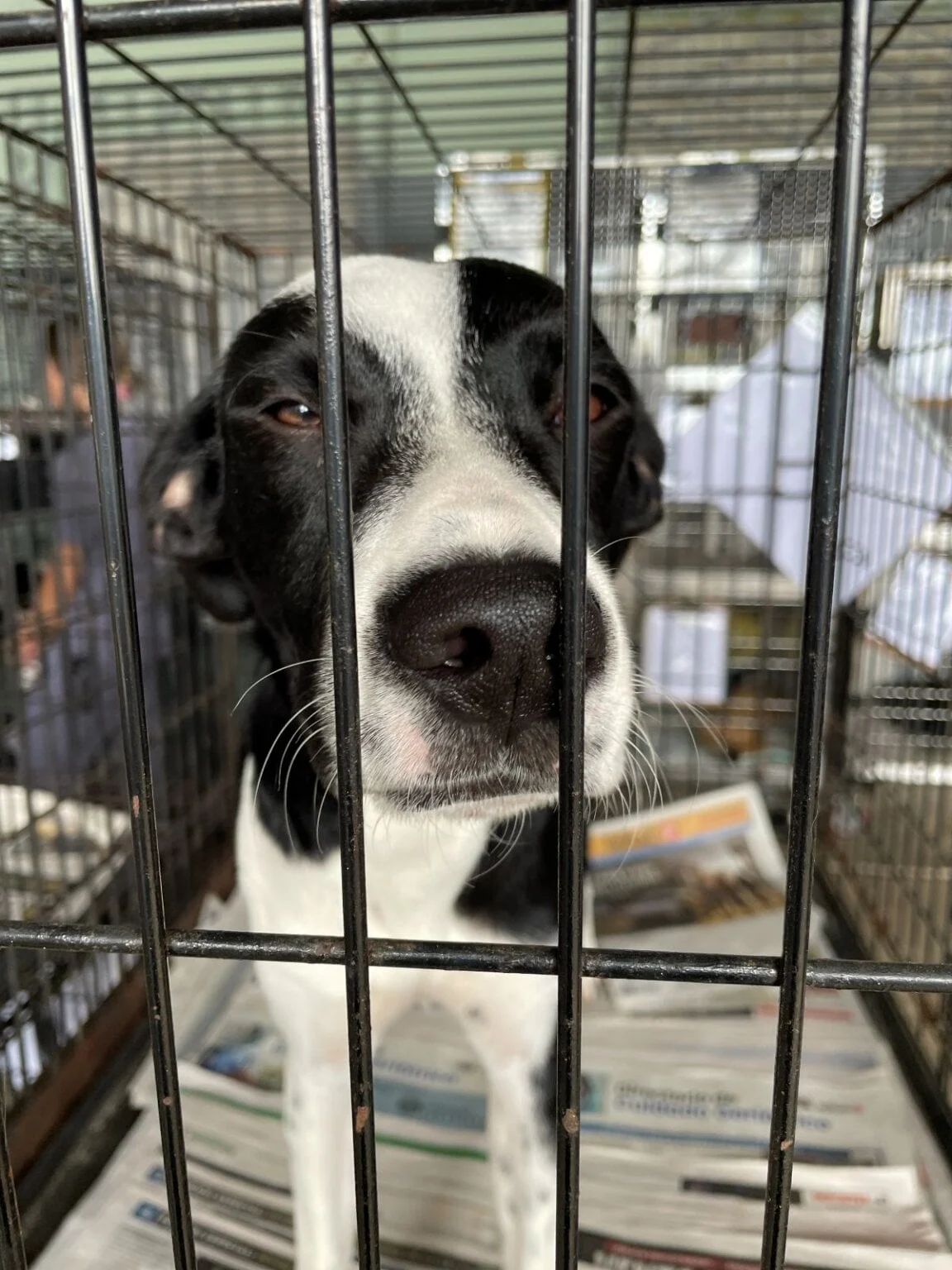
The early morning hours in Puerto Rico are often characterized by the humid tropical air and the waking sounds of the island’s vibrant ecosystem, but on a recent morning, the silence was broken by a different sound: the quiet murmur of hundreds of residents lining up before dawn. These individuals, many of whom had traveled from distant municipalities, were not waiting for a commercial opening or a government service, but for a rare opportunity to provide essential medical care for their companion animals. This gathering marked the commencement of the fifth high-volume spay and neuter clinic organized by PETA Latino in partnership with the Humane Society of Puerto Rico, a critical intervention aimed at addressing one of the most persistent animal welfare challenges in the Caribbean.
The two-day marathon event was designed to provide free veterinary services to a community where such care is often financially or geographically inaccessible. For the veterinarians, technicians, and volunteers who traveled thousands of miles to staff the clinic, the event was an exhausting testament to the power of collaborative compassion. Working in a temporary facility converted into a high-efficiency surgical suite, the team labored through 18-hour shifts to ensure that every animal brought to their doors received professional attention. By the end of the second day, the clinic had successfully performed more than 215 spay and neuter surgeries and administered life-saving vaccinations, bringing the cumulative total of animals helped through this specific partnership to nearly 1,100.
The Context of Puerto Rico’s Animal Overpopulation Crisis
To understand the significance of this clinic, one must look at the broader socio-economic and environmental landscape of Puerto Rico. The island has long struggled with a severe overpopulation of "satos" (street dogs) and stray cats. Estimates from local animal welfare groups suggest that there are hundreds of thousands of roaming animals across the territory. This crisis is exacerbated by several factors, including a lack of accessible low-cost veterinary services, a high poverty rate that prevents families from prioritizing pet sterilization, and the lingering effects of natural disasters.
Following the devastation of Hurricane Maria in 2017 and Hurricane Fiona in 2022, the island’s animal infrastructure suffered significant setbacks. Shelters were destroyed, and many residents, forced to flee their homes or facing total economic loss, were unable to take their pets with them. This led to a surge in abandoned animals, which, when left unsterilized, contributed to an exponential increase in the stray population. In a tropical climate where breeding cycles occur year-round, the math of overpopulation is relentless. A single pair of unsterilized dogs and their offspring can theoretically produce thousands of descendants in just a few years, creating a cycle of suffering that local municipalities are often unequipped to handle.
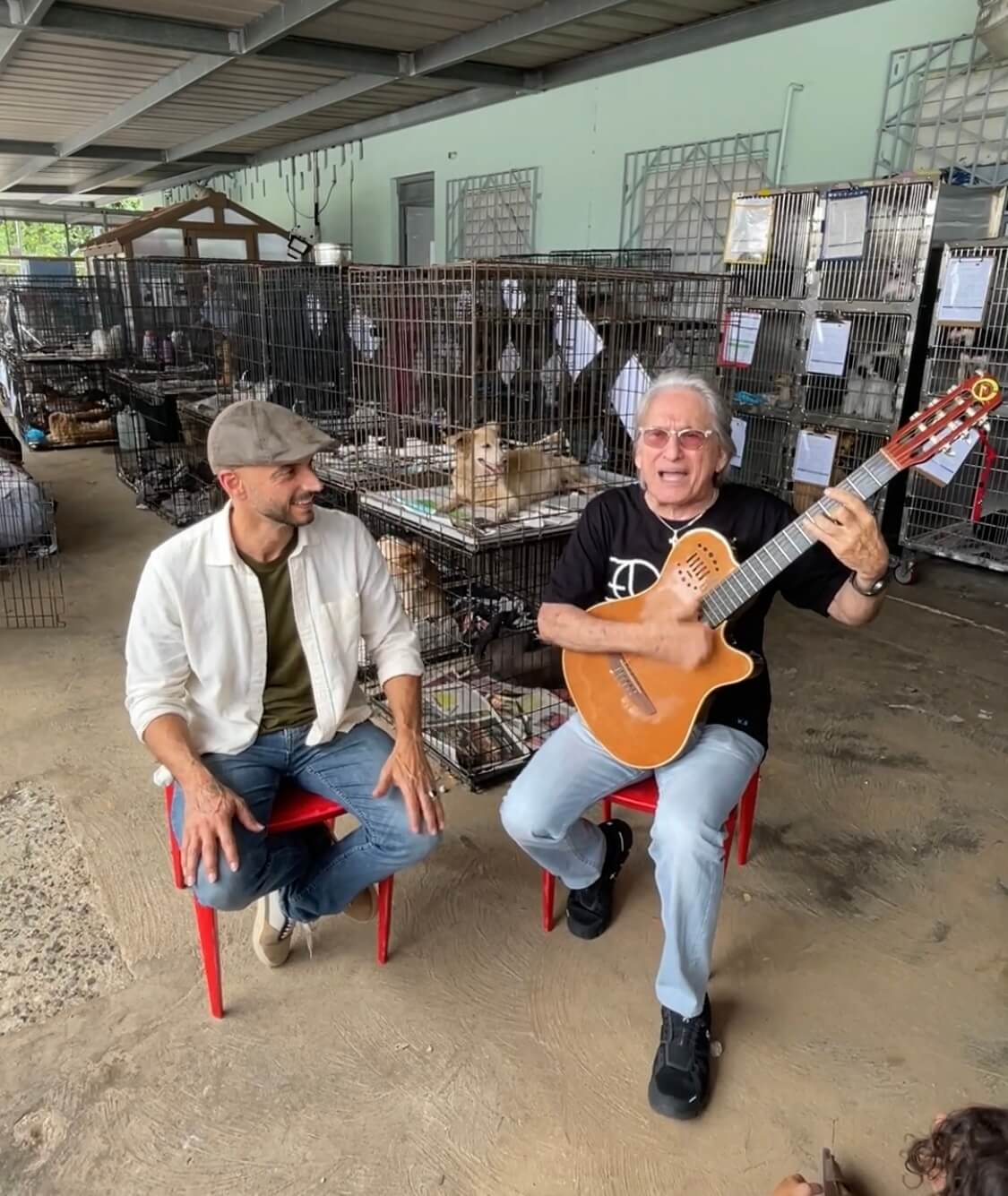
A Chronology of the Two-Day Medical Mission
The clinic’s operations began long before the first incision was made. Months of logistical planning involved PETA Latino, the Humane Society of Puerto Rico, and international donors to secure medical supplies, surgical equipment, and the necessary permits to operate a large-scale temporary clinic.
On the first day, the team arrived at the site while the stars were still visible. Outside, the line of pet guardians stretched around the block. Many had brought their animals in improvised carriers or on sturdy leashes, expressing a mix of exhaustion and relief. For many of these families, the clinic represented the only way to prevent their pets from contributing to the island’s stray population or to protect them from common but preventable diseases.
Inside the clinic, the workflow was a model of medical efficiency. The process began with intake and triage, where each animal was weighed and given a preliminary health assessment. From there, animals moved to the prep station for anesthesia and then to the surgical tables. The surgeons, experienced in high-volume techniques, worked with precision to minimize anesthesia time and ensure rapid recovery.
The first day extended deep into the night, lasting nearly 18 hours. The medical staff did not limit their work to sterilization; they addressed the immediate needs of the animals on the table. This included treating painful eye infections, administering flea and tick preventative medication, and providing vaccinations against rabies and distemper. For many of the dogs and cats, this was the first time they had ever been examined by a licensed veterinarian.
On the second day, the momentum continued. The recovery area was a sea of blankets and heating pads where volunteers monitored animals as they woke from anesthesia. The emotional weight of the event was palpable as owners were reunited with their pets, receiving instructions on post-operative care and a supply of food and medicine to take home.
The Role of Cultural Advocacy: A Concert of Compassion
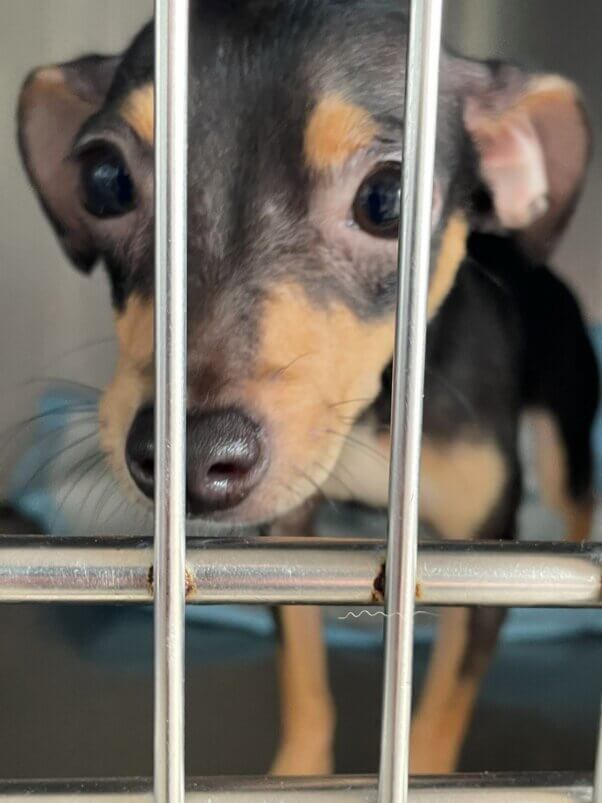
A unique element of this fifth clinic was the involvement of prominent Puerto Rican cultural figures, who used their platforms to highlight the importance of animal welfare. Latin Grammy-winning artist Sie7e and the legendary musician José Nogueras visited the clinic to observe the operations and show their support for the medical team and the pet guardians.
The presence of these artists served a dual purpose: it provided a morale boost to the exhausted staff and helped to destigmatize the process of spaying and neutering in a culture where some may still hold reservations about the procedure. The artists toured the facility, spoke with families in the waiting area, and even observed a surgery to better understand the technical demands of the mission.
In a poignant moment of levity during the recovery phase, Sie7e and Nogueras performed several songs for the staff and attendees. This "Concert of Compassion" included an impromptu song inspired by the "satos" of Puerto Rico and the tireless efforts of PETA Latino. By framing animal welfare as a matter of national pride and community responsibility, these advocates helped bridge the gap between medical necessity and cultural acceptance.
Supporting Data and Financial Logistics
The success of the clinic was underpinned by the PETA Global Compassion Fund and the Lola Fund. The Global Compassion Fund is a specialized initiative that provides emergency relief and long-term veterinary infrastructure in areas of the world where animals are most in need. In Puerto Rico, the fund covers the cost of surgical supplies, medications, transportation for staff, and the logistical overhead of setting up a sterile environment in a non-traditional space.
The data from these clinics suggests a significant impact on the local community. By sterilizing 215 animals in a single weekend, the clinic effectively prevented thousands of future births that would have likely resulted in more animals living on the streets, suffering from malnutrition, or being euthanized in overcrowded shelters. Furthermore, the administration of vaccinations serves a public health function, reducing the risk of zoonotic diseases that can pass from animals to humans.
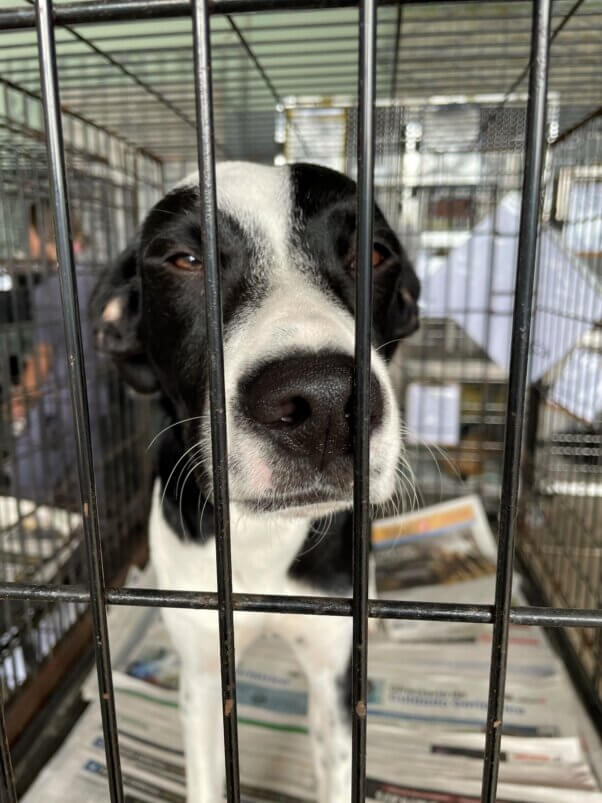
Analysis of Implications and Future Outlook
The partnership between PETA Latino and the Humane Society of Puerto Rico serves as a blueprint for how international NGOs can collaborate with local organizations to create sustainable change. While emergency clinics are vital, the long-term goal is to shift the paradigm of animal care on the island toward a more proactive, prevention-based model.
The implications of these high-volume clinics extend beyond the individual animals treated. They provide data to local government officials regarding the high demand for these services, potentially influencing future public policy and funding for municipal animal control. When 1,100 animals are sterilized through a series of five clinics, the "herd immunity" against overpopulation begins to take root in specific neighborhoods, leading to fewer complaints of aggressive strays and a reduction in the carcasses found on roadways.
However, the challenge remains immense. The medical team noted that the need for veterinary care continues to outpace the current supply of free or low-cost services. The high turnout at every clinic hosted so far indicates that the problem is not a lack of care or concern from Puerto Rican pet owners, but rather a systemic lack of resources.
Conclusion
As the fifth clinic drew to a close and the final crates were packed, the impact of the weekend’s work was visible in the quieted streets and the relieved faces of the community members. The collaboration between PETA Latino, the Humane Society of Puerto Rico, and the generous donors of the Global Compassion Fund has proven that while the overpopulation crisis is daunting, it is not insurmountable.
The music of Sie7e and José Nogueras may have faded, but the mission continues. Each sterilized animal represents a break in the cycle of abandonment and suffering. As PETA Latino prepares for future clinics, the focus remains on providing a voice for the voiceless and ensuring that the animals of Puerto Rico are no longer left to fend for themselves in the shadows of the island’s beauty. The success of this marathon event serves as both a celebration of what has been achieved and a somber reminder of the work that still lies ahead in the quest for a more compassionate Puerto Rico.

