


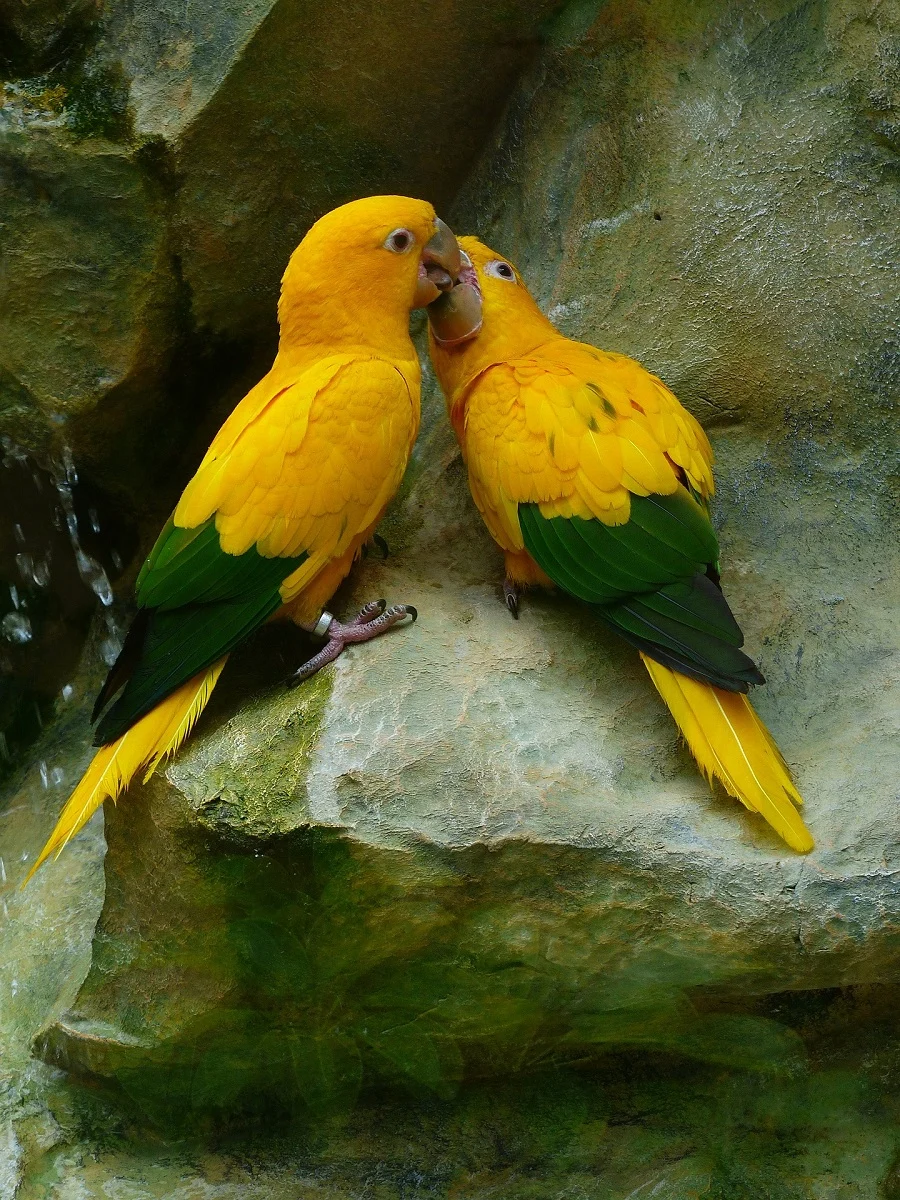
For those contemplating the addition of an avian companion to their household, the Golden Conure, a resplendent member of the parrot family, often captures immediate attention. Renowned for its vivid, uniform golden plumage, this species stands out as one of the most aesthetically striking parrots globally. However, beyond its captivating beauty lies a complex creature with specific needs and a vulnerable status in its natural habitat, necessitating a thorough understanding before considering it as a pet. This article delves into the multifaceted aspects of the Golden Conure, exploring its biology, natural history, conservation challenges, and the intricate demands of its care in captivity.
Description and Unique Characteristics
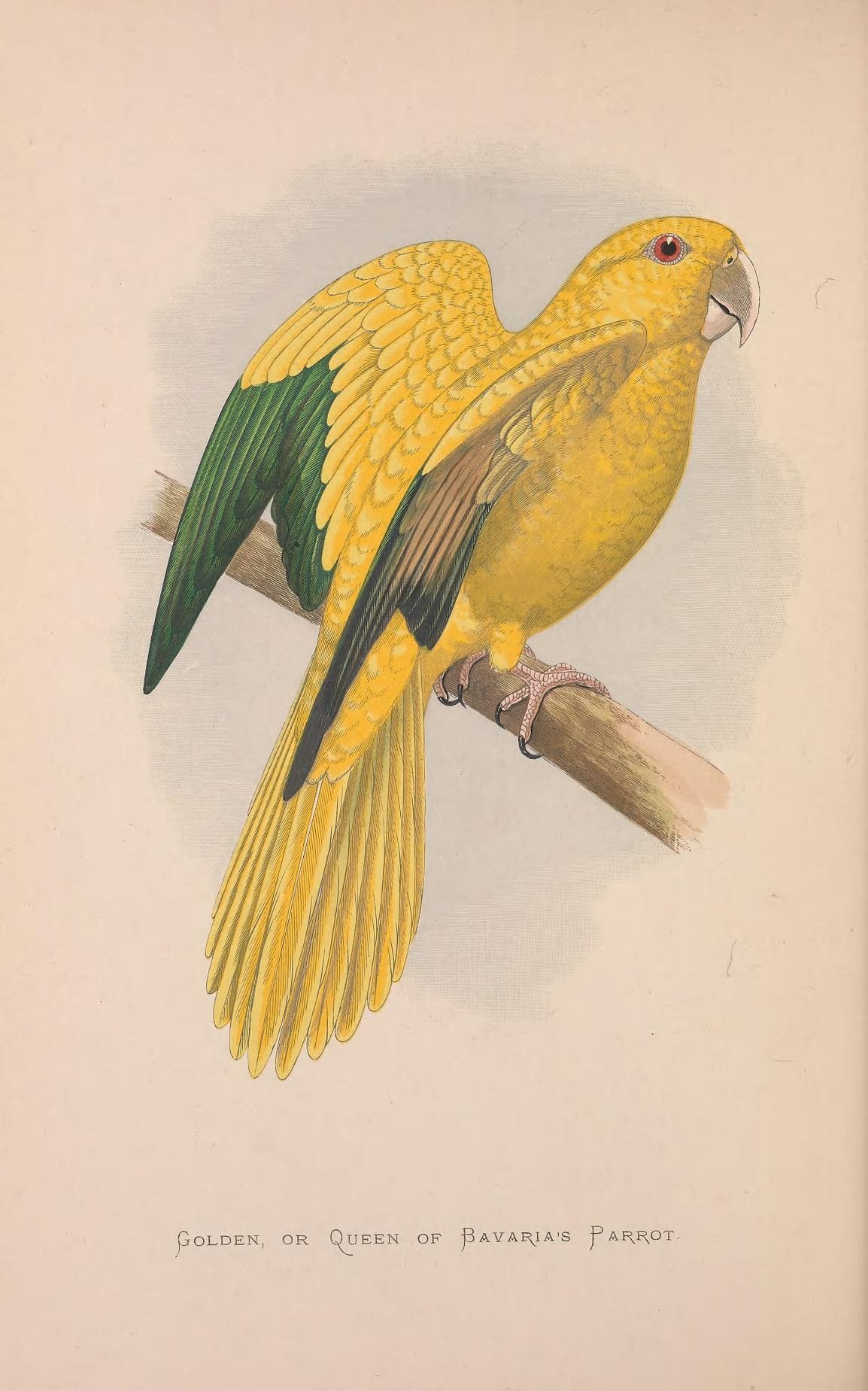
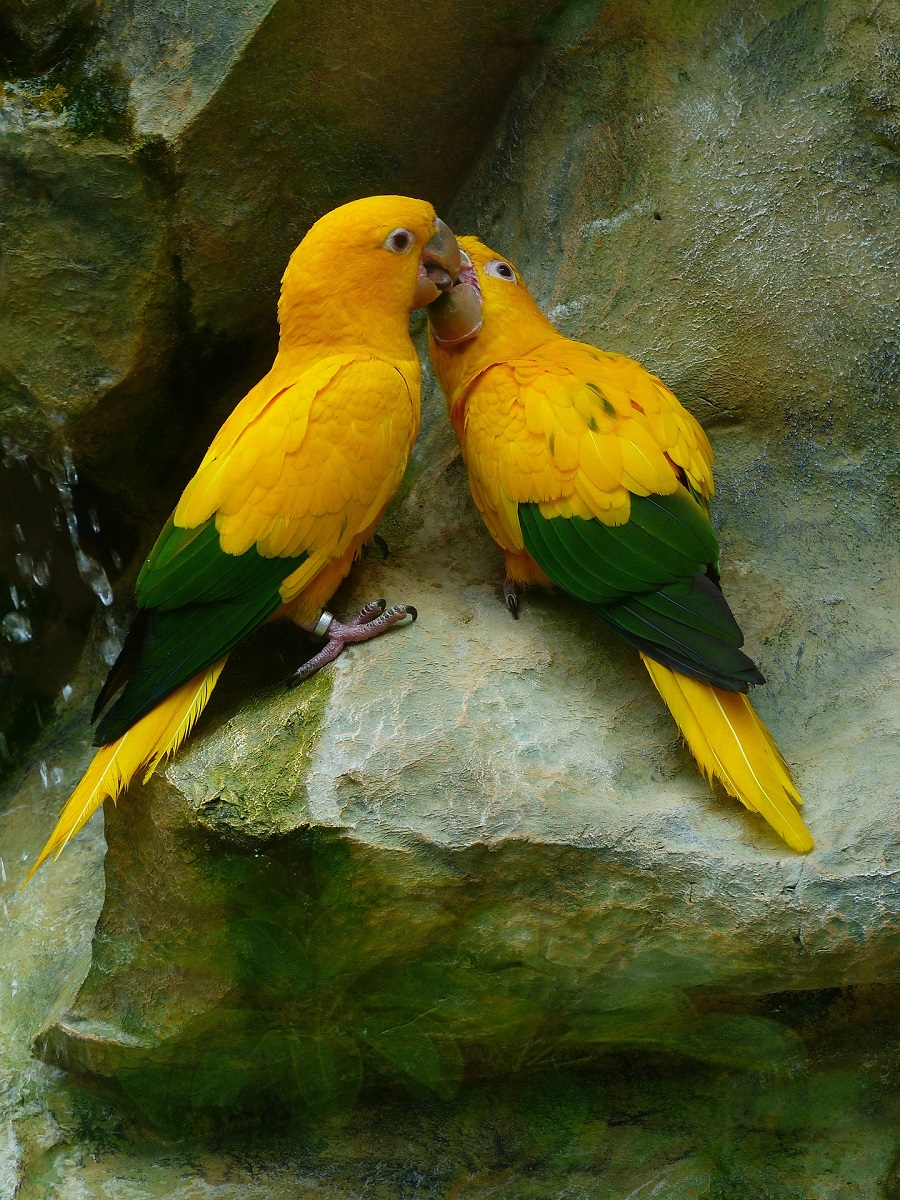
The Golden Conure, scientifically classified as Guaruba guarouba, is a medium-sized parrot, typically reaching up to 14 inches (35 cm) in length and weighing an average of 250 grams. Its most distinguishing feature is its brilliant, almost entirely golden-yellow body coloration, punctuated by dark green primary flight feathers at the wing tips. This striking hue has earned it evocative common names such as the Queen of Bavaria Conure and Golden Parakeet. Juveniles exhibit a more varied plumage, often displaying a greater extent of green, particularly on the wings, and sometimes speckled across the back and head, gradually transitioning to the adult golden livery. A prominent, horn-colored beak completes its regal appearance.
Unlike many avian species, Golden Conures do not exhibit overt sexual dimorphism; males and females are visually indistinguishable. Ascertaining the sex of an individual bird typically requires a DNA test, a common practice in avian husbandry and breeding programs. The species’ unique coloration and morphological traits underscore its solitary placement within the genus Guaruba, a classification solidified through modern phylogenetic research.
Evolution of Scientific Classification
The journey of the Golden Conure through scientific nomenclature provides a fascinating glimpse into the evolving understanding of avian phylogeny. Initially, the species was placed within the genus Conurus, a broad classification for various conure species. Over time, as ornithological research advanced and genetic analysis became more sophisticated, its classification shifted to Eupsittula and subsequently to Aratinga. However, persistent suspicions among ornithologists suggested that the Golden Conure’s distinct characteristics warranted its own unique genus.
A pivotal moment arrived in 2006 when acclaimed ornithologist Joseph Forshaw, in his comprehensive guide "Parrots of the World," formally listed the species as Guaruba guarouba. This designation was not merely an arbitrary change but was subsequently validated by robust phylogenetic studies. For instance, a 2006 article published in Systematic Biology presented compelling evidence that Guaruba is genetically more closely related to red-shouldered macaws (genus Diopsittaca) than to other Aratinga conures. This revised taxonomy highlights the dynamic nature of scientific classification, constantly refined by new data and analytical methods, ultimately leading to a more accurate representation of evolutionary relationships.
Natural Habitat and Geographical Range
The Golden Conure is endemic to the lush, biodiverse landscapes of the Brazilian Amazon Basin. Its primary range is concentrated within the state of Pará, with potential extensions into neighboring Maranhão. These parrots predominantly inhabit dry lowland rainforests, known locally as "terra firme" forests. However, they are also observed venturing into seasonally flooded areas, or "várzea" forests, adapting their movements to the fluctuating conditions of their environment. The species exhibits a somewhat nomadic lifestyle, particularly noticeable during the breeding season when individuals or pairs may temporarily depart dense jungle areas for less vegetated zones, possibly to reduce predation risk or access specific resources.
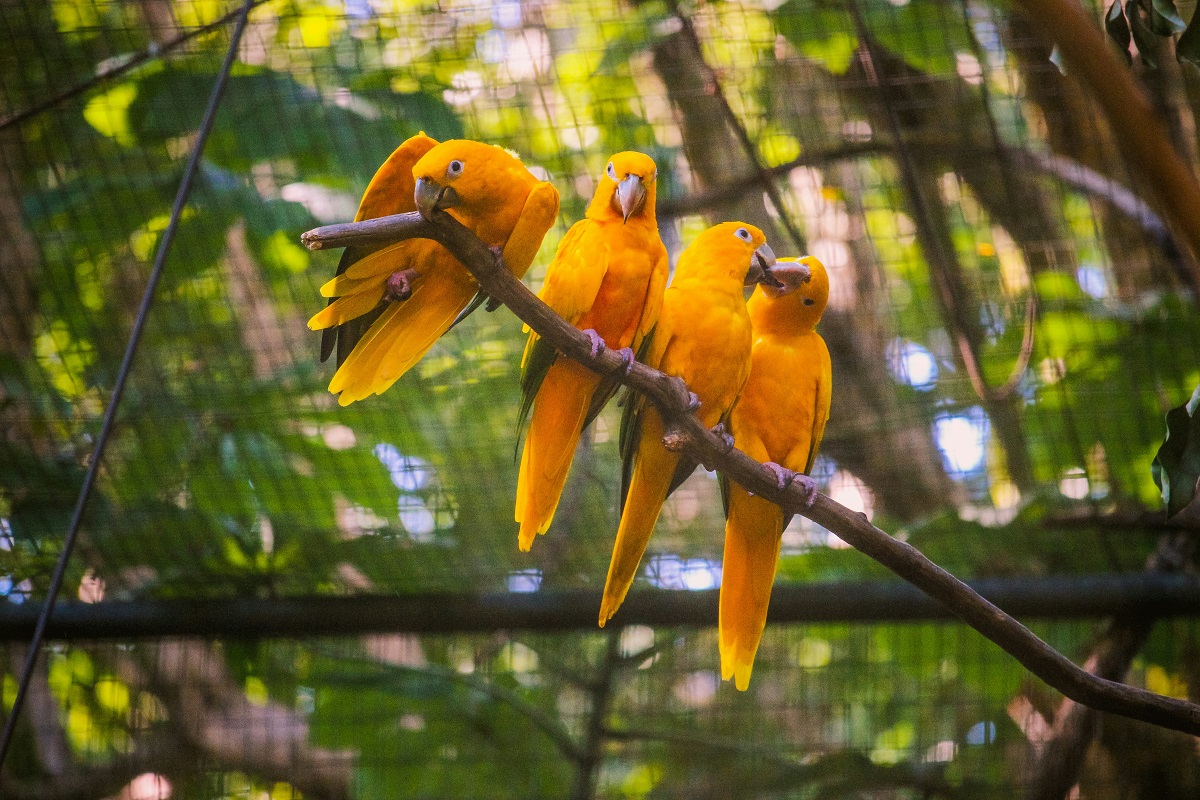
Nesting typically occurs in the hollows of relatively isolated mature trees. Interestingly, Golden Conures are known for a unique cooperative breeding strategy where multiple females may lay their eggs within the same nest, resulting in unusually large clutches that can exceed ten eggs. This communal approach to reproduction underscores their complex social dynamics in the wild.
Conservation Status and Threats
Despite its striking beauty, the Golden Conure faces a precarious future. The International Union for Conservation of Nature (IUCN) Red List classifies Guaruba guarouba as a Vulnerable species, a designation that reflects a significant and ongoing decline in its wild population. While historical trapping for the illegal pet trade once posed a severe threat, enforcement efforts and a shift towards captive breeding have somewhat reduced this pressure. However, modern threats have escalated, primarily driven by rapid habitat destruction and fragmentation.
The Brazilian Amazon, the Golden Conure’s sole natural home, is subjected to extensive deforestation for agriculture, cattle ranching, logging, and infrastructure development. This systematic destruction not only reduces the available habitat but also isolates remaining populations, hindering gene flow and increasing their susceptibility to localized extinctions. Conservation organizations, including the IUCN and local Brazilian NGOs, consistently emphasize that preserving the remaining tracts of primary forest is paramount to the species’ survival. Experts advocate for the establishment and strict enforcement of protected areas, sustainable land management practices, and community engagement initiatives to mitigate these threats. Without concerted efforts, the long-term viability of wild Golden Conure populations remains uncertain.
Cultural Significance and Historical Exploitation
For centuries, the Golden Conure has held significant cultural value for indigenous populations in Brazil. Locally known as "Ararajuba," meaning "yellow macaw" or "little macaw," its vibrant golden feathers were highly prized for ceremonial regalia, adornments, and trade. This intrinsic value, coupled with the bird’s aesthetic appeal, unfortunately also made it a target for exploitation. Historical records indicate that, in addition to live trapping for the pet trade, its feathers were a commodity, sometimes leading to unethical practices such as dyeing other conure species yellow to fetch higher prices in local animal markets, as documented by ornithologist Helmut Sick in "Ornitologia Brasileira." This historical context underscores the complex relationship between human cultures and the natural world, where reverence and exploitation often coexist.
Wild Diet and Foraging Behavior
In their pristine Amazonian environment, wild Golden Conures enjoy a diverse and seasonal diet. Scientific observations, including a 2024 study on reintroduced populations, reveal that their diet primarily consists of fruits. Favorite food sources include the nutrient-rich fruits of açaí and bacaba palms, as well as those from cashew, ice cream bean (Inga edulis), nance (Byrsonima crassifolia), and locustberry trees. Beyond fruits, they also consume flowers and flower buds, indicating a varied botanical palate.
Like many other parrot species that inhabit agricultural regions, Golden Conures are opportunistic feeders and will occasionally raid local farms. Corn and mango crops are particular favorites, demonstrating their adaptability in finding sustenance. Their foraging behavior is integral to their ecosystem role, assisting in seed dispersal and contributing to forest regeneration.
Dietary Requirements in Captivity
Translating a wild parrot’s diverse diet to a captive setting requires careful planning to ensure optimal health and longevity. Avian veterinarians and nutritionists widely recommend a high-quality pelleted diet as the cornerstone of a captive Golden Conure’s nutrition. Unlike traditional seed mixes, which are often high in fat and deficient in essential nutrients, pellets are formulated to provide a balanced and complete nutritional profile.
To enrich their diet and mimic the variety found in the wild, pellets should be supplemented daily with a wide array of fresh foods. This includes:
- Fresh Vegetables: Leafy greens (kale, spinach, romaine lettuce), bell peppers, carrots, broccoli, zucchini, sweet potatoes.
- Fruits: Apples, berries (blueberries, raspberries), bananas, melon, grapes, mango (in moderation due to sugar content).
- Legumes and Grains: Cooked beans, lentils, whole-grain pasta, brown rice.
- Healthy Proteins: Small amounts of cooked lean meat or hard-boiled egg.
It is crucial to avoid foods toxic to parrots, such as avocado, chocolate, caffeine, and alcohol. Regular veterinary check-ups are essential to monitor the bird’s nutritional status and address any potential deficiencies. Avian experts consistently advise that a healthy diet, coupled with regular exercise, is a primary determinant of a Golden Conure’s ability to live its full lifespan of up to 30 years or more in captivity.
Housing and Environmental Enrichment
Given their active and intelligent nature, Golden Conures require substantial living space. For individuals kept primarily caged, a full-sized indoor aviary is ideal, providing ample room for flight and movement. If a bird is regularly allowed out for several hours daily, a cage with a minimum width of 40 inches (1 meter) is acceptable, though larger is always better. The cage should be constructed from durable, non-toxic materials with appropriate bar spacing to prevent escape or injury.
The internal environment of the cage is equally vital for the bird’s physical and psychological well-being. It should be furnished with a variety of natural wood perches of varying diameters and textures to promote foot health and prevent pressure sores. Platforms and ladders further enhance climbing opportunities. Golden Conures are highly playful and intelligent, making a diverse selection of parrot toys indispensable. These toys should encourage natural behaviors such as chewing, shredding, preening, and vocalization, preventing boredom and destructive behaviors. Toys should be rotated regularly to maintain novelty and engagement.
Beyond the cage, creating a safe and stimulating out-of-cage environment is crucial. A cage-top playground with additional perches and toys provides a designated safe space for exploration. Parrot trees, custom-built or purchased, offer expansive climbing and perching opportunities, mimicking a more natural arboreal setting.
The Imperative of Enrichment
Parrots, especially intelligent species like the Golden Conure, are highly susceptible to boredom and stress in environments that do not meet their cognitive and social needs. In the wild, they spend their days foraging, interacting with flock mates, and navigating complex social structures. In captivity, a lack of adequate stimulation can lead to a range of undesirable behaviors, including excessive screaming, feather plucking (a severe sign of psychological distress), and even aggression.
To prevent these issues, a comprehensive enrichment program is essential:
- Foraging Opportunities: Present food in foraging toys or hidden locations to encourage natural problem-solving behaviors. This also helps prevent obesity by increasing physical activity.
- Social Interaction: Golden Conures are highly social animals. Owners must dedicate significant time daily to direct interaction, training, and play. They often bond with multiple family members, making them excellent family pets, but still require consistent attention.
- Chewing and Shredding: Provide plenty of safe, destructible toys made from wood, cardboard, or natural fibers to satisfy their strong urge to chew.
- Physical Exercise: Encourage flight and climbing both inside and outside the cage.
- Sensory Stimulation: Offer a variety of sights, sounds, and textures. Bird-safe music or nature sounds can be beneficial.
- Bathing: Provide regular opportunities for bathing, either with a shallow dish or misting.
Before allowing a Golden Conure free-roam access to any room, it is imperative to parrot-proof the area. This involves identifying and removing potential hazards such as toxic plants, exposed electrical wires, open windows, ceiling fans, and small ingestible objects. Avian behaviorists underscore that providing consistent and varied enrichment is not merely a luxury but a fundamental requirement for the psychological and physical health of these intelligent birds.
Temperament and Social Dynamics
Golden Conures are celebrated for their vibrant personalities, often matching the brilliance of their plumage. Generally, they are known for being friendly, affectionate, and sociable birds. Unlike some parrot species that may form an exclusive bond with a single individual, Golden Conures tend to be "family birds," forming positive relationships with multiple household members.
Their energetic and playful nature makes them engaging companions. They thrive on interaction, enjoying playtime as much as quiet moments perched on a shoulder, receiving gentle head scratches. They are typically even-tempered and are not usually prone to aggression, provided they are well-socialized from a young age and receive consistent positive reinforcement training. However, their high intelligence and social needs mean they are not low-maintenance pets. They demand significant daily attention and interaction, making them suitable only for individuals or families who can commit to their long-term social and emotional requirements.
Vocalization and Communication
While Golden Conures are not known for the ear-piercing shrieks sometimes associated with species like the Sun Conure (Aratinga solstitialis), they are by no means quiet birds. Their vocalizations range from playful chirps and squawks to louder calls, particularly when excited, seeking attention, or alarmed. The intensity and frequency of their calls can vary significantly between individuals. Their relatively large size translates to powerful voices, a factor potential owners must carefully consider.
Experiencing a Golden Conure’s noise level firsthand, perhaps by visiting a breeder or an owner, is highly recommended before making a commitment. This allows individuals to assess whether they can comfortably coexist with the species’ typical vocal repertoire.
Regarding speech, most parrots possess the ability to mimic sounds from their environment. However, Golden Conures are not renowned as champion talkers like African Greys or Amazon parrots. While they may learn to articulate simple words, their name, short phrases, or mimic household sounds, their clarity of speech is generally limited. Their vocalizations are more often characterized by a variety of squawks, chirps, and whistles rather than extensive verbal communication.
Health, Lifespan, and Preventive Care
With proper care, a Golden Conure can live a remarkably long life, often exceeding 30 years in captivity. This extended lifespan underscores the significant, lifelong commitment required from owners. Preventive care is paramount to ensuring their health and well-being. Regular visits to an avian veterinarian are essential for routine check-ups, early detection of potential health issues, and guidance on diet and husbandry.
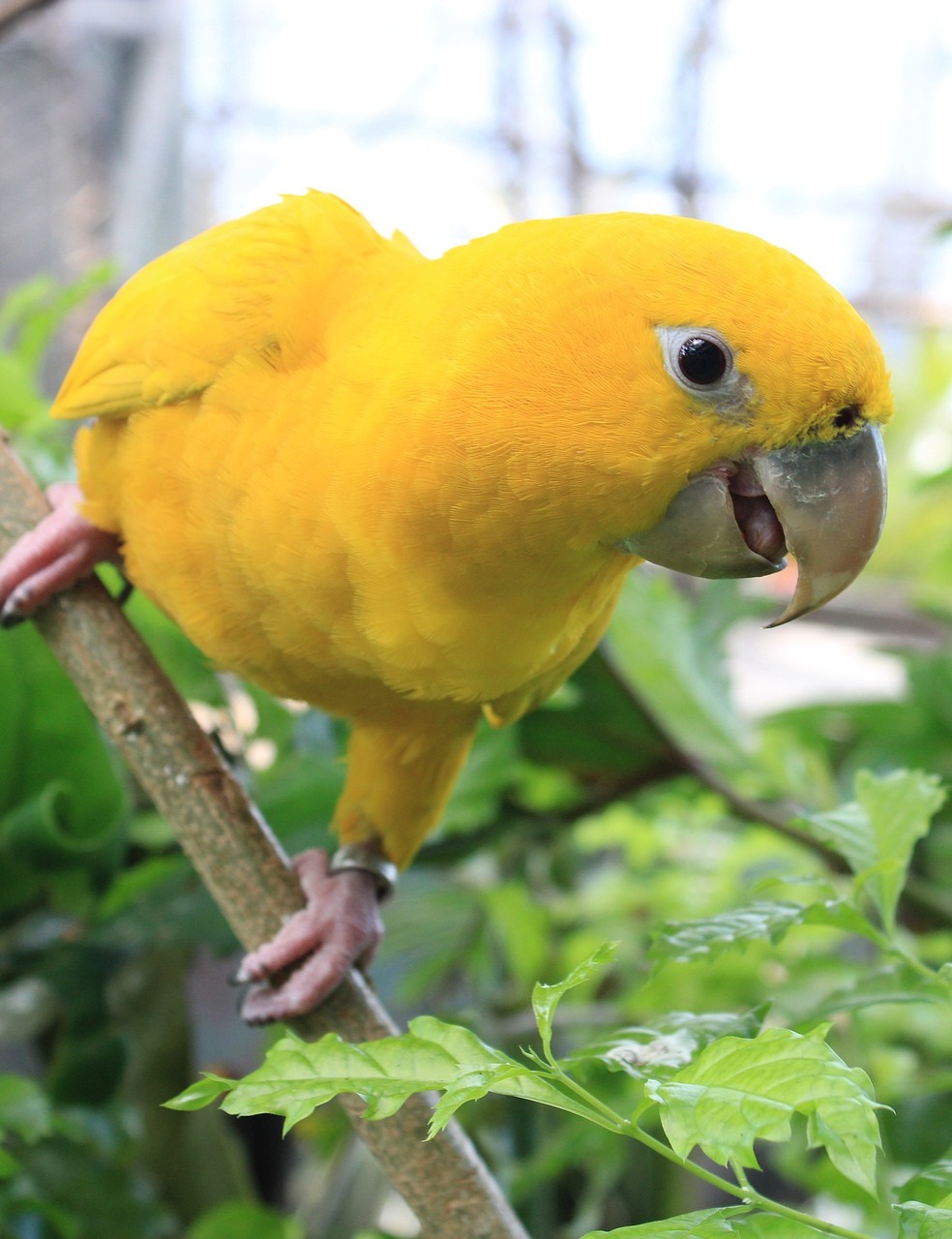
Common health concerns in captive parrots include nutritional deficiencies, obesity (often linked to an inappropriate diet and lack of exercise), feather plucking, and various bacterial or fungal infections. Maintaining impeccable cage hygiene, providing a balanced diet, ensuring access to fresh water, and offering ample opportunities for mental and physical stimulation are crucial in preventing many of these conditions. Owners should also be vigilant for signs of illness, such as changes in appetite, lethargy, ruffled feathers, or unusual droppings, and seek veterinary attention promptly.
Ethical Considerations and Responsible Ownership
Owning a Golden Conure is a profound responsibility that extends far beyond merely providing food and shelter. Given their Vulnerable status in the wild, responsible pet ownership begins with sourcing. Prospective owners should always seek out reputable, ethical breeders who prioritize the health and welfare of their birds and can provide documentation that the bird is captive-bred, not wild-caught. Supporting the illegal wildlife trade through the purchase of wild-caught birds contributes directly to the decline of wild populations.
Furthermore, the long lifespan, complex social needs, and potential noise level of a Golden Conure demand a significant, multi-decade commitment of time, resources, and emotional investment. Potential owners must critically assess their ability to provide a stimulating, safe, and loving environment for the bird’s entire life. This includes financial capacity for specialized veterinary care, quality food, and enrichment items.
Conservationists and avian welfare organizations consistently advocate for prospective owners to engage in thorough research and introspection before acquiring any parrot, especially a species with conservation concerns. The decision to bring a Golden Conure into one’s home carries ethical implications for both the individual bird’s welfare and the broader conservation efforts for its wild counterparts. Responsible ownership contributes positively to the species’ survival by promoting ethical breeding practices and reducing demand for wild-caught birds, while also providing a fulfilling life for a truly magnificent avian companion.
The Golden Conure, a creature of unparalleled beauty and intelligence, offers immense joy and companionship to those prepared to meet its demanding needs. Its vibrant presence serves as a constant reminder of the incredible biodiversity of the Amazon and the urgent need for its protection. Understanding and respecting the intricate biology, natural history, and conservation status of this species is not just a matter of responsible pet ownership, but a contribution to the broader narrative of wildlife conservation.

