


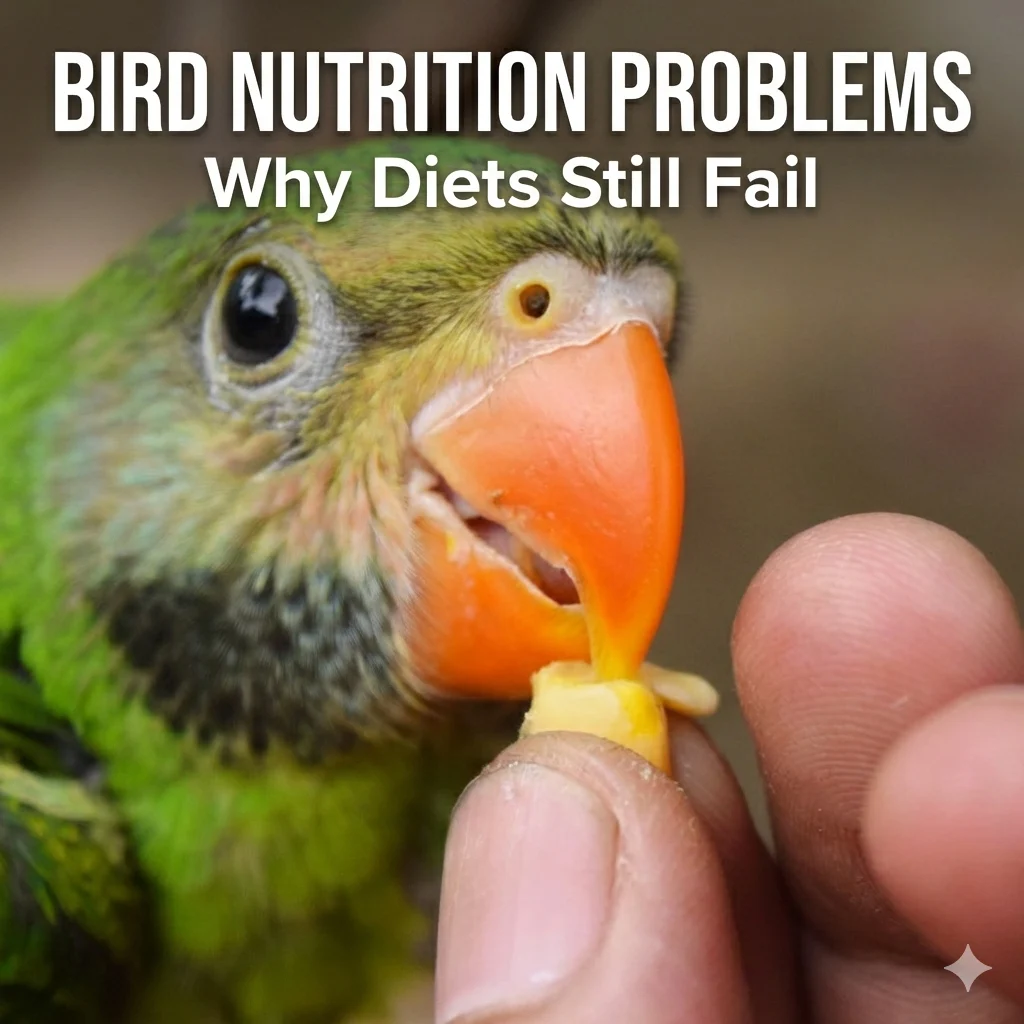
Despite diligent efforts by caregivers to provide what appears to be a balanced diet, many companion parrots continue to exhibit subtle signs of weakness, dull plumage, or compromised vitality. This perplexing phenomenon, frequently observed in avian practice, highlights a critical distinction: merely offering nutritious food does not guarantee its effective utilization by the bird’s complex metabolic system. The challenge often lies not in the initial "intake" of food, but in the subsequent processes of "absorption" from the digestive tract and "activation" into usable forms within the body. If any one of these three fundamental steps—intake, absorption, or activation—falters, the bird’s overall health and resilience can be significantly undermined, leading to a spectrum of issues ranging from minor behavioral changes to severe life-threatening conditions.
The Silent Scourge of Suboptimal Absorption: Calcium and Vitamin D3 Dynamics
One of the most common and insidious nutritional deficiencies observed in captive parrots revolves around calcium metabolism, inextricably linked to adequate vitamin D3. Calcium is a cornerstone mineral, vital not only for robust skeletal integrity but also for crucial physiological processes such as nerve impulse transmission, muscle contraction, blood clotting, and eggshell formation in hens. However, the presence of calcium in the diet, whether from fortified pellets or fresh foods, does not automatically translate into its systemic availability.
The absorption of dietary calcium primarily occurs in the small intestine, a process heavily reliant on the active form of vitamin D, calcitriol (1,25-dihydroxycholecalciferol). This essential hormone upregulates the production of calcium-binding proteins, facilitating the movement of calcium across the intestinal wall into the bloodstream. Without sufficient calcitriol, a significant portion of ingested calcium passes through the digestive tract unabsorbed, rendering even a calcium-rich diet ineffective.
The primary natural pathway for vitamin D3 (cholecalciferol) synthesis in birds is through exposure to ultraviolet B (UVB) radiation. When UVB wavelengths penetrate the skin, they convert a precursor molecule, 7-dehydrocholesterol, into previtamin D3, which then isomerizes into vitamin D3. This D3 is subsequently hydroxylated in the liver and kidneys to form the active calcitriol. For indoor parrots, however, this natural synthesis pathway is often severely compromised. Standard window glass, even clear panes, blocks virtually all beneficial UVB radiation, effectively cutting off the primary mechanism for D3 production. Consequently, many indoor birds, despite living in seemingly bright environments, exist in a state of chronic metabolic "under-activation" regarding calcium.
The clinical manifestations of chronic calcium deficiency (hypocalcemia) are often subtle and progressive. Early signs can include a weak or slipping grip on perches, a reluctance to fly, shorter flight distances, or clumsy landings, all indicative of compromised neuromuscular control. As the deficiency progresses, more severe symptoms can emerge, such as metabolic bone disease (osteodystrophy) characterized by fragile bones, splayed legs in juvenile birds, or, in laying hens, chronic egg-binding or thin-shelled eggs. African Grey parrots (Psittacus erithacus), for instance, are particularly predisposed to hypocalcemia, making careful dietary management and appropriate UVB provision critical for their species. Avian veterinarians widely report that a significant percentage of their caseload involves issues traceable to inadequate D3 and calcium metabolism, underscoring the prevalence of this "missing link."
Beyond Dull Feathers: The Pervasive Threat of Vitamin A Deficiency
Another prevalent nutritional shortfall in companion parrots, particularly those maintained on seed-heavy diets, is vitamin A deficiency (hypovitaminosis A). Vitamin A, specifically in its preformed retinoid forms, is crucial for maintaining the health and integrity of epithelial tissues throughout the body. These tissues form protective linings in the mouth, sinuses, respiratory tract, gastrointestinal tract, and urogenital system. It also plays a vital role in vision, immune function, and reproduction.
Seeds, while calorie-dense and palatable to parrots, are notoriously poor sources of vitamin A or its precursor, beta-carotene. Birds fed predominantly on commercial seed mixes, often high in fats but low in bioavailable micronutrients, slowly deplete their bodily reserves of this essential vitamin. The initial stages of hypovitaminosis A are often asymptomatic, or present with non-specific signs that are easily overlooked. Over time, however, the deficiency causes epithelial cells to lose their normal function, becoming thickened and keratinized (a process known as squamous metaplasia).
Clinically, this manifests as a range of symptoms. Owners might first notice a dulling of feather color, a loss of sheen, or abnormal feather growth during molt. More concerning signs include changes in the choana (the slit on the roof of the mouth), which may appear blunted or swollen, and the accumulation of cheesy white plaques in the mouth, around the choana, or in the sinuses. These compromised epithelial linings become less effective barriers against pathogens, making the bird highly susceptible to secondary bacterial, fungal, or viral infections, particularly of the respiratory tract. Birds may develop chronic sneezing, nasal discharge, conjunctivitis, or even respiratory distress. Long-term deficiency can also impact renal function and lead to kidney disease. Avian nutritionists consistently advise against seed-only diets, citing vitamin A deficiency as a leading cause of preventable illness in pet parrots.
The Seed-Diet Dilemma: Navigating Nutritional Imbalances and Pellet Conversion
The prevalence of seed-dominant diets in captive parrots is a legacy of historical feeding practices and the inherent palatability of seeds. For many decades, bird owners provided primarily seed mixes, unaware of the profound nutritional gaps they created. Modern avian science, however, unequivocally demonstrates that a seed-only diet, while providing calories, is a recipe for chronic malnutrition. It is not just the deficiency of vitamin A and calcium, but also a skewed omega fatty acid profile (often too high in omega-6 and too low in omega-3), and deficiencies in essential amino acids, iodine, selenium, and zinc.
The challenge for many parrot owners lies in transitioning their birds from a familiar, highly palatable seed diet to a more nutritionally complete pelleted diet. Parrots are inherently "neophobic" animals, an evolutionary trait that protects them from consuming potentially toxic unfamiliar foods in the wild. This strong aversion to new food items means that a "cold turkey" approach to pellet conversion is not only ineffective but can be extremely dangerous, potentially leading to starvation. A parrot’s psychological resistance to new foods often overrides its physiological need for sustenance, causing rapid weight loss.
Successful pellet conversion demands a gradual, patient, and strategically managed approach. Avian experts, like Diane Burroughs, LCSW, emphasize that the process is not about hunger, but about building trust in a new food source while preventing metabolic stress. Techniques involve slowly introducing pellets mixed with seeds, gradually increasing the pellet-to-seed ratio over weeks or even months. Offering moistened pellets, incorporating pellets into "chop" (a mix of finely chopped vegetables), or making pellets available as foraging opportunities can also encourage acceptance. Crucially, weekly weighing on a gram scale is imperative to monitor for any significant weight loss (more than 3-5% of body weight), which signals inadequate intake and necessitates a slower transition. The goal is caloric stability first, followed by nutritional optimization, ensuring the bird does not suffer energy deficits while learning to accept new foods.
Addressing Broader Nutritional Gaps: Amino Acids and Trace Minerals
Beyond the headline deficiencies of calcium/D3 and vitamin A, optimal avian health also relies on a complete spectrum of essential amino acids and trace minerals. Amino acids are the building blocks of proteins, vital for muscle development, enzyme synthesis, hormone production, and immune function. Seed-heavy diets often lack a complete amino acid profile, leading to suboptimal protein synthesis and, consequently, reduced muscle mass, impaired organ function, and compromised immune responses. Pelleted diets are formulated to provide a balanced array of amino acids, ensuring "Total Body Vitality" as noted in the source material.
Trace minerals, such as zinc, iodine, selenium, and manganese, are required in minute quantities but play outsized roles in metabolic health. Zinc, for instance, is critical for immune function, feather quality, and reproductive health. Iodine is essential for thyroid hormone production, regulating metabolism and energy balance. Selenium acts as an antioxidant and is involved in immune responses. Deficiencies in these minerals can manifest in a variety of ways, including poor feather condition, increased susceptibility to infections, impaired reproductive success, or behavioral changes related to hormonal imbalances. While some fresh foods contribute to trace mineral intake, formulated pellets are designed to provide these in a consistent and bioavailable form.
Environmental Influences: Light, Seasons, and Metabolic Health
The environment in which a parrot lives profoundly impacts its health, particularly regarding light exposure. Most parrot species originate from tropical or subtropical regions near the equator, where daylight hours and UVB intensity remain relatively stable throughout the year. When these birds are kept in northern latitudes, they experience dramatic seasonal shifts in light, particularly during winter.
As previously discussed, glass blocks UVB, meaning indoor birds receive virtually no natural D3 synthesis regardless of how bright their environment appears. This problem is exacerbated in winter when natural light intensity and duration decrease significantly. This reduction in UVB directly leads to impaired D3 synthesis and, subsequently, poor calcium utilization. Avian veterinarians frequently observe a noticeable decline in calcium-related issues, such as weak grip strength or general lethargy, during the late winter months.
Beyond D3 synthesis, light exposure also profoundly influences a bird’s circadian rhythm, hormonal cycles, and overall metabolic stability. Inconsistent or shortened photoperiods, common in indoor environments that mimic northern winters, can disrupt these delicate biological clocks. This disruption can manifest as seasonal behavioral changes, including increased irritability, reduced activity levels, changes in appetite, or even delayed or abnormal molting patterns. Experts recommend providing full-spectrum artificial lighting with appropriate UVB output, ideally on a timer that mimics natural daylight cycles, to mitigate these adverse effects and stabilize the bird’s physiology. Replacing UVB bulbs regularly (typically every 6-12 months, depending on the manufacturer) is also crucial, as their UVB output degrades over time even if they still appear bright to the human eye.
The Role of Supplementation: When and How to Support Avian Health
The question of whether to use dietary supplements often arises, particularly when owners observe subtle signs of weakness or during transitions. Supplements, when used judiciously, can play a supportive role, but they are not a panacea and should never replace a fundamentally sound diet and appropriate environmental conditions.
The efficacy of supplements hinges on three critical variables: ingredient stability, consistent intake by the bird, and bioavailability. Water-soluble nutrients, for instance, can degrade rapidly when exposed to light, heat, or even certain minerals in tap water. Furthermore, a bird’s daily water intake can fluctuate significantly, making precise dosing via drinking water highly unreliable. An avian expert might state, "While water supplements can deliver nutrients, the variability in a bird’s drinking habits and the potential for nutrient degradation make consistent, therapeutic dosing challenging."
Food-based supplementation, where a measured amount of powder or liquid is mixed into a known portion of chop, soft food, or even a small amount of palatable pellet, often provides greater dose reliability. This method allows the caregiver to observe and confirm consumption, reducing the risk of under-dosing or waste. For nutrients like calcium, magnesium, biotin, or specific amino acids, which require consistent systemic levels for optimal effect, food-based delivery is generally preferred.
However, over-supplementation carries significant risks. Excessive synthetic vitamin A can lead to liver toxicity (hypervitaminosis A), while too much calcium can cause soft tissue mineralization, kidney strain, and interfere with the absorption of other vital minerals like phosphorus and magnesium. Therefore, supplementation should always be intentional, species-appropriate, and ideally guided by an avian veterinarian who can assess the bird’s specific needs based on diet, lifestyle, and potential diagnostic findings. Supplements are most effective when they target a known deficiency or support a specific physiological state (e.g., egg-laying, recovery from illness) rather than being administered indiscriminately.
Recognizing the Red Flags: When to Seek Expert Avian Veterinary Care
Understanding common nutritional deficiencies and their signs empowers owners to be proactive, but it is paramount to recognize that these signs are educational guides, not definitive diagnoses. Many symptoms of nutritional imbalance can mimic or mask other serious illnesses, and self-diagnosing or self-treating can lead to critical delays in appropriate care.
Signs that may suggest Vitamin A deficiency:
- Dull, unkempt feathers; poor feather quality or abnormal molting.
- White, cheesy plaques or lesions in the mouth or choana (slit on the roof of the mouth).
- Blunted or swollen choanal papillae.
- Chronic sneezing, nasal discharge, or ocular discharge (conjunctivitis).
- Lethargy, decreased appetite, or weight loss.
- Increased susceptibility to respiratory or sinus infections.
Signs that may suggest Hypocalcemia (Calcium Deficiency):
- Weak or slipping grip on perches; difficulty balancing.
- Tremors or muscle twitching.
- Reluctance to fly, shorter flights, or clumsy landings.
- Lethargy, decreased activity, or increased sleep.
- Seizures or convulsions (in severe, acute cases).
- Soft-shelled or abnormally formed eggs in laying hens; egg binding.
- Bone deformities or lameness (especially in young birds).
It is crucial to emphasize that both excessively low and excessively high levels of certain nutrients can cause severe health complications. For example, while hypocalcemia is common, hypercalcemia (excess calcium) can also be detrimental. Bloodwork, radiographs (X-rays), and other diagnostic imaging performed by an avian veterinarian are the only reliable methods to confirm a deficiency, toxicity, or underlying disease.
Call an Avian Vet Immediately If You See:
- Acute onset of seizures or convulsions.
- Severe weakness, inability to perch, or collapse.
- Difficulty breathing or open-mouthed breathing.
- Sudden, significant weight loss (over 5% in 24-48 hours).
- Persistent vomiting or regurgitation.
- Any rapidly progressing neurological signs.
These are not "watch and wait" symptoms. Acute calcium crashes, severe secondary infections stemming from vitamin A deficiency, or other systemic illnesses can progress rapidly and become fatal without immediate veterinary intervention. An avian veterinarian can perform critical diagnostic tests, initiate supportive care, and prescribe appropriate treatments that cannot be safely replicated at home. Documenting the onset and progression of symptoms, along with any changes in diet or environment, will provide invaluable information to the veterinary team.
A Holistic Path to Avian Wellness: Integrating Diet, Environment, and Medical Oversight
Ultimately, correcting the paradox of a "good diet" that fails to deliver requires a comprehensive, integrated approach. The solution rarely involves a single fix but rather a synergistic combination of correcting dietary imbalances, optimizing environmental factors, and providing targeted support when necessary, all under the guidance of an avian veterinary professional.
Key strategies for improvement include:
- Correcting Vitamin A Deficiency: Transitioning to a high-quality pelleted diet supplemented with vitamin A-rich vegetables (e.g., dark leafy greens, carrots, sweet potatoes, bell peppers). In severe cases, a veterinarian may prescribe specific, measured vitamin A supplementation, emphasizing the importance of not over-supplementing synthetic forms.
- Installing a Safe UVB Bird Light: Providing a full-spectrum avian lamp with a documented UVB output, placed at the appropriate distance from the bird’s primary perch, and maintained on a consistent 10-12 hour timer. Regular replacement of the bulb according to manufacturer guidelines is essential to ensure effective UVB emission.
- Using Calcium, Magnesium & D3 Together (When Indicated): For birds with confirmed D3/calcium deficiencies, laying hens, or those in environments precluding natural UVB, a veterinarian may recommend a supplement that combines calcium with vitamin D3 and magnesium. Magnesium is crucial for proper calcium absorption and utilization, as well as nerve and muscle function. Dosing must be precise and tailored to the species and individual bird’s needs to prevent toxicity.
- Structured Diet: Establishing a foundation of a high-quality, species-appropriate pelleted diet (typically 60-80% of total intake), supplemented with a wide variety of fresh, clean vegetables (20-30%), and a very limited amount of healthy seeds and fruits as treats.
- Regular Veterinary Check-ups: Proactive wellness examinations allow for early detection of subtle signs of nutritional imbalance or disease, enabling intervention before conditions become critical. Diagnostic bloodwork can provide objective data on vitamin and mineral status.
Parrots do not "fail" because their owners lack care or effort; they often fail when one crucial link in their metabolic chain is overlooked or compromised. When the interconnected processes of nutrient intake, efficient absorption, and biological activation are aligned, the transformation in a bird’s health can be profound. Strength returns, grip improves, feathers regain their vibrant structure and sheen, and overall energy and mental stability are restored. A holistic understanding of avian nutrition and physiology, coupled with expert veterinary oversight, is the bedrock of long-term wellness for these intelligent and complex companions.

