


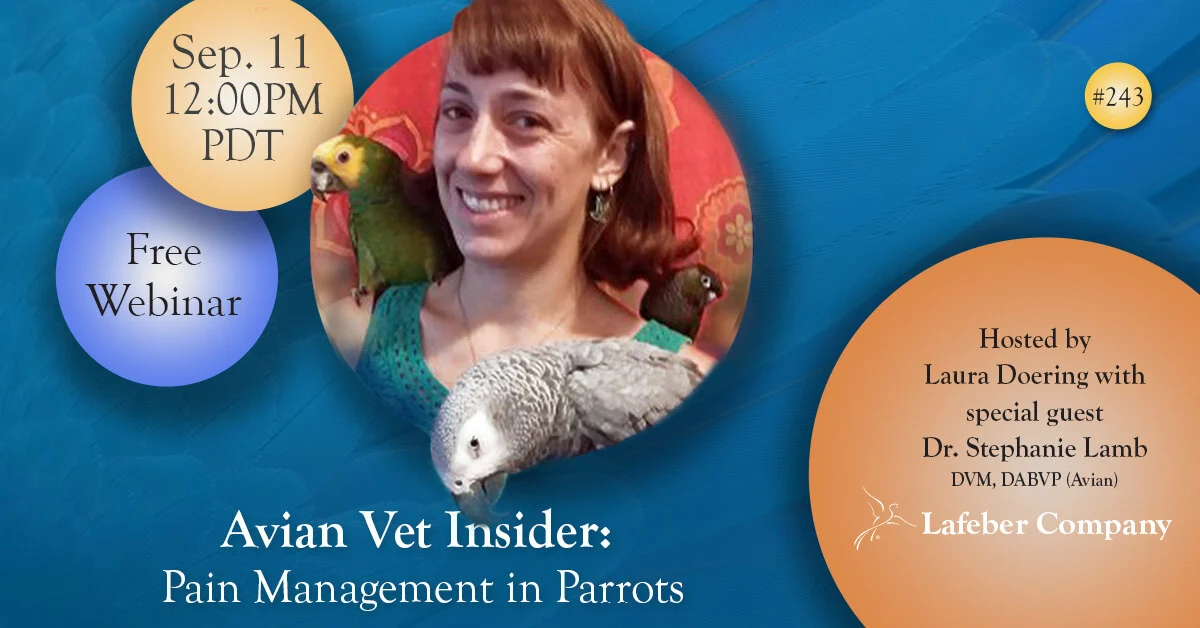
September is internationally recognized as Animal Pain Awareness Month, a period dedicated to increasing public consciousness regarding the recognition, assessment, and treatment of pain in non-human species. In alignment with this initiative, the upcoming webinar titled "Avian Vet Insider — Pain Management in Parrots," scheduled for Friday, September 11, 2026, at 12:00 p.m. PDT, seeks to address the often-overlooked complexities of avian welfare. Hosted by Dr. Lamb, the session aims to provide bird owners and avian enthusiasts with a comprehensive clinical framework for identifying subtle indicators of distress in parrots, a group of animals evolutionarily predisposed to masking illness.
The Evolutionary Challenge of Recognizing Avian Pain
The primary difficulty in managing pain in parrots stems from their status as prey animals. In the wild, displaying outward signs of weakness or injury can make a bird an immediate target for predators. Consequently, parrots have developed an innate survival mechanism that masks symptoms of disease or physical discomfort until the condition has reached an advanced stage. This "masking" behavior frequently results in owners being unaware that their companion animal is suffering from chronic or acute pain until the animal becomes lethargic, stops eating, or exhibits significant behavioral changes.
During the September 11 webinar, Dr. Lamb will dissect the specific behavioral cues that owners must monitor. These include shifts in feather grooming habits, reduced vocalization, changes in perching posture, and alterations in social interaction. The discussion is expected to move beyond general observations, providing a systematic approach to pain assessment that mirrors the protocols used in modern veterinary clinics. By teaching owners how to distinguish between normal behavior and signs of pathological discomfort, the session aims to shorten the timeframe between the onset of an issue and the initiation of medical intervention.
Pharmacological Approaches and Clinical Standards
A significant portion of the webinar will be dedicated to the current landscape of avian pharmacology. Unlike mammalian medicine, where drug dosages and metabolic pathways are well-documented across a vast array of species, avian medicine requires a more nuanced approach. Parrots possess high metabolic rates, which fundamentally change how drugs are absorbed, distributed, and eliminated from the body.
Dr. Lamb is expected to cover the primary classes of analgesics currently utilized in avian medicine, including non-steroidal anti-inflammatory drugs (NSAIDs) and opioids. The presentation will analyze the clinical situations—such as post-operative recovery, trauma, or chronic conditions like osteoarthritis—where these medications are most efficacious. Furthermore, the discussion will encompass the safety profiles of these drugs, addressing the risks of toxicity and the necessity of precise dosing based on the specific species of parrot. As the avian veterinary field moves toward evidence-based medicine, the standardization of pain management protocols has become a priority for practitioners worldwide, and this webinar serves as a conduit for disseminating those standards to the lay public.
The Role of Alternative and Integrative Therapies
As the veterinary profession increasingly adopts a holistic approach to patient care, the integration of alternative therapies into pain management protocols has gained traction. The September 11 session will explore the role of non-pharmacological interventions in managing chronic discomfort. This includes environmental modifications, such as the use of specialized perches or humidity control to alleviate joint pain, as well as the potential role of physical therapy and acupuncture in avian rehabilitation.
Evidence-based research suggests that environmental stressors play a substantial role in a bird’s perception of pain. By optimizing the captive environment, owners can often reduce the physiological stress load on the bird, thereby enhancing the efficacy of traditional medical treatments. Dr. Lamb’s analysis of these complementary therapies will offer a multi-dimensional view of care, emphasizing that effective pain management is rarely achieved through a single method but rather through a comprehensive, multimodal strategy.

Contextualizing Animal Pain Awareness Month
The scheduling of this webinar during Animal Pain Awareness Month is intentional. Since the inception of this awareness initiative, the veterinary community has sought to highlight that pain is the "fourth vital sign." While temperature, pulse, and respiration are routinely monitored, the assessment of pain has historically been subjective and inconsistent.
The International Veterinary Academy of Pain Management (IVAPM) has frequently noted that animals, particularly avian species, are often undertreated for pain because their discomfort is not perceived by human caregivers. By providing an expert-led forum for education, the webinar seeks to bridge this gap in owner knowledge. The implications of this education are profound: early detection of pain can prevent the development of secondary behavioral issues, such as feather destructive behavior, which is often a symptom of underlying physical or psychological distress.
Implications for the Avian Care Industry
The broader impact of this initiative lies in the potential for improved welfare outcomes for the millions of captive parrots living in households today. As the popularity of avian ownership remains steady, the demand for high-quality, scientifically accurate information has surged. By providing a platform for experts like Dr. Lamb, the veterinary community is effectively decentralizing specialized knowledge, moving it from the clinic into the home.
The economic and emotional impact of this shift is significant. Owners who are equipped with the knowledge to manage their bird’s pain are more likely to seek timely veterinary advice, leading to more successful clinical outcomes. Furthermore, the standardization of pain management information helps to combat the proliferation of anecdotal, and often harmful, advice found on social media and internet forums. This webinar represents a professional commitment to ensuring that the quality of life for companion parrots is commensurate with the standard of care provided to more traditional companion animals like dogs and cats.
Preparing for the Session: Practical Steps for Attendees
For those planning to attend the webinar, it is recommended to review basic information about their bird’s medical history, including any current medications or supplements. Given that the session will be conducted via Zoom, attendees are encouraged to ensure their internet connectivity is stable and to prepare questions regarding their specific avian species.
The inclusion of a time zone converter in the event announcement underscores the international reach of this topic. Avian medicine is a global discipline, and the challenges faced by a parrot owner in North America are often identical to those faced by owners in Europe or Australia. The ability to participate in a live Q&A session with a specialist offers an opportunity for direct feedback that is rarely available in standard educational literature.
Looking Ahead: The Future of Avian Pain Management
As we look toward the future of veterinary science, the focus on pain management is expected to intensify. Advances in diagnostic imaging, such as high-resolution CT scans and specialized blood panels, are making it easier to diagnose conditions that were once impossible to identify in live birds. Consequently, the ability to effectively treat these conditions with targeted analgesics is becoming a benchmark for clinical excellence.
The webinar on September 11, 2026, serves as a critical milestone in this ongoing effort. By synthesizing complex medical information into an accessible format, Dr. Lamb and her colleagues are empowering the next generation of parrot owners to be proactive, informed advocates for their pets’ health. As science continues to evolve, the integration of clinical research into daily care routines will remain the most effective tool in the fight against chronic pain in avian species. For those committed to the longevity and well-being of their birds, this session promises to be an essential resource in the pursuit of a higher standard of avian welfare.

