


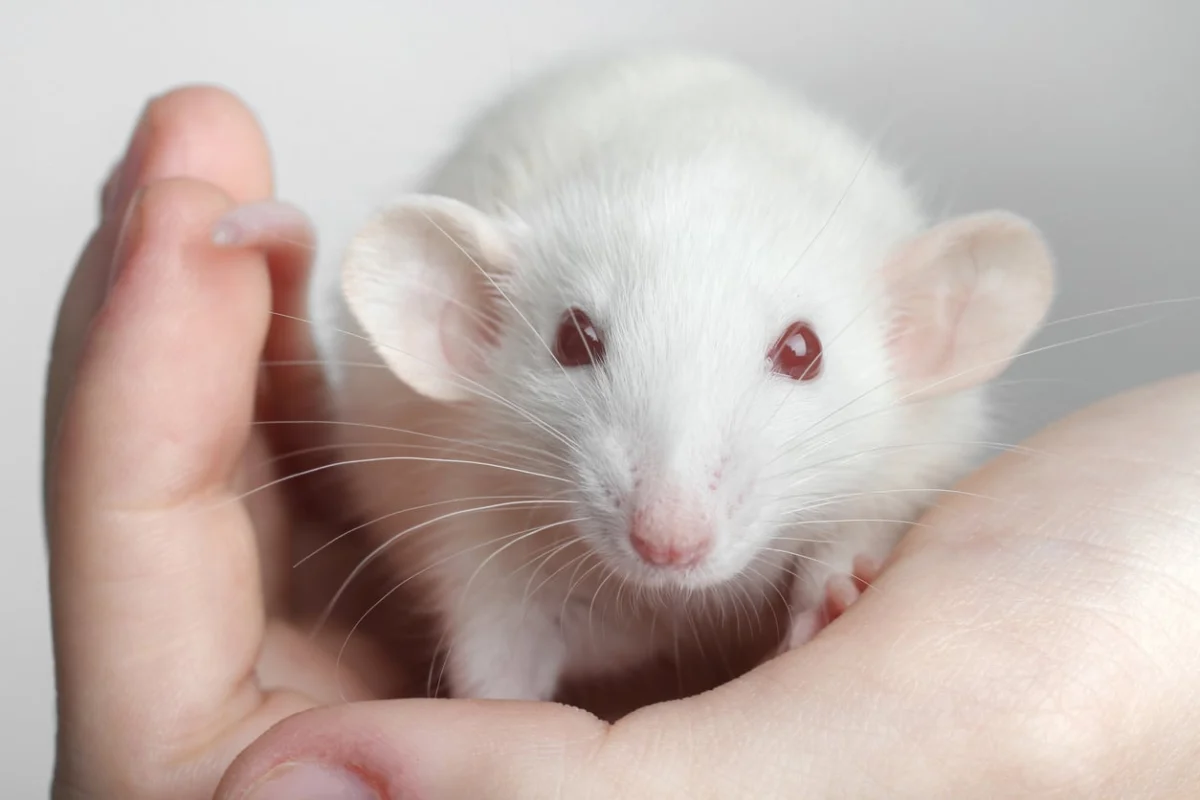
The People for the Ethical Treatment of Animals (PETA) has renewed its urgent appeal to the United States Department of War, demanding an immediate end to the allocation of taxpayer funds toward controversial and often lethal animal experiments conducted in foreign laboratories. According to recent disclosures and formal advocacy letters dispatched by the animal rights organization, the Pentagon has funneled more than $35 million since 2019 into overseas testing facilities. These institutions have utilized the grants to carry out procedures that critics describe as gruesome, scientifically dubious, and financially wasteful.
The latest flashpoint in this ongoing controversy centers on a series of grants funneled into Canadian research institutions, most notably the University of British Columbia. PETA’s most recent formal correspondence, directed to the Under Secretary of War for Research and Engineering, targets over $21 million spent specifically on tests conducted within Canada. Among the projects drawing the sharpest criticism is an experiment involving mice subjected to blunt-force trauma, oxygen deprivation, and physical strangulation—methods researchers claim are designed to simulate intimate partner violence and human traumatic brain injuries.
As the debate intensifies, animal welfare advocates, fiscal watchdogs, and ethics committees are scrutinizing the Department of War’s foreign grant-making processes. With Secretary of War Pete Hegseth facing mounting pressure to eliminate government waste, fraud, and abuse, the intersection of military spending, international research partnerships, and animal ethics has emerged as a significant point of policy contention.
Chronology of the Controversy
The public mobilization against Pentagon-backed foreign animal testing has escalated through a series of formal disclosures and advocacy campaigns over the past year:
- May 6, 2026: PETA formally petitions Secretary of War Pete Hegseth, highlighting that the U.S. military has spent millions of dollars financing foreign laboratories that burn, poison, paralyze, and mutilate animals. The organization urges the Pentagon to redirect these funds toward modern, human-relevant research methodologies.
- September 17, 2026: PETA releases detailed documentation regarding $21 million spent on Canadian animal tests. The organization simultaneously sends a targeted letter to the Under Secretary of War for Research and Engineering, demanding the cancellation of specific projects, including a mouse-strangulation and brain-injury model at the University of British Columbia.
- Ongoing (2019–Present): Cumulatively, tracking data indicates that the Department of War has allocated upwards of $35 million to various international animal experimentation projects, spanning procedures involving rats, dogs, mini-pigs, octopuses, and other species.
Inside the Laboratories: Methodology and Criticism
The specific procedures funded by the U.S. military abroad have sparked intense debate within both the scientific and ethical communities. At the center of the recent Canadian inquiry is a methodology utilizing a specialized device known as CHIMERA (Closed-Head Impact Model of Engineered Rotational Acceleration). Developed in the laboratory of researcher Cheryl Wellington at the University of British Columbia, the device employs an air-powered metal piston to rapidly strike a restrained mouse’s skull, causing the head to whip backward and rotate.
While researchers utilizing the model argue that it successfully replicates biomechanical forces associated with traumatic brain injury (TBI), PETA and independent scientific critics question the translational validity of applying such models to complex sociological and physiological phenomena like domestic violence.
The experiments in question do not stop at blunt-force impacts. Protocols submitted for review reveal procedures designed to compress the neck blood vessels and airways of mice in an attempt to model "nonfatal strangulation." Animal welfare advocates argue that inducing asphyxiation and severe brain trauma in rodents fails to account for the psychological, emotional, and multifactorial complexities experienced by human survivors of domestic abuse.
Beyond the Canadian projects, records indicate that foreign laboratories receiving U.S. military funding have subjected animals to severe stressors, including scalding rodents in near-the-boiling-water, inducing systemic illnesses in dogs, inflicting surgical mutilations on mini-pigs, and performing invasive neurological procedures on cephalopods such as octopuses.
Financial Waste and Fiscal Accountability
A cornerstone of PETA’s campaign relies on the argument of fiscal irresponsibility. At a time when federal budgets face rigorous auditing and demands for deficit reduction, animal welfare organizations are aligning their arguments with traditional fiscal conservatives who target government waste.
The allocation of more than $35 million since 2019 to foreign laboratories raises fundamental questions about oversight and transparency. Critics point out that while domestic research funded by agencies such as the National Institutes of Health (NIH) is subject to specific regulatory frameworks regarding animal use—such as the Animal Welfare Act—overseeing the compliance, ethical standards, and scientific necessity of experiments conducted across international borders presents profound logistical challenges for U.S. defense officials.
Furthermore, opponents of the grants argue that investing millions in outdated animal models diverts critical resources away from advanced, human-relevant testing platforms. Modern alternatives—such as organ-on-a-chip technology, advanced computer simulations, human cell-based assays, and clinical data modeling—are frequently cited by scientists as superior methods for predicting human physiological responses to trauma, disease, and pharmacology.
Official Responses and Stakeholder Reactions
While Secretary of War Pete Hegseth and the Department of War have not yet issued a comprehensive public policy shift in direct response to the September 2026 demands, the pressure from advocacy groups is palpable. The Pentagon maintains a sprawling portfolio of research grants aimed at enhancing military medicine, soldier protection, and trauma care. Historically, military medical research agencies defend animal models as vital stepping stones for developing battlefield therapeutics and understanding complex physiological trauma under controlled conditions.
However, the specific defense of funding foreign institutions—particularly for projects framed around domestic social issues such as intimate partner violence rather than direct battlefield applications—remains a vulnerability for military procurement officers. Lawmakers attuned to constituent concerns regarding government spending may find themselves pressed to examine why Department of War appropriations are subsidizing Canadian or other international university laboratories for behavioral and neurological studies.
Scientific bodies remain divided on the absolute necessity of animal testing. Proponents within traditional academic research argue that intact mammalian nervous systems are still required to fully understand the systemic cascades of traumatic brain injury before moving to human trials. Conversely, an increasing number of toxicologists, neuroscientists, and bioethicists are publishing frameworks that question the predictive validity of animal models, particularly when studying species-specific psychological conditions or complex human societal trauma.
Broader Implications for Defense Spending and Animal Welfare
The campaign against Pentagon-funded foreign animal testing touches upon several intersecting policy domains: defense budgeting, international scientific collaboration, animal ethics, and the modernization of scientific research.
If the Department of War chooses to heed the calls of PETA and fiscal watchdogs, it could set a significant precedent for how federal agencies vet international research grants. Banning overseas animal experimentation would force a re-evaluation of how military medical research is outsourced, potentially compelling institutions to either adopt non-animal alternative methods or secure alternative funding streams independent of the U.S. defense budget.
For animal advocacy groups, the campaign represents a strategic shift toward highlighting the financial inefficiency of animal testing alongside its ethical dimensions. By framing the issue not merely as a matter of animal protection, but as an instance of taxpayer dollars funding questionable and extraneous foreign research, the movement seeks to build a broader coalition of support that transcends traditional political divides.
As the correspondence between PETA and the Department of War remains under review by military leadership, the debate underscores a growing public appetite for transparency in federal science funding and a critical re-examination of the tools utilized in modern academic and defense-related research.

