


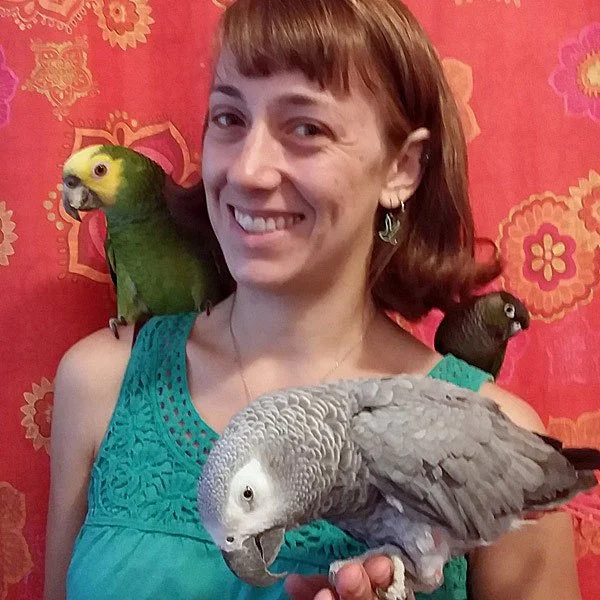
The advanced study of avian oncology continues with a critical follow-up webinar, "Avian Vet Insider – Avian Neoplasia, Part 2," scheduled for Friday, May 8th, 2026, at 12:00 p.m. PST. This session promises to delve deeper into the complex landscape of neoplastic disorders affecting pet birds, building upon the foundational knowledge shared in the initial installment of this specialized two-part series. Presented by the esteemed Dr. Stephanie Lamb, DVM, DABVP (Avian Practice), the webinar underscores the persistent commitment of the avian veterinary community to enhancing understanding and improving outcomes for birds afflicted with cancer. Participants from across the globe are encouraged to utilize the provided time zone converter to ensure timely attendance for this pivotal educational event.
Continuing the Comprehensive Exploration of Avian Cancer
Part 2 of the "Avian Vet Insider" series is specifically designed to conclude the extensive coverage of the myriad neoplastic disorders observed in avian species. While the first installment provided crucial insights into common skin cancers and reproductive tract tumors—areas frequently encountered in avian practice due to their external or easily identifiable clinical signs—this upcoming webinar shifts its focus to more internal and often diagnostically challenging systems. Dr. Lamb will guide attendees through an in-depth examination of neoplasia affecting the gastrointestinal tract and other vital organ systems within the avian body.
Understanding the varied manifestations of cancer in birds, particularly in less accessible internal organs, is paramount for veterinarians and dedicated bird owners alike. Gastrointestinal neoplasia, for instance, can present with subtle and non-specific symptoms such as chronic weight loss, changes in droppings, regurgitation, or altered feeding behaviors, often mimicking other less severe conditions. The webinar aims to equip participants with the knowledge necessary to better recognize these nuanced presentations, understand the diagnostic pathways, and explore current management strategies. Despite the inherent difficulties associated with diagnosing and treating internal cancers in companion birds, informed awareness and a proactive approach remain the most effective tools in mitigating the impact of these challenging disorders.
The Broader Challenge of Avian Neoplasia: A Growing Concern
Neoplasia, or cancer, represents a significant health concern in pet birds, a reality increasingly recognized by avian veterinarians as diagnostic capabilities improve and birds live longer due to better husbandry and nutrition. While precise epidemiological data for all avian species and cancer types remains challenging to compile, necropsy studies and clinical observations suggest that neoplasia is a prevalent cause of morbidity and mortality, particularly in older avian patients. Certain species exhibit predispositions; for example, budgerigars (Melopsittacus undulatus) are frequently diagnosed with renal adenocarcinomas and lipomas, while Amazon parrots (Amazona spp.) show a higher incidence of various tumors, including fibrosarcomas and papillomas. Cockatiels (Nymphicus hollandicus) are also commonly affected by lipomas and xanthomas.
The insidious nature of many avian cancers, combined with birds’ innate ability to mask signs of illness until advanced stages, often complicates early detection. Owners might first notice subtle changes in behavior, appetite, or posture, which can be easily misinterpreted. By the time overt symptoms like palpable masses, severe weight loss, dyspnea, or neurological deficits become apparent, the disease may have progressed significantly, limiting treatment options and prognosis. This underscores the critical need for continuous education for both veterinary professionals and bird owners, emphasizing the importance of routine wellness examinations and heightened vigilance for any unusual signs.
Diagnostic Hurdles and Clinical Presentations
Diagnosing avian neoplasia presents a unique set of challenges compared to mammalian oncology. The small size of many avian patients can make physical examination difficult, limiting the ability to palpate masses or assess organomegaly. Furthermore, the avian skeletal and respiratory anatomy can obscure internal structures on standard radiographs. Advanced imaging techniques, such as ultrasound, computed tomography (CT), and magnetic resonance imaging (MRI), have become invaluable tools, offering detailed cross-sectional views of internal organs. However, these modalities require specialized equipment, expertise, and often general anesthesia, which carries inherent risks for avian patients, especially those already debilitated by disease.
Beyond imaging, definitive diagnosis typically relies on cytology or histopathology obtained via fine needle aspirate, biopsy, or surgical excision. Endoscopy can also play a crucial role, allowing direct visualization and biopsy of internal lesions in the gastrointestinal, respiratory, and coelomic cavities. Blood work, while often non-specific, can sometimes indicate inflammation, organ dysfunction, or paraneoplastic syndromes, guiding further diagnostic investigations. For gastrointestinal neoplasia, clinical signs often include chronic regurgitation, vomiting, changes in fecal consistency or color, undigested food in droppings, anorexia, and progressive weight loss despite a good appetite. These symptoms necessitate a thorough diagnostic work-up to differentiate cancer from other common gastrointestinal issues such as parasitic infections, bacterial overgrowth, or foreign body ingestion.
Advancements in Avian Oncology: Treatment and Management
While avian oncology is a rapidly evolving field, treatment options for avian neoplasia are often adapted from mammalian protocols and require careful consideration of species-specific physiology and metabolism. Surgical excision remains the gold standard for localized and resectable tumors, offering the best chance for a cure. However, the location and invasiveness of the tumor, as well as the patient’s overall health, often dictate the feasibility and success of surgery. For internal tumors, particularly those within the gastrointestinal tract, complete surgical removal can be technically challenging due to delicate tissues and the risk of complications.
Chemotherapy and radiation therapy, while less commonly applied in avian medicine than in mammalian, are increasingly being explored for certain types of avian cancers. Chemotherapeutic agents are typically used in cases of systemic disease or incompletely resected tumors, with dosages carefully extrapolated and monitored for toxicity. Radiation therapy, usually delivered by highly specialized facilities, can be effective for localized tumors that are not amenable to surgery. Supportive care, including pain management, nutritional support, fluid therapy, and anti-inflammatory medications, is a critical component of any treatment plan, often extending quality of life even in cases where a cure is not possible. The webinar will likely touch upon these various modalities, discussing their indications, limitations, and potential outcomes within the context of avian gastrointestinal and other internal cancers.
The "Avian Vet Insider" Series: A Commitment to Specialized Education
The "Avian Vet Insider" webinar series, of which "Avian Neoplasia, Part 2" is a key component, exemplifies a significant commitment to advancing knowledge and fostering continuous professional development within the avian veterinary community. Organized by Lafeber Company, a leader in avian nutrition and health education, these webinars serve as vital platforms for disseminating cutting-edge research, clinical insights, and practical strategies directly from leading experts. The series targets a diverse audience, including practicing avian veterinarians, veterinary technicians, veterinary students, and highly engaged bird owners, all united by a common goal: to improve the health and welfare of companion birds.
By offering specialized topics such as avian neoplasia, the "Avian Vet Insider" series addresses areas that may not be extensively covered in general veterinary curricula but are increasingly relevant in clinical practice. The online format significantly enhances accessibility, allowing professionals and enthusiasts worldwide to participate in high-quality educational content without the constraints of travel or physical attendance. This initiative underscores Lafeber Company’s dedication not only to providing premium nutritional products but also to empowering the avian community with the knowledge required to tackle complex health challenges effectively.
Expert Insight: Dr. Stephanie Lamb’s Contribution
At the forefront of this crucial educational endeavor is Dr. Stephanie Lamb, a highly respected figure in avian medicine. As a Diplomate of the American Board of Veterinary Practitioners (DABVP) specializing in Avian Practice, Dr. Lamb possesses advanced credentials and extensive expertise in the diagnosis, treatment, and management of avian diseases. Her board certification signifies a rigorous commitment to excellence and a deep understanding of the unique physiological and medical needs of avian species.

Dr. Lamb’s participation as a speaker in the "Avian Vet Insider" series highlights her dedication to sharing her knowledge and clinical experience with the broader community. Her ability to translate complex medical concepts into understandable and actionable insights makes her an ideal presenter for topics as intricate as avian neoplasia. Attendees can anticipate a presentation rich in clinical case examples, practical diagnostic approaches, and evidence-based treatment recommendations, drawing directly from her years of specialized practice. Her guidance is invaluable for those seeking to enhance their understanding of avian oncology and improve the care they provide to their feathered patients.
Chronology of a Critical Educational Series
The "Avian Vet Insider – Avian Neoplasia" series was conceptualized as a two-part educational journey to provide comprehensive coverage of a complex and challenging area of avian medicine.
- Initial Planning & Announcement (Late 2025/Early 2026): Following a recognized need for specialized education on avian cancer, the "Avian Vet Insider" team, in collaboration with Dr. Stephanie Lamb, began developing a two-part series. Announcements for both webinars would have been disseminated through professional channels and educational platforms.
- Part 1: Foundational Insights (Early 2026 – specific date inferred prior to May 8, 2026): The first webinar in the series focused on common neoplastic conditions, specifically addressing skin cancers and reproductive tract tumors. This session laid the groundwork, familiarizing participants with the basic principles of avian oncology, common presentations, and initial diagnostic steps for these externally or readily detectable tumor types.
- Part 2: Deepening the Understanding (Friday, May 8th, 2026): The upcoming webinar, "Avian Neoplasia, Part 2," serves as the crucial continuation and conclusion. It expands the discussion to internal organ systems, particularly the gastrointestinal tract, and will likely touch upon other less common but equally devastating internal cancers. This chronological progression allows for a structured and thorough exploration, ensuring that participants build their knowledge systematically from more common and accessible conditions to those requiring more advanced diagnostic and management strategies.
This structured approach ensures that attendees gain a holistic understanding of avian neoplasia, moving from foundational concepts to more intricate and challenging clinical scenarios.
The Importance of Owner Education and Early Intervention
Beyond the veterinary professional, the education of bird owners plays an indispensable role in the early detection and successful management of avian neoplasia. Owners are often the first to notice subtle changes in their bird’s health or behavior, acting as the frontline observers. An informed owner, aware of the potential signs of cancer and the importance of regular veterinary check-ups, is more likely to seek timely professional attention.
Educational initiatives like the "Avian Vet Insider" series, while primarily aimed at veterinarians, indirectly benefit pet owners by fostering a more knowledgeable and proactive veterinary community. When veterinarians are better equipped to diagnose and treat avian cancers, patient outcomes improve. Furthermore, many educational resources derived from such webinars can be adapted and shared with bird owners, empowering them to be more effective advocates for their pets’ health. The ability to recognize non-specific symptoms, understand the importance of baseline diagnostics, and maintain open communication with their avian veterinarian can significantly impact the prognosis for birds suffering from neoplastic diseases.
Statements from Stakeholders
In anticipation of this significant educational event, representatives from the organizing body and Dr. Lamb have emphasized its importance.
A spokesperson for Lafeber Company, organizers of the "Avian Vet Insider" series, stated, "Our mission extends beyond nutrition to encompass comprehensive avian health. The ‘Avian Vet Insider’ series, particularly this deep dive into avian neoplasia, reflects our commitment to arming veterinary professionals with the latest knowledge. We believe that by supporting advanced education, we directly contribute to better health outcomes and a higher quality of life for companion birds everywhere. Dr. Lamb’s expertise is invaluable in navigating such a complex topic."
Dr. Stephanie Lamb herself remarked, "Avian neoplasia presents some of the most challenging cases in veterinary medicine due to the unique physiology of birds and the often subtle progression of the disease. Part 2 of this webinar series is designed to tackle the complexities of internal cancers, such as those affecting the gastrointestinal tract, which can be particularly elusive. My hope is that by sharing current diagnostic approaches and management strategies, we can empower veterinarians to improve early detection rates and enhance the quality of care for their avian patients. Awareness and understanding are our strongest tools in combating this difficult disorder."
Looking Ahead: Implications for Avian Health
The ongoing commitment to specialized education on topics like avian neoplasia has profound implications for the future of avian veterinary medicine. By fostering a well-informed and highly skilled professional community, such initiatives contribute to:
- Improved Patient Outcomes: Enhanced diagnostic capabilities and refined treatment protocols directly lead to earlier detection, more effective interventions, and ultimately, improved prognoses and quality of life for birds affected by cancer.
- Advancements in Research: A more knowledgeable clinical base is better positioned to identify gaps in understanding, contribute to clinical research, and collaborate on studies that push the boundaries of avian oncology.
- Elevated Standards of Care: The widespread dissemination of best practices helps to standardize and elevate the overall quality of avian veterinary care, ensuring that birds receive consistent, high-level medical attention regardless of location.
- Stronger Human-Animal Bond: By extending the lives and improving the health of companion birds, these efforts reinforce the cherished bond between owners and their feathered companions, allowing for more years of companionship and joy.
The "Avian Vet Insider – Avian Neoplasia, Part 2" webinar is more than just an educational session; it is a testament to the dynamic and evolving field of avian medicine, dedicated to confronting significant health challenges head-on.
Registration and Accessibility
Veterinary professionals and interested individuals are encouraged to register for "Avian Vet Insider – Avian Neoplasia, Part 2" well in advance to secure their participation. The webinar is scheduled for Friday, May 8th, 2026, at 12:00 p.m. PST. Given the international audience, participants are strongly advised to utilize the provided online time zone converter to accurately determine the corresponding local time for their region. This ensures that a global community of avian enthusiasts and medical professionals can collectively benefit from Dr. Stephanie Lamb’s invaluable insights into the ongoing battle against avian cancer.

