


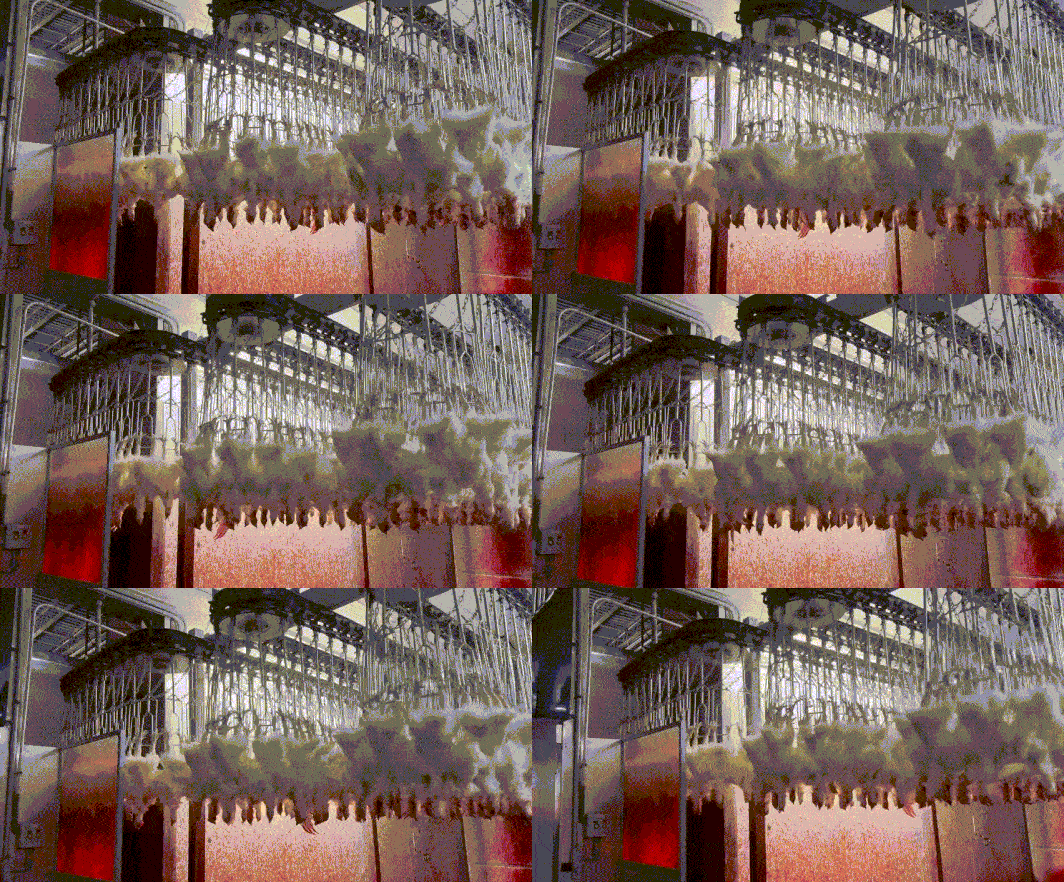
The poultry industry in the United States, particularly the segment focused on organic and "humane" certifications, is facing renewed scrutiny following a series of whistleblower allegations and regulatory findings involving Shenandoah Valley Organic, which operates under the brand name Farmer Focus. While the Harrisonburg, Virginia-based company has built its reputation and premium pricing on the pillars of transparency, farmer ownership, and animal welfare, recent reports suggest a significant disconnect between its public marketing and its operational realities. These allegations, which include the falsification of environmental data and the secret sourcing of conventional factory-farmed poultry, have prompted investigations by regional authorities and sparked a broader debate regarding "humanewashing" and "greenwashing" in the multi-billion-dollar organic meat sector.
Regulatory Findings and Environmental Non-Compliance
The core of the current controversy centers on the Harrisonburg-Rockingham Regional Sewer Authority (HRRSA) and its oversight of the Farmer Focus slaughter facility. According to documents and whistleblower testimony, the facility has been the subject of intense monitoring throughout 2026 following concerns over its wastewater discharge. A whistleblower, formerly associated with the plant, reported to state officials that employees were instructed to filter wastewater samples before submitting them for regulatory testing. This process was allegedly designed to artificially lower the recorded levels of harmful particulates, thereby avoiding fines and maintaining the appearance of compliance with environmental standards.
The HRRSA’s subsequent independent testing appears to corroborate these claims. In the first half of 2026 alone, the authority issued four separate Notices of Violation (NOVs) to Farmer Focus. These violations were tied to several critical environmental metrics, including:
- Total Suspended Solids (TSS): The facility consistently discharged levels of organic materials—including chicken fat, grease, and feathers—well above the permitted limits.
- Nitrogen Levels: Excess nitrogen in wastewater is a primary driver of eutrophication, a process that depletes oxygen in water bodies and leads to "dead zones" where aquatic life cannot survive.
- pH Imbalances: The wastewater was found to be overly acidic, which can corrode public infrastructure and disrupt the biological processes used by municipal treatment plants to clean water.
- Biological Pathogens: High levels of organic waste increase the risk of introducing pathogens such as E. coli into the public sewer system.
The environmental impact of these violations extends beyond the immediate vicinity of Harrisonburg. The facility’s wastewater eventually flows into the North River, which feeds into the Shenandoah River and ultimately the Chesapeake Bay. The Chesapeake Bay has been the focus of decades-long restoration efforts, with nitrogen and sediment runoff from the poultry industry cited as leading obstacles to the bay’s ecological recovery.
The George’s Inc. Connection and Traceability Concerns
Farmer Focus has long marketed its "Traceable" brand, allowing consumers to enter a code from their chicken packaging onto a website to see the specific farm where the bird was raised. This transparency is a cornerstone of the company’s "Farmer-First" business model. However, whistleblower reports and internal invoices obtained by animal rights organization PETA suggest that this traceability may be compromised.
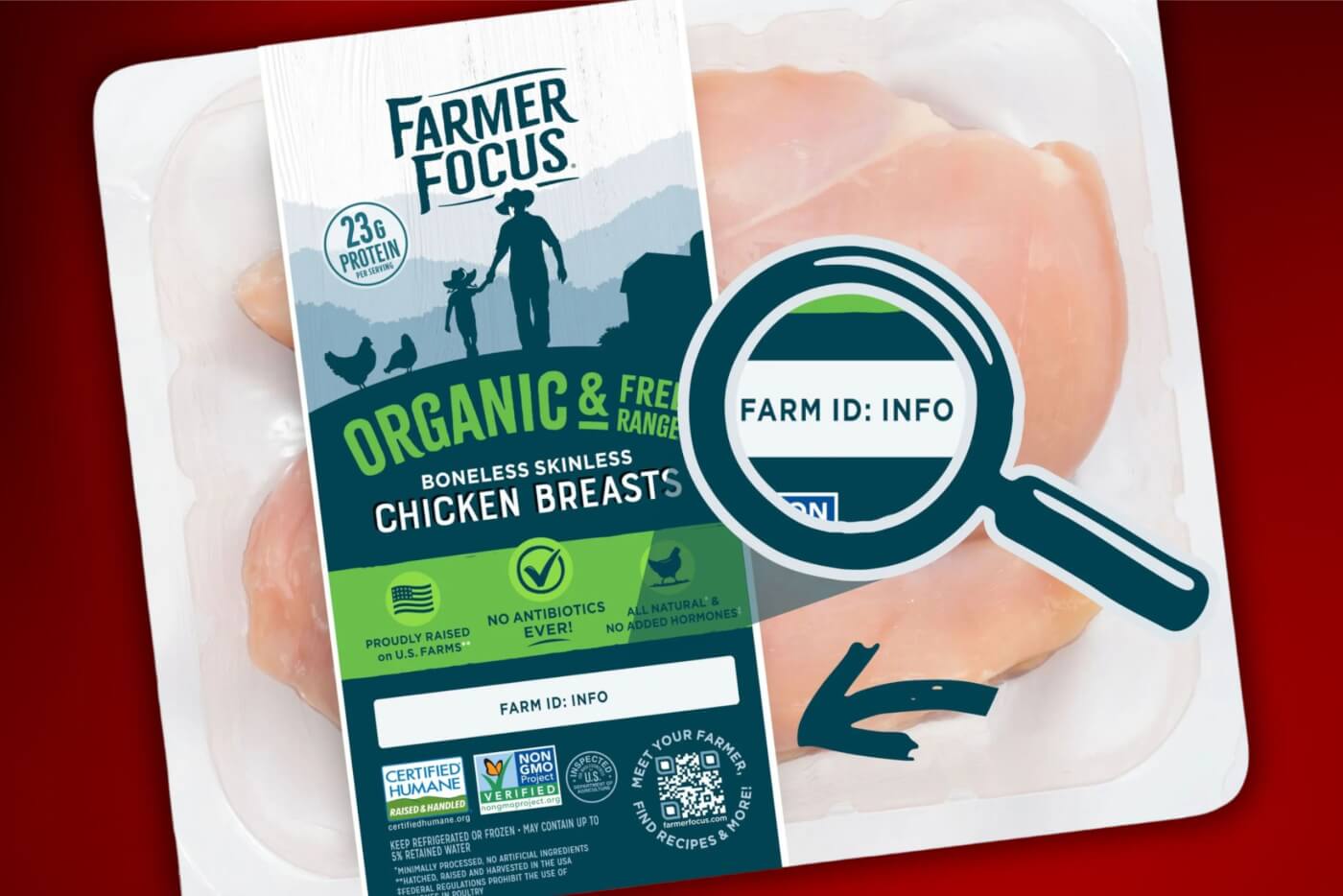
According to two specific invoices dated in early 2026, Shenandoah Valley Organic purchased over 50,000 pounds of chicken from George’s Inc., a massive conventional poultry producer known for industrial-scale factory farming. The whistleblower alleges that this meat was integrated into the Farmer Focus supply chain and resold to consumers. This revelation stands in direct opposition to the company’s public-facing claims that all its chickens are processed exclusively in its own USDA Organic facilities and are never sourced from outside conventional companies.
The discrepancy raises significant legal and ethical questions regarding truth-in-advertising. George’s Inc. has a documented history of USDA violations, including reports of birds dying from extreme temperatures during transport and instances of improper handling at slaughterhouses. If Farmer Focus is indeed "co-mingling" conventional meat with its organic, humane-certified products, it could face investigations into consumer fraud and violations of the National Organic Program (NOP) standards.
Chronology of Recent Events and Investigations
The timeline of the current crisis reflects a growing pattern of regulatory and advocacy pressure:
- Late 2024 – Early 2025: PETA conducts initial investigations into Farmer Focus, challenging the validity of its "humane" claims based on industry-standard slaughter practices that the organization argues are inherently cruel regardless of the label.
- January – March 2026: The HRRSA records multiple instances of non-compliant wastewater discharge at the Harrisonburg plant.
- April 2026: Invoices surface showing the purchase of 50,000 pounds of poultry from George’s Inc., a move that contradicts Farmer Focus’s "100% traceable" marketing.
- May 2026: A whistleblower comes forward with allegations of sample tampering. The HRRSA increases monitoring and confirms that its samples show significantly higher pollutant levels than those provided by the company.
- May 28, 2026: Detailed reports of the wastewater violations and the potential falsification of data are made public, leading to calls for state-level environmental probes.
Animal Welfare and the "Humane" Label
A significant portion of the criticism directed at Farmer Focus involves the "Global Animal Partnership" (GAP) certification and other humane labels. PETA and other advocacy groups argue that these certifications often provide a "veneer of kindness" to practices that remain industrial in nature.
In the case of the poultry sourced from George’s Inc., the welfare standards are starkly different from what Farmer Focus consumers expect. Public records from the USDA reveal that George’s Inc. facilities have been cited for:
- Over 2,500 chickens found dead on trucks due to exposure to freezing temperatures (37 degrees Fahrenheit).
- Incidents of birds being "burned alive" in scalding tanks due to improper stunning.
- Birds dying of heat stroke in transport trailers during summer months.
- Physical abuse by workers, including birds being thrown against walls.
By allegedly sourcing from such entities, Farmer Focus is accused of profiting from the lower production costs of factory farming while charging the premium prices associated with ethical farming. This practice, often termed "humanewashing," undermines the market for truly high-welfare farmers who adhere to strict, and often more expensive, protocols.
Industry Implications and Market Analysis
The situation surrounding Farmer Focus is indicative of a larger trend within the "Natural and Organic" meat industry. As consumer demand for ethical products grows, companies face immense pressure to scale up production. This scaling often leads to the adoption of industrial efficiencies that are at odds with the original "small-farm" ethos of the brands.
Industry analysts suggest that the Farmer Focus case could lead to:
- Increased Regulatory Oversight: The USDA and the Environmental Protection Agency (EPA) may implement stricter verification requirements for "traceability" claims.
- Litigation Risks: Class-action lawsuits are a common result when premium-priced products are found to be misrepresented. If consumers can prove they paid more for "humane" or "sustainable" chicken that was actually conventional, the financial liabilities could be substantial.
- Consumer Skepticism: Frequent "greenwashing" scandals erode trust in third-party certifications, potentially hurting the entire organic sector as consumers become wary of all "ethical" labels.
Responses and Future Outlook
While Farmer Focus has historically defended its practices by highlighting its third-party certifications and its support for independent farmers, the specific allegations of data falsification and conventional meat sourcing require a more robust response. To date, the company has emphasized its commitment to sustainability, but the HRRSA’s findings of repeated wastewater violations present a factual challenge to that narrative.
Environmental groups are calling for the Virginia Department of Environmental Quality (DEQ) to step in, arguing that the HRRSA’s notices of violation are insufficient for a "repeat offender" allegedly engaged in deceptive practices. They suggest that heavy fines and a mandatory overhaul of the plant’s filtration systems are necessary to protect the Shenandoah watershed.
The outcome of these investigations will likely serve as a bellwether for the poultry industry. If a company as highly regarded as Farmer Focus—once seen as a leader in the "better meat" movement—is found to have systematically deceived the public and regulators, it may signal a need for a total systemic shift in how food production is monitored in the United States. For now, the combination of whistleblower testimony and objective regulatory data suggests that the "focus" of the company may have shifted from the welfare of farmers and animals to the protection of its bottom line at the expense of the environment and consumer trust.

