


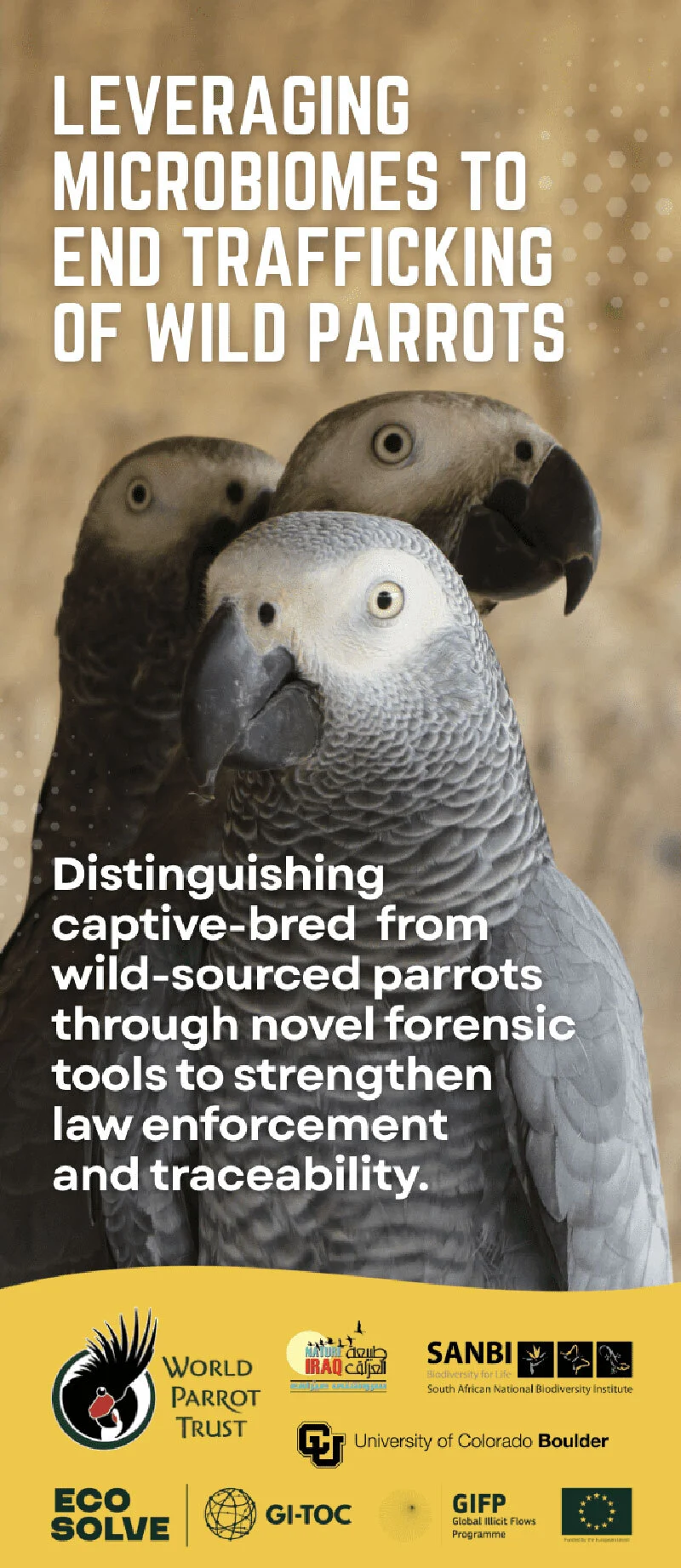
Groundbreaking research and investigative tools powered by genomics are rapidly transforming the global fight against the illegal wildlife trade, offering unprecedented precision in unmasking illicit activities. The development of sophisticated sequencing machines has enabled scientists to map entire genomes—the complete set of DNA within an organism—opening the door to powerful new methodologies. These advancements facilitate the identification of species, individuals, and even the mapping of entire communities of organisms through metagenomics, providing critical forensic evidence to disrupt criminal networks that exploit vulnerable wildlife populations.
The Rise of Genomic Forensics in Conservation
At its core, genomics represents a profound leap beyond traditional DNA analysis. While DNA analysis often focuses on specific genes or markers to identify individuals or parentage, genomics delves into the entirety of an organism’s genetic blueprint. This comprehensive view allows for a much richer understanding of an animal’s origin, health, and even its recent environmental exposures. Metagenomics, a specialized branch, takes this a step further by analyzing genetic material directly from environmental samples, enabling scientists to identify and characterize entire microbial communities within a given sample, such as an animal’s gut.
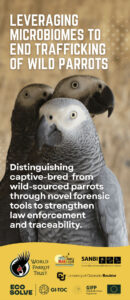
For conservationists, this technology is a potential game-changer in the relentless fight against the illegal wildlife trade, a multi-billion-dollar criminal enterprise that devastates biodiversity globally. Forensic scientists are now developing and deploying innovative tools that leverage the unique genetic signatures found in gut microbiomes to distinguish between wild-sourced and captive-bred parrots. This distinction is paramount because unscrupulous wildlife traffickers routinely exploit legal supply chains, falsely labeling wild-caught birds as captive-bred to circumvent international regulations and smuggle them into legitimate markets. The sheer volume of this deceptive trade is staggering, with implications for numerous species, but none more acutely felt than by the iconic African Grey Parrot.
A Species Under Siege: The Plight of the African Grey Parrot
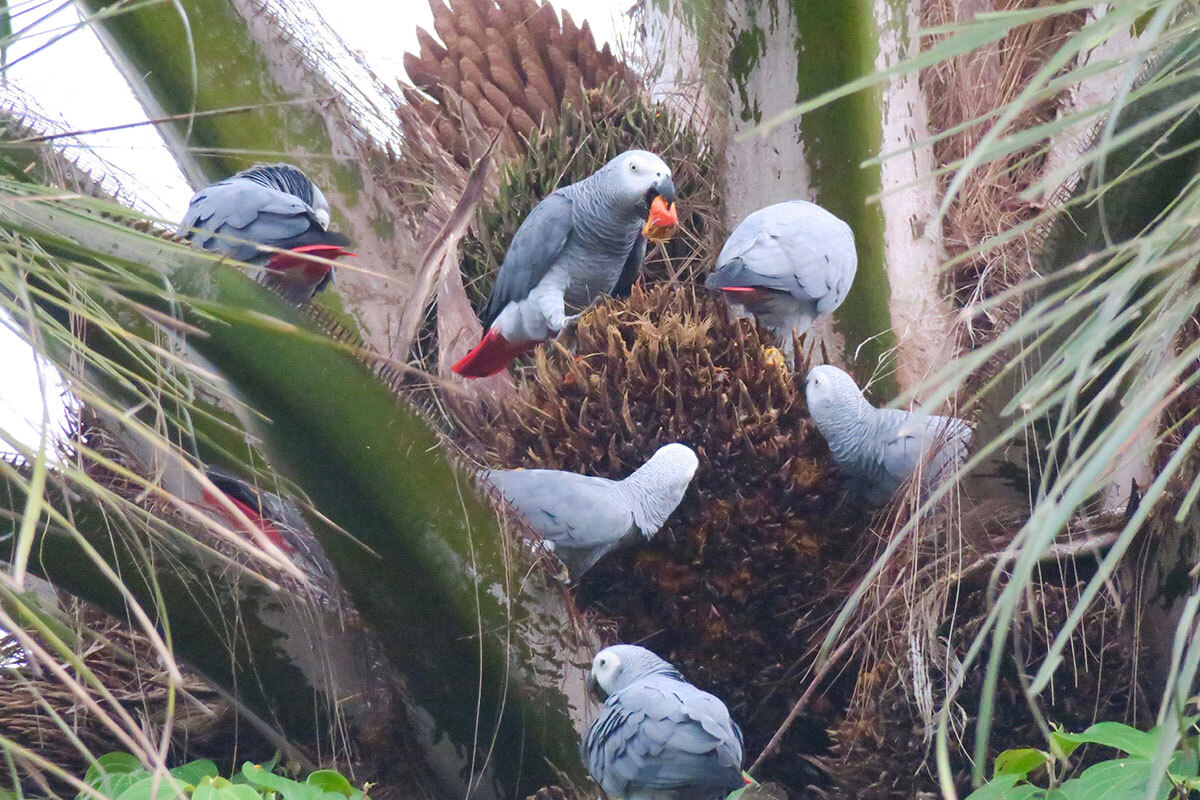
The African Grey Parrot (Psittacus erithacus), renowned for its exceptional intelligence and ability to mimic human speech, is one of the most heavily trafficked bird species in the world. Native to the rainforests of Central and West Africa, these highly social birds face immense pressure from habitat destruction and, more significantly, from the insatiable demand of the international pet trade. Their popularity has driven extensive poaching, leading to drastic population declines across their natural range. The International Union for Conservation of Nature (IUCN) lists the African Grey Parrot as Endangered, reflecting a catastrophic reduction in their numbers, estimated to be between 50-90% in some areas over the past few decades.
Recognizing the severity of this crisis, the Convention on International Trade in Endangered Species of Wild Fauna and Flora (CITES) took decisive action in October 2016, up-listing the African Grey Parrot from Appendix II to Appendix I. This designation signifies that the species is threatened with extinction and prohibits international commercial trade in wild-caught specimens. However, CITES Appendix I does permit trade in captive-bred individuals, a loophole that criminal networks have masterfully exploited.
Since the CITES Appendix I listing, a disturbing trend has emerged. Data indicates that since 2020, over 46,000 African Grey Parrots have been exported from South Africa alone, often declared as "captive-bred." This figure immediately raises red flags for conservationists, as the capacity for legitimate, large-scale captive breeding operations to produce such vast numbers is highly questionable. Genomics now offers investigators a powerful, objective means to verify—or definitively challenge—these claims of captive breeding. Dr. Rowan Martin, Director of the World Parrot Trust’s Africa Program, emphasizes the urgency: "The scale of claimed captive breeding is simply implausible in many instances. Genomics provides the scientific rigor needed to expose fraudulent declarations and protect the integrity of the CITES framework."
Unmasking Deception: The Microbiome as a Witness
The scientific principle behind using gut microbiomes as forensic indicators is elegantly simple yet incredibly powerful. An animal’s microbiome—the community of microorganisms living within its gut—is profoundly shaped by its diet, environment, and overall lifestyle. A wild parrot consuming a diverse range of native fruits, seeds, and insects in a complex forest ecosystem will harbor a vastly different gut microbiome compared to a parrot raised in captivity on commercial pellets and a limited range of supplemental foods. These differences are genetically encoded within the microbial populations, creating a unique "fingerprint" that can be read through metagenomic sequencing.
Forensic scientists can analyze fecal samples or gut contents from confiscated birds. By sequencing the DNA present in these samples, they can identify the species and relative abundance of bacteria, fungi, and other microorganisms. Advanced bioinformatics algorithms then compare these microbial profiles against established databases of known wild and captive populations. A bird declared as captive-bred but exhibiting a microbiome profile characteristic of wild-foraged diets and natural habitats can be scientifically identified as having been illegally caught from the wild. This objective evidence is crucial for prosecution, as it moves beyond subjective observations or potentially falsified paperwork.
"The gut microbiome acts as a biological passport, documenting an animal’s journey and origins," explains a lead researcher in conservation genomics. "It’s a robust, empirical method that offers an unparalleled level of detail, making it incredibly difficult for traffickers to dispute." This innovative approach is particularly effective because the gut microbiome rapidly adapts to environmental changes, meaning that even a relatively short period in the wild will leave a discernible signature.
The Global Battle Against Wildlife Trafficking
The illegal wildlife trade is one of the most lucrative forms of transnational organized crime, estimated to be worth between $7 billion and $23 billion annually. It ranks alongside drug trafficking, human trafficking, and arms dealing in terms of scale and profitability. This trade not only pushes species to the brink of extinction but also fuels corruption, destabilizes economies, and can even contribute to the spread of zoonotic diseases.
Each year, huge numbers of parrots, along with countless other species, are bred and traded between countries. This legal trade, while necessary for legitimate pet ownership and conservation breeding programs, inadvertently creates vast opportunities for laundering wild birds into legal supply chains. Regulators tasked with protecting wild populations of threatened parrots from illegal capture face major challenges. Traditional methods of verification, often relying on visual inspection, microchips, or paper documentation, are easily circumvented by sophisticated criminal enterprises.
Metagenomics, by providing an immutable scientific truth about an animal’s origin, enables the robust monitoring of legal supply chains for wildlife. It serves as a powerful deterrent, making it riskier and more difficult for traffickers to pass off wild-caught animals as captive-bred. More importantly, it provides investigators with concrete, undeniable evidence to uncover the trafficking networks themselves, leading to arrests and prosecutions. The ability to pinpoint the origin of a trafficked animal can help trace back through the supply chain, identifying key players, routes, and points of consolidation.
From Lab to Field: The Future of Portable Sequencing
A significant bottleneck in traditional genetic forensics has been the reliance on large, expensive, and specialized laboratory equipment. Traditional DNA sequencers are often the size of a refrigerator, requiring dedicated facilities, highly trained personnel, and considerable time for sample processing and analysis. However, the landscape of genomic technology is rapidly evolving.
The future envisions a paradigm shift, where portable DNA sequencing devices, roughly the size of a USB flash drive, become commonplace. These miniaturized sequencers, such as those developed by Oxford Nanopore Technologies, are capable of performing DNA sequencing in real-time, outside of a conventional laboratory setting. This technological leap promises to be truly transformative for investigative fieldwork:
- Rapid On-Site Analysis: Investigators in remote locations, at border crossings, or during raids can potentially obtain genetic information within hours, rather than weeks or months. This speed is critical for making timely enforcement decisions and preventing further movement of trafficked animals.
- Increased Accessibility and Cost-Effectiveness: The portability and potentially lower operational costs of these devices make sophisticated genomic analysis accessible to a wider range of conservation organizations and law enforcement agencies, including those in developing countries often at the front lines of wildlife trafficking.
- Reduced Chain of Custody Issues: By conducting initial analysis at the point of confiscation, the risk of sample degradation or contamination is reduced, and the integrity of the evidence is strengthened.
- Empowerment of Local Communities: Training local conservationists and rangers to use these tools could empower them to gather crucial intelligence and evidence directly, fostering greater self-sufficiency in wildlife protection efforts.
Imagine a scenario where a customs official at an airport can swab a suspicious bird, insert the sample into a handheld device, and within an hour receive a preliminary genetic report indicating a high probability that the bird was wild-caught, regardless of its accompanying paperwork. This real-time intelligence would be invaluable for immediate intervention and further investigation.
Collaborative Efforts and Broader Implications
The advancement and deployment of these genomic tools are not solely the work of isolated scientists; they are the product of collaborative efforts between research institutions, conservation NGOs, and governmental agencies. Organizations like the World Parrot Trust play a pivotal role in translating cutting-edge science into practical conservation solutions. This month’s donation from Lafeber, a company dedicated to avian health and nutrition, specifically supports the World Parrot Trust’s mission to integrate microbiome profiling as a routine forensic tool.
This financial backing is critical for ongoing research, the development of comprehensive reference databases for wild parrot populations, and the training of personnel in forensic genomics techniques. By identifying the origin of these birds through non-invasive sampling, conservationists and law enforcement can effectively slow the laundering of wild parrots through legal supply chains and provide robust protection for high-risk species.
The implications of this genomic revolution extend far beyond parrots. The same principles of microbiome profiling or even direct genomic sequencing can be applied to combat the illegal trade in a multitude of species. From distinguishing farmed pangolins from wild-caught ones, to verifying the origin of timber, or identifying the geographical source of rhino horn or ivory, genomic forensics offers a versatile and powerful suite of tools. It represents a significant step towards a future where scientific evidence plays an undeniable role in wildlife law enforcement, strengthening legal frameworks, and holding criminals accountable.
As global biodiversity faces unprecedented threats, the integration of genomics into conservation efforts offers a beacon of hope. It empowers investigators with objective, irrefutable evidence, turning the tide against sophisticated criminal networks and providing a vital defense for the world’s most endangered species, ensuring a future where wild animals can thrive in their natural habitats, free from the clutches of illegal exploitation.

