


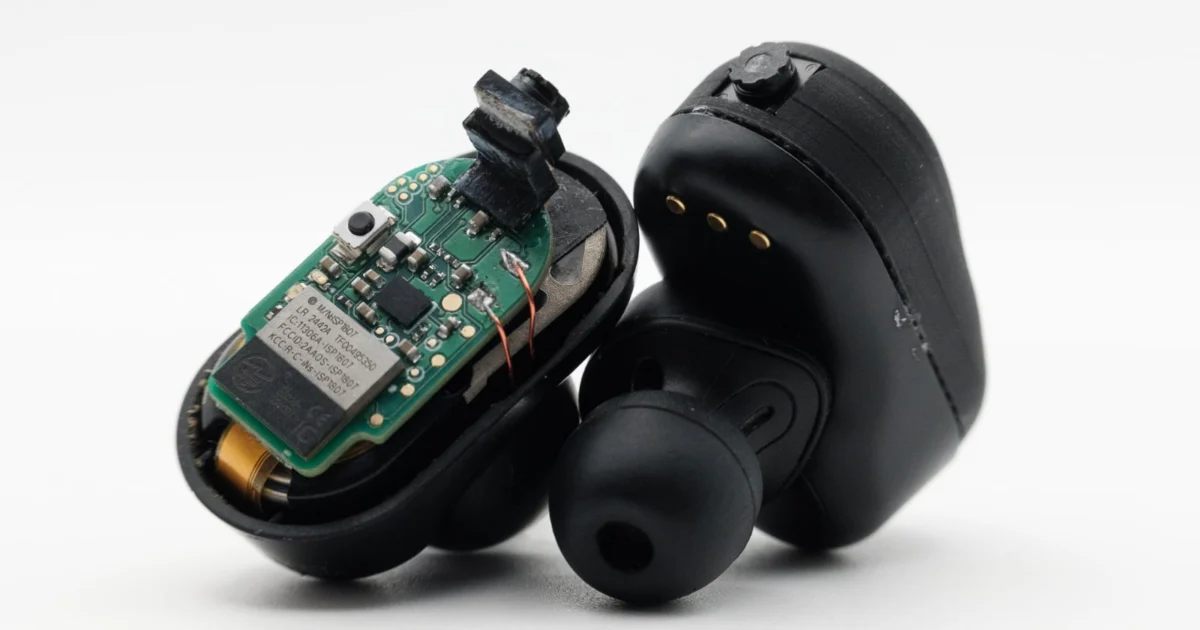
In a significant leap for wearable technology and ambient computing, researchers at the University of Washington have unveiled a prototype system that integrates miniature cameras into standard, off-the-shelf wireless earbuds. Known as VueBuds, this innovation represents the first successful attempt to embed visual sensors into the earbud form factor to facilitate real-time interaction with artificial intelligence. Unlike traditional wearable cameras designed for photography or videography, the VueBuds system is engineered specifically for "visual intelligence," allowing users to ask an AI model questions about their immediate surroundings based on low-resolution images captured from the perspective of the user’s head.
The development, led by a team at the Paul G. Allen School of Computer Science & Engineering, addresses a long-standing hurdle in the wearable tech industry: the social and ergonomic friction associated with smart glasses and head-mounted displays. By utilizing a device that millions of people already wear daily, the researchers hope to democratize access to multimodal AI—artificial intelligence that can both "see" and "hear"—without the privacy concerns and aesthetic drawbacks of more conspicuous hardware.
Technical Architecture of the VueBuds System
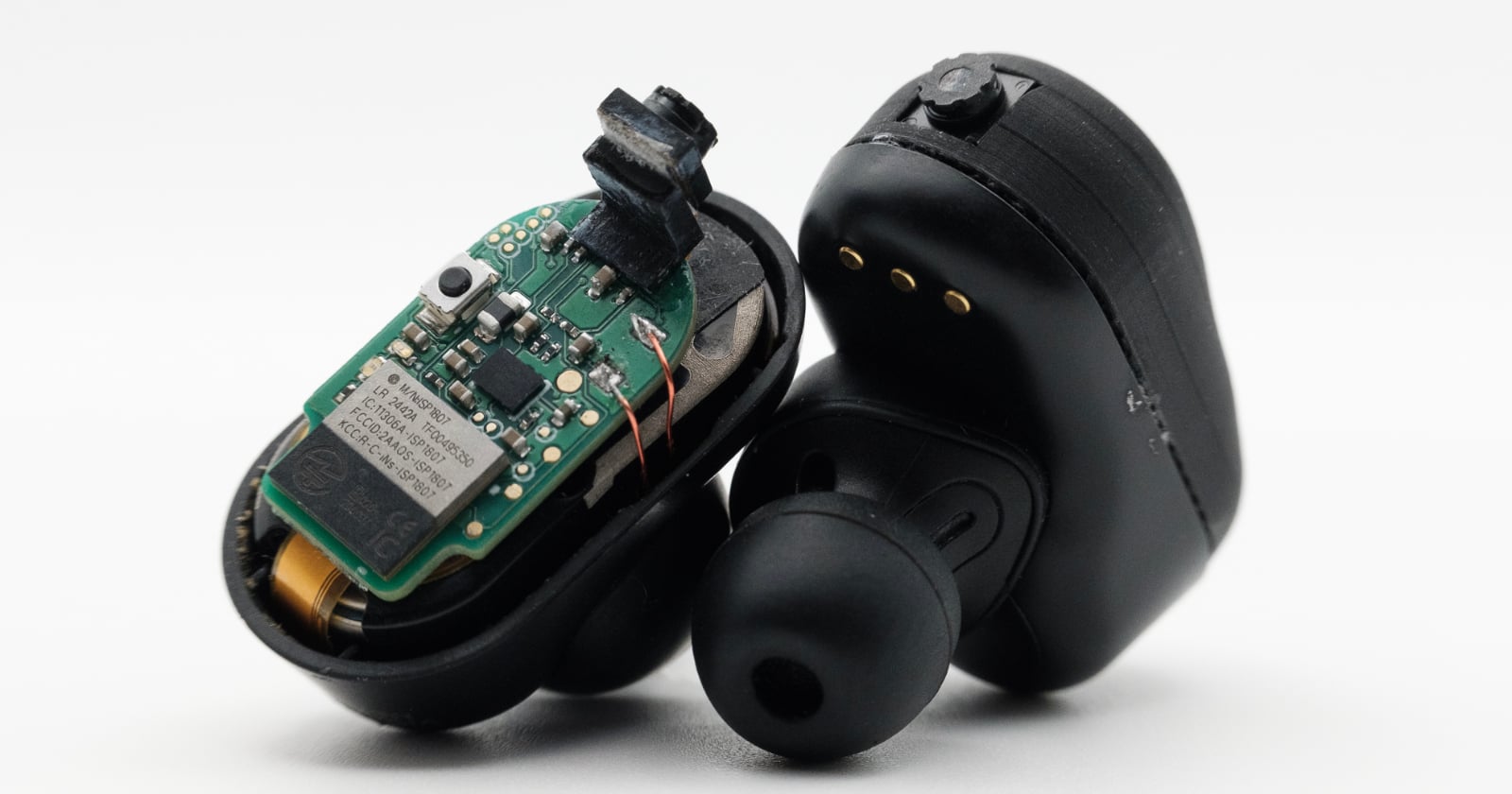
The core of the VueBuds prototype is a camera sensor roughly the size of a single grain of rice. These sensors are embedded into the external casing of the earbuds, positioned to capture the environment in front of the wearer. To overcome the physical limitations of the human anatomy, specifically the tendency for the user’s face or ears to obstruct the lens, the researchers experimented with various mounting angles.
Data from the study indicates that by tilting the cameras outward by approximately 5 to 10 degrees, the system achieves a horizontal field of view (FOV) ranging between 98 and 108 degrees. This wide-angle perspective is sufficient to capture objects held at arm’s length or signs at a distance. While the team identified a small "blind spot" for objects held closer than 7.8 inches (approximately 20 centimeters), they noted that this limitation rarely impacts common use cases, such as reading product labels or identifying landmarks.
To maintain a low power profile and ensure compatibility with standard Bluetooth bandwidth, VueBuds do not stream continuous video. Instead, they capture low-resolution, grayscale (black-and-white) still images. These images are transmitted via Bluetooth to a paired smartphone, where a localized AI model processes the visual data. This architectural choice serves two purposes: it preserves the battery life of the tiny earbud cells and ensures that sensitive visual data is processed locally on the user’s device rather than being uploaded to a centralized cloud server.
Chronology of Wearable Visual Intelligence
The journey toward VueBuds is rooted in over a decade of experimentation with head-mounted cameras. The timeline of this technology reflects a shift from "capture-centric" devices to "intelligence-centric" assistants:
- 2013 – The Google Glass Era: Google introduced Glass, a pioneer in the field. However, it faced significant backlash due to the "glasshole" social stigma and fears that the high-resolution camera was constantly recording bystanders.
- 2016-2021 – Snap Spectacles and Early Meta Attempts: These devices focused on social media sharing, allowing users to record short video clips. While more stylish than Google Glass, they remained niche products.
- 2023-2024 – The Rise of AI Glasses: Meta’s partnership with Ray-Ban and the emergence of devices like the Ai Pin and Rabbit R1 signaled a move toward "screenless" AI. These devices use cameras primarily to provide context to Large Language Models (LLMs).
- 2025-2026 – The Integration Phase: Researchers began looking for ways to hide cameras in existing peripherals. The University of Washington’s VueBuds represent the pinnacle of this phase, moving the camera from the frame of a pair of glasses to the even more discreet housing of an earbud.
The University of Washington team, including lead author Maruchi Kim and senior author Shyam Gollakota, spent several years refining the placement and power management of these sensors. Their research, presented at the CHI Conference on Human Factors in Computing Systems, marks the transition of this technology from a theoretical concept to a functional prototype.
Practical Applications and Use Cases
The primary utility of VueBuds lies in their ability to act as a "contextual assistant." Because the camera follows the movement of the user’s head, the AI inherently understands what the user is looking at. During testing, researchers demonstrated several key applications:
- Real-Time Translation: A user looking at a package of "Naengmyeon" (Korean cold noodles) could trigger the system by saying, "Hey Vue, translate this for me." The system captures an image, recognizes the text, and provides an audio translation directly into the earbud within approximately one second.
- Accessibility for the Visually Impaired: One of the most promising applications is assisting individuals with low vision. The system can describe scenes, identify obstacles, or read expiration dates on grocery items, providing a layer of independence without the need for bulky specialized equipment.
- Travel and Navigation: For travelers, the system can identify landmarks or provide directions based on street signs visible to the camera, creating a hands-free navigation experience.
Despite these successes, the current prototype has limitations. Because the sensors are grayscale, the AI cannot currently answer questions regarding color (e.g., "What color is this shirt?"). Researchers have indicated that while color sensors could be integrated, they would require higher power consumption and more sophisticated processing, which might compromise the current "local-only" privacy model.
Addressing Privacy and Social Acceptability
Privacy remains the most significant hurdle for any camera-equipped wearable. The VueBuds team has implemented several hardware and software safeguards to mitigate these concerns.
First, the system includes a physical indicator light that illuminates whenever the camera is active. This provides a visual cue to anyone in the user’s vicinity that an image is being captured. Second, by focusing on low-resolution, grayscale imagery, the system intentionally avoids capturing the level of detail that would be required for facial recognition or high-definition surveillance.
"We haven’t seen most people adopt smart glasses or VR headsets, in part because a lot of people don’t like wearing glasses, and they often come with privacy concerns," explained senior author Shyam Gollakota. "But almost everyone wears earbuds already. We wanted to see if we could put visual intelligence into tiny, low-power earbuds, and also address privacy concerns in the process."
The decision to process data locally on the smartphone is perhaps the most critical privacy feature. By avoiding the cloud, the researchers ensure that the user’s visual history is not stored on corporate servers, reducing the risk of data breaches or unauthorized tracking.
Industry Implications and the Apple Factor
The academic breakthrough of VueBuds arrives amidst intensifying rumors that major tech players are exploring similar paths. Industry analysts have pointed to reports that Apple is currently testing AirPods equipped with low-resolution infrared or optical cameras. Apple’s rumored project, internally codenamed "B798," is believed to be part of a broader strategy to enhance the capabilities of Siri and the Apple Intelligence ecosystem.
The alignment between the University of Washington’s research and Apple’s reported trajectory suggests a consensus in the tech industry: the ear is the next frontier for the "eyes" of AI. If earbuds can provide the visual context needed for AI to understand the world, the need for bulky smart glasses may diminish for the average consumer.
Furthermore, the "hearable" market is significantly larger than the smart glasses market. By 2026, the global wireless earbud market is projected to exceed hundreds of millions of units annually. Integrating AI cameras into this established product category could lead to the fastest adoption of wearable visual AI in history.
Future Outlook and Research Directions
While VueBuds are currently a research prototype, the implications for the future of human-computer interaction are profound. The team at the University of Washington plans to continue refining the system, with a focus on reducing the latency between the voice command and the AI’s response. They are also investigating the use of specialized, even lower-power AI models that could run directly on the earbud’s internal processor, further reducing the reliance on a paired smartphone.
"This study lets us glimpse what’s possible just using a general-purpose language model and our wireless earbuds with cameras," said Maruchi Kim. "But we’d like to study the system more rigorously for applications like reading a book for people who have low vision or are blind, or translating text for travelers."
The transition from grayscale to color, the improvement of low-light performance, and the integration of depth sensors are all on the horizon. However, the success of VueBuds suggests that the "rice-grain" camera approach—prioritizing discretion and efficiency over raw resolution—may be the key to making wearable AI a ubiquitous part of daily life.
As AI models become more adept at understanding the physical world, the hardware that houses them must become more invisible. VueBuds represent a pivot toward this "invisible" future, where technology does not sit on the face or cover the eyes, but resides quietly in the ear, ready to assist whenever the user looks, listens, and asks.

