


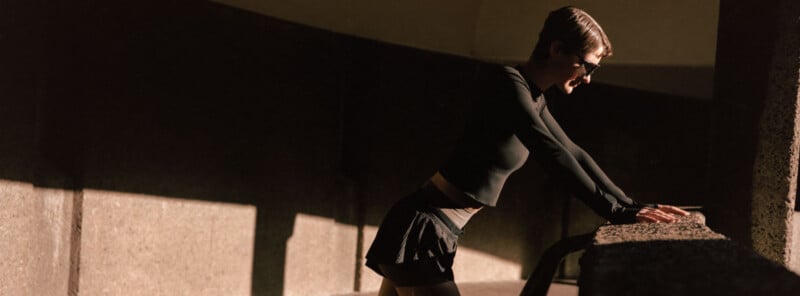
The intersection of high-speed athletic movement and the slow, deliberate nature of analog photography serves as the foundation for a recent editorial project conducted by photographer Tom Kluyver. Featuring professional sports model Maud, the shoot sought to answer a fundamental creative question: can a compelling narrative be constructed through a limited sequence of frames using a panoramic film camera? By selecting the Hasselblad XPan—a camera renowned for its cinematic 24x65mm aspect ratio but rarely utilized for sports-related assignments—Kluyver aimed to challenge the conventions of modern editorial photography, which often relies on the rapid-fire capabilities of digital systems.
The Technical Context of the Hasselblad XPan
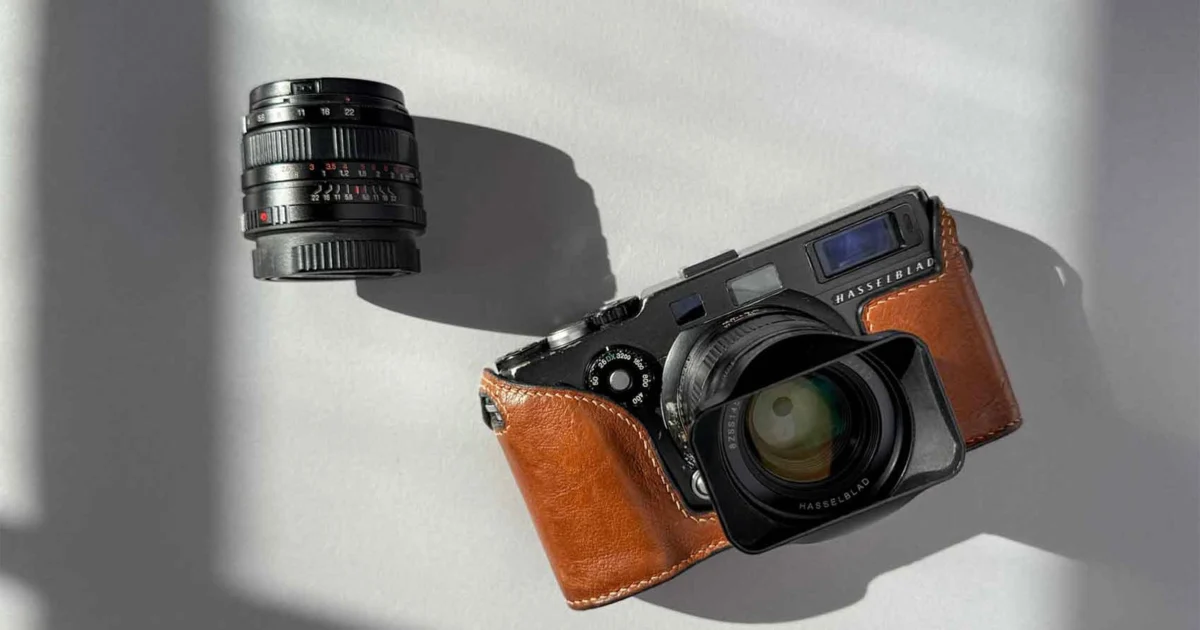
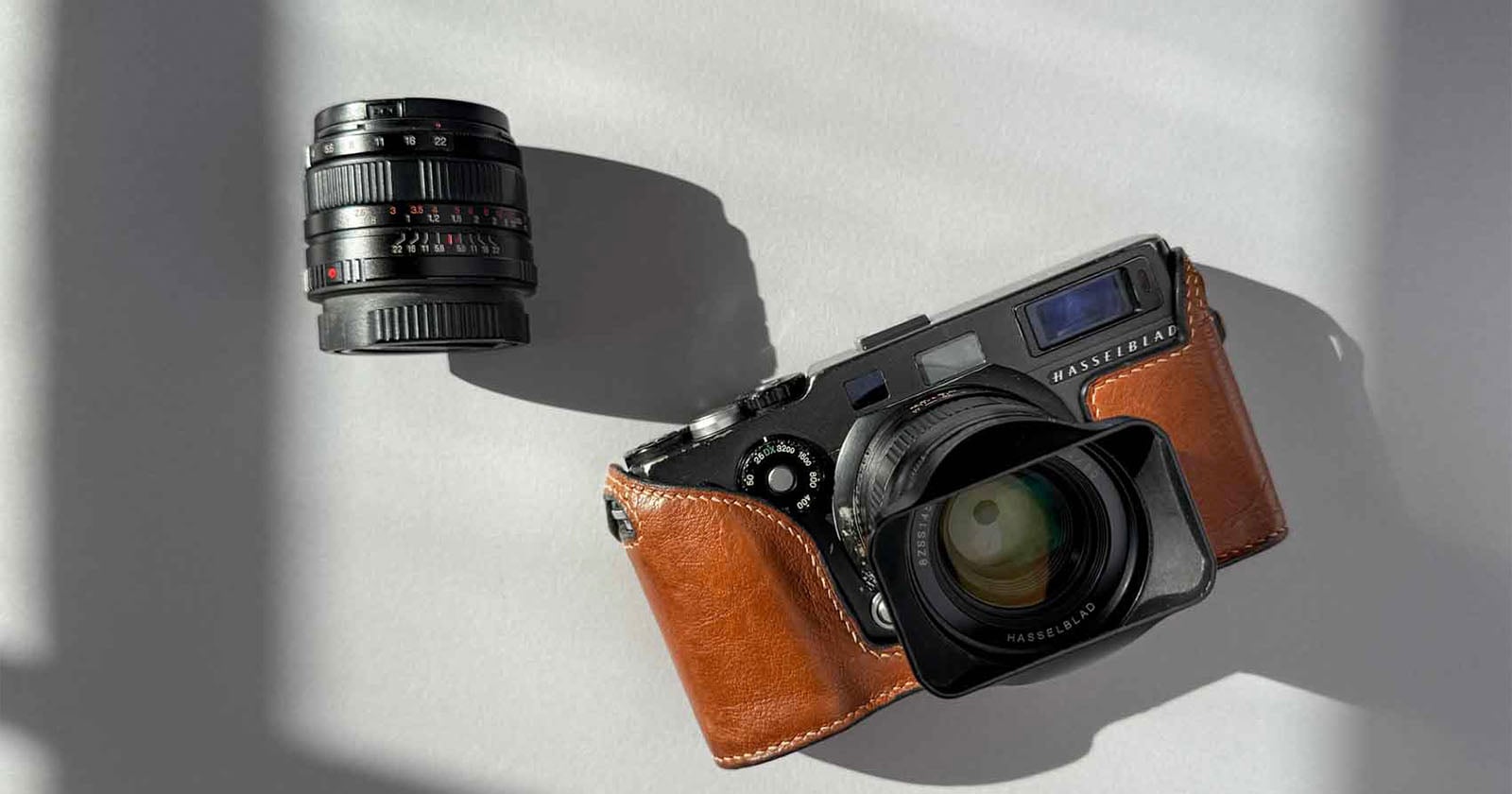
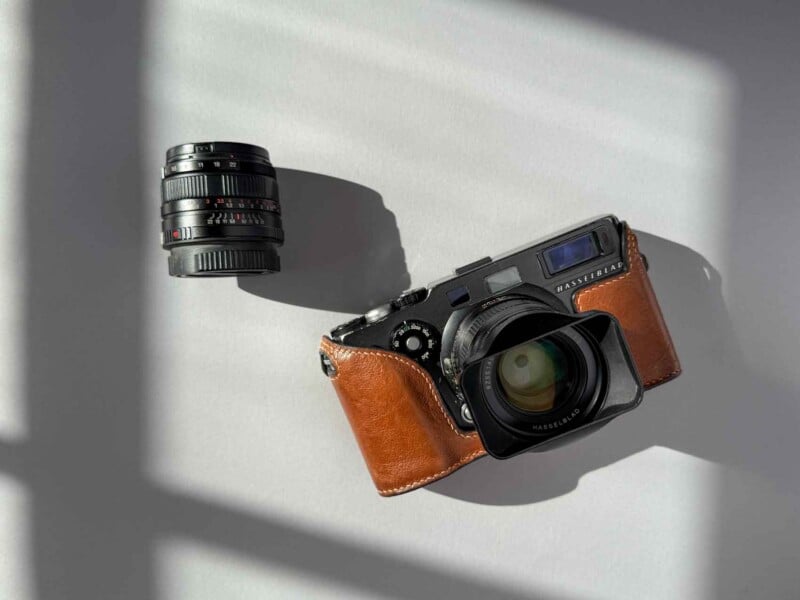
To understand the complexity of this project, one must consider the specific hardware involved. The Hasselblad XPan, released in 1998 as a joint venture between Hasselblad and Fujifilm (where it was marketed as the TX-1), is a unique dual-format 35mm rangefinder. Unlike standard 35mm cameras that produce a 24x36mm image, the XPan allows photographers to switch to a panoramic mode that captures a frame nearly twice as wide.
This format presents significant technical hurdles for action photography. First, the camera is strictly manual focus, requiring precise coordination between the photographer and the subject. Second, the lenses available for the system—most notably the 45mm f/4 and 90mm f/4 used in this shoot—have relatively small maximum apertures, making them less than ideal for low-light or high-shutter-speed environments without high-speed film. Finally, the camera provides only 21 exposures on a standard 36-exposure roll when shot in panoramic mode, necessitating an extremely high "hit rate" compared to digital cameras that can capture thousands of images in a single session.
Strategic Location Selection: The Barbican Estate
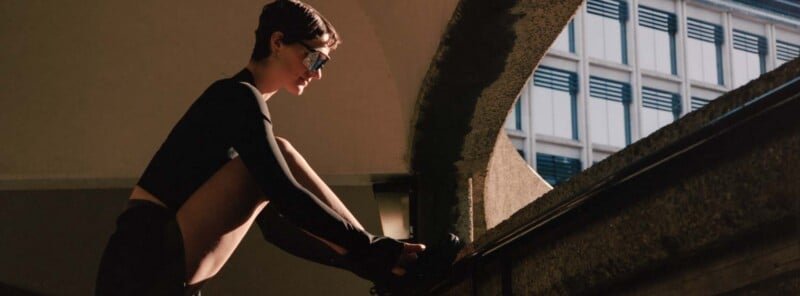
The choice of the Barbican Estate in London as the backdrop was a calculated decision rooted in architectural and visual theory. Completed in the 1970s and designed by the firm Chamberlin, Powell and Bon, the Barbican is one of the world’s most prominent examples of Brutalist architecture. Its massive concrete forms, repetitive geometric patterns, and sharp, angular lines provide a graphic weight that complements the panoramic frame.
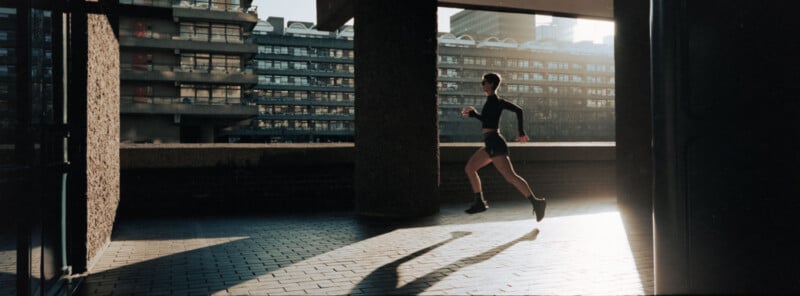
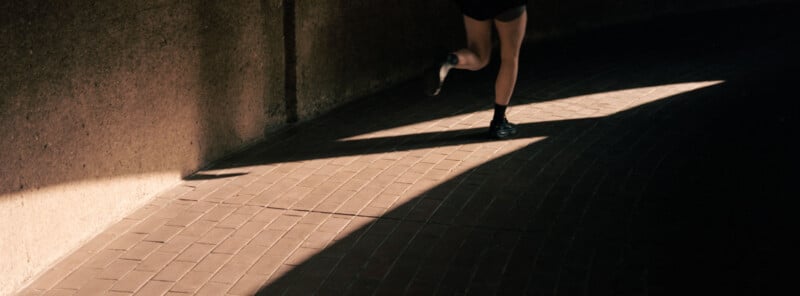
For an editorial focused on running, the Barbican offered a "concrete jungle" aesthetic that contrasted the fluidity of the human body against the rigidity of the urban environment. The site’s elevated walkways, shadowed corridors, and expansive courtyards allowed Kluyver to play with light and shadow, using the architecture not just as a setting, but as a compositional tool to guide the viewer’s eye through the wide 65mm frame.
Chronology of the Editorial Shoot
The project followed a strict timeline designed to capitalize on the specific qualities of early morning light.
- 05:00 AM – Arrival and Initial Scouting: The team arrived at the Barbican at dawn. The primary objective was to observe how the sun interacted with the tall residential towers and the complex’s deep concrete wells. In urban environments, the "golden hour" is truncated by buildings, creating narrow windows of usable light.
- 05:45 AM – Light Mapping: Kluyver and Maud performed a walkthrough of the complex. They identified "pools" of sunlight where the model could be isolated against dark, shadowed backgrounds. This technique was essential for creating the "cinematic" look of the editorial, as it emphasized the subject through high-contrast lighting.
- 06:30 AM – Execution and Iteration: The shoot commenced with a focus on movement. Because the XPan lacks autofocus and a high-speed motor drive, each "running" shot had to be choreographed. Maud was required to repeat specific strides multiple times to ensure her posture and position within the frame aligned with the photographer’s manual focus point.
- 08:00 AM – Conclusion: As the sun rose higher and the Barbican became populated with residents and commuters, the "quiet" atmosphere required for the narrative was lost. The shoot concluded after only twenty frames were exposed, a stark contrast to the volume typical of modern commercial productions.
Technical Specifications and Film Selection
For the medium, Kluyver opted for Kodak Portra 400. Within the professional photography industry, Portra 400 is considered the gold standard for editorial work due to its exceptional skin tone reproduction, fine grain, and significant exposure latitude. The latter was particularly important for this shoot; the XPan’s center-weighted metering system can be easily fooled by high-contrast scenes. By metering for the highlights and allowing the shadows to fall away, the photographer was able to produce negatives that retained detail in the sunlit areas while achieving deep, rich blacks in the architectural shadows.
The lens selection provided two distinct perspectives:
- The 45mm f/4 Lens: This was the primary tool for the session. In the panoramic format, the 45mm provides a field of view roughly equivalent to a 25mm lens on a standard full-frame camera. This allowed for "context-driven" shots where the runner was integrated into the vast Brutalist landscape.
- The 90mm f/4 Lens: This lens was utilized for tighter frames and subject separation. Despite its modest f/4 aperture, the longer focal length allowed for a compression of the background, isolating the model’s form and focusing on the textures of her athletic gear and the surrounding concrete.
Creative Direction: Narrative Over Documentation
The creative brief for the shoot moved away from literal sports documentation. Instead of focusing on the mechanics of a workout, the images were designed to feel like stills from a motion picture. This "cinematic" approach is a natural byproduct of the XPan’s aspect ratio, which closely mimics the 2.39:1 Anamorphic format used in cinema.
The narrative was built around the solitary nature of urban running. By focusing on gestures—a hand reaching for sunglasses, a shoe being tied, the curve of a leg mid-stride—the sequence suggested a larger story of a morning ritual. Kluyver noted that the limitations of the camera actually enhanced the creative process. Without the ability to check a digital screen (often referred to as "chimping"), the photographer and model were forced to rely on professional intuition and mutual trust.
Analysis of Outcomes and Industry Implications
Upon reviewing the developed negatives, several key insights emerged regarding the use of specialized analog equipment in modern editorial workflows.
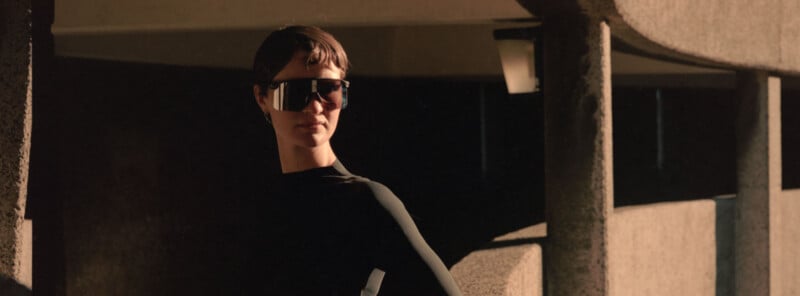
First, the project demonstrated that "slowing down" can yield a higher percentage of usable narrative images. Out of the twenty frames captured, several became "backbone" images for a portfolio, a ratio that is often lower in digital shoots where the sheer volume of choices can lead to decision fatigue.
Second, the shoot highlighted a growing trend in the fashion and editorial industries: a return to film for its "imperfections." Kluyver observed that while he missed opportunities for motion blur experimentation, the slightly uneven lighting and the grain of the Kodak Portra 400 added a sense of honesty and "grit" that is often polished away in digital post-processing.
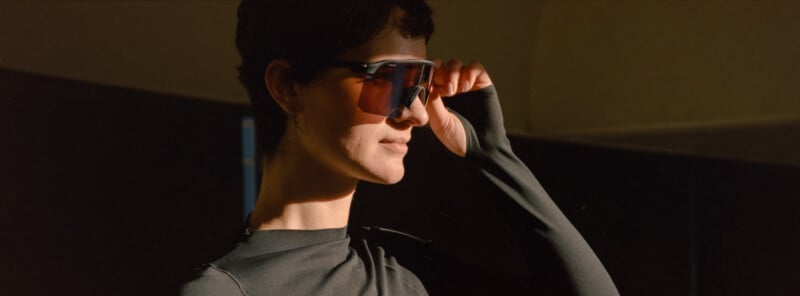
Third, the collaboration emphasized the importance of subject-specialization. By working with a model who is also an athlete, the photographer ensured that the movement looked authentic. In sports editorial, an incorrect foot strike or improper posture can ruin the credibility of an image for the target audience.
Broader Impact on the Photography Community
This project serves as a case study for photographers looking to differentiate their work in a saturated digital market. The use of the Hasselblad XPan is more than a stylistic choice; it is a commitment to a specific way of seeing. The panoramic format forces the photographer to think horizontally, considering what is happening at the edges of the frame as much as the center.
Furthermore, the success of the Barbican shoot underscores the value of personal "portfolio" projects. By removing the pressure of a commercial client, Kluyver was able to test a recently repaired camera and push his creative boundaries. This type of experimentation is essential for professional growth, allowing artists to refine their techniques before applying them to high-stakes commercial assignments.
In conclusion, the "Urban Running" editorial at the Barbican stands as a testament to the enduring relevance of analog film. By combining iconic Brutalist architecture, a legendary panoramic camera, and a clear narrative vision, the project achieved a cinematic depth that transcends the capabilities of standard equipment. It serves as a reminder that in photography, the tools we choose dictate not just how we capture an image, but how we perceive the story itself.

