


The prospect of a beloved parrot falling ill or sustaining an injury is a distressing thought for any owner, yet preparing for such an emergency is not merely advisable but critical, often marking the difference between a favorable outcome and tragedy. Many parrot owners may find themselves ill-equipped to respond effectively when faced with scenarios such as uncontrolled bleeding, an unresponsive bird, or sudden respiratory distress, highlighting a significant gap in preparedness within the avian pet community. This comprehensive guide aims to equip current and prospective parrot guardians with the essential knowledge and practical steps necessary for navigating avian health crises, ensuring the highest possible chances of survival and recovery for their feathered companions.
The Criticality of Avian Emergency Preparedness
Parrots, despite their vibrant personalities and apparent resilience, are inherently delicate creatures whose physiology as prey animals instills a strong instinct to mask signs of illness or injury. This evolutionary adaptation, while crucial for survival in the wild, often delays recognition of health issues in a domestic setting, allowing conditions to escalate rapidly and dangerously before symptoms become overtly apparent. Studies indicate that a significant percentage of pet emergencies involve avian species, often due to their fragility and susceptibility to environmental hazards, underscoring the urgent need for owners to be proactive rather than reactive. The swift progression of avian ailments means that minutes can be critical; prompt, informed action can prevent irreversible damage or even fatality. Therefore, understanding the unique challenges of avian health and implementing robust emergency protocols are paramount for responsible parrot ownership.
It is important to note that if a parrot is currently exhibiting severe emergency symptoms such as profound difficulty breathing, unconsciousness, or profuse bleeding, immediate cessation of reading is advised. The primary course of action in such urgent scenarios is to carefully place the bird in a suitable carrier and contact an avian veterinarian while en route to the clinic. For less clear-cut but concerning symptoms, a phone consultation with the vet from home is recommended to obtain guidance on the next steps. In situations where an avian veterinarian is not immediately available, owners should proceed to the sections detailing immediate interim care, while persistently attempting to reach alternative veterinary clinics.
Proactive Measures: Laying the Foundation for Safety
Prevention consistently outweighs treatment, especially in avian care. Establishing a foundational framework of preventative measures and preparatory steps is the most effective way to mitigate the risks associated with parrot emergencies.
1. Establishing a Veterinary Relationship: The foremost preventative measure involves identifying and establishing a relationship with an experienced avian veterinarian before any emergency arises. Avian medicine is a specialized field, and general practitioners may lack the specific knowledge, equipment, or experience required to properly diagnose and treat birds. A qualified avian vet will be board-certified or have extensive experience with avian species, understanding their unique physiology, metabolism, and disease processes. Owners should ensure the vet’s contact information, including emergency numbers, is readily accessible and saved in their phone. Regular wellness check-ups, ideally twice yearly, serve as invaluable preventative tools, enabling early detection of subtle health issues, nutritional imbalances, or developing conditions that might otherwise go unnoticed until they become critical. These routine visits provide a baseline for the bird’s health, making it easier to identify deviations during an emergency.
2. Financial Preparedness: Avian veterinary treatments, particularly emergency interventions, can incur substantial costs. Diagnostic procedures such as blood tests, X-rays, or specialized imaging, alongside medications, surgery, or hospitalization in an intensive care unit (ICU), can quickly accumulate into significant expenses. To alleviate the financial burden during a stressful time, owners are strongly advised to establish an emergency fund specifically for their parrot’s medical needs or to investigate pet insurance options that cover avian species. Having financial resources readily available ensures that critical treatment decisions are based on medical necessity rather than monetary constraints.
3. Environmental Safety: Comprehensive Parrot-Proofing: Parrots are renowned for their intelligence, curiosity, and propensity for exploration, traits that, unfortunately, also make them highly susceptible to accidental injury or toxic exposure within the home environment. Effective parrot-proofing extends beyond basic safety measures and requires a meticulous approach.

- Household Hazards: Common dangers include exposed electrical cords (which parrots are prone to chew, risking electrocution), toxic houseplants (e.g., Dieffenbachia, lilies, azaleas), open toilets or sinks (drowning hazards), unattended hot stoves or open flames, and cleaning chemicals or aerosols. All windows and doors must be securely closed and latched to prevent escapes.
- Other Pets: The presence of other household pets, particularly cats and dogs, poses a significant threat. Even a playful interaction can result in severe, often fatal, injuries to a parrot due to bacterial infections from bites or scratches, or physical trauma. Parrots should never be left unsupervised in areas accessible to other animals.
- Cage Safety and Hygiene: The parrot’s cage itself, intended as a sanctuary, can become a source of danger if not properly maintained or equipped. Toys should be bird-safe, free from small parts that can be ingested, made of non-toxic materials, and regularly inspected for wear and tear that could create hazards. Poor cage hygiene leads to bacterial and fungal growth, predisposing birds to respiratory infections and other illnesses. Regular cleaning, appropriate substrate, and safe cage placement are essential.
Equipping for Crisis: The Essential Parrot First Aid Kit
Despite the most diligent preventative efforts, accidents and sudden illnesses can occur. A well-stocked and easily accessible avian first aid kit is an indispensable tool for any parrot owner, enabling immediate stabilization of a bird before professional veterinary care can be administered. Every household member should be aware of its location and basic contents.
The comprehensive avian first aid kit should include, but not be limited to, the following items:
- Blood Clotting Powder (Styptic Powder/Cornstarch): Crucial for stopping bleeding from minor cuts, broken blood feathers, or nail trims.
- Sterile Gauze Pads and Cotton Swabs: For applying pressure to wounds, cleaning, and general wound management.
- Antiseptic Wipes/Solution (e.g., diluted chlorhexidine): For cleaning minor wounds. Caution: Use bird-safe formulations and avoid alcohol or hydrogen peroxide, which can be irritating or toxic.
- Tweezers: For removing splinters, foreign objects, or gently plucking a broken blood feather (if properly trained by a vet).
- Heating Pad (covered) or Hot Water Bottle (wrapped): Essential for providing supplemental warmth to a bird in shock or suffering from hypothermia. Microwavable heat pads are generally safer than hot water bottles, which can burst.
- Small Pet Carrier: A dedicated carrier, lined with paper towels for easy cleaning, and capable of being darkened, is vital for safe and stress-free transport to the vet.
- Small Syringes (without needles) or Droppers: For administering oral fluids or medications.
- Rehydration Sachets (e.g., unflavored Pedialyte or veterinary-specific electrolyte solutions): To prepare solutions for birds showing signs of dehydration.
- Magnifying Glass: For detailed examination of small injuries, skin, or feathers.
- Flashlight/Headlamp: For examining the bird in low light conditions or inside a carrier.
- Clean Towels/Soft Cloths: For gently restraining a bird or providing a soft bedding.
- Nail Clippers (appropriate size for your bird): For minor nail issues or if a nail is partially torn.
- Phone with Avian Vet Contact Information: Readily available for immediate communication.
Dr. Daisy May, a resident avian veterinarian, emphasizes the critical nature of addressing blood loss in parrots. "Approximately 10% of a bird’s body weight is blood. For instance, a 100-gram cockatiel possesses roughly 10 milliliters of blood. Critically, only about 10% of this total blood volume can be safely lost without severe consequences. This means that losing more than 1 milliliter of blood for a 100-gram cockatiel has the potential to be life-threatening, underscoring the urgency of stopping any bleeding promptly." This physiological reality highlights why immediate action with a first aid kit can be life-saving.
Deciphering Distress: Recognizing Symptoms of Illness and Injury

Due to their instinct to conceal weakness, recognizing illness in parrots often requires astute observation and a deep understanding of their normal behavior and appearance. Owners must be intimately familiar with their bird’s baseline health, including its typical demeanor, activity levels, vocalizations, posture, physical appearance (feather condition, eyes, cere, feet), and the consistency and frequency of its droppings. Any deviation from this baseline should trigger concern.
Veterinarian Dr. Daisy May recommends contacting your avian vet for advice or to schedule an urgent appointment if you observe the following symptoms:
- Changes in Appetite or Thirst: A sudden decrease or increase in food or water consumption.
- Changes in Droppings: Any significant alteration in color, consistency (e.g., watery diarrhea, unusually dry), volume, or the presence of undigested food. Note: Red-colored droppings can sometimes be attributed to certain foods like beetroot or bell pepper, but blood in droppings is a severe concern.
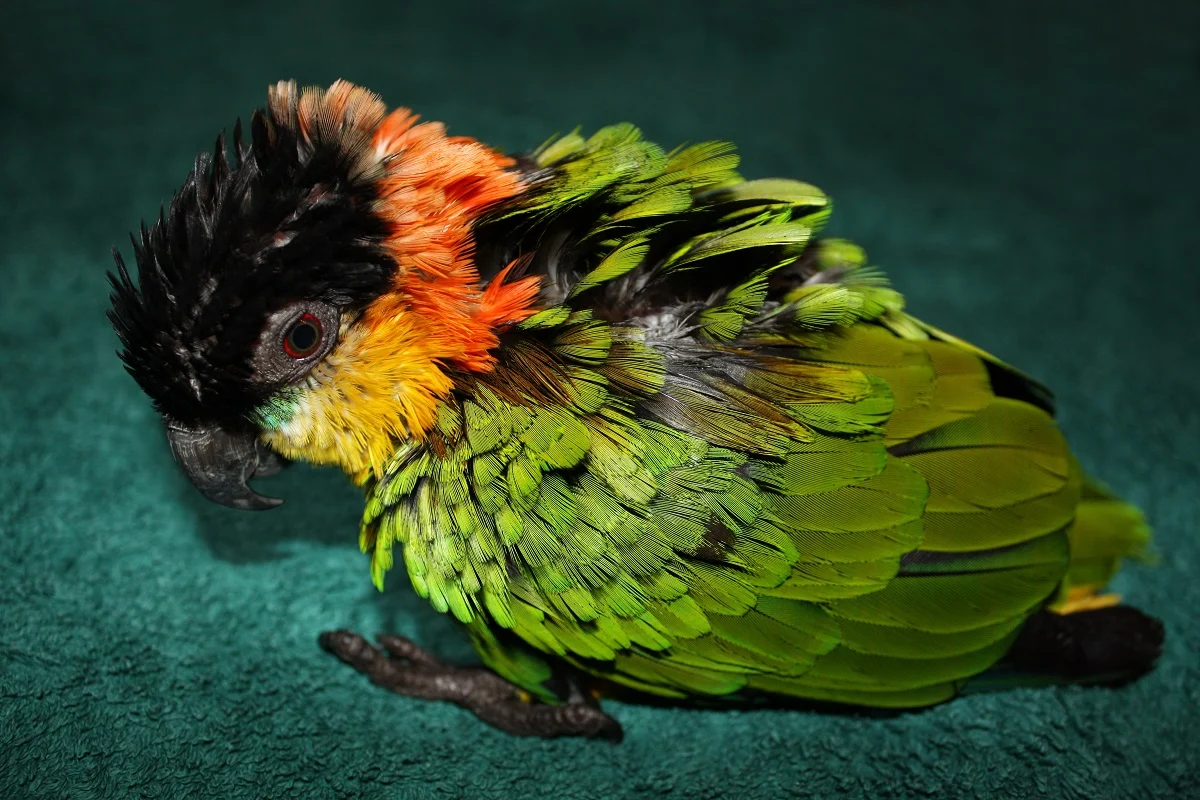
- Fluffed Feathers (Ruffled Plumage): A bird consistently fluffing its feathers, especially when combined with lethargy, indicates an attempt to conserve body heat dueign to illness or pain.
- Lethargy or Decreased Activity: Unusual quietness, reduced playfulness, or prolonged periods of inactivity.
- Changes in Vocalization: A normally vocal bird becoming quiet, or a quiet bird suddenly becoming noisy with distress calls.
- Changes in Appearance: Dull eyes, discharge from eyes or nostrils, swollen areas, changes in beak or nail growth, or disheveled plumage not due to molting.
- Weight Loss: Often subtle but critical, indicating underlying illness or inadequate nutrition. Regular weighing can help monitor this.
- Limping or Difficulty Perching: Indicating pain, injury, or neurological issues.
- Behavioral Changes: Increased aggression, fear, or withdrawal; self-mutilation (feather plucking, skin picking).
Immediate veterinary attention (calling while en route) is required for the following critical symptoms, as they often indicate a severe, life-threatening condition:
- Profound Difficulty Breathing: Open-mouthed breathing, gasping, tail bobbing, noisy breathing, or stretching the neck to breathe. These are signs of severe respiratory distress, potentially requiring oxygen therapy.
- Non-responsiveness or Collapse: A bird that is listless, unable to stand, unresponsive to stimuli, or has collapsed indicates profound shock or severe systemic illness.
- Severe or Uncontrolled Bleeding: Bleeding that does not stop with direct pressure and styptic powder within a few minutes.
- Seizures or Tremors: Involuntary muscle contractions or uncontrolled shaking.
- Head Tilt or Loss of Balance: Indicating neurological issues, ear infections, or injury. (An owner recounts a personal experience where their budgie woke up with a head tilt, requiring immediate veterinary intervention and anti-inflammatory medication for full recovery).
- Vomiting (not regurgitation): Forceful expulsion of stomach contents, often indicating poisoning, severe infection, or obstruction.
- Prolonged Diarrhea: Leading to rapid dehydration and electrolyte imbalance.
- Visible Fractures or Severe Trauma: Broken bones, deep wounds, or signs of impact injury.
- Egg Binding: A female bird straining to pass an egg that is stuck.
Immediate Response: Critical Care While Awaiting Veterinary Aid
Once contact has been made with the avian veterinarian and instructions received, or if immediate transport is underway, certain emergency measures can be initiated at home to stabilize the bird. These actions can significantly influence the bird’s prognosis.

1. Controlling Hemorrhage: If a parrot is bleeding, stopping the blood loss is the absolute priority. For superficial wounds, nail bleeds, or broken blood feathers, apply a generous amount of styptic powder (or cornstarch/flour as an alternative) directly to the bleeding site and apply firm, direct pressure with a clean gauze pad for several minutes. Do not peek to check progress; maintain continuous pressure. If bleeding persists, reapply pressure. For deep wounds that penetrate body cavities (abdomen or thorax), styptic powder is ineffective. Instead, focus on applying continuous, firm pressure with sterile gauze while rushing to the vet.
Crucially, when applying pressure to any part of a bird’s body, be extremely careful not to restrict its ability to expand its chest. Unlike mammals, birds lack a diaphragm and rely entirely on chest wall expansion for respiration. Any constriction around the body can lead to suffocation.
2. Managing Shock and Hypothermia: Isolation and Warmth: Stress and shock are major contributors to mortality in sick or injured birds. Minimizing handling and creating a calming environment are paramount. Parrots in distress often struggle to maintain their body temperature, leading to hypothermia, which exacerbates shock. Providing supplemental warmth is vital; an ideal ambient temperature of approximately 85°F (29°C) is recommended.
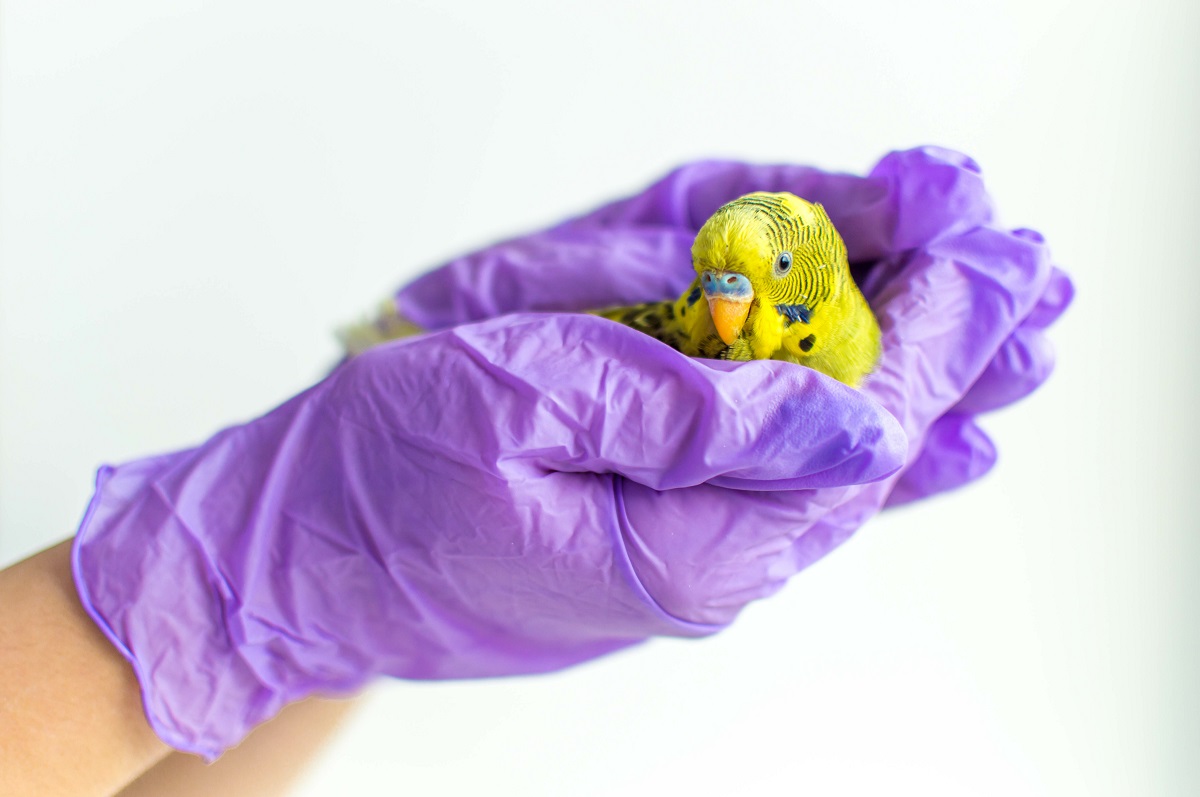
To achieve this, place the bird in a small, clean carrier or box lined with soft paper towels. Position a covered heating pad (on a low setting) or a securely wrapped hot water bottle underneath or alongside the container, ensuring there is a space for the bird to move away if it becomes too warm. Cover the enclosure with a towel to create a dark, quiet, and secure environment. Darkness reduces visual stimuli, helping to calm the bird and conserve energy. This insulated, darkened carrier also serves as a safe transport vessel to the veterinary clinic.
3. Addressing Dehydration: Vomiting, diarrhea, or a prolonged period of illness can quickly lead to dehydration in birds. While moderate to severe dehydration requires immediate veterinary intervention with subcutaneous or intravenous fluids, mild dehydration can sometimes be addressed at home if the bird is still alert and able to swallow.

To assess dehydration, one method is checking the basilic wing vein refill time. Locate the basilic vein, which appears as a raised blue line across the "elbow" (humeral-radioulnar joint) on the underside of the wing. Gently press on the vein to temporarily displace the blood. In a well-hydrated bird, the vein should refill immediately upon releasing pressure. A refill time exceeding two seconds indicates moderate to severe dehydration, necessitating urgent veterinary care.
If the bird is only mildly dehydrated and still willing to drink, offer a veterinary-approved rehydration solution (prepared according to package instructions) that has been gently warmed to body temperature. This prevents further chilling of an already compromised bird. Offer the solution on a teaspoon or via a syringe, especially if the bird is syringe-trained. It is critically important to never force-feed fluids into a bird’s mouth unless explicitly instructed and trained by a qualified avian vet or technician. Improper administration can lead to aspiration of fluid into the lungs, which is often fatal. If the bird is unwilling or unable to drink independently, immediate professional help is required.
In conclusion, the survival and recovery of a parrot in an emergency hinge entirely on the owner’s preparedness and ability to act swiftly and appropriately. Birds are fragile beings, and health crises can escalate with alarming speed. Proactive measures, including establishing a relationship with an avian veterinarian, financial planning, rigorous parrot-proofing, and maintaining a well-stocked first aid kit, are not mere suggestions but fundamental responsibilities of avian guardianship. When an emergency strikes, the ability to recognize symptoms, provide immediate stabilizing care, and transport the bird safely to a specialist can make all the difference.
For further information or to share experiences, comments may be left below; however, this platform is not intended for seeking emergency medical advice. Always consult a qualified avian veterinarian for specific medical concerns.
Sources:
Avianmedicine.net: Emergency and Critical Care
Various veterinary guidelines and expert opinions in avian medicine.

