


The People for the Ethical Treatment of Animals (PETA) has initiated a federal lawsuit against the Washington Metropolitan Area Transit Authority (WMATA) and its General Manager, Randy Clarke, alleging that the transit agency’s refusal to display three specific advertisements constitutes a violation of the First Amendment. The lawsuit, filed in the United States District Court for the District of Columbia, marks the latest development in a long-standing legal friction between the animal rights organization and the agency responsible for public transportation in the nation’s capital. At the heart of the dispute is the claim that WMATA is engaging in unconstitutional viewpoint discrimination by rejecting non-graphic, fundraising-oriented advertisements while allowing similar solicitations from other non-profit entities.
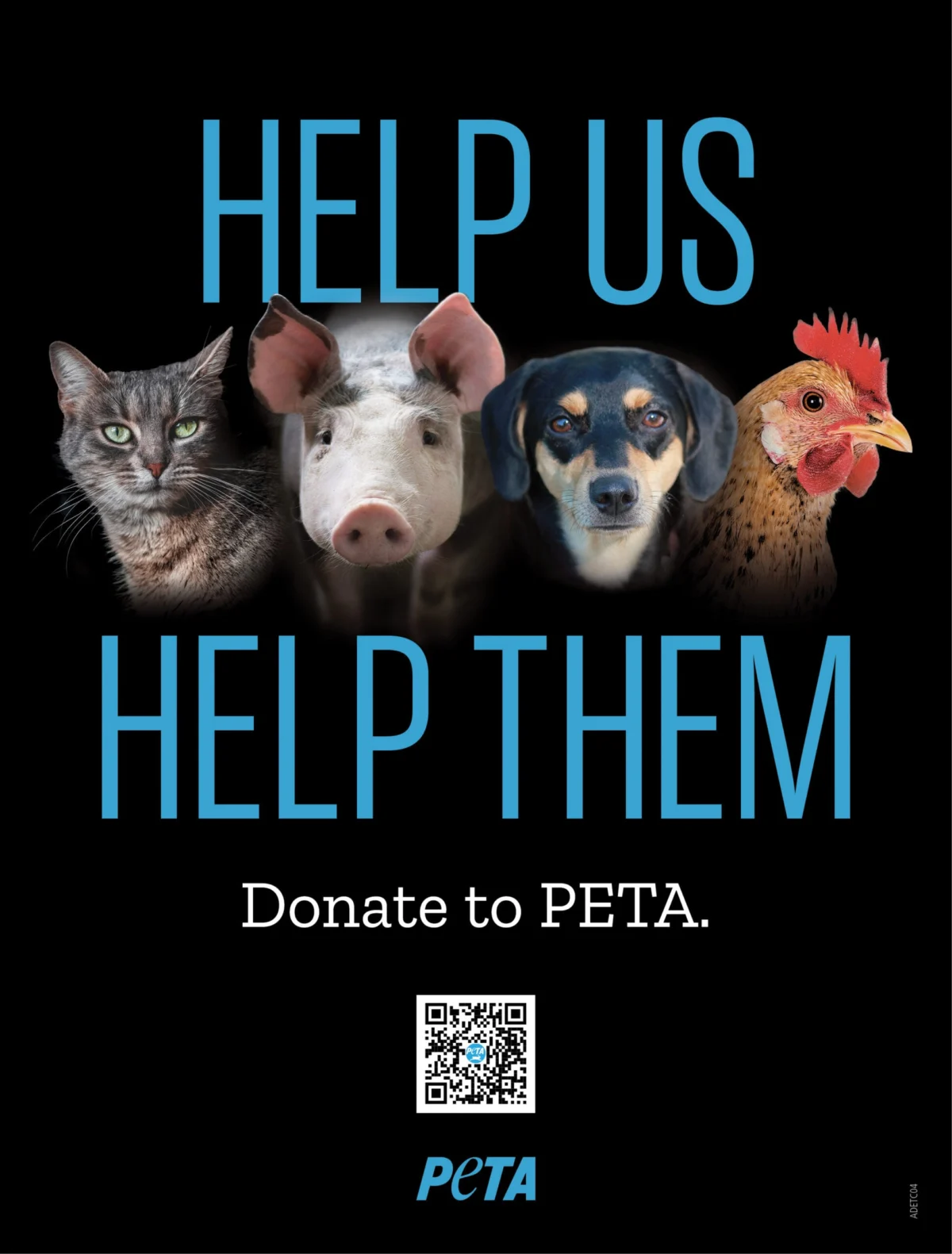
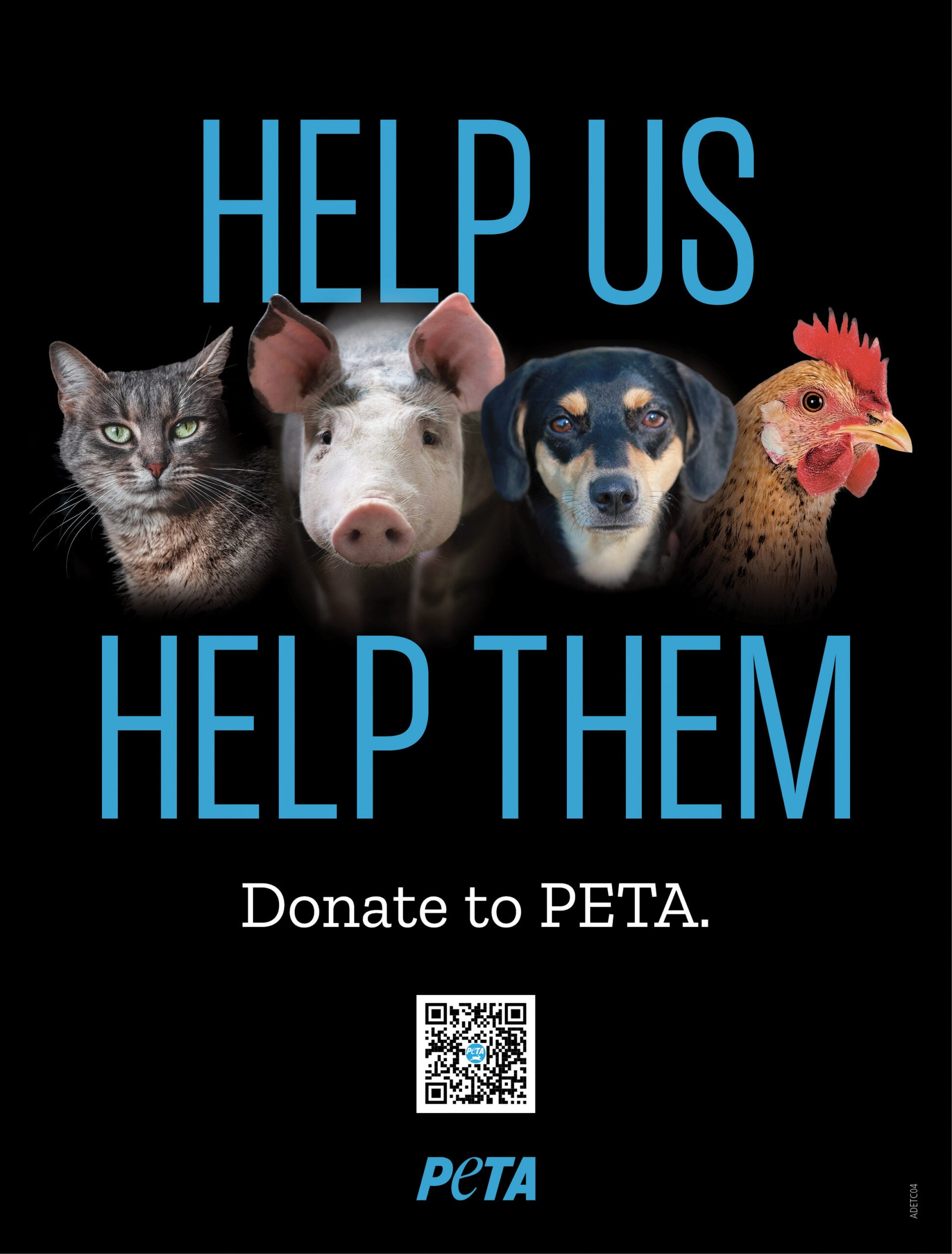
The legal complaint centers on three distinct advertisements that PETA sought to place within the WMATA transit system. Each advertisement features a high-resolution image of an animal—a piglet, a dog, and a chicken—accompanied by text encouraging riders to support PETA’s mission through donations. According to the filing, these advertisements were submitted in late 2025 and early 2026 as part of a broader campaign to increase public awareness regarding animal welfare. However, Outfront Media, the third-party advertising agent representing WMATA, rejected the submissions. The rejection was reportedly based on WMATA’s Guideline 9, which prohibits advertisements "intended to influence members of the public regarding an issue on which there are varying opinions."
PETA contends that this guideline is being applied inconsistently and serves as a pretext for silencing animal rights messaging. The organization argues that the advertisements in question do not promote specific legislative policies, nor do they contain graphic imagery of animal suffering. Instead, they are characterized as straightforward charitable solicitations, a category of advertising that WMATA’s own guidelines explicitly permit. The lawsuit highlights that WMATA has a history of accepting donation-based advertisements from various other charitable organizations, including those focused on human services, environmental conservation, and health research. By singling out PETA’s ads for rejection, the lawsuit alleges, the transit authority is making a subjective judgment that the mere presence of an animal rights organization’s logo or message is inherently controversial.
A History of Legal Conflict and Policy Evolution
The current litigation is not PETA’s first encounter with WMATA’s advertising restrictions. The relationship between the two entities has been defined by a decade of legal challenges. In 2017, PETA filed a similar lawsuit challenging the constitutionality of WMATA’s advertising guidelines, which had been significantly tightened in 2015 following a series of controversies involving political and religious advertisements. The 2017 challenge argued that the guidelines were unconstitutionally vague, granting transit officials overly broad discretion to decide which messages were "too controversial" for public display.
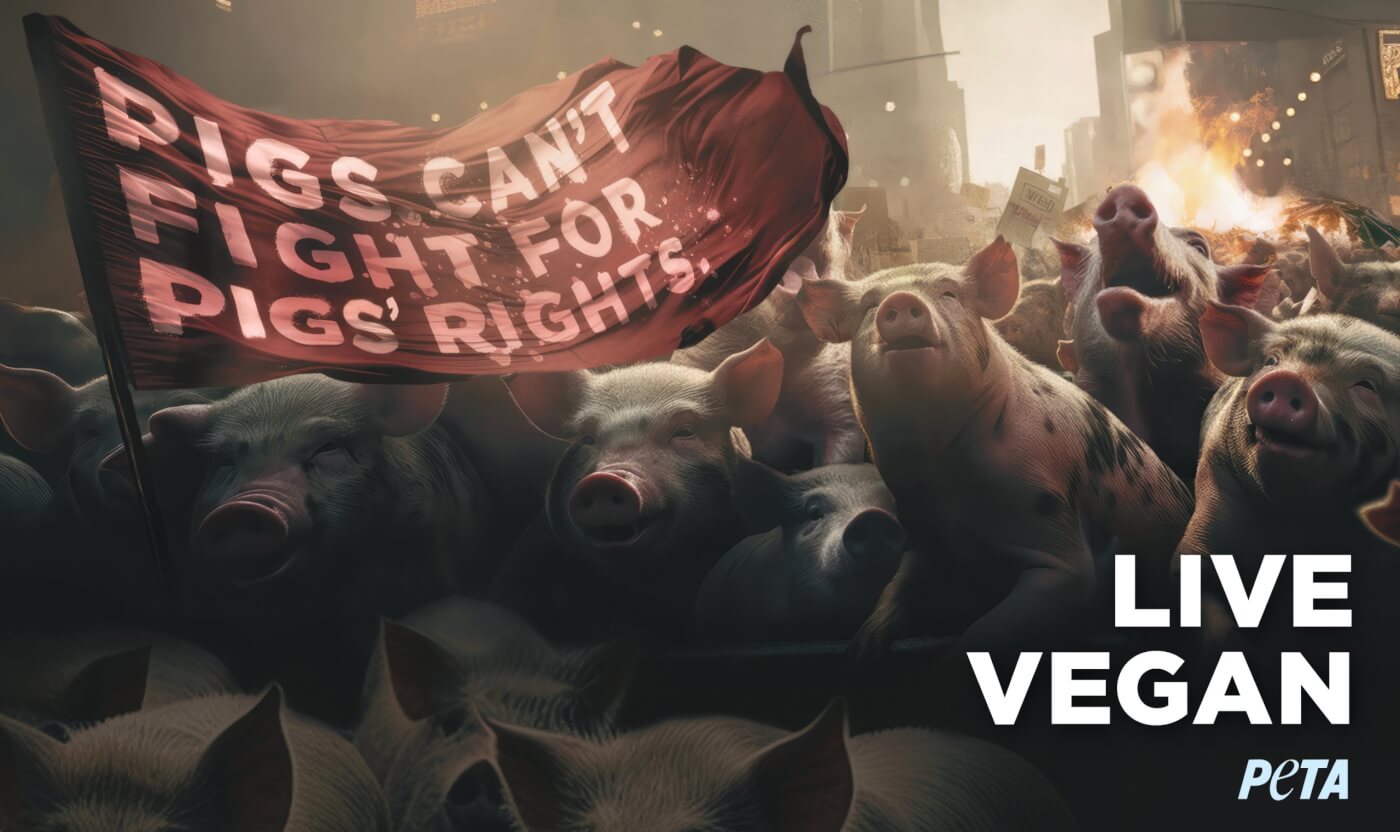
That initial legal battle spanned several years, eventually leading to a period of mediation. In 2025, the lawsuit was dropped after WMATA introduced a series of "interpretive aids." These aids were designed to provide clearer metrics for what constituted an "issue of public debate" and were intended to ensure that the review process was objective and content-neutral. At the time, both parties appeared to have reached an understanding that would allow for a more predictable advertising environment. However, the 2026 filing suggests that these safeguards have failed to prevent what PETA describes as a return to arbitrary censorship.
The new lawsuit alleges that the "interpretive aids" are being ignored or applied in a discriminatory fashion. PETA’s legal team argues that by labeling a simple request for a donation to an animal protection group as an attempt to influence public opinion on a controversial issue, WMATA is effectively banning an entire category of speech based solely on the identity of the speaker. This, they claim, is a direct violation of the Supreme Court’s established precedents regarding viewpoint discrimination in limited public forums.
The Legal Arguments: Public Forums and Free Speech
Central to the resolution of this case will be the court’s determination of what type of "forum" WMATA’s advertising space represents. Under First Amendment law, the government’s ability to restrict speech depends heavily on the nature of the space.
- Traditional Public Forums: Such as parks and sidewalks, where speech receives the highest level of protection and restrictions must meet a "strict scrutiny" standard.
- Designated Public Forums: Spaces that the government has intentionally opened for expressive activity.
- Limited Public Forums or Non-Public Forums: Spaces like transit systems where the government can impose reasonable, viewpoint-neutral restrictions to maintain the primary purpose of the space (in this case, transportation).
WMATA has historically argued that its advertising space is a non-public forum, allowing it to exclude entire categories of speech, such as political or religious messaging, to avoid controversy and maintain a safe, neutral environment for riders. However, PETA’s lawsuit argues that even in a non-public forum, the government cannot engage in viewpoint discrimination. If WMATA allows the World Wildlife Fund or the ASPCA to run donation ads, but bars PETA from doing the same, the organization argues that the distinction is based on the perceived "radicalness" of PETA’s viewpoint rather than a neutral application of the rules.
The complaint points to the "straightforward" nature of the rejected ads as evidence of overreach. One ad featured a piglet with the text "Help Us Help Them," a message PETA asserts is no more controversial than a "Help the Homeless" ad. By classifying "kindness to animals" as a matter of "varying opinions," PETA argues that WMATA is adopting a position that is both logically inconsistent and legally indefensible.
Supporting Data and Comparative Analysis
The debate over transit advertising is not unique to Washington, D.C. Across the United States, transit authorities in cities like New York, Boston, and Philadelphia have faced similar litigation. The New York Metropolitan Transportation Authority (MTA) moved to a "commercial-only" advertising policy in 2015 to avoid political disputes, a move that was largely upheld by courts but continues to face challenges from advocacy groups.
Data from the American Public Transportation Association (APTA) indicates that advertising revenue constitutes a significant, albeit minority, portion of transit agency budgets. For WMATA, advertising revenue helps offset operational costs and minimize fare hikes. However, the legal costs associated with defending restrictive advertising policies can sometimes rival the revenue generated by those very ads. Since 2015, WMATA has spent hundreds of thousands of dollars in legal fees related to First Amendment disputes.
Furthermore, a 2023 study on public perception of transit advertising found that while riders generally prefer to avoid highly partisan political ads, they are overwhelmingly indifferent to or supportive of charitable solicitations. The study suggested that "controversy" is often perceived more acutely by agency administrators than by the general public. PETA’s lawsuit leverages this by arguing that their ads do not disrupt the "transit experience" or create a hostile environment for riders, which is the stated goal of WMATA’s restrictive guidelines.
Official Responses and Anticipated Defense
While WMATA does not typically comment on active litigation, previous statements from General Manager Randy Clarke and agency spokespeople have emphasized the need to keep the transit system focused on its core mission: moving people safely and efficiently. The agency is expected to argue that its guidelines are applied uniformly and that the rejection of PETA’s ads was based on a neutral assessment that the organization’s primary purpose is to advocate for controversial social and legal changes regarding animal status.
The defense is likely to lean on the "varying opinions" clause, arguing that animal rights—particularly as advocated by PETA—is a subject of intense national debate involving dietary choices, medical research, and industrial practices. From WMATA’s perspective, allowing an ad from a group known for provocative activism could be seen as an endorsement of that group’s broader, more controversial agenda, even if the specific ad is mild.

Randy Clarke has previously stated that the agency’s priority is to provide a "neutral and welcoming environment" for all commuters, regardless of their political or social beliefs. The transit authority will likely contend that the 2025 interpretive aids provide a constitutionally sound framework for making these determinations and that PETA’s claims of discrimination are without merit.
Broader Implications for Advocacy and Public Space
The outcome of this federal lawsuit could have significant implications for the future of advocacy in public spaces. If the court rules in favor of PETA, it may force transit agencies across the country to adopt more permissive advertising standards, or at the very least, provide much more rigorous and transparent justifications for rejecting non-commercial content. It would signal that government agencies cannot use "controversy" as a blanket term to exclude viewpoints they find inconvenient or challenging.
Conversely, a ruling in favor of WMATA would solidify the power of transit authorities to curate the messaging within their systems, effectively allowing them to act as gatekeepers of public discourse. This could lead to a further "commercialization" of public transit spaces, where only large corporations with purely transactional messages are permitted to speak, while non-profit organizations and advocacy groups are relegated to less visible forums.
Legal experts suggest that the case may eventually reach the Supreme Court, given the ongoing circuit splits regarding First Amendment protections in transit advertising. The high court has shown an increasing interest in "viewpoint neutrality" cases in recent years, as seen in rulings like Matal v. Tam, where it struck down a law prohibiting the registration of "disparaging" trademarks.
As the case moves through the discovery phase, PETA has called on its supporters to contact WMATA officials to express their disapproval of the ad rejections. The organization maintains that "animals should be seen and heard" in the public square and that the attempt to sanitize the D.C. Metro system of animal rights messaging is a disservice to the democratic principle of free expression. For now, the piglet, the dog, and the chicken remain absent from the capital’s trains and buses, awaiting a judicial determination on whether their presence is a matter of charity or a spark of impermissible controversy.

