


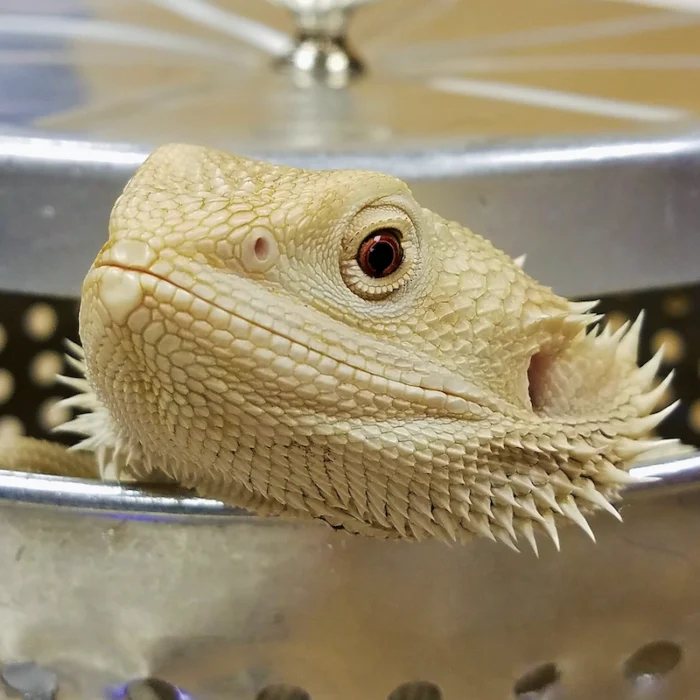
The American Association of Veterinary State Boards (AAVSB) Registry of Approved Continuing Education (RACE) has officially certified a new educational initiative titled Palliative and Pain Management Strategies for Exotic Animals, providing one hour of accredited continuing education (CE) credit to veterinarians and veterinary technicians. Led by avian health specialist Jade Kingsley, BA/BSc, BVSc, PgDip, MANZCVS, this program addresses a critical gap in clinical practice: the nuanced application of geriatric and end-of-life care for non-traditional companion animals. As the veterinary profession increasingly shifts toward a "One Health" perspective that encompasses all species, the demand for specialized pain management protocols for prey species and exotic animals has reached an all-time high.
The Evolution of Exotic Animal Medicine
For decades, the standard of care for exotic species—such as psittacines, lagomorphs, and reptiles—lagged significantly behind that of canine and feline medicine. This disparity was largely driven by a lack of pharmacological research specific to non-mammalian metabolism and a historical perception that these animals were less sensitive to pain or had different pain-processing mechanisms.
However, the field has undergone a paradigm shift over the last fifteen years. Veterinary literature now reflects a robust understanding of the neurobiology of pain in exotic species. The development of the Palliative and Pain Management Strategies webinar acknowledges this progress, moving beyond basic anesthesia to focus on the long-term management of chronic conditions, such as arthritis in aging parrots or systemic organ failure in small mammals. By integrating geriatric medicine with palliative protocols, the program provides clinicians with the tools to improve the quality of life for animals that often mask signs of distress due to their evolutionary history as prey species.
Program Overview and Educational Structure
The curriculum, which is accessible through the LafeberVet platform, is designed for rigorous professional development. To earn the one-hour RACE-approved credit, practitioners must engage with the material and successfully navigate a post-test assessment. The certification process includes a three-attempt limit, ensuring that participants demonstrate a mastery of the clinical concepts presented rather than merely completing a cursory review.
The modules cover a spectrum of ethical and clinical challenges:
- Pain Recognition: Detailed physiological markers of pain in prey animals, which are often subtle compared to domestic pets.
- Geriatric Considerations: Specialized care for animals reaching the latter stages of their life expectancy, focusing on metabolic changes and mobility.
- Ethical Frameworks: Navigating the complex communication required when discussing end-of-life care with owners of exotic pets, whose bond with their animals is often profound.
- Pharmacological Interventions: Evidence-based approaches to multimodal analgesia tailored to the physiological sensitivities of avian and exotic species.
The Role of AAVSB RACE Accreditation
The inclusion of AAVSB RACE approval is a critical component of the program’s professional utility. In the United States and Canada, most state and provincial veterinary medical boards require a specific number of continuing education hours for license renewal. RACE-approved courses are considered the gold standard, as they undergo a rigorous peer-review process to ensure that the content is evidence-based, objective, and non-promotional.
For the veterinary technician, who is often the frontline observer of an animal’s behavioral changes in a clinical setting, this training is particularly vital. Technicians are frequently the first to notice the lethargy or decreased appetite that signals a chronic pain state. By empowering technicians with the same depth of knowledge as veterinarians, the program fosters a collaborative clinic culture that is better equipped to detect and mitigate suffering in exotic patients.
Chronology of Advancements in Exotic Pain Management
The development of this webinar is the culmination of a decade-long trend in veterinary education.
- 2015-2018: The emergence of specialized pain scales for exotic species, such as the Rabbit Grimace Scale, began to change how clinicians quantified distress.
- 2020-2022: The COVID-19 pandemic accelerated the adoption of digital learning platforms, allowing specialists like Jade Kingsley to disseminate expert knowledge to a global audience, bypassing the limitations of physical conference attendance.
- 2024: Professional organizations began prioritizing "Exotic Animal Welfare" as a core pillar of veterinary ethics, leading to increased pressure for accredited CE in this niche.
- February 2026: The official launch and accreditation of the current palliative care module marks a milestone in standardizing the quality of life expectations for non-traditional pets.
Data and Clinical Implications
Data from recent surveys conducted by the American Veterinary Medical Association (AVMA) indicate that the number of households owning exotic pets—including birds, reptiles, and small mammals—has remained steady or increased in the post-pandemic era. Despite this, specialized clinics report that owners often present these animals for veterinary care only when clinical signs have become severe. This "late presentation" trend makes palliative and pain management knowledge essential for the general practitioner who may not see exotic animals daily but must be prepared to treat them when the need arises.
Clinical studies have shown that multimodal analgesia—using a combination of drugs that target different pain pathways—significantly reduces the morbidity associated with chronic disease in exotic species. The webinar emphasizes this data-driven approach, moving away from outdated "single-drug" protocols that often failed to provide adequate relief while risking toxicity due to species-specific metabolic rates.
Professional Reactions and Impact
The reception within the veterinary community has been largely positive, with many practitioners noting that the intersection of ethics and clinical pain management is the most challenging aspect of exotic medicine. "Communication is as important as pharmacology," notes a recent summary of the course. When an animal is in chronic pain, the clinician must guide the owner through the emotional reality of a guarded prognosis.
The implication for clinics is clear: by offering structured palliative care, veterinary practices can retain clients who might otherwise feel unsupported during the difficult final stages of their pet’s life. This strengthens the veterinarian-client-patient relationship (VCPR) and elevates the standard of care for species that are all too often relegated to "second-class" status in clinical settings.
Broader Implications for Veterinary Ethics
The focus on "prey species" is perhaps the most significant element of this training. In the wild, prey animals that show signs of illness or pain are quickly targeted by predators. Consequently, they have evolved to mask pain until they are essentially in a state of clinical collapse. This makes the clinician’s job significantly more difficult than it is with dogs or cats.
The ethical responsibility of the veterinarian, therefore, is to act as a detective of sorts. The webinar provides a framework for "anticipatory care," where practitioners monitor for subtle signs—such as a slight change in perch selection for a bird or a minor shift in foraging behavior for a rabbit—before the animal’s condition reaches an irreversible state. By training clinicians to recognize these subtle "prey-response" behaviors, the industry is effectively raising the bar for animal welfare across the board.
Conclusion
The launch of the Palliative and Pain Management Strategies for Exotic Animals program represents a maturing of the veterinary industry. It signals a move away from a "survival-based" approach to exotic animal medicine and toward a comprehensive model that prioritizes comfort, longevity, and ethical care. As the AAVSB continues to oversee the quality of these educational programs, the veterinary community can expect to see an increase in both the accessibility and the standard of treatment for the wide array of exotic species currently in human care. For those in the profession, the takeaway is unambiguous: the commitment to lifelong learning, particularly regarding the most vulnerable of patients, is the defining characteristic of a modern, compassionate veterinary practice.

