


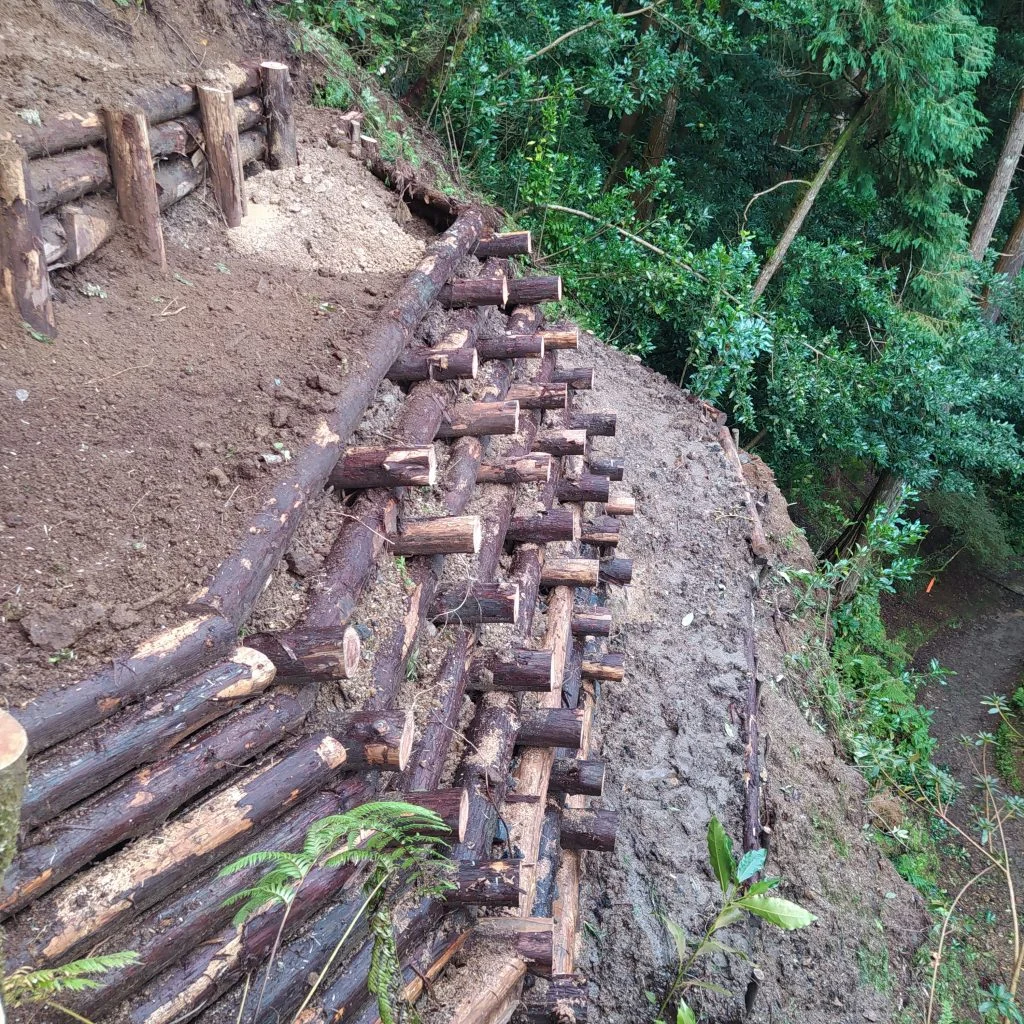
The shift toward sustainable development has historically been dominated by heavy industrial solutions, but in the rugged, volcanic landscapes of the Azores, a quiet revolution in civil engineering is taking place. By replacing rigid concrete structures with dynamic, living systems of timber, stone, and native vegetation, conservationists are demonstrating that nature itself often provides the most resilient defense against environmental degradation. This practice, known as natural engineering or bioengineering, is moving from the fringes of experimental ecology into the mainstream of environmental management, offering a blueprint for how human infrastructure can coexist with, rather than resist, natural ecosystems.
The Origins of a Natural Paradigm
The adoption of natural engineering in the Azores was not a theoretical exercise but a pragmatic response to a pressing environmental crisis. Since 2012, the Portuguese Society for the Study of Birds (SPEA), a partner of BirdLife International, has been at the forefront of this movement. The catalyst for this shift was the arduous task of restoring the native Laurissilva forest, a prehistoric laurel-dominated woodland unique to Macaronesia.
In the Azores, restoration efforts were frequently hampered by the islands’ inherent geology. Volcanic slopes are notoriously unstable, and when combined with the archipelago’s intense, high-volume rainfall, they become prone to frequent landslides and severe soil erosion. Historically, traditional engineering would have dictated the installation of concrete retaining walls and metal-reinforced drainage systems. However, field observations indicated that such structures were often ill-suited for the dynamic, shifting nature of volcanic soil, which requires flexibility rather than rigidity to remain stable over long periods.

A Chronology of Innovation
The evolution of natural engineering in the Azores follows a structured trajectory of trial and success:
- 2012: SPEA initiates the first experimental projects, moving away from concrete-heavy methodologies toward ecological restoration techniques.
- 2015–2018: The Mata dos Bispos site is designated as a living laboratory. Engineers and biologists collaborate to test timber-terrace systems designed to mitigate surface runoff on 200-meter drops.
- 2019–2021: The implementation of the LIFE IP Azores Natura project allows for the scaling of these techniques, resulting in the successful restoration and bank stabilization of over three kilometers of streams across the archipelago.
- 2022–2024: Proven success leads to high-profile commissions, including the structural reinforcement of vital water supply springs for the municipality of Vila Franca do Campo and the ecological restoration of access routes to the iconic Lagoa do Congro.
The Mechanics of Living Structures
At the core of these projects is the understanding that infrastructure must allow for the natural movement of water. A concrete wall is designed to hold back pressure, but if the water table rises or the ground shifts, the wall may crack or collapse due to its inability to accommodate hydraulic forces. Conversely, natural engineering structures—such as the massive timber retaining wall in the Azores, which spans 30 meters in length and stands nine meters high—function differently.
Capable of retaining over 270 tonnes of earth, this structure utilizes a combination of native logs and deep-rooted vegetation. Instead of relying on a concrete foundation, the wall integrates with the slope. As Rui Botelho, coordinator of SPEA Azores, explains, the design philosophy prioritizes permeability: "In living walls, water seeps through and drains away, rather than accumulating as it does in concrete. And even if an earthquake breaks the roots, they regenerate on their own." This ability to self-repair is perhaps the most significant departure from traditional civil engineering, where maintenance requires heavy machinery and manual labor.
Global Precedents and Scientific Context
The techniques employed by SPEA are not entirely novel in the global context, though their application to the volcanic terrain of the Azores is pioneering. For over 40 years, countries such as Switzerland and Italy have utilized bioengineering to prevent avalanches and stabilize mountain roads. In the Italian Alps, particularly around the slopes of Mount Etna, natural engineering has been the standard for decades, proving that timber and stone structures can withstand extreme alpine climates.

The scientific consensus supports this approach, particularly in the context of climate change. As global precipitation patterns become more erratic, the frequency of extreme weather events—flash floods, mudslides, and droughts—is projected to increase. Natural engineering offers a "soft" infrastructure solution that provides ecosystem services, such as carbon sequestration and habitat creation, which concrete structures actively destroy.
Addressing the Human Footprint
Beyond structural stabilization, natural engineering is addressing the collateral damage caused by the tourism sector. The Azores have seen a significant increase in visitors, leading to the degradation of popular trails. In regions with peat or clay-heavy soils, foot traffic causes soil compaction and the creation of deep, muddy ruts. When paths become impassable, hikers often veer into the surrounding vegetation, inadvertently destroying fragile, endemic flora.
By using natural drainage systems, raised timber walkways, and bio-engineered runoff channels, conservationists are effectively "nudging" visitors to stay on designated paths. By making the maintained trail the most accessible and dry option, the impact on the surrounding landscape is drastically reduced. This approach aligns with the principle articulated by Tarso Costa, Senior Conservation Officer at SPEA Azores: "Humans were already creating nature-based solutions long before they started building with concrete."
Analysis: Implications for Future Development
The rise of natural engineering represents a fundamental shift in how societies view the built environment. While proponents are quick to clarify that natural engineering is not a panacea—it cannot, for instance, replace the function of high-capacity dams or massive industrial bridges—it is proving to be an essential tool for land management and climate adaptation.

The economic implications are equally compelling. While the initial planning phase for natural engineering projects may be more labor-intensive, requiring multidisciplinary teams of agronomists, hydrologists, and biologists, the long-term maintenance costs are significantly lower than those associated with grey infrastructure. Concrete structures depreciate and eventually require massive capital expenditure for replacement. Natural structures, conversely, often gain strength over time as root systems mature, soil binds more tightly to the organic materials, and the surrounding ecosystem colonizes the site, effectively "reinforcing" the initial design.
Furthermore, this methodology fosters a local circular economy. The materials used—logs from invasive species clearing, local stones, and native soil—are often sourced within the immediate vicinity of the project. This reduces the carbon footprint associated with the transport of construction materials, which is a major logistical hurdle in island environments.
The Path Forward
The success of the projects in the Azores serves as a call to action for civil engineers and policymakers globally. As the world faces the dual challenges of biodiversity loss and climate instability, the integration of ecological principles into public works is no longer a luxury but a necessity. The work conducted by SPEA demonstrates that when human ingenuity is directed toward working with, rather than against, the natural world, the results are not only more sustainable but more durable.
As the Azores continue to balance their status as a global destination for eco-tourism with the need to protect their unique volcanic heritage, the "invisible walls" and restored streams stand as a testament to a new era of engineering. The goal is not to return to a pre-industrial past, but to synthesize the best of modern scientific calculation with the timeless, adaptive strategies of the natural world. In doing so, the engineers of today are ensuring that the infrastructure of tomorrow is capable of growing alongside the very ecosystems it seeks to protect.

