


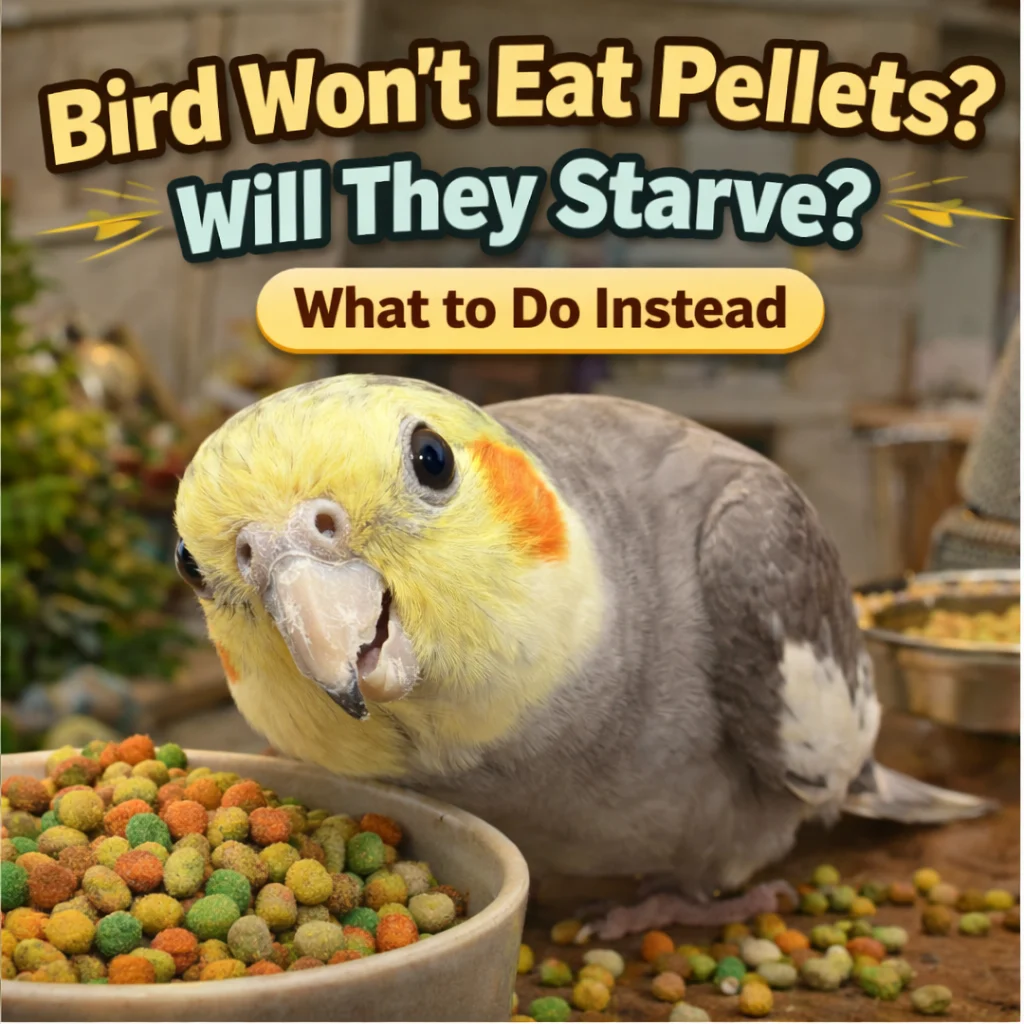
The dietary transition of companion birds from traditional seed-heavy diets to nutritionally complete pellets represents one of the most significant challenges for avian caregivers. While veterinarians and avian nutritionists widely advocate for a pellet-based regimen to mitigate the risks of obesity, vitamin A deficiency, and fatty liver disease, the biological instinct of parrots to reject unfamiliar food sources often leads to owner frustration and, in some cases, dangerous weight loss. As of April 2026, clinical guidance has shifted away from the "wait-them-out" method, favoring a more nuanced, evidence-based approach centered on behavioral training and gradual exposure.
The Biological Context of Avian Dietary Neophobia
To understand why a bird refuses to eat pellets, one must first examine the evolutionary pressures that shaped avian behavior. In the wild, parrots are neophobic—they possess an inherent caution toward new food sources. This behavior is a survival mechanism; in many native habitats, the consumption of a single toxic plant or unripe fruit could prove fatal. Consequently, juvenile birds rely on their parents to demonstrate that a food source is safe, nutrient-dense, and palatable.
When a bird is brought into a domestic environment, this biological programming remains intact. If a caregiver suddenly removes a seed mix and replaces it with pellets, the bird does not perceive a "healthier option." Instead, it perceives the disappearance of its primary, recognized food source. This often leads to a state of dietary anxiety where the bird may refuse to eat entirely, risking metabolic collapse. Clinical data suggests that birds are capable of entering a state of physiological stress when their foraging expectations are not met, making the transition process not merely a matter of willpower, but a complex psychological exercise.
Diagnostic Indicators: Identifying the Barriers to Acceptance
Avian behaviorists have identified several distinct patterns that characterize a bird’s resistance to dietary changes. These indicators serve as a roadmap for owners to assess the current stage of the transition:
- Recognition Failure: The bird ignores the pellets, failing to identify them as food. This is common in birds that have been raised on a strictly seed-based diet for several years.
- Selective Consumption: The bird spends time "sifting" through a mix, actively discarding pellets while foraging for favored seeds. This suggests the pellets are viewed as debris rather than sustenance.
- Anxiety-Induced Hypophagia: Following a change in diet, the bird shows a measurable decrease in overall food consumption. This is the most critical warning sign, often indicating that the bird has not yet formed a positive association with the new food.
- Social Dependency: The bird refuses to eat the new food unless it is observed being consumed by its human companions. This reflects the natural "learning-by-observation" model used in the wild.
The Evolution of Transition Methodologies
Historically, the standard advice for transitioning birds was the "cold turkey" approach. Proponents argued that a healthy bird would eventually eat when hungry enough. However, veterinary medicine has largely moved away from this philosophy. Research into avian metabolism indicates that small birds, such as cockatiels or budgerigars, have high metabolic rates; even 24 to 48 hours of starvation can have severe, long-term health consequences, including damage to the digestive tract and a suppressed immune system.
Current best practices, supported by the Association of Avian Veterinarians (AAV), emphasize "force-free" learning. This methodology relies on positive reinforcement and the gradual introduction of pellets. The goal is to reshape the bird’s perception of the pellet from an "unknown object" to a "high-value food item." This shift requires patience, as the process can take anywhere from several weeks to several months, depending on the age, species, and history of the individual bird.
A Three-Phase Implementation Strategy
For caregivers attempting a transition, experts recommend a structured, three-phase approach that prioritizes the bird’s caloric intake while slowly shifting its nutritional baseline.
Phase 1: Familiarization and Enrichment
Before any diet is restricted, the bird must be exposed to the visual and textural presence of pellets. This involves placing pellets in a separate dish near the primary food source. During this phase, the caregiver should intentionally interact with the pellets in view of the bird—eating them (or appearing to) and displaying signs of enjoyment. This mimics the parental feeding behavior observed in the wild.
Phase 2: Gradual Integration
Once the bird displays curiosity, the pellets can be integrated into the existing diet. This is often achieved through "softening" or "masking." Techniques include soaking pellets in a small amount of warm water or fruit juice, or grinding them into a coarse powder to coat favored seeds. This forces the bird to taste the pellet material while consuming the seeds it trusts.
Phase 3: Stabilization and Maintenance
As the bird begins to consume the pellets, the ratio of seeds to pellets is gradually adjusted. The primary metric for success during this phase is the bird’s weight. Regular weighing using a gram scale is the only objective way to ensure the transition is safe. A loss of more than 5–10% of total body weight is considered a clinical concern and warrants immediate consultation with an avian veterinarian.
Clinical Perspectives and Broader Implications
The shift toward behavioral-based dietary transition has profound implications for the pet industry and the longevity of captive birds. As the lifespan of many parrot species continues to be impacted by diet-related ailments, the focus on "parronting"—a term coined for the active, parent-like guidance of a pet bird—is becoming a cornerstone of responsible ownership.
Dr. Elena Rossi, an avian nutritionist, notes that "the psychological bond between a bird and its owner is the most powerful tool in the dietary transition. When a bird trusts its owner, the threshold for trying new, ‘scary’ foods is significantly lowered. We are no longer just talking about nutrition; we are talking about trust-based communication."
Furthermore, the environmental impact of this shift cannot be ignored. By reducing the reliance on high-fat, low-nutrient seed mixes, the demand for better, science-backed avian formulations increases. This has spurred innovation in the pet food sector, leading to pellets that incorporate natural ingredients, such as dehydrated vegetables and high-quality proteins, which are far more palatable to species with specific dietary requirements.
Monitoring and Long-Term Success
The success of a diet transition is not marked by the day the seed dish is removed, but by the day the bird demonstrates a consistent, healthy interest in its new diet. Caregivers are advised to keep a daily log of the bird’s behavior, weight, and droppings. Significant changes in the consistency or color of droppings can indicate digestive distress or a lack of proper intake, and should be monitored closely.
It is also important to recognize that birds, like humans, have individual preferences. Some may prefer larger, crunchy pellets, while others favor smaller, softer varieties. Offering a variety of high-quality, reputable brands can help identify what the bird finds most palatable.
Ultimately, the goal of transitioning to pellets is to provide the bird with the best possible chance at a long, healthy life. By viewing the process as an educational journey rather than a simple feeding adjustment, caregivers can avoid the pitfalls of starvation and stress, ensuring that their companion remains a healthy, active, and happy participant in their shared home. The transition to a pellet-based diet is a testament to the commitment of the modern bird owner to provide care that respects both the physical health and the complex behavioral needs of their avian companions.

