


In a move that signals a significant expansion of its hardware-adjacent ambitions, OpenAI has acquired Glass Imaging, a specialized startup recognized for its cutting-edge neural image signal processing (ISP) technology. According to reports from The Wall Street Journal, the deal is valued at $300 million—a substantial premium over the $100 million valuation the company held during its funding round just one year ago. While neither OpenAI nor Glass Imaging has issued an official press release confirming the acquisition, the transaction marks a critical shift in the landscape of mobile photography and artificial intelligence integration.
The Evolution of Glass Imaging
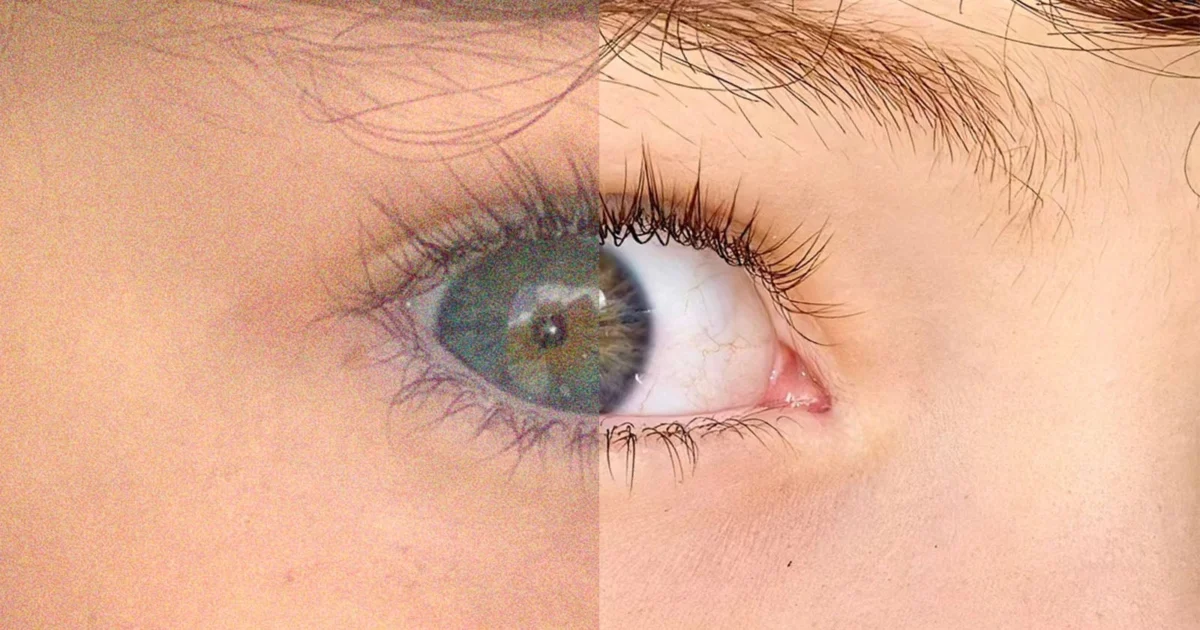
Glass Imaging has spent the better part of three years positioning itself as a disruptor in the computational photography space. Unlike traditional image processing, which often relies on generic software filters, Glass Imaging’s "GlassAI" technology functions at the sensor level. By leveraging RAW image data and integrating physical lens characteristics, the company’s Neural ISP allows mobile devices to bypass the inherent hardware limitations of small smartphone sensors.
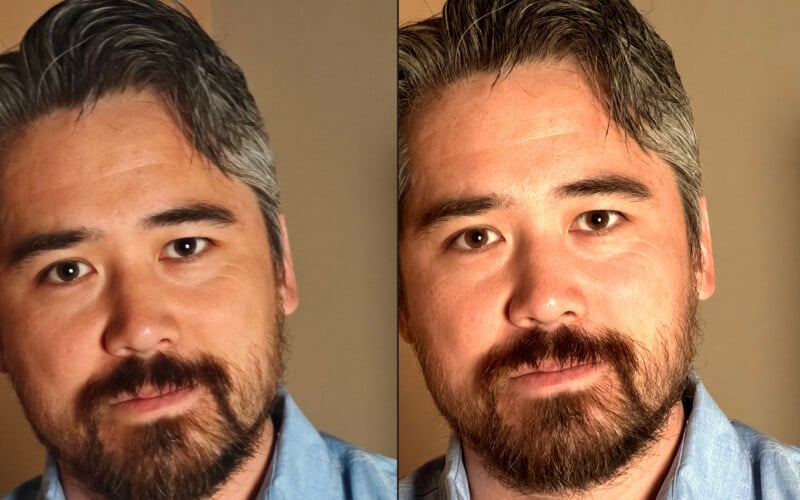
The company’s trajectory has been marked by rapid validation. In 2024, the startup garnered significant industry attention when it demonstrated that its software could allow smartphone-captured images to achieve the resolution, dynamic range, and rendering fidelity typically reserved for dedicated cameras with larger optics and sensors. By late 2025 and into 2026, the technology moved from prototype to production, most notably in the Honor 600 smartphone, where it was credited with significantly enhancing high-zoom photography performance.
A Chronology of Strategic Growth
The acquisition by OpenAI is the culmination of a deliberate, if aggressive, growth strategy by the startup:
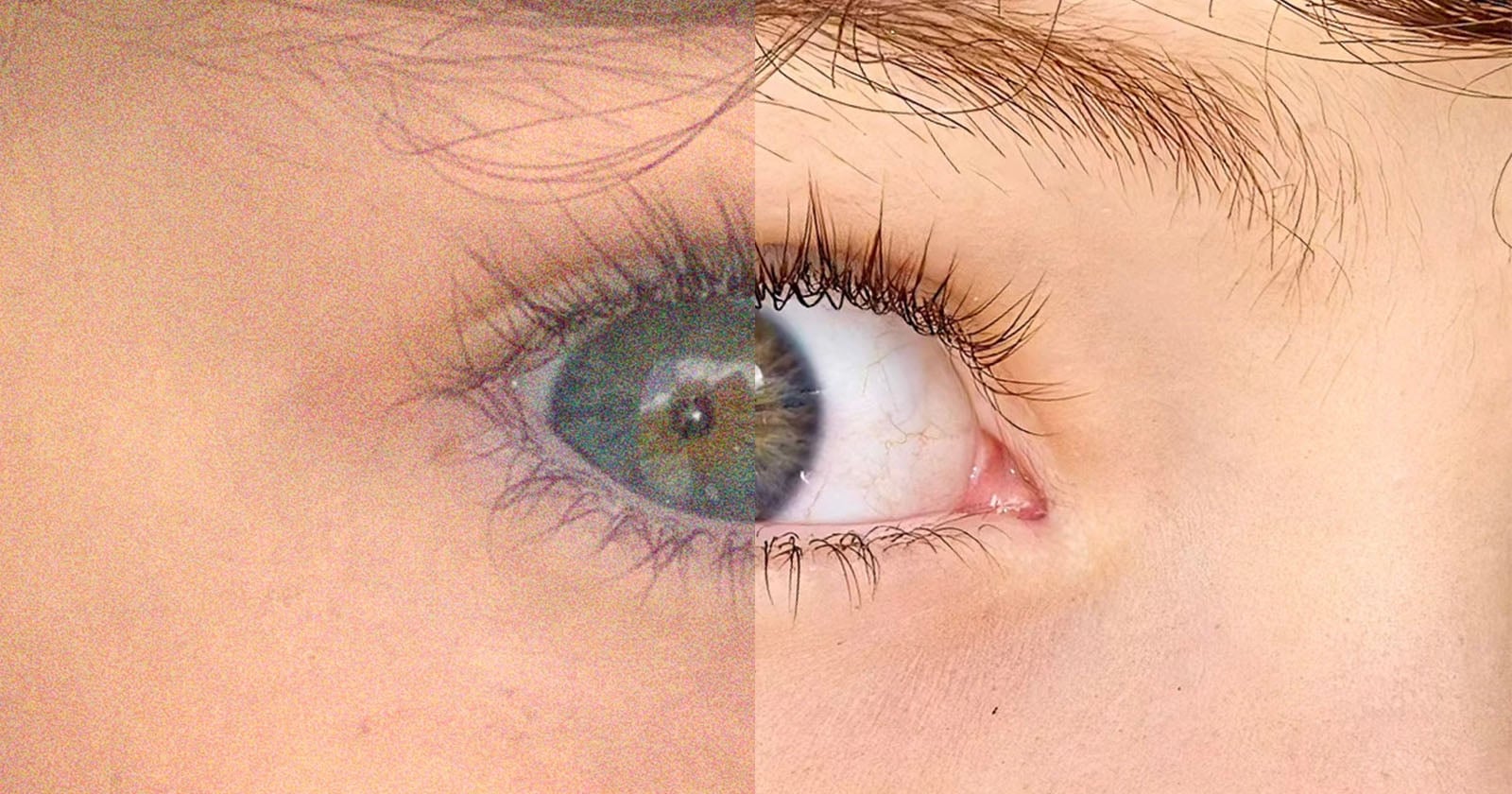
- 2024: Glass Imaging achieves a breakthrough in computational photography by demonstrating its AI-driven ISP on the Qualcomm Snapdragon 8 Elite platform. The demos effectively proved that software could bridge the gap between smartphone sensors and professional-grade camera hardware.
- 2025: The company secures significant venture capital, pushing its valuation to $100 million. During this period, the firm focuses on deep-tier partnerships with hardware manufacturers to integrate its neural processing directly into the camera pipelines of mobile devices.
- June 2026: Glass Imaging’s technology reaches the consumer market through the Honor 600, confirming the scalability and real-world efficacy of its Neural ISP.
- September 2026: OpenAI enters into an agreement to purchase Glass Imaging for $300 million, citing the need to integrate high-fidelity image processing into its broader AI ecosystem.
Technical Implications: Why Neural ISPs Matter
To understand the significance of this acquisition, one must examine the limitations of modern mobile photography. Smartphones are physically constrained by the size of their chassis, which limits the size of the lens and the image sensor. Traditionally, manufacturers have attempted to solve this with multi-camera arrays and post-processing algorithms.
Glass Imaging’s approach, however, is fundamentally different. By utilizing a "Neural ISP," the software treats the camera as an integrated system, interpreting raw sensor data through the lens of machine learning. This process reconstructs details that would typically be lost to diffraction or noise reduction algorithms. In side-by-side comparisons, the output from GlassAI-enhanced devices has frequently outperformed standard flagship smartphone imagery, providing cleaner textures and higher sharpness at high magnification levels.
The OpenAI Strategy: Convergence of Hardware and Intelligence
Industry analysts have struggled to identify a singular motive for OpenAI’s interest in image processing, given the company’s primary focus on Large Language Models (LLMs) and multimodal AI. However, when viewed through the lens of recent corporate activity, the acquisition becomes clearer.
Last year, OpenAI made headlines by acquiring a hardware startup co-founded by Apple veteran Jony Ive for a reported $6.5 billion. This suggests that Sam Altman’s organization is not merely content with being a software provider; it is actively constructing the infrastructure for a physical AI device. If OpenAI intends to release a standalone AI-enabled hardware product, the device would require superior visual perception to navigate and analyze the world.
By owning the technology that transforms raw light into high-fidelity data, OpenAI is ensuring that its future hardware—whether a wearable, a specialized camera, or a mobile device—possesses a "vision" that is vastly superior to standard off-the-shelf components. The acquisition essentially allows OpenAI to "own" the pipeline from the photon hitting the sensor to the digital interpretation of that light.
Fact-Based Analysis of the Market Impact
The $300 million price tag reflects a growing trend in the AI sector: the move toward "vertical integration." By acquiring niche companies that hold proprietary intellectual property in hardware-level processing, AI giants like OpenAI are effectively creating a moat around their future hardware products.
For the smartphone market, this deal presents a potential cooling effect. Glass Imaging had been actively working with hardware manufacturers to improve their camera systems. With the company now under the OpenAI umbrella, it is highly probable that its technology will be pulled from the third-party market. This leaves manufacturers who were relying on Glass Imaging’s innovations to seek alternatives or invest heavily in their own internal R&D—a prospect that is both time-consuming and expensive.
Furthermore, the acquisition highlights a shift in how AI is being used. Until now, AI in photography has been used for aesthetic enhancements—making colors pop or removing objects. Glass Imaging’s technology focuses on fidelity—reconstructing the image data itself. For an AI model that needs to interpret the world with high precision, this distinction is vital. If OpenAI’s upcoming devices are to perform advanced visual tasks, such as augmented reality assistance or autonomous environmental analysis, the "truthfulness" and clarity of the visual data provided by the sensor will be the most critical factor.
Official Responses and Future Outlook
As of this report, there have been no public statements from OpenAI CEO Sam Altman or the leadership team at Glass Imaging. The silence is typical for transactions of this nature, where integration into the parent company’s roadmap is still in the preliminary stages.
The immediate outlook for the technology is uncertain. While current implementations in existing smartphones will likely remain functional, further updates and new partnerships are expected to cease as the team transitions to OpenAI’s internal projects.
For the photography industry, this acquisition serves as a stark reminder of the rapid pace of change. What was once the domain of optical engineering and physics is now increasingly becoming a battle of neural networks and computational efficiency. As OpenAI integrates Glass Imaging’s expertise into its research division, the line between "photographing" a subject and "interpreting" it through AI will continue to blur, likely leading to a new generation of hardware that perceives the world with a clarity previously thought impossible for devices of such small scale.
While the loss of an independent innovator like Glass Imaging may frustrate hardware manufacturers, the move underscores a larger reality: in the race to build the next generation of artificial intelligence, visual data is the most valuable commodity. By securing the technology that defines how that data is captured, OpenAI has made a clear, expensive, and potentially transformative bet on the future of physical, visual intelligence.

