


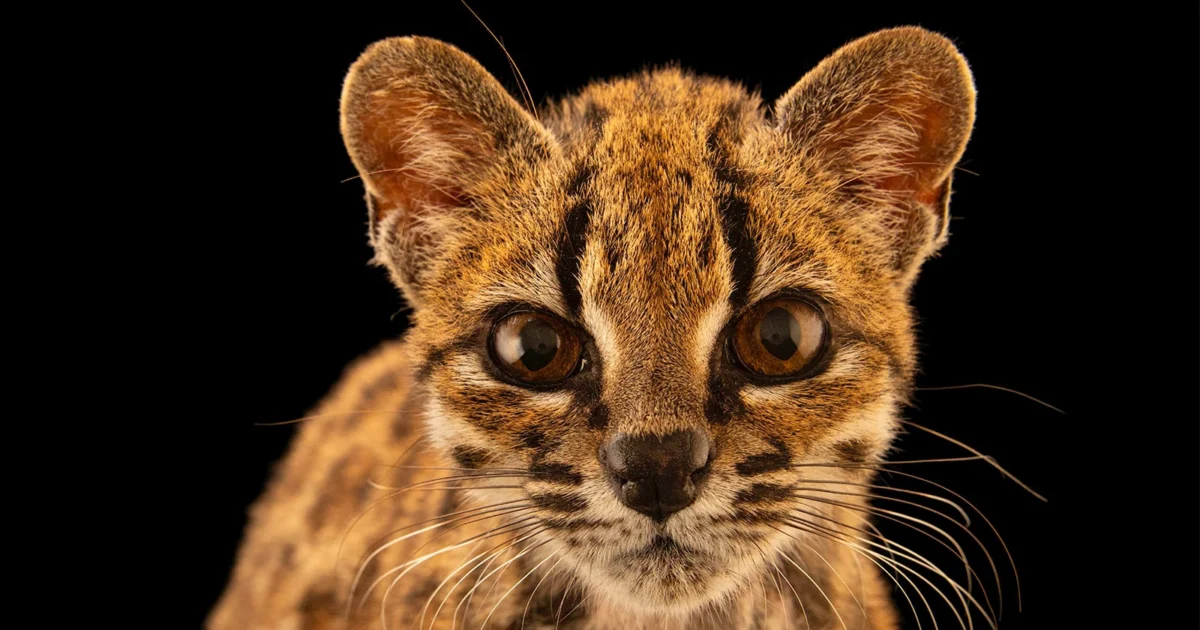
The scientific community is celebrating a rare and momentous breakthrough in zoology following the formal identification of a new species of wild cat, Leopardus tilcayo. Published today in the journal Current Biology, the research concludes a decade-long mystery that began with a chance discovery in the Bolivian Andes. This discovery marks the first time in over 100 years that a new, distinct species of living cat has been formally described and cataloged by researchers, representing a significant milestone in the field of feline taxonomy and biodiversity.
The Origins of the Discovery
The story of the Leopardus tilcayo—or the "tilcayo cat"—traces back to 2016. Paola Nogales-Ascarrunz, a National Geographic Explorer and biologist who founded the Bolivian Felids Research Program (Programa de Investigación de Félidos Bolivia), received an urgent call from the Senda Verde wildlife sanctuary in Coroico, Bolivia. The facility had taken in a young, unidentified kitten that had been rescued from a forest road by a local resident.
The rescuer, initially assuming the creature was a stray domestic kitten, soon realized the animal possessed physiological traits that were distinctly wild. Upon arriving at the sanctuary, Nogales-Ascarrunz was immediately struck by the animal’s unique appearance. Despite her extensive experience with South American felids, she found the cat did not conform to the established characteristics of known species in the region. "I took a hundred pictures of it," she noted, reflecting on the moment of initial contact. "I was so fascinated."
For years, the specimen was colloquially labeled as a member of the Leopardus tigrinus complex—a group of elusive, small-spotted cats native to Central and South America. However, inconsistencies in the cat’s morphology continued to pique the interest of researchers.
A Decade of Scientific Verification
The process of validating a new species is an exhaustive, multi-year endeavor that requires rigorous genetic analysis and anatomical comparison. The chronology of the Leopardus tilcayo discovery is as follows:
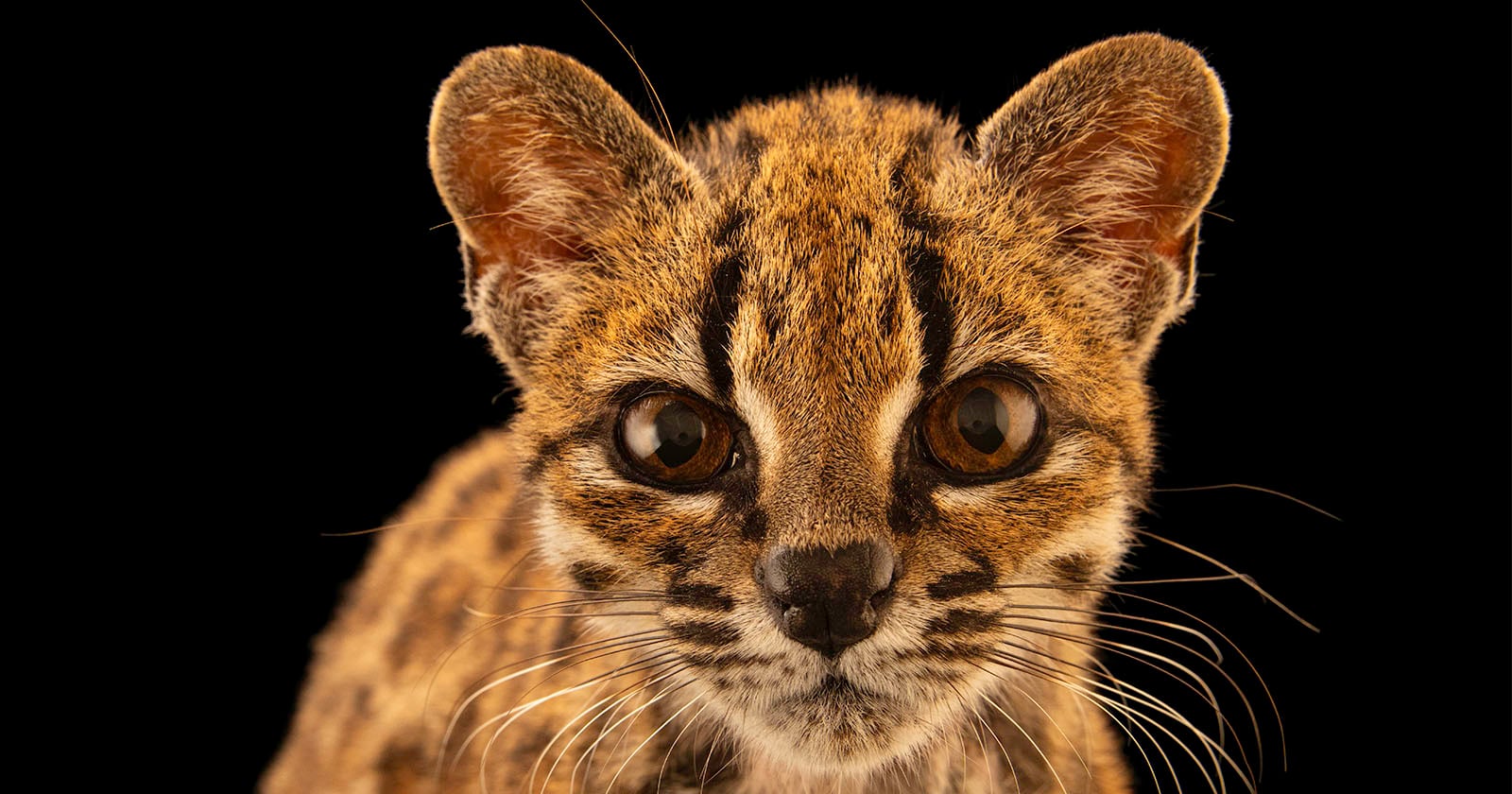
- 2016: The kitten is rescued and brought to Senda Verde, where it catches the attention of Paola Nogales-Ascarrunz.
- 2019: While compiling a comprehensive guide on Bolivian wild cats, Nogales-Ascarrunz re-examines her 2016 field photographs. She realizes the animal’s physical traits—specifically its facial structure and coat pattern—are fundamentally inconsistent with known Leopardus species.
- 2022–2025: A formal collaborative effort is launched, involving geneticist Eduardo Eizirik and researcher Jonas Lescroart. The team conducts advanced molecular sequencing to compare the specimen’s DNA against known feline lineages.
- 2026: The peer-reviewed study is published in Current Biology, formally designating Leopardus tilcayo as a unique species.
The genetic analysis proved decisive. The data revealed that the cat possesses a distinct evolutionary lineage that branched away from its closest relatives long before previously estimated. This distinction is what allowed the team to move beyond subspecies classification and assert that the animal is a separate species entirely.
Morphological and Biological Characteristics
The Leopardus tilcayo is a diminutive predator, characterized by a small, scrunched facial structure, short rounded ears, and elongated, sensitive whiskers. Weighing significantly less than the average domestic cat, the species is perfectly adapted to the dense, high-altitude environment of the Bolivian Andes. Its most recognizable feature is a complex, leopard-like rosette pattern that provides camouflage within the undergrowth of its native habitat.
Despite the formal naming of the species, basic ecological questions remain. Researchers are currently working to ascertain the cat’s natural diet, reproductive cycles, and potential predators. Because the species is so newly described, data regarding its total population size or geographic range remains speculative. The scientific community is now racing to implement conservation monitoring to determine if the Leopardus tilcayo is currently threatened by habitat fragmentation or human encroachment.
Scientific Significance and Global Impact
The identification of Leopardus tilcayo serves as a stark reminder of the limitations of current biological mapping. Eduardo Eizirik, a key co-author of the study, emphasized that this discovery challenges the assumption that the world’s major mammal groups have been fully explored.
"Showing the general public that even in a flagship group such as cats, there are still new species to be discovered may transmit an important message," Eizirik stated. "There are many undiscovered species out there in the world, and they are at risk of disappearing before we even discover them."
The broader implications of this find are profound. Taxonomists often refer to "cryptic species"—animals that look identical or nearly identical to known species but are genetically distinct. The discovery of Leopardus tilcayo suggests that other small, elusive carnivores across South America may also be awaiting proper classification. This has immediate consequences for conservation policy, as species must be formally recognized before they can be granted the legal protections necessary to prevent extinction.
Conservation and the Photo Ark
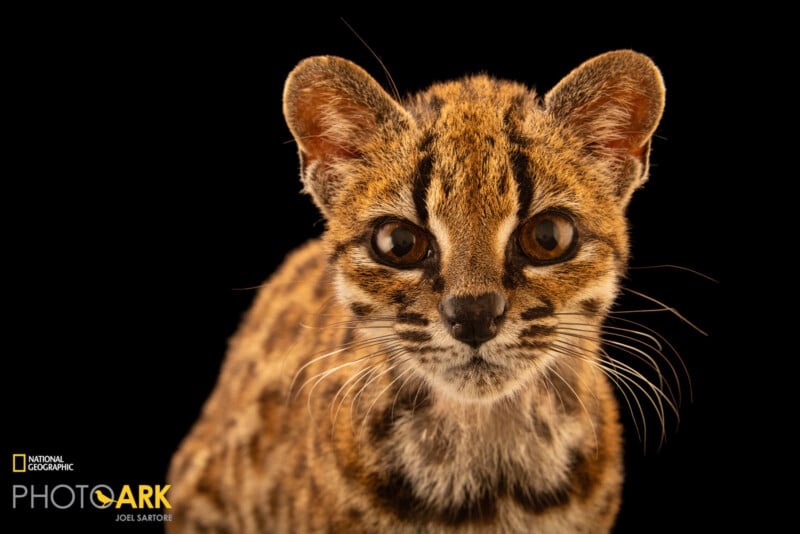
As the scientific world processes the implications of this discovery, the individual cat that sparked the decade-long investigation has become an icon for biodiversity. National Geographic photographer Joel Sartore, founder of the Photo Ark project, visited Senda Verde to document the specimen. His high-resolution imagery—capturing the cat’s amber eyes and distinctive spotted coat against a stark black background—has brought global attention to the find.
The Photo Ark’s inclusion of Leopardus tilcayo highlights the intersection of aesthetic documentation and scientific record-keeping. By providing clear, detailed portraits of the cat, the project helps solidify its place in the public consciousness, elevating it from a "weird cat" found on a forest road to a globally recognized piece of the natural world’s puzzle.
Future Research Directions
The publication in Current Biology is only the beginning of the work for the research team. With the species now recognized, the focus shifts to field research. The Bolivian Felids Research Program is planning expeditions to the regions surrounding the Senda Verde sanctuary to search for wild populations. These efforts will involve the use of camera traps and environmental DNA (eDNA) sampling to track the cats in their natural environment without causing undue disturbance.
Furthermore, the discovery has sparked discussions about the state of biodiversity in the Andes. As climate change shifts habitat zones and human development continues to expand, the window of opportunity to study these animals in their undisturbed state is narrowing. The Leopardus tilcayo serves as a "sentinel species"—an organism that, through its presence, can help scientists monitor the health of the Andean ecosystem.
The discovery of Leopardus tilcayo is a testament to the persistence of field biologists and the critical importance of local wildlife rescue centers. By providing a sanctuary for a "weird" kitten, the team at Senda Verde allowed for a chain of events that has permanently altered our understanding of feline evolution. In an era where biodiversity loss is a primary concern for the scientific community, the emergence of a "new" species offers both a glimmer of hope and a call to action for the continued protection of the world’s remaining wild spaces.

