



The American Federation of Aviculture (AFA) has officially consolidated and made publicly accessible a comprehensive digital archive of its flagship publication, Watchbird magazine, spanning over four decades of avicultural history from its inaugural issue in 1974 through 2015. This extensive repository captures the evolution of captive bird care, veterinary advancements, conservation legislation, and aviary management practices in North America and globally.
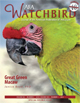
For researchers, breeders, veterinarians, and conservationists, the release of this digitized collection represents a monumental resource. Watchbird has long served as a peer-reviewed and community-driven forum for avian enthusiasts, documenting shifts in ecological understanding, breeding successes, and the changing legal frameworks surrounding exotic and domestic bird species.
The Genesis and Evolution of Watchbird Magazine
Established in the early 1970s, Watchbird was conceived as an educational instrument to bridge the gap between hobbyist bird breeders and professional ornithologists. During this period, the keeping and breeding of exotic birds were experiencing a significant surge in popularity across the United States. However, the foundational knowledge regarding proper nutrition, behavioral enrichment, and disease prevention in captive environments was largely fragmented.
The first issue, published in 1974 (Volume 1, No. 1), set a precedent for practical, science-based reporting combined with grassroots breeder experiences. Over the next forty-plus years, the magazine adapted to the growing professionalization of aviculture. It transitioned from a simple club newsletter format into a robust journal featuring detailed husbandry guides, field reports from conservationists, and critical updates on international trade agreements.
A Chronological Window into Avicultural History
The newly organized archive provides a structured, year-by-year chronicle of how the avicultural community responded to major global and domestic events impacting bird populations.

In the late 1970s and 1980s (Volumes 5 through 12), the publication heavily emphasized establishing sustainable captive populations of declining species in response to tightening international restrictions on wild-caught bird imports. Articles from this era highlight pioneering dietary formulations and the first successful captive breeding records for several complex parrot and finch species.

The 1990s marked a legislative turning point, notably highlighted by the continued implementation and adaptation of the Wild Bird Conservation Act (WBCA) of 1992 in the United States. Watchbird chronicled this transition extensively, offering guidance to breeders on shifting from reliance on wild-imported stock to self-sustaining domestic breeding programs. The archives from this decade (Volumes 19 through 26) reflect a heightened focus on genetic management, closed banding, and domestic aviary biosecurity.
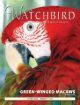
Entering the 2000s and 2010s, the magazine’s content evolved to incorporate modern avian veterinary medicine, advanced behavioral psychology, and increased collaboration with accredited zoological institutions. The later volumes up to 2015 document the rising importance of conservation education, habitat preservation initiatives, and the ethical responsibilities associated with long-lived companion species such as macaws and cockatoos.
Supporting Data and Structural Insights
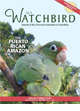
The comprehensive digital archive comprises hundreds of individual issues distributed across dozens of volumes. A quantitative review of the publication timeline illustrates its consistent output:

- 1974–1980: Establishment phase, focusing on foundational husbandry, basic nutrition, and club networking. Publication frequency stabilized at six issues per volume annually.
- 1981–2000: Expansion phase, incorporating peer-reviewed veterinary insights, international field research, and comprehensive taxonomic guides.
- 2001–2015: Modernization phase, addressing captive behavioral science, conservation partnerships, and legislative compliance amid shifting global conservation priorities.
Each archived issue preserves original illustrations, photographs, advertisements, and editorial commentary that collectively map out the cultural and commercial landscape of the bird fancy over two generations.
Official Responses and Community Reception
Leadership within the American Federation of Aviculture has emphasized that preserving these historical texts is essential for future scientific and practical endeavors. Avicultural historians note that many historical breakthroughs in avian incubation techniques, hand-rearing formulas, and pathology were first published in the pages of Watchbird before being adopted by the broader scientific community.
Veterinary professionals have similarly welcomed the accessibility of the archive. Modern avian medicine relies heavily on longitudinal data regarding longevity, dietary deficiencies, and infectious disease management—areas where Watchbird’s historical case studies offer invaluable empirical evidence. By opening this archive, the AFA ensures that decades of accumulated practical wisdom are not lost to time or localized degradation of physical print copies.
Broader Impact and Implications for Modern Conservation
The implications of making the Watchbird archive fully accessible extend far beyond the hobbyist community. As contemporary wildlife populations face unprecedented pressures from habitat loss, climate change, and illegal trafficking, historical records of captive propagation take on renewed significance.

Conservation breeding programs often rely on historical methodologies when attempting to revive or sustain critically endangered avian species under human care. The techniques documented in the 1980s and 1990s editions provide a baseline of empirical knowledge for modern conservation biologists working in ex-situ breeding facilities.
Furthermore, the archive offers sociologists and environmental historians a clear lens through which to view the changing human relationship with nature. The shift from an era defined by widespread import and ownership of exotic wildlife to one centered on conservation, captive sustainability, and animal welfare is vividly mapped across the publication’s sequential volumes.
Ultimately, the preservation and digitization of Watchbird reinforce the interconnectedness of aviculture, veterinary science, and wildlife conservation. By safeguarding this repository, the American Federation of Aviculture has provided a lasting educational bridge between the pioneers of early captive bird management and the scientists, conservationists, and breeders of the twenty-first century.

