


The transition of a parrot from a wild-type ancestor to a domestic companion involves a complex recalibration of social hierarchies within the human household. While avian behavioral science often focuses on training, health, and dietary requirements, the domestic reality for millions of bird owners involves a subtle, persistent power shift. As companion birds integrate into family life, they frequently exhibit behaviors that redefine household routines, environmental standards, and economic priorities. Building upon previous observations regarding how parrots influence their human environment, this analysis explores five additional mechanisms through which psittacine companions assert control over their domestic surroundings.
The Avian Influence on Circadian Rhythms and Household Scheduling
The biological imperative of a parrot, often rooted in the crepuscular or diurnal habits of wild species, necessitates a strict adherence to light and activity cycles. In a domestic setting, this results in the bird effectively dictating the household’s daily chronology. Ornithologists note that psittacines are highly social creatures that rely on a predictable "flock" schedule to maintain a sense of security. Consequently, the human owner is often incorporated into this rhythm, with the bird initiating morning vocalizations that serve as an immutable alarm system.
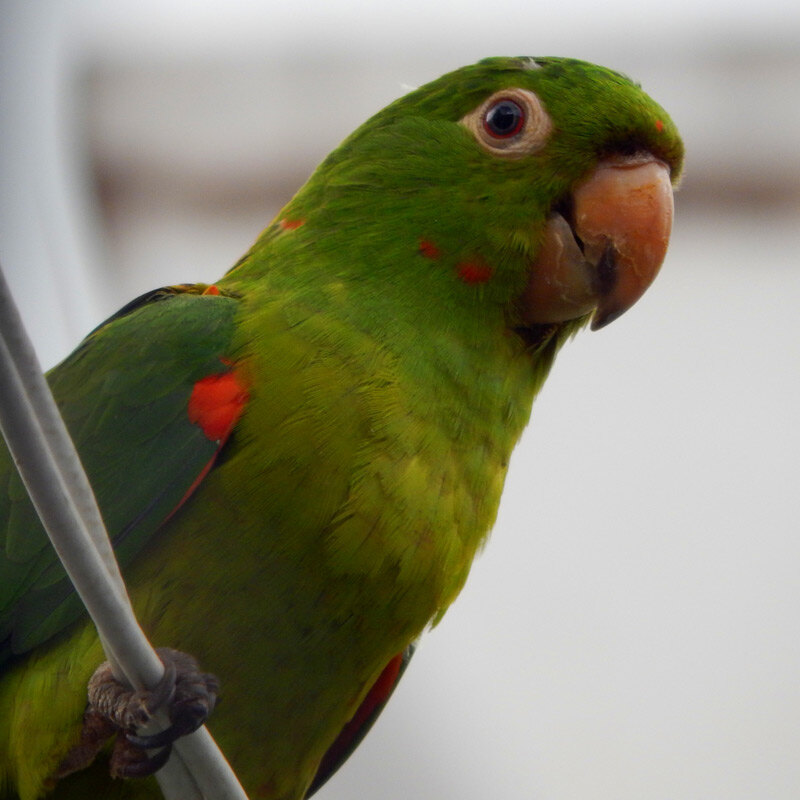
Data from avian behaviorists suggests that captive parrots possess a sophisticated internal clock. When a bird establishes a preference for specific feeding times or rest periods, they utilize repetitive vocalizations and behavioral cues to ensure these deadlines are met. This phenomenon effectively overrides human intentions, such as the desire for a late start on weekends or irregular meal times. This rigid scheduling is not merely a quirk; it is a manifestation of the bird’s requirement for environmental stability. When owners fail to comply with these self-imposed avian schedules, stress-induced behaviors—such as feather picking or excessive screaming—may emerge, reinforcing the necessity for the human to adapt to the bird’s timeline.
Domestic Oversight: The Role of the Avian Quality-Control Inspector
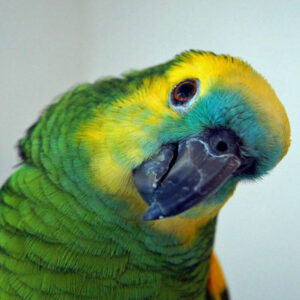
The introduction of any new element into a living space—be it a change in furniture, a new light fixture, or a rearrangement of common areas—triggers a vigilant investigative response from a pet parrot. In the wild, parrots are neophobic, meaning they are inherently cautious of new objects that could represent a predator or an environmental hazard. In a household, this instinct manifests as a critical, often judgmental, observation of the owner’s interior design choices.
Behavioral studies indicate that parrots perform detailed visual inspections of their territory. If a new object is deemed "out of place," the bird may express its disapproval through body language, such as head-tilting, fixed staring, or vocal protests. This "quality-control" behavior is a primary method by which the bird asserts its role as a stakeholder in the environment. By reacting negatively to changes, the parrot forces the owner to acknowledge its sensory comfort. Consequently, many long-term bird owners report that they consult their avian companions, metaphorically or literally, before making significant alterations to their shared space.
The Transformation of Waste Management and Resource Utilization
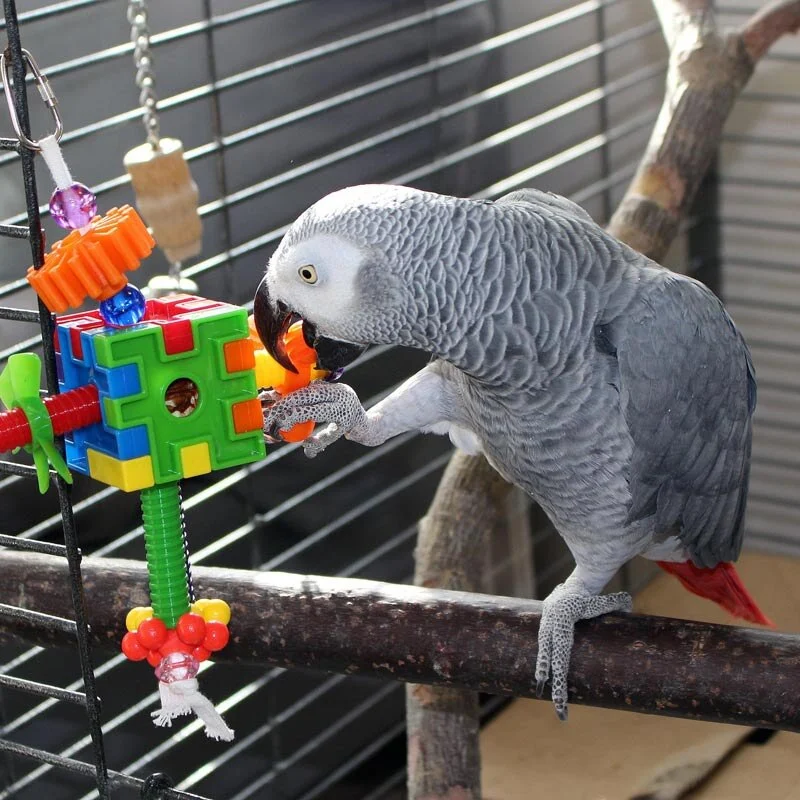
The presence of a parrot in the home often necessitates a fundamental shift in how residents view household waste. Items traditionally destined for the recycling bin—such as cardboard shipping boxes, paper towel rolls, and non-toxic packing materials—are frequently repurposed as essential enrichment tools. This practice, while environmentally conscious, fundamentally alters the domestic waste stream.
For the average household, this represents a transition from a linear waste model to a circular, enrichment-focused model. Owners must screen all potential "trash" for safety, ensuring it is free of staples, adhesives, or toxic inks. This systematic vetting process elevates the parrot to the primary arbiter of what constitutes "recyclable" versus "valuable." The implications here are economic and logistical: households with birds often invest less in commercially manufactured enrichment toys, favoring the "treasure chest" of household cardboard, which parrots frequently find more engaging than expensive, pre-made alternatives.
The Integration of Avian Participation in Human Labor
Perhaps the most disruptive and endearing aspect of parrot companionship is the bird’s refusal to acknowledge boundaries during human activities. Whether an owner is attempting to work on a laptop, read a book, or perform household chores, the parrot views these actions as communal tasks. From a psychological perspective, this is consistent with the cooperative breeding and foraging behaviors observed in wild flocks.
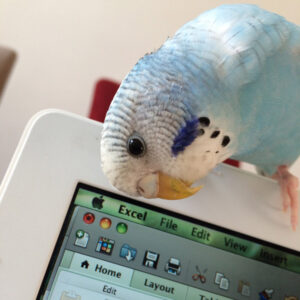
When a parrot sits on a keyboard or inspects laundry, it is not merely seeking attention; it is participating in the "work" of the flock. This behavior often forces humans to alter their workflow. For instance, remote workers frequently find their productivity impacted by a bird that insists on "assisting" with digital tasks. This forced collaboration suggests that the parrot does not distinguish between its own leisure and the human’s professional or domestic obligations. Instead, it views the household as a unified space where all activities are group-oriented, effectively demanding that the human remain engaged with the bird regardless of the task at hand.
Redefining Economic and Recreational Value
Finally, the parrot serves as the ultimate authority on the value of enrichment. In the pet industry, manufacturers produce thousands of toys designed to stimulate avian intelligence. However, the end-user’s evaluation of these products rarely aligns with the market price. Parrots often favor items that are ephemeral, such as destructible softwoods or paper products, over durable, high-cost plastic or acrylic toys.
This creates a recurring paradox for owners: the more expensive the toy, the more likely the parrot is to ignore it in favor of a discarded cardboard box. This behavior functions as a corrective mechanism, stripping away the human tendency to equate monetary value with utility. By systematically destroying "bargain" items while ignoring "luxury" ones, the parrot asserts its autonomy in play. It challenges the human to move beyond consumerist impulses and focus on the functional, sensory-based reality of the bird’s needs.
Broader Implications and Institutional Perspectives
The cumulative effect of these five behaviors is a significant shift in household dynamics. Veterinarians and avian behaviorists suggest that the "ruling the roost" phenomenon is a natural byproduct of the high cognitive load these animals carry. Parrots are not merely passive pets; they are active, intelligent, and highly opinionated members of the household who require, and often demand, significant environmental control to remain mentally healthy.
From an institutional standpoint, the trend of viewing parrots as "roommates" rather than "pets" has gained traction in animal welfare circles. This perspective emphasizes that the human-bird relationship is essentially a partnership, albeit one with significant power imbalances. When owners recognize that their bird is attempting to manage the household, they are better equipped to provide the necessary mental stimulation and environmental stability.
In summary, the transition of a parrot into a domestic environment is a two-way street of adaptation. While the human provides the physical infrastructure and resources, the parrot defines the social and environmental standards. Whether through the regulation of the daily schedule or the critical evaluation of household decor, the parrot ensures its presence is felt and respected. For the dedicated bird steward, acknowledging this reality is not only a sign of a healthy relationship but a prerequisite for a harmonious, if somewhat chaotic, life with one of the most complex companion animals in existence. By accepting the parrot’s role as an active participant in home management, owners can foster a more enriching and mutually satisfying environment, proving that while humans may hold the keys to the house, the parrots often hold the keys to the schedule.

