


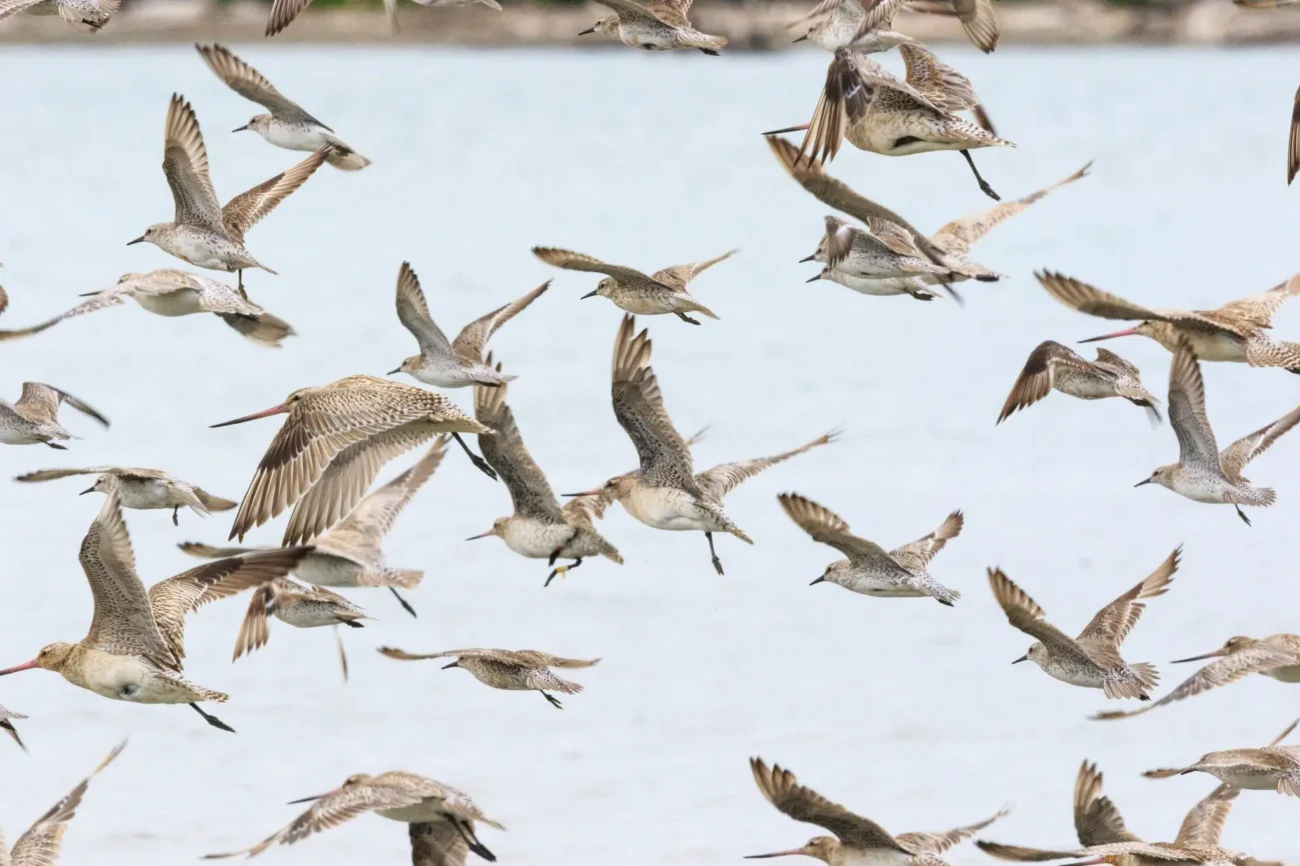
As the peak of avian migration unfolds this May, the observable shifts in the migratory patterns of the world’s birds are sounding a clear alarm about the increasing strain on the natural systems that underpin all life on Earth. This year’s World Migratory Bird Day serves as a critical juncture, urging a deeper understanding of these avian travelers’ journeys, not just as a spectacle of nature, but as vital indicators of planetary health.
World Migratory Bird Day, observed annually in May and October to coincide with the major migration periods in both hemispheres, is more than a celebration of one of nature’s most awe-inspiring phenomena. It is a global call to action, inviting communities worldwide to engage with the profound narratives carried on the wings of migrating species. These birds, undertaking arduous journeys across continents and oceans, are not merely traveling; they are performing essential ecological services that benefit humanity directly.
Birds as Ecological Architects: The Unseen Benefits of Migration
Migratory birds are indispensable to the functioning of ecosystems. They act as natural couriers, transporting vital nutrients across vast distances, from marine environments to terrestrial landscapes. Their role in pollination is crucial for a significant number of plant species, including many that form the basis of human food production. Furthermore, they are key agents in seed dispersal, contributing to the regeneration and diversity of plant life. Their presence also plays a role in regulating insect populations, which can have direct impacts on agriculture and the spread of certain diseases.
However, these vital ecological services are under increasing threat. According to BirdLife International, a global partnership dedicated to conserving birds and their habitats, more than 40% of bird species worldwide are currently experiencing a decline in their populations. This alarming statistic highlights a systemic crisis, with migratory birds serving as particularly sensitive barometers of environmental health due to their reliance on a chain of interconnected habitats across their migratory routes.
The Global Flyway Network: Highways of Life

Martin Harper, CEO of BirdLife International, emphasizes the interconnectedness facilitated by migratory birds. "Migratory birds connect us across countries, continents and ocean currents," Harper stated. "Protecting the major migratory highways of the world is how we reverse those declines. And when we do, people gain too: cleaner water, food security, flood protection, and more resilience to a changing climate."
These migratory highways, known as global flyways, are vast aerial and marine corridors that birds utilize to travel between their breeding grounds, feeding areas, and seasonal refuges. BirdLife International identifies four major terrestrial flyways: the African-Eurasian, East Asian-Australasian, Americas, and Central Asian flyways. These are complemented by six marine flyways, which are equally critical for seabird populations. These flyways transcend political borders, linking habitats that can be thousands of kilometers apart and underscoring the need for international cooperation in conservation efforts.
The integrity of these flyways is fragile. The degradation or loss of a single critical habitat along a migratory route – such as a drained wetland or a polluted coastline – can have cascading negative effects, leading to significant population declines for entire species. The recent extinction of the Slender-billed Curlew serves as a stark reminder of the irreversible consequences when these vital links are broken.
The African-Eurasian Flyway: A Crucial Artery
The African-Eurasian Flyway is one of the most significant migratory systems globally, connecting bird populations between Africa, Europe, and Asia. Millions of birds undertake arduous journeys along this route annually, traveling from the Arctic regions to southern Africa and back again. The health of this flyway is of paramount importance, not only for the species that depend on it but also for the ecological balance of the connected continents.
Dr. Paul Matiku, Executive Director of Nature Kenya, a key BirdLife International Partner, highlights Africa’s central role in maintaining these migratory routes. "Africa is at the heart of some of the world’s great flyways," Dr. Matiku explained. "The health of our wetlands, rangelands and coastlines matters far beyond our borders. When we protect these habitats, we protect birds, biodiversity and the communities that live alongside them."
The significance of Africa’s contribution to global bird migration will be further underscored this September with the hosting of the Global Flyways Summit in Nairobi, Kenya. This marks the first time the summit, a crucial platform for conservation leaders, will be held on the African continent.

The Global Flyways Summit: A Collaborative Approach to Conservation
Co-hosted by BirdLife International and Nature Kenya, the Global Flyways Summit will convene a diverse group of stakeholders, including scientists, policymakers, financial experts, business leaders, and representatives from civil society. The primary objective of the summit is to forge a collective agreement on actionable strategies to protect migratory birds and the critical ecosystems upon which they depend.
A key event during the summit will be the launch of the latest edition of the "State of the World’s Birds" report by BirdLife International scientists. This report provides an up-to-date assessment of bird populations worldwide and offers critical insights into the broader health of nature, with a specific focus on the challenges and opportunities presented by global flyways.
Data-Driven Conservation: The Power of Citizen Science
The increasing pressures on migratory birds underscore the urgent need for robust data to inform conservation efforts. World Migratory Bird Day provides an annual opportunity for the public to contribute to this vital data collection through birdwatching and citizen science initiatives. By observing and recording bird sightings, individuals can contribute to a growing body of knowledge that helps scientists and conservationists track population trends, identify threats, and implement targeted conservation actions.
"You don’t need to be an expert to care about birds," Harper concluded. "When we notice the wildlife around us, we start to understand the condition of the places we all rely on. Birds give us both a warning and an opportunity. They show us where nature needs urgent action, and where there is still hope."
BirdLife International is encouraging public participation in its "Race to Save Birds Challenge" on May 9th. This initiative is designed not as a competitive event, but as a call to action focused on mindful observation and data contribution. Participants are encouraged to spend time observing birds, documenting their findings, and raising funds to support conservation efforts. This approach leverages the collective power of individuals to make a tangible difference in protecting birds and their habitats.

Implications for Global Ecosystems and Human Well-being
The decline of migratory bird populations has far-reaching implications beyond the avian world. The disruption of ecological services such as pollination, seed dispersal, and nutrient cycling can lead to reduced agricultural yields, decreased biodiversity, and compromised ecosystem resilience. In an era of accelerating climate change, the ability of natural systems to adapt and mitigate environmental impacts is crucial, and migratory birds play an integral role in maintaining this capacity.
The interconnectedness of flyways means that conservation efforts must be coordinated across international boundaries. The success of initiatives like the Global Flyways Summit hinges on the willingness of nations to collaborate, share resources, and implement consistent conservation policies. The focus on Africa as a host for the summit signifies a growing recognition of the continent’s vital role in global bird migration and the importance of supporting its conservation efforts.
The "State of the World’s Birds" report, with its focus on flyways, is expected to provide compelling evidence of the interconnectedness of ecological health and the global economy. By understanding the pressures on these migratory routes, policymakers and industries can be better informed to make decisions that support sustainable development and minimize environmental impact.
Ultimately, the changing journeys of migratory birds are a profound message about the state of our planet. Their struggles reflect the broader environmental challenges facing all species, including humans. By heeding their calls, through enhanced conservation efforts, international cooperation, and active citizen engagement, we can work towards safeguarding these vital natural systems for generations to come, ensuring not only the survival of birds but also the health and resilience of Earth itself. The wonder of migration, when coupled with a commitment to action, offers a pathway towards a more sustainable and biodiverse future.

