


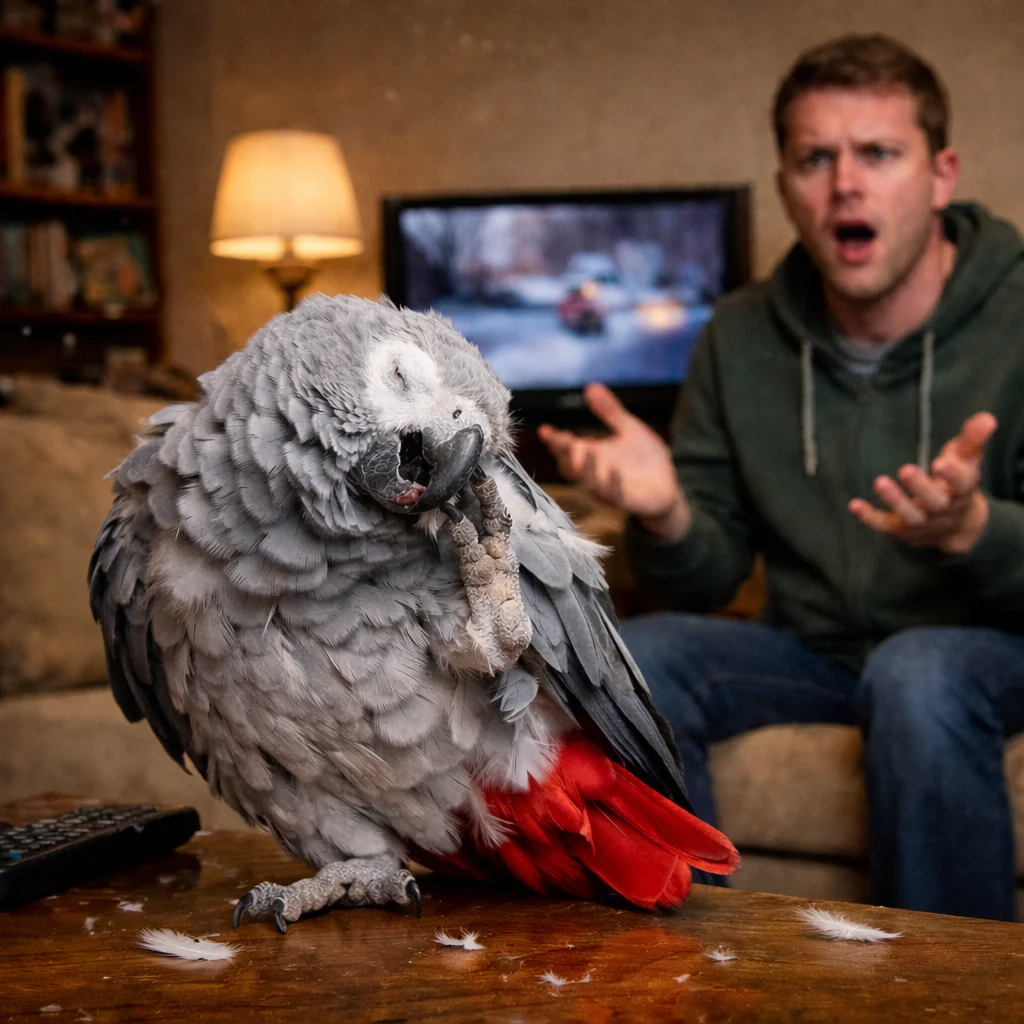
For countless bird owners, observing their avian companions meticulously preening and occasionally scratching is a familiar sight, often indicative of healthy feather maintenance. However, during the seasonal molting process, these behaviors can intensify, raising legitimate concerns about whether a bird’s actions signify normal discomfort or the concerning onset of feather plucking. This critical distinction, often fraught with anxiety for owners, is paramount for ensuring the long-term health and well-being of pet birds. Expert analysis, supported by behavioral science and veterinary insights, underscores the importance of close observation and understanding the nuanced cues that differentiate a challenging molt from a nascent behavioral issue requiring intervention.
The Biological Imperative of Molting: A Cyclical Renewal
Molting is a fundamental biological process for all birds, essential for replacing worn, damaged, or old feathers with new, healthy ones. This cyclical renewal is vital for maintaining insulation, flight efficiency, waterproofing, and overall health. Most pet birds undergo one to two significant molts annually, often triggered by changes in light cycles, temperature, and hormonal fluctuations. During a molt, old feathers are shed, and new "pin feathers" – encased in a waxy keratin sheath – emerge. As these new feathers grow, they push through the skin, causing a sensation that can range from mild itchiness to significant discomfort. The entire process typically spans several weeks to a few months, varying by species and individual bird.
The physiological demands of molting are considerable. Feathers are approximately 90% protein, making feather production one of the most metabolically intensive processes a bird undertakes. This demand necessitates a constant redirection of nutrients, particularly high-quality proteins, specific amino acids, vitamins (especially Vitamin A), and essential fatty acids, towards feather follicle development. Concurrently, the bird’s skin must remain supple and resilient to accommodate the emerging feathers without irritation or tearing. Any deficiency in these crucial nutrients can compromise the skin’s health and the quality of the new feathers, exacerbating the discomfort associated with molting.
Early Indicators: Normal Molt Discomfort Versus Emerging Concerns
The initial challenge for bird owners lies in interpreting the increased preening and scratching behaviors common during a molt. While it’s normal for a bird to appear more preoccupied with its plumage, the nature and intensity of this attention are the key differentiators.
-
Normal Molt Discomfort: During a typical molt, birds will spend more time preening, often focusing on breaking the keratin sheaths of new pin feathers. This can involve vigorous scratching with their feet or rubbing against perches and cage bars to relieve itching. They might appear slightly "ruffled" due to the patchy feather growth and the presence of numerous pin feathers. Owners may observe small amounts of feather dust or fragments of keratin sheaths around the cage. The bird’s overall demeanor, however, generally remains active, engaged, and responsive to its environment. Periods of intense preening are usually interspersed with normal activities like eating, playing, vocalizing, and resting. The discomfort comes and goes, often in waves, corresponding to the emergence of new feather batches.
-
When It Becomes Concerning: The line between normal molting and the start of feather destructive behavior (FDB), including plucking, can be subtle but is marked by escalation and fixation. A bird might begin to exhibit behaviors that go beyond simple preening:
- Obsessive Focus: Instead of generalized preening, the bird fixates on specific body areas, often repeatedly grooming the same spot for extended periods, seemingly unable to disengage.
- Aggressive Manipulation: Preening becomes more forceful, with visible pulling, tugging, or chewing of feathers.
- Visible Feather Damage: While a few broken feather barbs might occur during a rough molt, consistent damage, frayed edges, broken shafts, or the appearance of bald patches that are not filling in with new growth are significant red flags.
- Skin Irritation: Prolonged and aggressive self-grooming can lead to skin redness, inflammation, scabs, or even open wounds.
- Behavioral Shifts: Beyond feather-related actions, the bird may show other signs of distress, such as increased irritability, lethargy, loss of appetite, changes in vocalization, or reluctance to interact.
As noted by Diane Burroughs, LCSW, an ABA-trained behavior specialist and founder of UnRuffledRx, the crucial question isn’t how dramatic the behavior looks, but "whether your bird can disengage and return to normal behavior." This ability to shift focus away from grooming is a primary indicator of healthy coping mechanisms during a molt. Conversely, the inability to disengage, coupled with persistent, repetitive attention to plumage, signals a potential problem.
The Role of Nutrition and Environment in Molting Severity and Plucking Onset
The intensity of a bird’s molt and its susceptibility to developing feather destructive behaviors are profoundly influenced by its diet and living environment. Nutritional deficiencies, particularly those involving Vitamin A and essential fatty acids, are frequently implicated in "rough" molts and compromised skin health. Vitamin A is crucial for epithelial tissue health, including the skin and feather follicles. A deficiency can lead to dry, flaky skin, poor feather quality, and increased irritation during feather growth. Similarly, essential fatty acids (EFAs) like Omega-3 and Omega-6 are vital for skin barrier function and anti-inflammatory responses. A diet lacking in these can result in brittle feathers and an itchy, irritated dermis.
Studies, such as those referenced by Chen et al. (2020) in Frontiers in Physiology, highlight the intricate physiological processes underlying feather development and skin integrity, underscoring the critical role of a balanced diet. Cooper & Harrison (1994) in Avian Medicine also extensively detail the nutritional requirements of birds, linking dietary inadequacies directly to dermatological and feathering issues. When key nutrients are scarce, the skin and feather follicles struggle to function optimally, making new feather growth more irritating and painful. This can transform a normal molt into an unusually rough experience, often serving as the point where underlying dietary limitations finally manifest as visible distress.
Beyond nutrition, environmental factors play a significant role. Chronic stress, stemming from an inadequate enclosure, lack of mental stimulation, insufficient sleep, perceived threats, or inconsistent routines, can heighten a bird’s overall anxiety levels. A bird under stress may be more prone to over-grooming as a self-soothing mechanism, especially when combined with the physical discomfort of molting. Low environmental humidity can also dry out a bird’s skin and feathers, increasing itchiness and making the molt more uncomfortable. Conversely, a rich, stimulating environment with varied foraging opportunities, regular bathing, and consistent positive interaction can help a bird cope better with the physiological stress of molting.
Proactive Measures: Reducing Irritation and Preventing Fixation
Addressing molting discomfort effectively aims to reduce immediate irritation and, crucially, prevent the behavior from escalating into a fixed habit of feather plucking. Owners can implement several science-backed strategies:
- Optimize Nutrition: Review and enhance the bird’s diet. Transitioning away from an all-seed diet to a high-quality pelleted diet supplemented with fresh vegetables, fruits, and small amounts of healthy fats (e.g., flaxseed, chia seeds, walnuts) is often recommended. Foods rich in Vitamin A (carrots, sweet potatoes, dark leafy greens) and essential fatty acids are particularly beneficial. Consulting an avian veterinarian for specific dietary recommendations or the cautious introduction of avian-specific nutritional supplements can be invaluable.
- Increase Humidity and Bathing Opportunities: Regular bathing or misting helps to hydrate the skin and feathers, soften pin feather sheaths, and alleviate itchiness. Providing a shallow dish of water for self-bathing or daily gentle misting with plain water can significantly improve comfort. A room humidifier can also be beneficial, especially in dry climates or during winter months.
- Enhance Environmental Enrichment: During a molt, a bird may require additional mental stimulation to distract from discomfort. Introduce new, destructible toys, foraging opportunities that encourage problem-solving, and rotating toys to maintain novelty. Increased positive interaction with the owner, such as training sessions or gentle petting (in appropriate areas), can also provide distraction and comfort.
- Ensure Adequate Rest: Birds need 10-12 hours of uninterrupted sleep in a dark, quiet environment. Proper rest is essential for healing and coping with the physiological demands of molting.
- Minimize Stressors: Identify and mitigate any potential environmental stressors. This could involve ensuring a consistent daily routine, protecting the bird from household noise or sudden movements, and providing a secure, comfortable cage setup.
It’s crucial that support is delivered calmly and steadily, integrated into the bird’s normal routine, rather than as a reactive, panicked response. Over-fussing or showing excessive anxiety can inadvertently reinforce undesirable behaviors or heighten the bird’s stress.
Counterproductive Actions: What to Avoid
While well-intentioned, certain owner responses can exacerbate molting discomfort or inadvertently contribute to the development of feather plucking:
- Punishment or Scolding: Yelling, scolding, or physically punishing a bird for scratching or preening excessively will only increase its stress and anxiety, potentially intensifying the undesirable behavior or leading to other behavioral problems. Birds do not understand punishment in the human sense.
- Ignoring the Problem: While avoiding over-reaction is important, completely ignoring concerning signs like escalating fixation or feather damage can allow a minor issue to become a deeply ingrained, chronic problem.
- Self-Diagnosis and Unprescribed Treatments: Relying solely on internet advice or anecdotal remedies without veterinary consultation can delay proper diagnosis and treatment, especially if an underlying medical condition is present.
- Over-Intervention: Constantly trying to "help" the bird by picking at its feathers or pin feathers can be stressful and counterproductive unless guided by an avian professional.
Effective support means observing closely and responding with practical, science-backed steps that reduce irritation instead of amplifying it.
When to Seek Professional Veterinary Care
While many molting discomforts can be managed at home with diligent care, certain signs warrant immediate consultation with an avian or exotic animal veterinarian. These include:
- Apparent Weakness or Lethargy: A bird that is unusually quiet, fluffed up for long periods, squinting, or keeping its eyes half-closed.
- Bald Areas Not Refeathering: Patches of skin that remain featherless long after a molt should have completed, or areas where new feathers consistently fail to emerge.
- Open Skin, Bleeding, or Wounds: Any visible skin trauma, lacerations, or bleeding indicates a serious problem requiring veterinary attention to prevent infection and address the cause.
- Clear Feather Pulling or Damage: If the bird is consistently and forcefully pulling out feathers, causing visible damage, or creating bald spots.
- Rapid Escalation or Fixation: A sudden, rapid intensification of feather destructive behavior, or a relentless fixation on a specific body part that cannot be interrupted by normal activities.
- Changes in Droppings, Appetite, or Weight: These can be signs of underlying illness that might be contributing to stress or discomfort.
- Behavior that feels "off": Trusting an owner’s intuition is important. If something simply feels wrong and does not improve with supportive care, it is always appropriate to seek professional help.
An avian veterinarian can perform a thorough physical examination, conduct diagnostic tests (blood work, skin scrapings, feather analyses) to rule out medical causes (e.g., parasites, fungal infections, organ disease), and provide tailored advice on diet, environment, and behavioral modification strategies. Early veterinary intervention is critical for increasing the chances of successful management and preventing chronic feather plucking, which can be notoriously difficult to resolve once established.
Broader Implications: The Long-Term Well-being of Avian Companions
The ability to distinguish between normal molting and early feather plucking has profound implications for a bird’s long-term health and the owner-pet bond. Untreated feather plucking can lead to chronic skin infections, constant discomfort, and severe stress, significantly diminishing a bird’s quality of life. In extreme cases, it can result in self-mutilation and life-threatening injuries. Furthermore, the frustration and emotional toll on owners witnessing their beloved pet’s distress can be substantial.
By understanding the nuances of avian behavior, providing optimal nutrition and environmental enrichment, and knowing when to seek professional help, bird owners can navigate the complexities of molting with confidence. This proactive, informed approach not only supports a smoother molting process but also serves as a crucial defense against the development of one of the most challenging behavioral issues in pet birds, ensuring a healthier, happier life for these intelligent and sensitive companions.

