


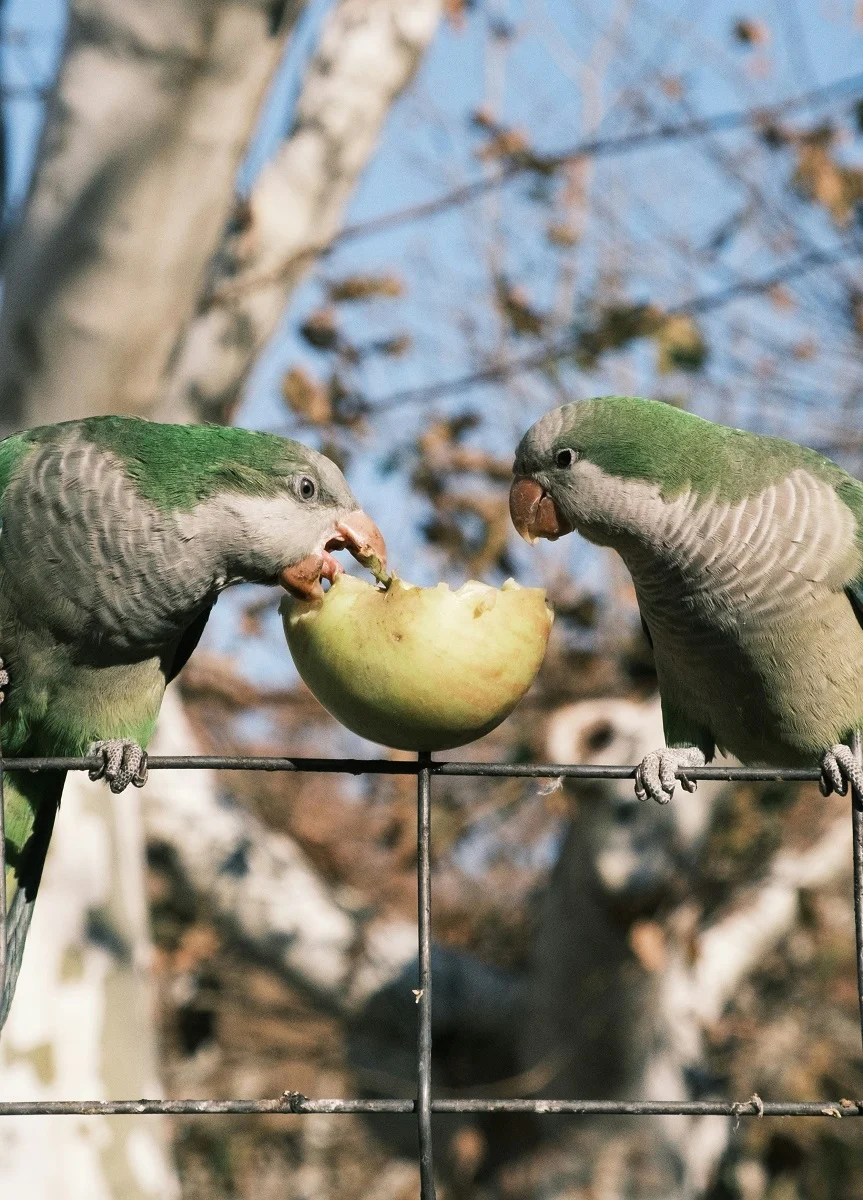
The quaker parrot, scientifically classified as Myiopsitta monachus and more commonly known as the monk parakeet, has long occupied a unique niche in both avian veterinary medicine and global ecological discussions. Originating across the expansive lowlands of South America—including Argentina, Uruguay, Paraguay, southern Brazil, and eastern Bolivia—this vibrant species has transitioned from a localized regional bird to a widely recognized household pet and, in many jurisdictions, a significant invasive species. Weighing up to 140 grams and reaching lengths of up to 13 inches, the quaker parrot presents a complex profile of high intelligence, remarkable longevity, and specific environmental demands that prospective owners must carefully evaluate before integration into a domestic setting.
Taxonomic Classification and Physical Characteristics
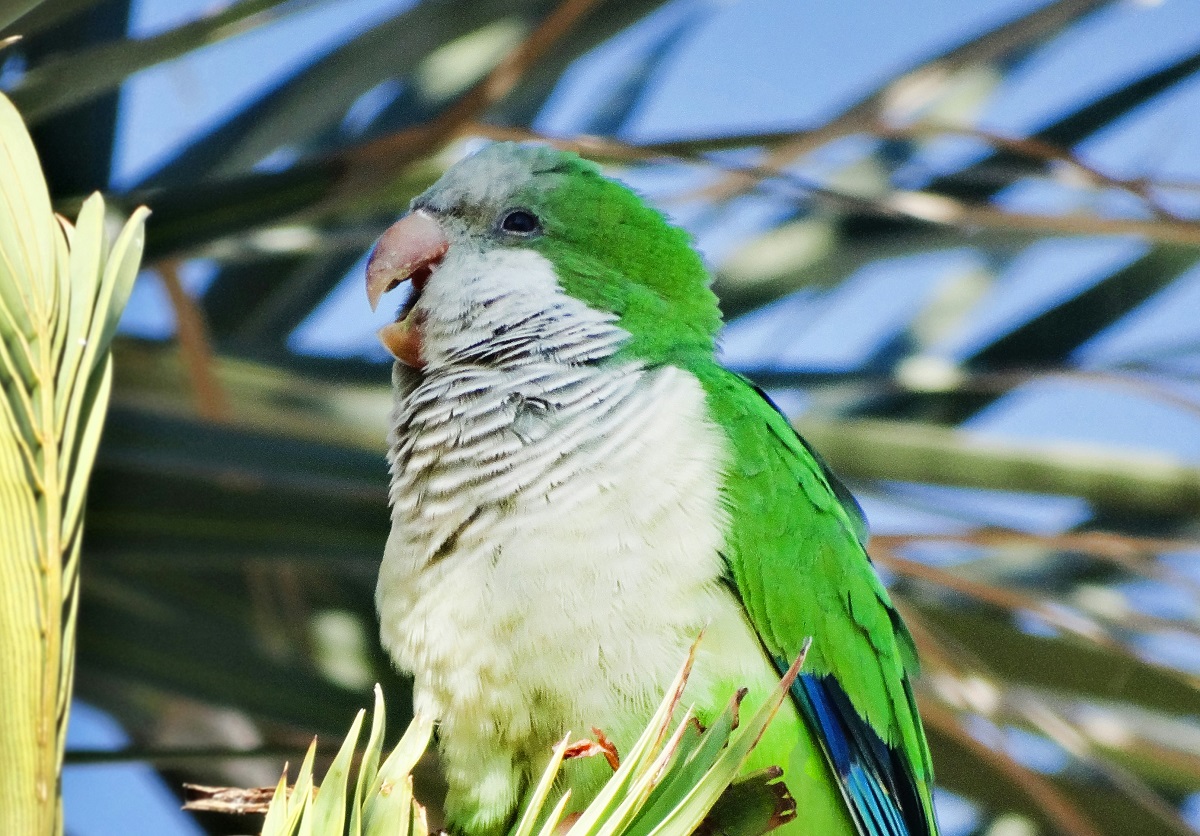
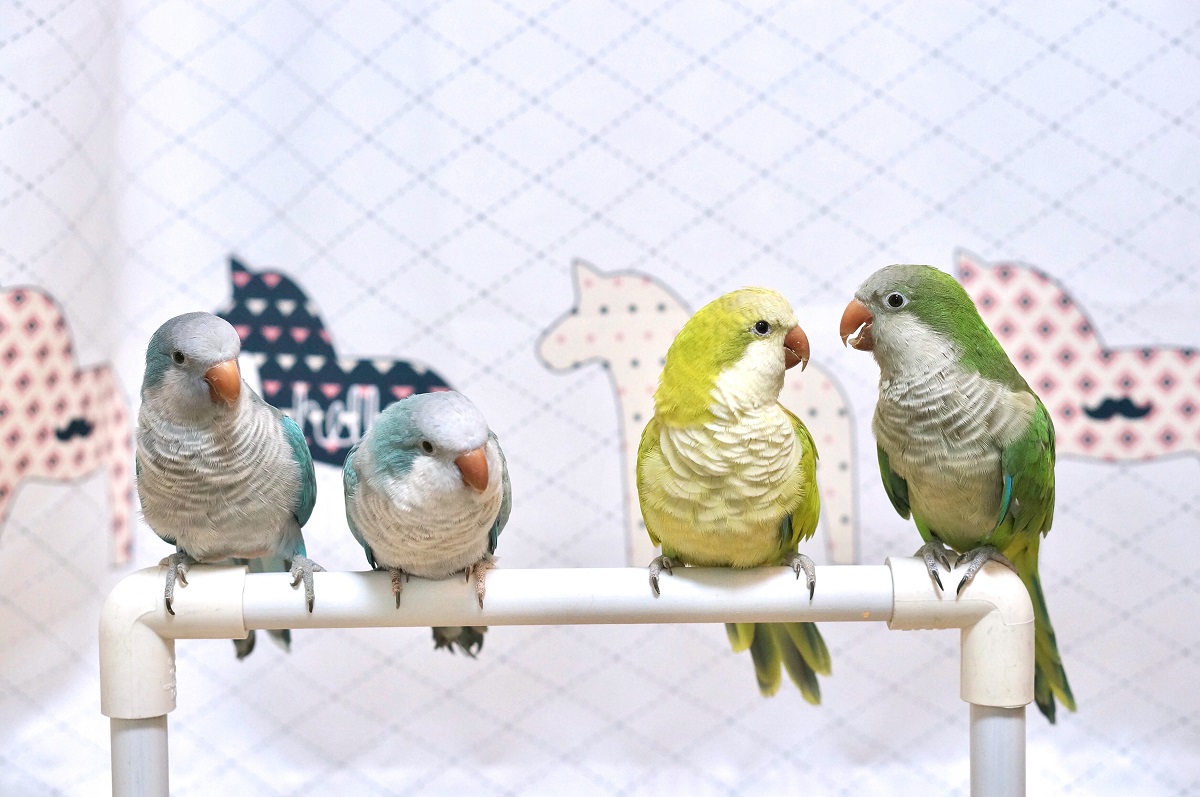
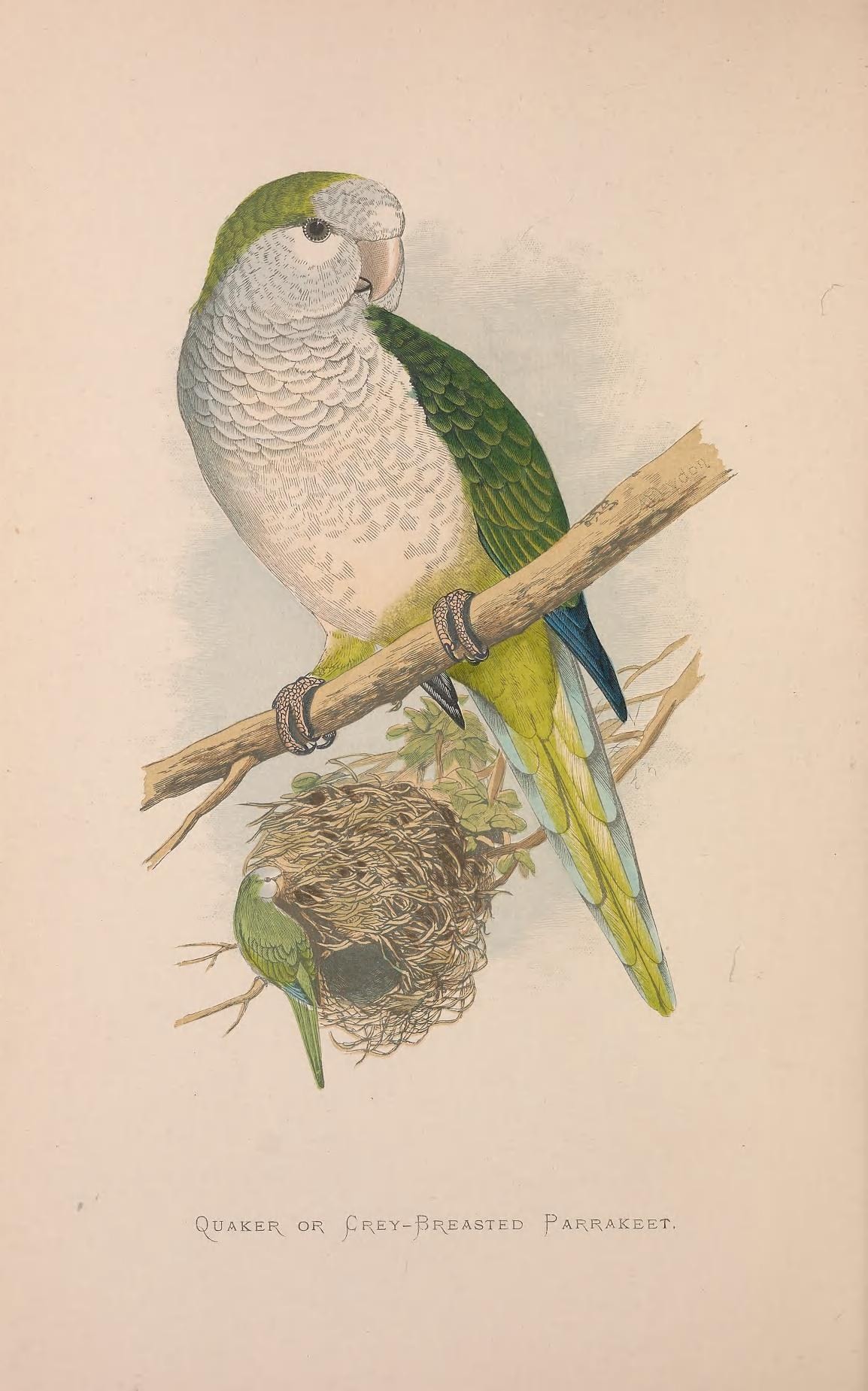
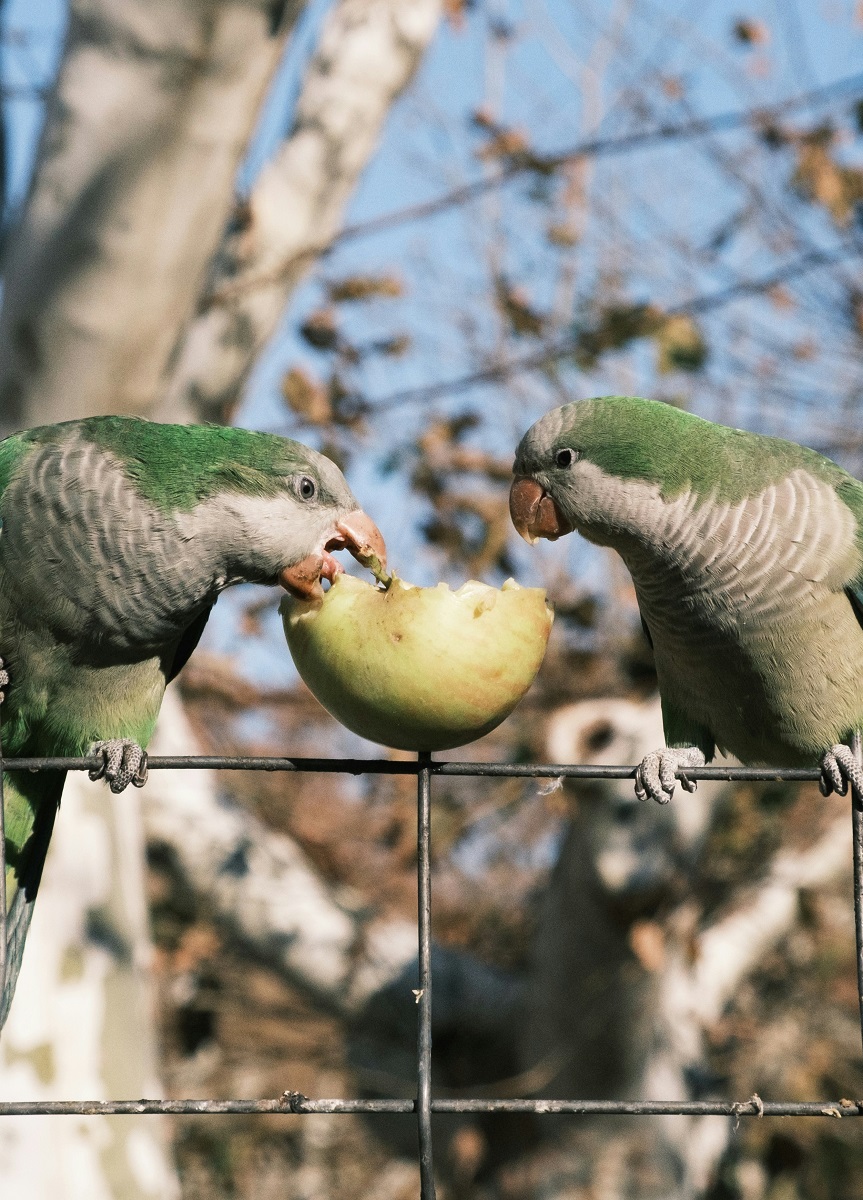
A member of the Psittacidae family, Myiopsitta monachus is immediately distinguishable by its distinct coloration and morphology. Wild-type specimens typically display a mossy green back, a soft gray front, and striking blue flight feathers, complemented by a long tail and a skin-colored beak. Over decades of aviculture, selective breeding programs have successfully introduced a wide array of color mutations, including blue, yellow, gray, and white morphs.
Despite slight dimorphism wherein females are marginally smaller than males, visual sexing remains notoriously unreliable. Consequently, professional avian veterinarians and breeders routinely recommend DNA testing to ascertain the sex of an individual specimen accurately. In terms of lifespan, these birds are a long-term commitment, frequently living up to 30 years in captivity when provided with optimal care, environmental enrichment, and preventative veterinary medicine.
Natural Habitat, Conservation Status, and Global Expansion
In its indigenous South American range, the quaker parrot thrives in lowland regions up to 3,300 feet in elevation. These habitats predominantly consist of wooded savannas, palm forests, and urban green spaces. According to the International Union for Conservation of Nature (IUCN) Red List, Myiopsitta monachus is categorized as a species of Least Concern. Local populations often flourish due to anthropogenic landscape alterations. The large-scale cultivation of Eucalyptus forests for paper pulp has provided an abundance of structural nesting sites, while agricultural expansion—particularly the proliferation of maize and grain crops—has ensured a steady, reliable food source. Conversely, its close relative, Myiopsitta luchsi, remains classified as Near Threatened, highlighting divergent survival trajectories within the same genus.
Beyond its native borders, the monk parakeet has demonstrated extraordinary adaptability, establishing self-sustaining feral populations across North America and Europe. Urban environments in countries such as Spain, where populations mingle with local pigeons in major metropolitan centers like Madrid and Valencia, illustrate the species’ resilience. However, this ecological plasticity has triggered regulatory friction. Because flocks frequently forage on agricultural yields and construct massive, communal stick nests on utility poles—sometimes causing electrical transformers to short-circuit—several local governments and agricultural departments have instituted strict bans on the import, sale, and possession of quaker parrots.
Nutritional Requirements and Captive Diets
Understanding the dietary baseline of Myiopsitta monachus is critical to mitigating common health ailments in captivity. In the wild, the species is predominantly herbivorous, subsisting on seeds, wild fruits, and cactus stems, while occasionally consuming insects and larvae. Because of their preference for seeds, wild populations are historically regarded as agricultural pests due to their tendency to raid grain and cornfields.
In a domestic environment, modern veterinary consensus firmly rejects traditional, seed-heavy diets, which are now widely recognized as a primary driver of malnutrition, obesity, and shortened lifespans in companion birds. Avian nutritionists recommend that a captive quaker parrot’s diet be anchored by a high-quality formulated pellet food designed to supply essential micro- and macronutrients. This foundation should be systematically supplemented with fresh vegetables, leafy greens, and limited quantities of fruit. Additionally, continuous access to fresh water and a mineral block for calcium supplementation is mandatory to maintain systemic health.
Housing Specifications and Complex Behavioral Needs
Housing a quaker parrot requires careful consideration of spatial dynamics. Although moderate in physical stature—rarely exceeding 140 grams—these birds require substantial space to exercise, stretch their wings, and prevent sedentary behaviors. Industry standards suggest a minimum cage width of 30 inches, with a horizontal orientation preferred over vertical designs, as parrots naturally utilize the upper tiers of their enclosures. If daily out-of-cage interaction is limited, owners are advised to invest in a full-scale indoor aviary.
Cages should be outfitted with natural wood perches of varying diameters, durable and safe toys, and securely anchored feeding dishes. Notably, the species retains a robust, innate drive for architectural construction. When provided with access to elongated, stick-like items such as twigs, pens, or similar objects, quakers will frequently initiate meticulous nest-building behaviors. While this instinctual engineering is fascinating to observe, it can occasionally induce hormonal surges and territorial aggression, prompting some owners to strategically manage the availability of loose materials within the cage.
Enrichment, Socialization, and Temperament
Cognitive stimulation is a cornerstone of avian welfare. As highly intelligent animals, quaker parrots easily succumb to boredom, which frequently manifests as stress-induced vocalizations, feather destruction, or behavioral aggression. Comprehensive enrichment programs must incorporate a rotating selection of parrot-safe chew toys, foraging boxes, and daily out-of-cage exploration periods. Environments outside the enclosure must be rigorously "bird-proofed" to eliminate hazards such as open containers of hot liquids or active ceiling fans.
Behaviorally, well-socialized quakers are characterized by a confident, boisterous, and playful demeanor. They form strong bonds with their human caretakers and often crave extensive physical interaction. However, this high level of social integration introduces specific management challenges. Quakers are notoriously territorial regarding their cages, occasionally displaying defensive aggression during routine maintenance tasks like food and water replacement. Furthermore, they can form intense attachments to a single individual, potentially leading to defensive behaviors toward other members of a household.
Vocalizations, Acoustic Profile, and Talking Ability
The acoustic output of Myiopsitta monachus falls into the low-to-moderate range compared to larger parrot species, yet it remains a significant factor for potential owners. While they do not maintain a constant state of noise, their high-pitched flock calls can be piercing. Alongside squawks and screams, quakers produce a continuous repertoire of melodic whistles, household sound imitations, and conversational chatter.
Avian behaviorists routinely rank quakers among the most capable and motivated talkers within the medium-sized parrot category. While their voices maintain a distinct, squeaky tone, they acquire expansive vocabularies rapidly when subjected to consistent, positive reinforcement and verbal repetition. Owners seeking to mitigate noise concerns are routinely advised to audition the species via specialized acoustic databases or consult local breeders prior to acquisition.
Avian Veterinary Preparedness and Emergency Care
Given their potential lifespan of up to three decades, quaker parrots require long-term commitments to preventive and emergency veterinary care. Domestic injuries—ranging from foot splinters to acute hemorrhaging—necessitate immediate intervention and the prior establishment of a relationship with a certified avian veterinarian. Stocking an avian-specific first aid kit and maintaining emergency contact protocols are vital responsibilities for any owner integrating a monk parakeet into their home.
Ultimately, while the quaker parrot offers an engaging, affectionate, and intellectually stimulating companionship experience, its complex behavioral traits, specialized dietary requirements, and potential legal restrictions as an invasive species demand thorough research and preparation by any prospective caretaker.

