


As communities around the globe prepare for Yom Kippur, the holiest day in the Jewish calendar, discussions surrounding ancient traditions and modern ethical standards take center stage. Known as the Day of Atonement, Yom Kippur is traditionally dedicated to deep spiritual reflection, fasting, prayer, charity, and seeking forgiveness for past transgressions. However, a small subset of Jewish communities continues to practice kapparot, a pre-holiday ritual that involves the use of live chickens. In recent years, this specific practice has drawn intense scrutiny from animal welfare advocates, religious scholars, and community members alike, prompting a significant shift toward a compassionate, charity-based alternative that aligns more closely with contemporary ethical values and foundational Jewish teachings.
The controversy surrounding the live-animal iteration of kapparot highlights a broader global conversation about the evolution of religious customs in the modern era. While the spiritual core of the holiday remains anchored in repentance and charity, the inclusion of live animals has increasingly been viewed as contradictory to the overarching moral imperatives of the season. Consequently, a growing coalition of rabbis, animal rights organizations, and observant Jews are advocating for the complete replacement of live chickens with monetary donations, emphasizing that genuine atonement cannot be achieved through the needless suffering of sentient creatures.
Understanding Kapparot: Origins, Evolution, and Modern Practices
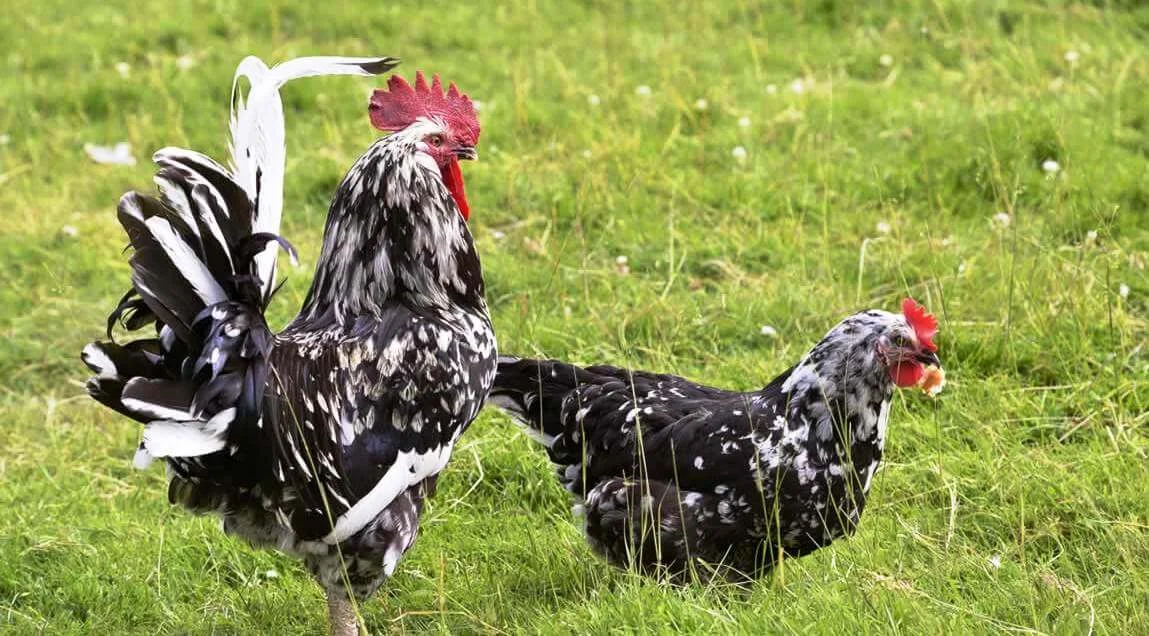
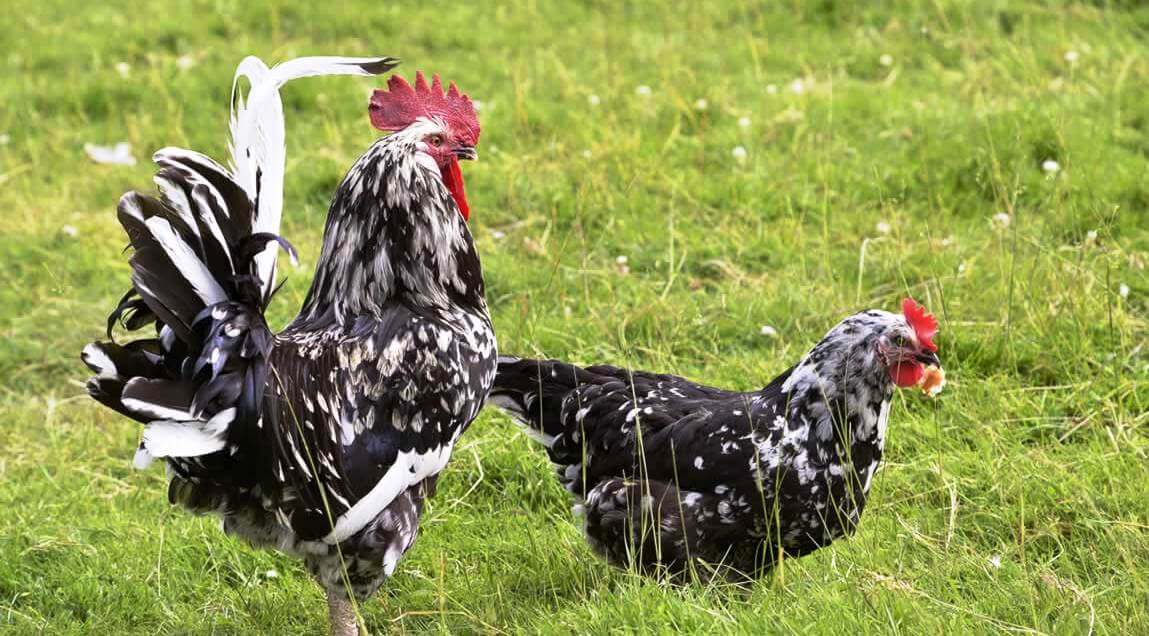
To fully understand the current discourse, one must examine the historical origins and evolution of kapparot. The ritual dates back several centuries, with early mentions appearing in the writings of Jewish scholars during the Geonic period around the 9th century, and later codified in the 16th-century legal code Shulchan Aruch. Traditionally, participants would wave a live rooster or hen around their heads while reciting specific prayers, symbolically transferring their sins onto the animal. Following the ritual, the bird was historically slaughtered and ideally donated to the poor as food.
However, the practical application of this ritual has changed dramatically over time. In contemporary urban centers, the logistics of transporting, housing, and slaughtering thousands of live birds in temporary public enclosures have raised severe public health, sanitation, and animal welfare concerns. Critics and municipal health inspectors have frequently pointed to the distress experienced by the animals, which are often crammed into crates without adequate food, water, or shelter for hours or even days prior to the ritual.
Crucially, prominent religious authorities have repeatedly noted that the use of a live chicken is a custom (minhag) rather than a strict biblical commandment (mitzvah) mandated by the Torah or the Talmud. Because it is a localized custom rather than divine law, communities possess the flexibility—and, many argue, the moral obligation—to adapt the ritual to better reflect the core ethical tenets of Judaism.
The Ethical Imperative: Teshuvah and Tzedakah
At the heart of the Yom Kippur season is the concept of teshuvah, which translates to "returning" or "repentance." This spiritual journey involves examining one’s actions, making amends to those who have been wronged, and committing to personal improvement in the coming year. Alongside prayer, the tradition of tzedakah (righteousness or charity) plays a vital role in demonstrating genuine remorse and a commitment to repairing the world (tikkun olam).
For centuries, an alternative tradition within kapparot has existed alongside the animal-based practice: substituting the chicken with a donation of money to charitable organizations. Proponents of this charity-first approach argue that giving directly to those in need captures the true spirit of the holiday far more effectively than animal slaughter. By directing funds toward food banks, homeless shelters, or community assistance programs, participants actively engage in relieving human suffering, which is a paramount value in Jewish law.
Animal welfare advocates and theologians who support the charity-based alternative emphasize that animals are sentient beings capable of experiencing fear, pain, and complex social bonds. Scientific research into avian cognition has demonstrated that chickens are curious, intelligent animals with distinct personalities, capable of recognizing individuals and forming long-term social structures. Recognizing these scientific realities has galvanized many modern Jews to view the infliction of unnecessary distress on animals as a violation of tza’ar ba’alei chayim, the biblical mandate prohibiting cruelty to animals.
Chronology of a Changing Tradition: A Timeline of Advocacy and Reform
The movement to reform kapparot is not a sudden development, but rather the result of decades of persistent advocacy, legal challenges, and educational outreach led by animal protection groups and progressive religious leaders.
During the late 20th and early 20th-first centuries, animal advocacy organizations, including People for the Ethical Treatment of Animals (PETA) and grassroots Jewish groups such as Shamayim and Jewish Vegan Life, began documenting the conditions of chickens used in urban kapparot settings. These investigations brought widespread public attention to the distress and sanitary risks associated with mass public slaughters in metropolitan areas like New York City, Los Angeles, and various international hubs.
In the ensuing decades, local governments, health departments, and neighborhood associations faced increasing pressure from residents demanding stricter oversight or outright bans on public animal slaughter. Concurrently, progressive rabbis and educators launched comprehensive campaigns to reintroduce the historical precedent of monetary kapparot. Educational guides, community workshops, and online resources were developed to help synagogues and families transition away from live animals.
By the mid-2020s, these combined efforts yielded measurable results. While pockets of traditionalists continue the practice in specific neighborhoods, an increasing number of mainstream synagogues now actively promote charity-based kapparot as the preferred, ethical standard for the holiday.
Statements and Reactions from Religious and Ethical Leaders
The debate over kapparot has sparked nuanced discussions across the religious spectrum. Progressive and Conservative rabbinical associations have increasingly issued statements discouraging the use of live chickens, pointing out that alternative interpretations of Jewish law strongly favor compassion and the avoidance of cruelty.
Rabbinic authorities who support the shift toward charity often cite the historical flexibility of Jewish traditions. They argue that when a custom causes public controversy, distress, or potential health hazards, and when a deeply rooted alternative—namely, giving to charity—already exists within the tradition, religious law permits and even encourages the transition.
Conversely, some ultra-Orthodox communities maintain the traditional practice, viewing it as a vital continuation of ancestral customs that must be preserved without modification. These groups emphasize the mystical and symbolic significance attached to the physical transfer of sins, arguing that monetary donations, while important, lack the specific historical symbolism of the traditional ritual.
Despite these differing perspectives, the overarching trend points toward a broader cultural and religious re-evaluation. Even within communities that retain traditional practices, heightened awareness of animal welfare has led to increased demands for better treatment of the birds during the pre-holiday period, though animal advocates maintain that no level of oversight can fully eliminate the inherent cruelty of the slaughter process.
Broader Implications and the Path Forward
The ongoing transformation of kapparot carries significant implications for how religious traditions intersect with modern ethics, animal rights, and public health standards. As society develops a deeper scientific understanding of animal sentience and environmental interdependence, religious institutions worldwide are increasingly challenged to harmonize ancient texts with contemporary moral understandings.
For the Jewish community, the movement toward charity-based kapparot demonstrates the dynamic and resilient nature of Jewish law, which has historically adapted to new historical, social, and ethical realities while preserving its foundational spiritual core. By decoupling the ritual from animal suffering, participants are able to focus entirely on the transformative spiritual work of Yom Kippur: self-reflection, personal accountability, and repairing the world through acts of radical generosity.
As the High Holy Days approach each year, advocacy groups, community leaders, and religious scholars continue to urge individuals, families, and congregations to make a conscious choice. By selecting monetary charity instead of a live chicken for kapparot, practitioners honor the ancient imperative of compassion, ensuring that the Day of Atonement remains a true reflection of empathy, justice, and kindness for all living beings.

