


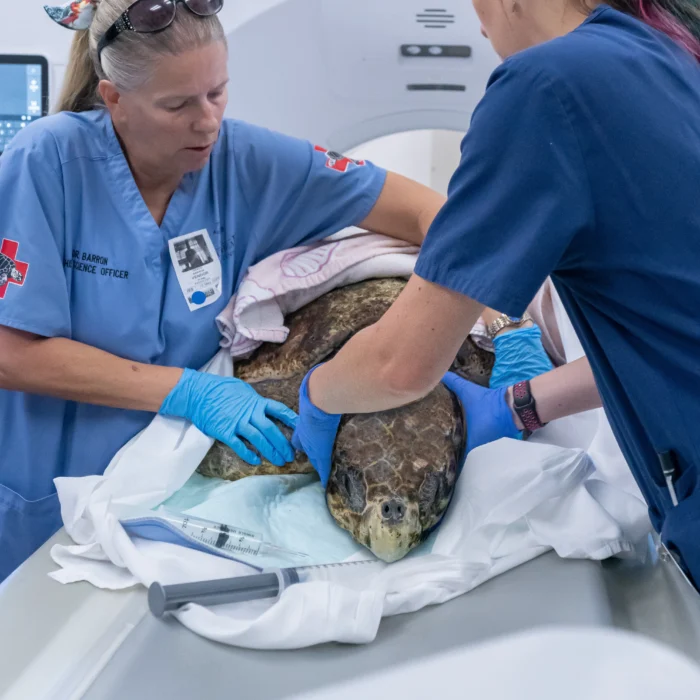
The Evolution of Marine Veterinary Medicine
The medical management of sea turtles represents a specialized niche within the broader discipline of zoological medicine. Historically, veterinary intervention for these reptiles was rudimentary, often limited to basic wound care or shell repair for individuals found washed ashore. However, over the past three decades, the field has transitioned into a highly technical practice. Veterinarians working with sea turtles today must be proficient in advanced imaging techniques, such as computed tomography (CT) and magnetic resonance imaging (MRI), as well as complex surgical procedures for internal fibropapillomatosis tumors and hook ingestion.
This evolution is largely driven by the status of all seven extant species of sea turtles, which are listed as vulnerable, endangered, or critically endangered by the International Union for Conservation of Nature (IUCN). The scientific consensus maintains that rehabilitating a single adult female sea turtle has a disproportionate impact on population recovery due to their slow maturation rates and high juvenile mortality. Consequently, the professionalization of "Sea Turtle Medicine" as a structured curriculum is not merely an academic exercise but a critical conservation imperative.
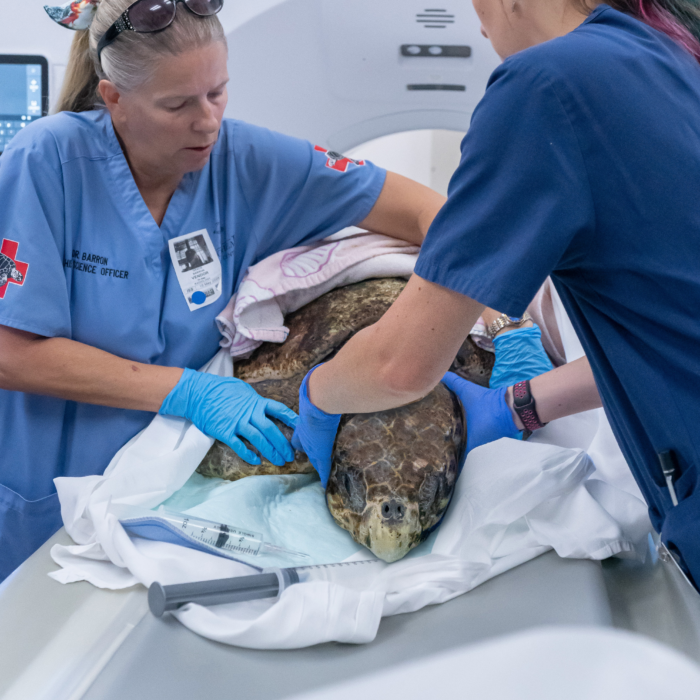
Educational Infrastructure and RACE Accreditation
To bridge the gap between field-level observations and clinical excellence, educational platforms like LafeberVet have implemented structured, RACE-approved (Registry of Approved Continuing Education) programs. These initiatives are designed to provide practitioners—ranging from private veterinary surgeons to government conservation biologists—with the standardized knowledge required to treat patients in highly variable, often remote, clinical environments.
The current framework for professional certification in this field involves a multi-tiered approach:
- Digital Didactic Modules: Providing foundational knowledge on reptilian physiology, hematology, and toxicology.
- Clinical Skill Assessment: Utilizing automated testing systems to ensure that practitioners have internalized the critical diagnostic protocols.
- Feedback Loops: Engaging in post-webinar evaluations that allow for the iterative improvement of medical protocols based on the collective experience of the veterinary community.
By requiring registration and subsequent testing for continuing education (CE) credits, these programs ensure that the dissemination of information is monitored and verified. This ensures that the techniques employed in the field—whether administering intensive care fluids or utilizing specialized nutritional support—align with the latest evidence-based practices.

Clinical Challenges and Nutritional Support
One of the most significant challenges in sea turtle medicine is the stabilization of stranded or debilitated individuals. Sea turtles frequently arrive at rehabilitation facilities suffering from chronic malnutrition, dehydration, or systemic infections. The physiological stress of stranding often suppresses the animal’s immune response, making nutritional intervention a cornerstone of survival.
Recent advancements in this area, such as the use of specialized herbivore-focused intensive care nutrition, have revolutionized how clinicians manage recovery. The sponsorship of clinical education by organizations specializing in intensive care nutrition, such as EmerAid, highlights the industry’s recognition that medical recovery is inextricably linked to metabolic stabilization. By providing targeted, easily digestible nutrient profiles, veterinarians can support the metabolic demands of reptiles that may have been anorexic for weeks or months. This is particularly relevant for species like the green sea turtle (Chelonia mydas), which undergoes significant dietary shifts during its life cycle.
Data-Driven Conservation Efforts
The effectiveness of these medical interventions is increasingly measured through longitudinal data collection. Every instance of medical intervention provides a data point that contributes to the broader understanding of marine health. For example, the documentation of hook ingestion cases across various regions has enabled researchers to identify specific fishing hotspots, leading to localized policy shifts in gear regulation.

Similarly, the tracking of fibropapillomatosis—a debilitating disease characterized by the growth of internal and external tumors—has been greatly aided by the increased diagnostic literacy of veterinarians worldwide. Through the sharing of standardized "housekeeping" documents and clinical guidelines, the global veterinary community can now track the prevalence and progression of such diseases with unprecedented precision. This information is shared with regulatory bodies to inform marine protected area (MPA) designations and water quality management strategies.
Chronology of Medical Advancement
The trajectory of sea turtle medicine can be viewed through a series of developmental milestones:
- 1990s: Emergence of organized stranding networks and the development of basic husbandry standards.
- 2005-2010: Increased integration of wildlife medicine into veterinary school curricula and the rise of formal rehabilitation facility accreditation.
- 2015-2020: The digital age of veterinary education, characterized by the rise of global webinars and open-access medical databases that allow for the near-instantaneous sharing of treatment breakthroughs.
- 2021-Present: A focus on standardized CE certification and the integration of specialized nutritional and intensive care products into mainstream veterinary protocols.
Implications for the Future of Marine Ecosystems
The implications of these advancements extend well beyond the individual patient. Veterinarians serve as the "front line" of ocean health monitoring. Because sea turtles are sentinel species—meaning their health status reflects the overall condition of the marine environment—the data gathered during routine medical examinations provides critical insights into the proliferation of pollutants, pathogens, and climate-related stressors.

The ongoing effort to institutionalize knowledge through programs like those hosted on LafeberVet serves to democratize access to high-quality care. When a veterinarian in a remote coastal village has the same access to the latest clinical methodologies as a researcher at a major aquarium, the survival rates for stranded turtles increase significantly. This global network of knowledge-sharing transforms individual medical practitioners into a unified force for biodiversity conservation.
Conclusion: The Intersection of Medicine and Policy
As the field of Sea Turtle Medicine matures, the synergy between clinical practice, nutritional science, and public policy will become even more pronounced. The move toward automated, verifiable continuing education ensures that the standard of care remains high, even as the environmental threats to sea turtles continue to evolve. By fostering a culture of continuous learning, critical self-assessment via post-tests, and active feedback, the veterinary community is successfully adapting to the complexities of marine conservation.
Ultimately, the success of these programs rests on the willingness of professionals to engage with new data and adapt their practices to meet the needs of the species. As more practitioners become certified in these specialized protocols, the collective capacity to diagnose, treat, and ultimately release healthy individuals back into the wild will remain a vital component of the global strategy to prevent the extinction of these ancient and ecologically significant marine reptiles. The continued support of such educational endeavors is essential for the longevity of both the veterinary profession and the marine ecosystems it seeks to protect.

