


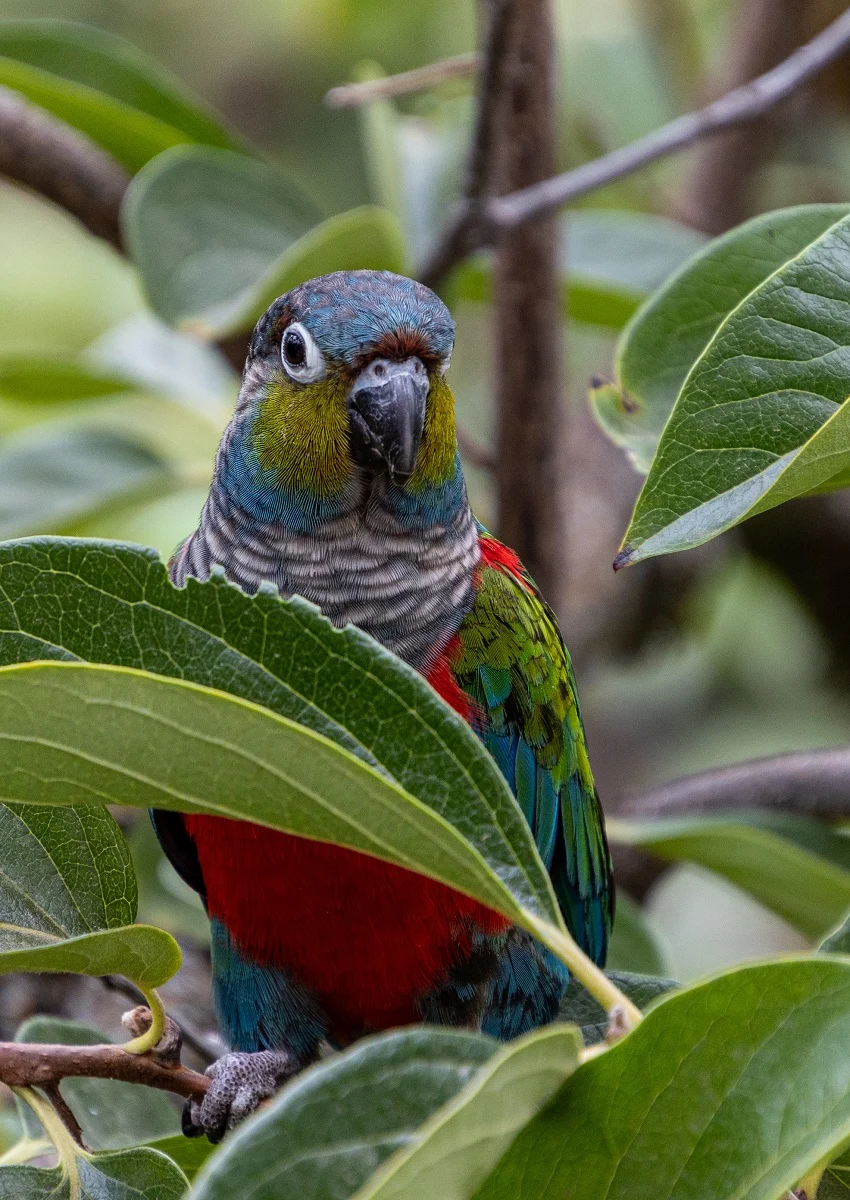
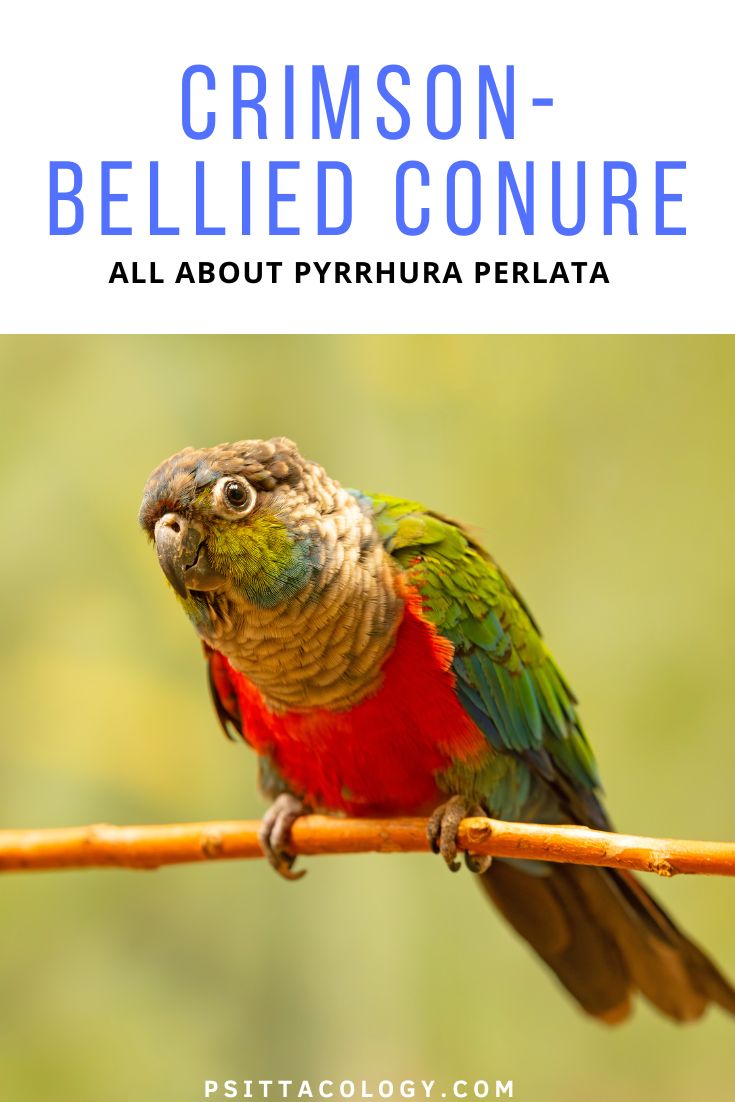
The crimson-bellied conure (Pyrrhura perlata), also widely recognized as the crimson-bellied parakeet, represents one of the most visually striking yet manageable species within the broader parrot family. Native to the rich ecosystems of central South America, this small yet charismatic bird has steadily captured the interest of aviculturists, ornithologists, and exotic pet enthusiasts alike. Measuring up to 10 inches (25 centimeters) in length and maintaining a healthy adult weight of approximately 90 grams, the species combines a relatively compact physical footprint with an energetic and highly social disposition. As prospective pet owners increasingly seek out avian companions capable of thriving in domestic environments, understanding the comprehensive needs, natural history, and conservation status of the crimson-bellied conure is essential for ensuring long-term animal welfare.
Taxonomy and Natural Distribution
Ornithologically classified under the genus Pyrrhura, which encompasses a diverse group of South American parakeets commonly referred to as green-cheeked types and their relatives, the crimson-bellied conure boasts a geographically restricted range. The species is primarily endemic to the Brazilian Amazon Basin, with a strong concentration of populations located within the state of Rondônia, while its natural distribution extends marginally into the northern regions of Bolivia.
Within these geographic boundaries, the species exhibits specific habitat preferences. Wild crimson-bellied conures predominantly inhabit undisturbed, lush rainforests characterized by a lack of seasonal flooding—an ecological niche scientifically defined as terra firme forest. However, their adaptive capabilities allow them to utilize secondary forests and the dense transitional zones found along forest edges. Environmental biologists note that these birds rarely travel in isolation, typically forming small, cohesive flocks that forage together and occasionally intermingle with related species, such as the painted conure. Nesting behavior in the wild strictly revolves around utilizing natural tree cavities, which provide necessary shelter from predators and environmental elements during the breeding season.
Conservation Status and Ecological Pressures
Although the International Union for Conservation of Nature (IUCN) Red List currently classifies Pyrrhura perlata as a species of Least Concern, avian conservationists and wildlife management organizations monitor wild populations closely. The primary driver behind the observed population decline is large-scale habitat fragmentation and loss resulting from aggressive deforestation across the Brazilian Amazon. Additionally, localized capture for the international pet trade historically exerted pressure on wild numbers, though strict international regulatory frameworks, such as the Convention on International Trade in Endangered Species of Wild Fauna and Flora (CITES), have significantly curbed illegal exportation.
Environmental analysts emphasize that preserving the natural canopy of the Amazon Basin remains critical not only for the crimson-bellied conure but for hundreds of sympatric fauna and flora species. As agricultural expansion and industrial logging continue to encroach upon terra firme forests, protecting existing biological corridors in Rondônia and northern Bolivia stands as a primary objective for international conservation initiatives.
Physical Characteristics and Lifespan
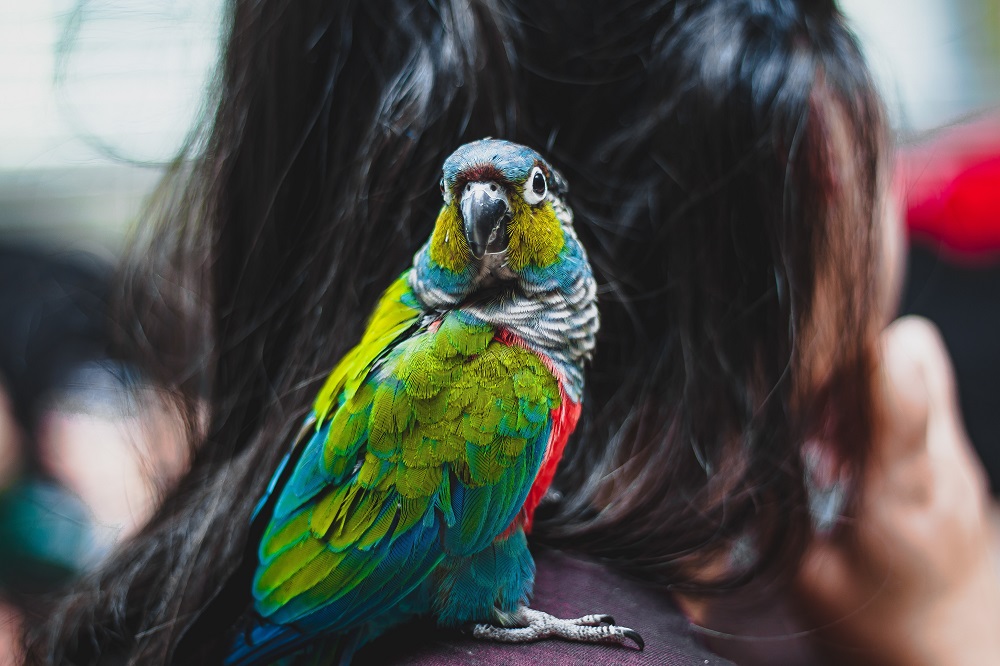
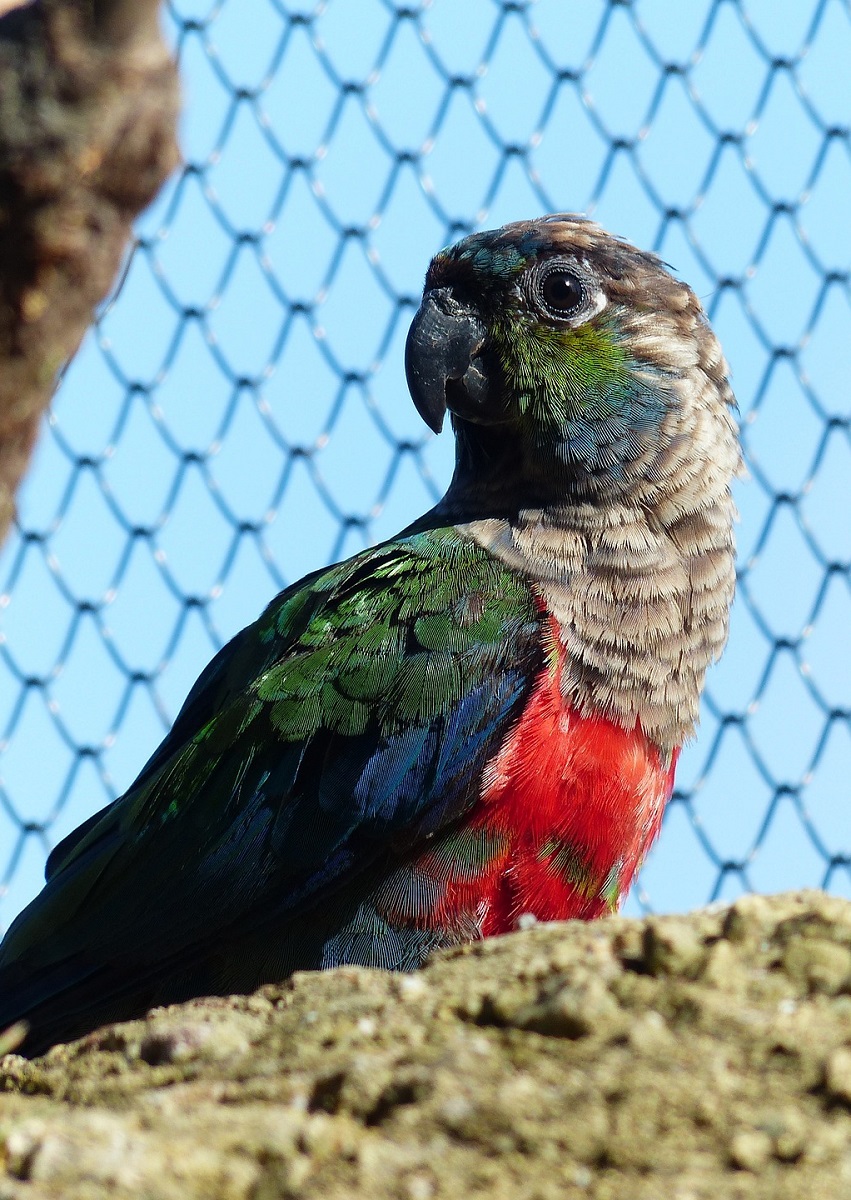
Even within a biological family renowned for brilliant plumage, the crimson-bellied conure stands out for its chromatic complexity. True to its common name, the adult bird features a striking, deeply saturated patch of vibrant red across its lower abdomen. This striking coloration is complemented by intricate scaling on the chest, bluish-green wing primaries, and a pale, distinct white eye ring contrasting against a dark, horn-colored to black beak.
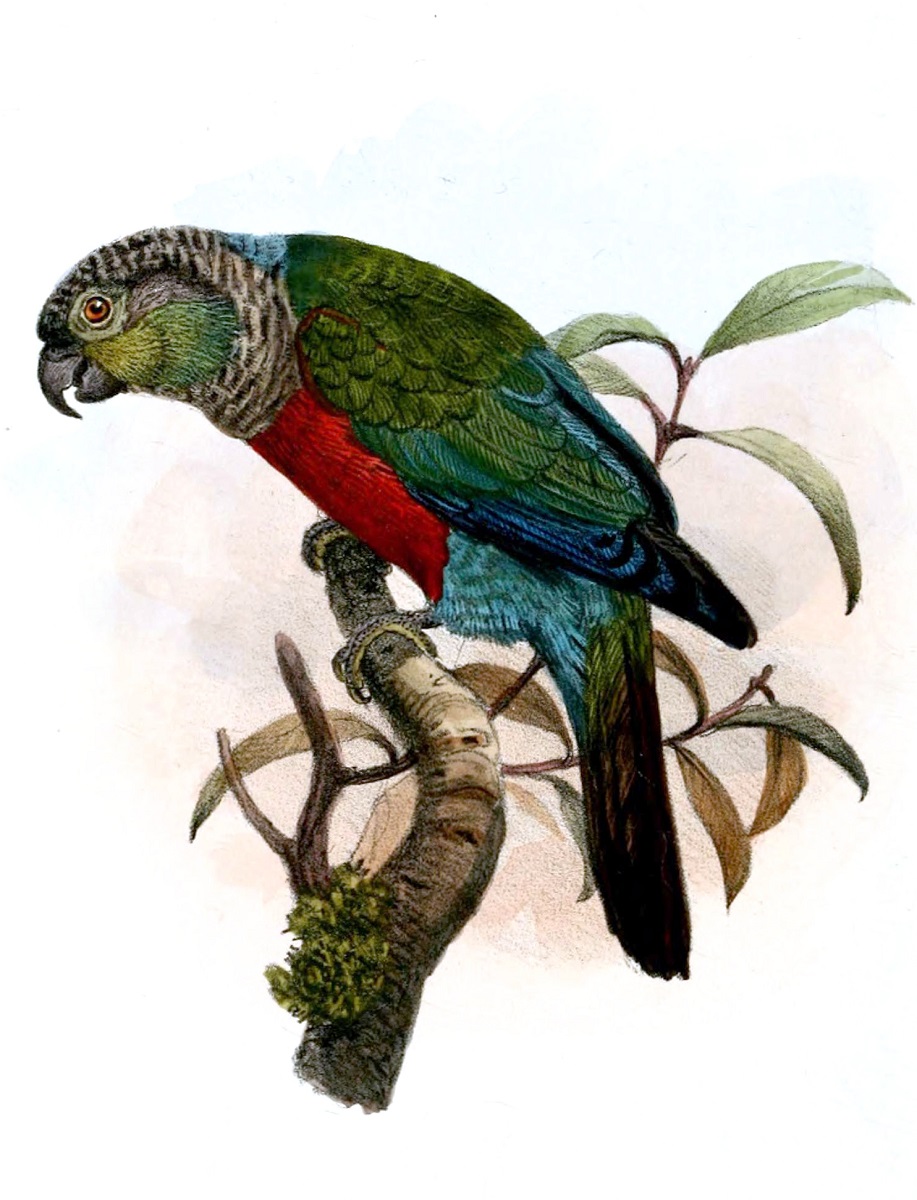
Avian developmental biologists note an important developmental milestone regarding appearance: juveniles do not immediately display their characteristic red bellies upon hatching. The vibrant pigmentation typically takes up to a full calendar year to fully manifest through successive molting cycles. Furthermore, the species exhibits complete sexual monomorphism, meaning that external visual inspection alone cannot reliably distinguish between males and females; definitive sex determination requires DNA or surgical testing.
When properly maintained in captivity under optimal husbandry conditions, the crimson-bellied conure demonstrates remarkable longevity. Individuals frequently surpass two decades of life, regularly achieving a lifespan exceeding 20 years. Consequently, adoption or acquisition of this species represents a significant, long-term commitment that requires careful lifecycle planning on the part of the caregiver.
Nutritional Requirements in the Wild and Captivity
Dietary management forms the cornerstone of avian health, directly influencing metabolic function, plumage quality, and overall longevity. In their native South American habitat, crimson-bellied conures exploit the immense biodiversity of the rainforest. Their diet is largely frugivorous, featuring a heavy reliance on wild figs and various seasonal fruits. Beyond fruit, field observations document these birds consuming flowers, catkins, and participating in geophagy—the deliberate ingestion of soil at mineral-rich clay licks. This behavioral adaptation allows wild parrots to neutralize plant toxins ingested during foraging while simultaneously supplementing essential micronutrients and sodium.
In a domestic or captive setting, replicating this nutritional balance is vital. Avian veterinarians universally advise against maintaining conures on an exclusively seed-based diet, as seeds are typically deficient in essential vitamins, amino acids, and minerals, often leading to hepatic lipidosis and severe malnutrition. Modern avian care standards dictate a structured dietary regimen:

- Staple Foods: High-quality, nutritionally formulated commercial parrot pellets designed specifically for small to medium-sized hookbills should form the foundation of the daily diet.
- Fresh Produce: Daily inclusion of fresh, organic vegetables rich in beta-carotene and calcium, supplemented regularly by safe, low-sugar fruits.
- Dietary Additions: Controlled portions of cooked whole grains such as quinoa and whole-wheat rice, alongside pesticide-free foraged grasses.
- Hydration: Uninterrupted, 24-hour access to fresh, clean water distributed across multiple hydration stations within the enclosure.
Housing, Environment, and Spatial Dynamics
Despite their modest physical dimensions—weighing under 100 grams and measuring roughly 25 centimeters—crimson-bellied conures possess high metabolic rates and an abundance of physical energy. Animal behaviorists and professional aviculturists stress that spatial confinement must be carefully managed to prevent psychological distress and physical atrophy.
If a conure is to spend a significant portion of its waking hours confined to an enclosure, the spatial dimensions must be maximized. A cage width of at least 36 inches (90 centimeters) is generally recommended as a baseline for a single bird, provided it is let out daily for substantial flight and exercise periods. For environments where out-of-cage time is limited, an indoor aviary setup is strongly preferred.
Internal enclosure design requires careful selection of perching materials. Traditional smooth wooden dowels and plastic perches should be avoided, as prolonged usage can lead to pressure sores and pododermatitis (bumblefoot). Instead, avian specialists recommend utilizing natural wood perches of varying diameters to exercise the foot muscles and maintain claw health. Furthermore, safety protocols dictate that any living space accessed by the bird must undergo thorough "parrot-proofing," eliminating toxic house plants, exposed electrical wiring, and non-stick cookware coatings (PTFE/Pefo), which emit vapors lethal to avian respiratory systems.
Behavioral Enrichment and Psychological Well-Being
Parrots are among the most cognitively advanced animals, exhibiting problem-solving capabilities, emotional depth, and social structures comparable to those of higher primates. The crimson-bellied conure is no exception, displaying an exceptionally high level of intelligence that necessitates continuous mental stimulation.
Depriving an intelligent hookbill of environmental enrichment predictably leads to chronic stress. Behavioral manifestations of boredom and psychological distress in captive psittacines include:
- Excessive and disruptive vocalizations or screaming
- Stereotypic behaviors, including severe feather-damaging behavior (feather plucking)
- Weight gain and secondary obesity due to restricted physical movement
- Territorial aggression or biting directed at human handlers
To mitigate these risks, caregivers must implement structured enrichment programs. This includes rotating puzzle toys, foraging opportunities that mimic natural food searches, and providing safe materials designed for chewing to satisfy the bird’s natural instinct to degrade wood and paper products.
Temperament, Vocalization, and Interpersonal Dynamics
Within the avicultural community, conures belonging to the genus Pyrrhura are frequently praised for their affectionate and playful demeanor. Often described characteristically as "loveable rogues," crimson-bellied conures combine an inquisitive, clownish personality with a strong desire for physical contact. Once properly socialized, these birds frequently bond closely with their human families, seeking out shoulder rides and accepting gentle head scratches.
However, prospective owners must evaluate the vocal tendencies of the species. While crimson-bellied conures are considerably quieter than their larger relatives, such as Aratinga conures or macaws, they are by no means silent animals. Natural vocalizations include sharp contact calls used to signal excitement, distress, or the presence of unfamiliar stimuli in the environment.
Regarding human speech imitation, Pyrrhura species generally exhibit limited linguistic aptitude compared to African grey parrots or Amazon parrots. While exceptional individuals may learn to mimic isolated words or environmental noises—such as microwave chimes or telephone rings—many do not develop clear human speech. Owners should therefore appreciate the bird for its natural behaviors and social responsiveness rather than its capacity for extensive verbal mimicry.
Summary of Essential Care Parameters
- Common Names: Crimson-bellied conure, crimson-bellied parakeet
- Scientific Classification: Pyrrhura perlata
- Geographic Origin: Brazilian Amazon Basin, northern Bolivia
- Adult Dimensions: Up to 10 inches (25 cm) in length; ~90 grams in weight
- Average Lifespan: 20+ years under optimal captive management
- Vocalization Profile: Low to medium intensity; occasional sharp calls when excited
Conclusion
The crimson-bellied conure presents a compelling option for dedicated avian enthusiasts willing to invest the necessary time, resources, and environmental adjustments required for a long-lived pet. Balancing striking visual beauty with an engaging, energetic personality, the species requires careful attention to diet, housing, and behavioral enrichment to ensure optimal welfare. As wild populations continue to face environmental pressures from habitat destruction in South America, responsible captive husbandry and support for conservation initiatives remain vital components in safeguarding the future of Pyrrhura perlata.

