


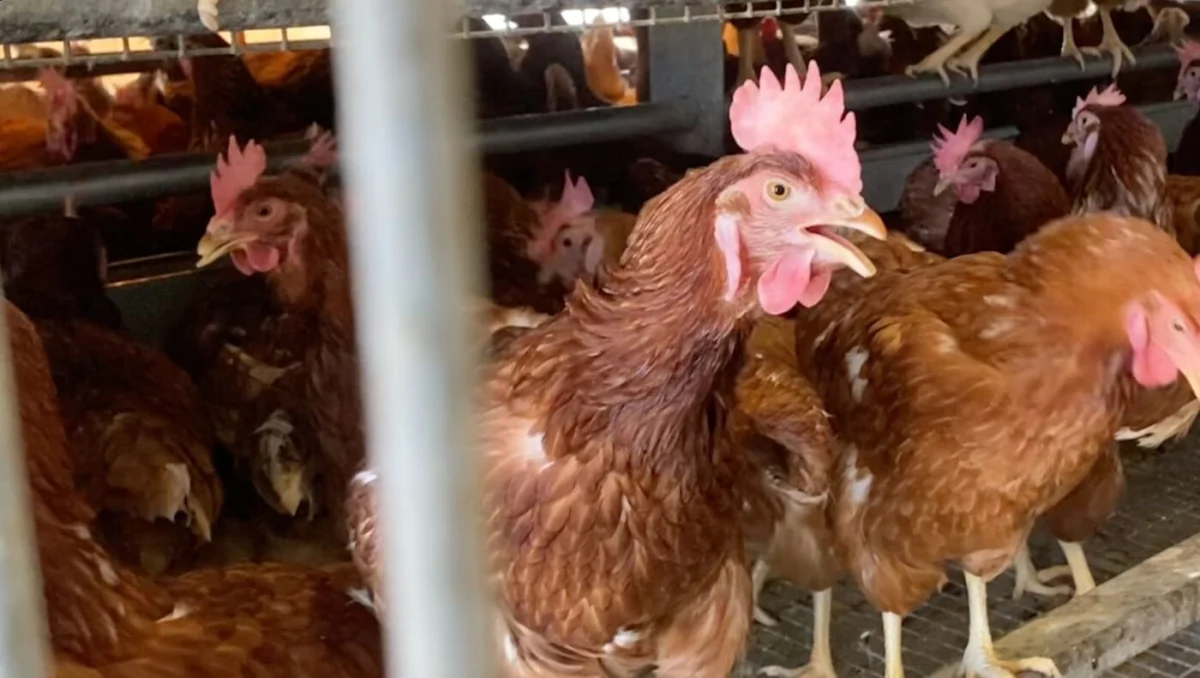
The modern consumer aisle is dominated by ethical labeling. For decades, mounting public awareness regarding the grueling, immobilized existence of battery-caged laying hens has driven a massive market shift toward alternative housing systems. Shoppers willing to pay a premium for cartons stamped with "cage-free," "free-range," or "family-farmed" believe they are casting a vote against industrial cruelty. However, a comprehensive undercover investigation conducted by People for the Ethical Treatment of Animals (PETA) at Hilliker’s Ranch Fresh Eggs Inc. in Lakeside, California, reveals a jarring discrepancy between polished marketing narratives and the gritty reality of industrial cage-free production.
Hilliker’s, operating a sprawling facility in Southern California, presents itself as an idyllic local refuge. Company leadership has previously characterized the environment using terms reminiscent of an amusement park, calling it "Chicken Disneyland." Yet, the footage captured by the undercover investigator tells a starkly different story. Far from pastoral pastures or spacious open-air runs, the operation relies on dense, heavily populated metal sheds where tens of thousands of birds are packed wing to wing, enduring severe physical and psychological stress. The findings cast a harsh light not only on Hilliker’s practices but on the broader regulatory and economic framework underpinning the multi-billion-dollar cage-free egg industry.
Anatomy of Confinement: Inside the Lakeside Sheds
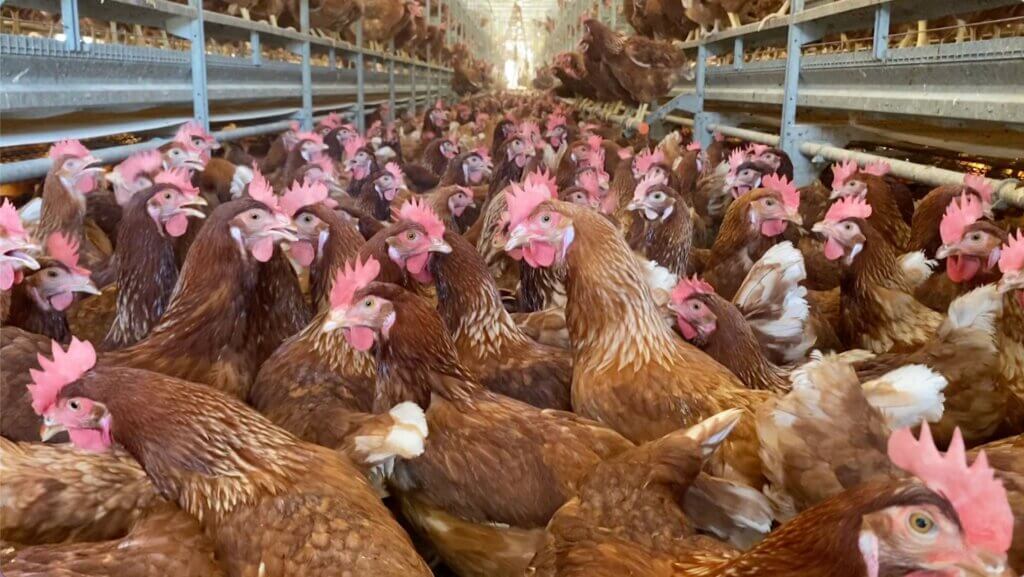
According to the investigative findings, Hilliker’s houses at least 10,000 stressed hens inside each of its primary metal sheds. The stocking density inside these structures is so severe that the floors are frequently obscured entirely by a dense sea of feathers and bodies. Workers navigating the facility reportedly struggle to open gates without repeatedly striking the birds clustered directly against the barriers.
A spatial analysis of the environment indicates that each bird is allotted approximately one square foot of usable floor space. This measurement mirrors the minimum compliance thresholds established by state agricultural regulations—a footprint roughly equivalent to the size of a standard vinyl record sleeve. While technically compliant with baseline legal definitions of "cage-free," this footprint offers little practical improvement over traditional battery cages when it comes to freedom of movement.
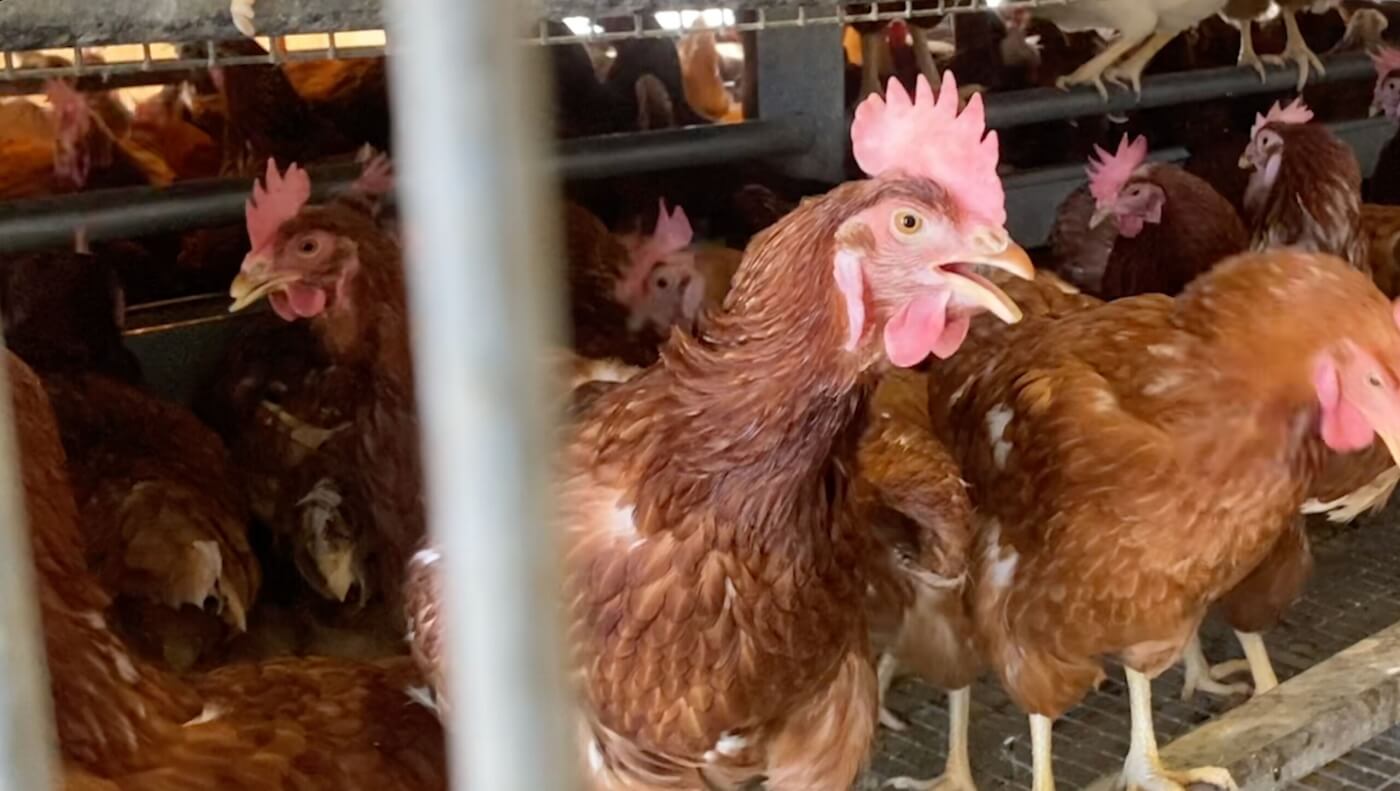
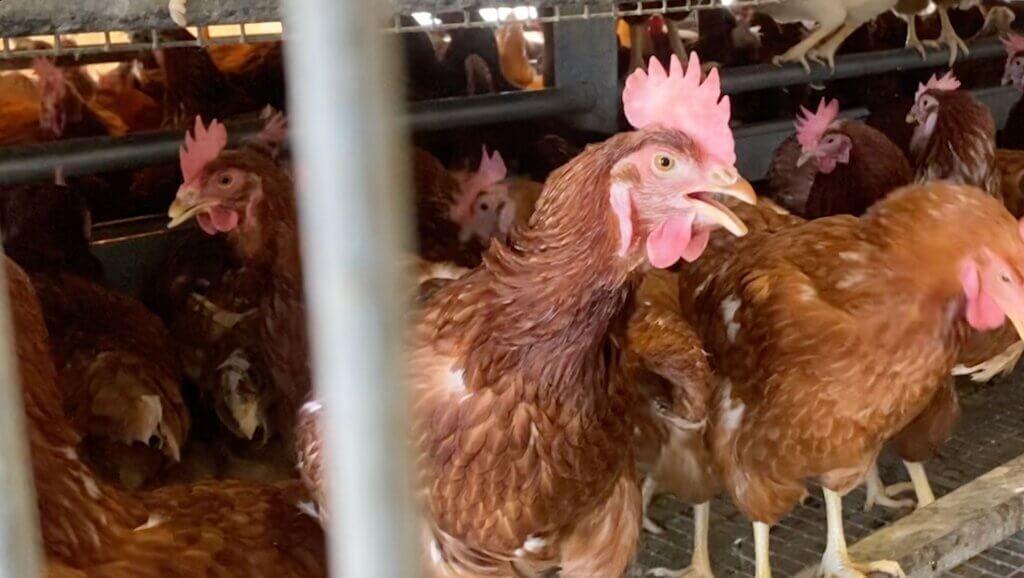
During the walkthrough, a facility worker openly acknowledged the extreme density, remarking that the animals "do look kind of packed in there," before immediately defending the conditions by claiming the birds had "plenty of room." This assertion stands in direct contradiction to visual evidence showing hens struggling to navigate the flock, attempting and failing to spread their wings, and falling off elevated perches back into the tightly packed crowd below. Independent farmed animal welfare experts who reviewed the footage concluded unequivocally that the structures are heavily overstocked.
Furthermore, operational plans revealed during the investigation indicate that expansion priorities favor maximizing volume over improving animal welfare. Facility representatives noted intentions to fill two additional sheds on the property with at least 10,000 hens each, rather than utilizing those square-footage resources to alleviate crowding for existing populations.
The Lifecycle of Stress: Mutilation and Environmental Hazards
The consequences of high-density housing manifest early and persist throughout a hen’s productive lifespan. Confined alongside thousands of conspecifics, the birds experience chronic stress that frequently erupts into aggressive behavioral outlets, including feather pecking, fighting, and cannibalism.
To mitigate the financial losses associated with these stress-induced injuries, the facility routinely performs standard industry mutilations. While the birds are still chicks, the tips of their sensitive beaks are cut or burned off. Facility staff rationalize this procedure as a necessary preventative measure to curb the damage caused when frustrated animals peck at one another.
Environmental conditions within the sheds further exacerbate the animals’ suffering. During the scorching Southern California summer months, the metal structures trap heat, causing the densely packed hens to pant heavily. Workers on site were documented mocking the birds for flocking desperately toward sparse patches of sunlight filtering through the structure. Acoustically and olfactorily, the environment is overwhelming: the combined sound of 10,000 chickens creates a deafening din, while the air hangs thick with dust and a pungent concentration of ammonia rising from waste-saturated litter.
Broader Implications of the Cage-Free Movement
The disclosures at Hilliker’s touch upon a systemic debate within agricultural economics and animal welfare science: the efficacy of the "cage-free" transition. Over the past fifteen years, consumer pressure and legislative mandates—such as California’s Proposition 12—have forced a massive capital investment by the egg industry into cage-free infrastructure. Proponents argued these shifts would fundamentally transform the welfare of laying hens.
However, veterinary and behavioral research paints a more complex picture. While cage-free systems eliminate the immobilization inherent to traditional wire battery cages, transitioning thousands of birds into a single open floor plan introduces distinct welfare challenges. Epidemiological studies indicate that cannibalism, smothering (where piling birds suffocate weaker flockmates), and keel bone fractures are often more prevalent in cage-free multi-tier systems. Up to 97 percent of hens in large, high-density cage-free barns sustain painful broken bones during their laying cycles, often resulting from collisions with structural equipment or falls from high perches.
Additionally, respiratory ailments and skin infections spike in these environments. Because hens spend their lives walking, scratching, and dust-bathing on litter floors mixed with feces, their respiratory tracts and skin are constantly exposed to high levels of airborne ammonia and pathogenic bacteria.
Compounding these welfare concerns is the marketing paradox. Major retailers and local distributors often pair cage-free eggs with evocative imagery and descriptive copy that evokes images of small family farms and expansive green pastures. Hilliker’s, for instance, has long marketed itself as a "family owned and operated" business—a label that carries emotional resonance for consumers seeking alternatives to faceless conglomerates. Yet, industry analysts point out that in the contemporary agricultural landscape, "family-owned" is frequently decoupled from scale. Many of the largest agribusinesses and retail chains in the world operate under family-owned corporate structures, meaning scale and intensity of confinement remain high regardless of corporate ownership lineage.
Supply Chain Pressures and Corporate Responsibility
The distribution network connecting industrial farms to everyday consumers plays a critical role in sustaining these market dynamics. Eggs from Hilliker’s Ranch Fresh Eggs are regularly retailed through major supermarket chains in the Southern California region, including Albertsons. Online listings for these products have historically featured descriptions highlighting pastoral ideals and comfortable conditions, creating a cognitive dissonance between what is advertised to the public and what occurs inside the production sheds.
Animal advocacy organizations are increasingly shifting their focus toward these retail partners, urging major grocery chains to audit their supply chains rigorously and terminate relationships with producers found to be misleading consumers or maintaining substandard conditions. The call to action extends beyond mere labeling reform, challenging consumers to examine the fundamental sustainability and ethics of egg consumption as a whole.
Moving Forward: Alternatives and Industry Oversight
As scrutiny intensifies around California’s egg production facilities, the dialogue surrounding dietary habits and agricultural transparency continues to evolve. Nutritional scientists and culinary innovators have noted a significant surge in the availability and quality of plant-based alternatives. From processed liquid egg substitutes designed for baking and scrambling to whole-food solutions like tofu-based scrambles, consumers seeking to eliminate animal products from their diets now have a wide array of commercially viable options.
At the same time, the reliance on undercover investigations highlights ongoing gaps in regulatory enforcement. While state laws mandate minimum space requirements and basic housing standards, critics argue that enforcement mechanisms rely too heavily on reactive whistleblowing rather than proactive, unannounced state inspections. Without stringent independent oversight, marketing terms like "cage-free" risk functioning less as guarantees of ethical treatment and more as marketing mechanisms that command higher profit margins while masking the fundamental realities of industrial animal agriculture.

