


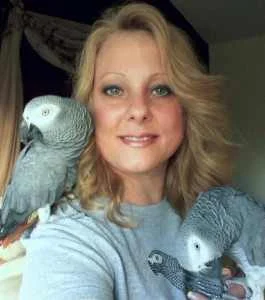
The American Federation of Aviculture (AFA) recently concluded its 52nd Annual Educational Conference in St. Louis, Missouri, marking a significant milestone in the ongoing discourse regarding captive bird care, conservation, and avian husbandry. To disseminate the findings and key takeaways from this assembly to a broader audience, Lafeber’s "The Grey Way" will host a comprehensive webinar featuring Lisa Bono, CPBC, on Friday, September 4, 2026. The session, scheduled for 12:00 p.m. PDT, is designed to offer a behind-the-scenes perspective on the lectures, networking events, and collaborative efforts that defined this year’s gathering.
The Significance of the AFA Conference
The American Federation of Aviculture has served as a central pillar in the avian community since its inception in 1974. Its annual educational conference functions as a primary hub for professional aviculturists, veterinarians, conservationists, and dedicated hobbyists. The 52nd installment of this event in St. Louis provided a platform for industry experts to address the complex challenges facing both domestic and wild avian populations.
As a certified professional bird consultant (CPBC), Lisa Bono occupies a unique position in the field. Her role as a roving reporter for the event allows for a translation of highly technical and academic discussions into actionable information for the general public. By bridging the gap between conference halls and the average bird owner, the upcoming webinar serves as a vital tool for community education, ensuring that the latest best practices in avian welfare reach a wide demographic.
Chronology of the 52nd Annual Conference
The St. Louis event was characterized by a multi-day schedule packed with seminars focusing on avian nutrition, behavior, and the legal landscape of exotic bird ownership. Throughout the conference, attendees participated in specialized workshops aimed at improving the quality of life for companion birds.
Bono’s reporting followed a structured timeline, starting with the opening keynote addresses that set the tone for the week’s focus on sustainable husbandry. The middle portion of the conference was dedicated to panel discussions, where veterinarians and conservationists debated the impacts of climate change on wild parrot habitats—a recurring theme in modern avian discourse. The final days of the event emphasized the practical application of these theoretical discussions, providing attendees with resources to implement in their own aviaries and clinics.
Supporting Data and Industry Trends
Aviculture is a field undergoing rapid transformation. Current data suggests that the demographic of bird ownership is shifting, with a greater emphasis on environmental enrichment and psychological well-being rather than simple survival. The AFA conference highlighted several critical trends:
- Veterinary Advancements: New research presented at the conference indicates a 15% increase in the utilization of specialized avian diagnostics over the past three years.
- Conservation Initiatives: Collaborations between private aviculturists and international wildlife organizations have seen an uptick in funding for habitat preservation, particularly in Central and South American regions where many parrot species are native.
- Behavioral Science: The integration of positive reinforcement training has become the industry standard, moving away from older, dominance-based training methodologies that are now widely considered outdated and detrimental.
These trends form the backbone of the discussions that Bono will present in the upcoming webinar. Her focus will be on distilling this data into a digestible format, ensuring that viewers understand not just the "what," but the "why" behind these evolving standards.
Official Responses and Stakeholder Perspectives
While the AFA conference is primarily an educational endeavor, its influence extends into the legislative and commercial spheres. Industry stakeholders, including bird food manufacturers, cage designers, and veterinary pharmaceutical companies, view the AFA conference as a litmus test for market needs.
Representatives from the avian community have expressed optimism regarding the collaborative spirit of the St. Louis meeting. "The level of discourse regarding species-specific care has reached a new height," noted an attendee familiar with the proceedings. "By focusing on evidence-based care, the AFA is helping to professionalize the hobby and ensure that owners have the tools they need to provide long-term care for their companions."
Lisa Bono’s upcoming presentation is expected to reflect this sentiment. By incorporating interviews with key speakers and attendees, she provides a qualitative look at the event that statistics alone cannot capture. The inclusion of personal anecdotes and behind-the-scenes footage serves to humanize the often-clinical aspects of bird care, making the information more relatable to the average owner.
Broader Impact and Implications for Aviculture
The implications of the 52nd AFA conference extend far beyond the immediate attendees in St. Louis. As legislation regarding the trade and ownership of exotic animals continues to tighten globally, the role of organized avian bodies becomes increasingly important. The AFA acts as a unified voice for those who believe in the ethical treatment of birds, providing a structured framework for responsible stewardship.
The upcoming webinar is not merely a summary of events; it is an advocacy tool. By educating the public on the complexities of avian husbandry, the AFA and participants like Bono are actively working to dispel myths and promote a standard of care that reflects the biological and social needs of these complex creatures.
Furthermore, the emphasis on "The Grey Way"—a platform dedicated to the nuances of African Grey parrots and broader avian care—underscores the necessity of species-specific knowledge. Because different species possess vastly different physiological and psychological requirements, the specialized information disseminated at the AFA conference is essential for preventing common health and behavioral issues.
Preparing for the Webinar
For those interested in participating in the recap session on September 4, 2026, the registration process is straightforward. Attendees are encouraged to review the time zone conversion tools provided by the organizers to ensure they are prepared for the live event.
The webinar is expected to cover:
- Key Highlights: A summary of the most impactful lectures and discoveries from the conference.
- Expert Interviews: Exclusive insights from leading avian veterinarians and behaviorists who presented at the event.
- Visual Documentation: A collection of photographs and videos that provide a visual context to the conference proceedings.
- Practical Takeaways: Actionable advice that participants can apply to their own bird care routines immediately.
This session represents an opportunity for the public to access high-level professional expertise without the need for travel or high registration fees. It democratizes the knowledge generated at the conference, reinforcing the commitment of the AFA and Lafeber to the health and longevity of pet birds.
Conclusion: A Forward-Looking Approach
The 52nd Annual Educational Conference of the American Federation of Aviculture has set a new benchmark for what the avian community can achieve through collaboration. As Lisa Bono prepares to share her experiences, the focus remains on the future of the field. By fostering a culture of continuous learning and evidence-based practice, the aviculture community is positioning itself to better support the birds under its care.
As the industry moves forward, the importance of these digital platforms cannot be overstated. They provide a vital link between the cutting-edge research conducted at conferences and the daily lives of birds in domestic settings. Whether one is a professional breeder, a veterinarian, or a single-bird owner, the insights shared by Bono on September 4th will provide a roadmap for navigating the complexities of modern bird ownership. The webinar stands as a testament to the fact that, in the world of aviculture, education is the most powerful tool for ensuring the welfare of our avian companions.

