



The evolution of digital imaging technology has reached a point where the distinction between professional and enthusiast-level equipment is increasingly blurred, providing photographers with unprecedented opportunities to optimize their kits for specific creative outcomes. Whether a photographer is taking their first steps into the world of interchangeable-lens systems or a seasoned professional looking to refine their setup, the decision-making process is fundamentally rooted in balancing technical capability with budget efficiency. By leveraging the secondary market, photographers can now access high-performance mirrorless technology, allowing for a more flexible and robust approach to system building that prioritizes long-term utility over short-term trends.

The transition toward mirrorless systems has been the defining technological shift in the photography industry over the last six years. This transition has rendered traditional digital SLR systems secondary for many, as the efficiency of electronic viewfinders, faster sensor readout speeds, and sophisticated subject-detection autofocus have become standard features. For those entering the hobby, this era of transition provides a unique advantage: high-quality, relatively recent equipment is now available through established resellers like MPB, allowing users to bypass the steep depreciation curves associated with buying new.
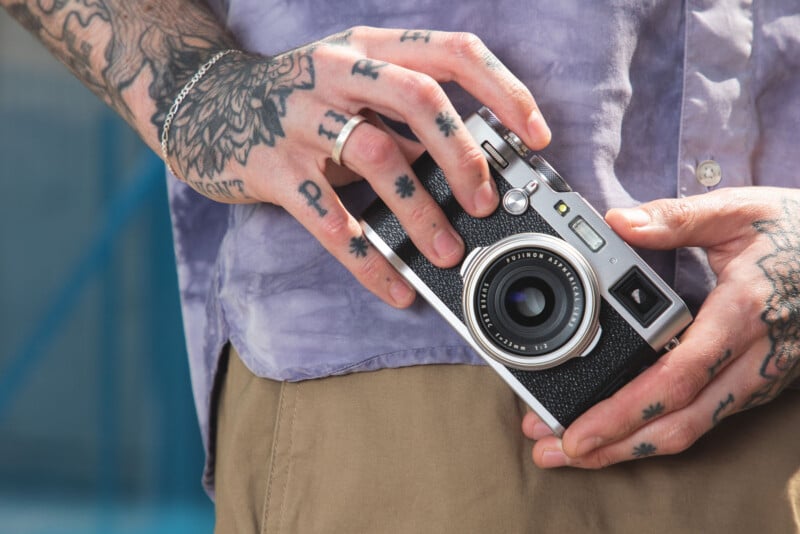
The Foundation of a Scalable System
The primary mistake many photographers make when building their first kit is prioritizing the camera body over the lens ecosystem. While the body houses the sensor and processing engine—which dictate resolution, low-light performance, and frame rates—the lens is the primary instrument of light capture. Investing in a specific lens mount ecosystem is essentially a long-term commitment to a brand’s roadmap.
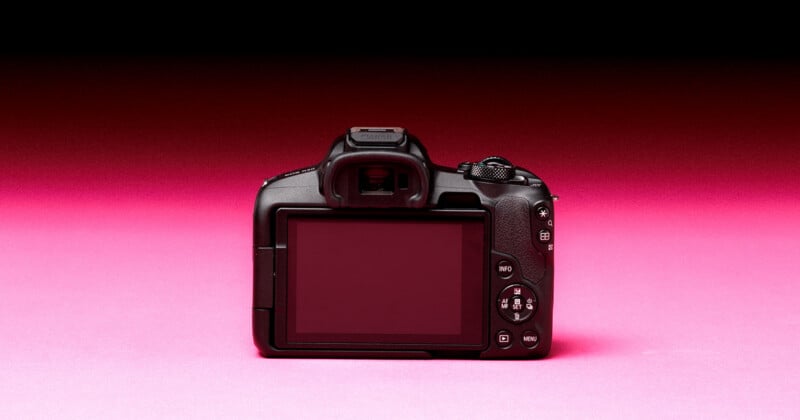
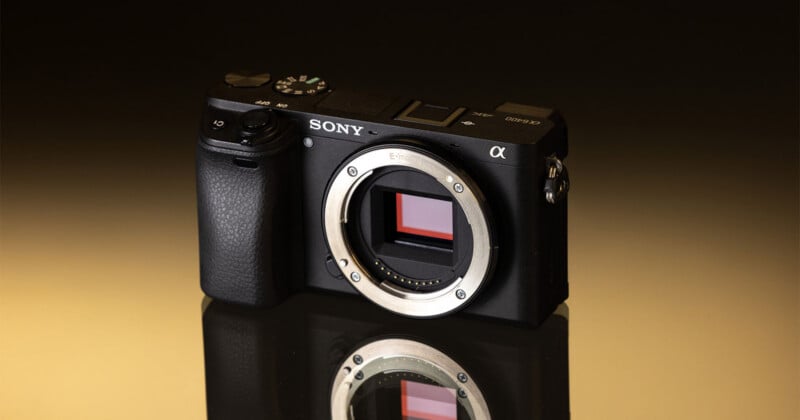
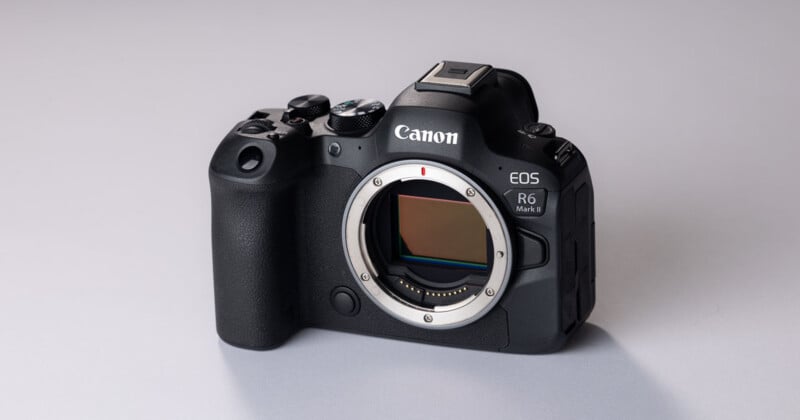
For beginners, starting with an APS-C mirrorless system is often the most prudent financial decision. These systems, such as the Canon EOS R50 or the Sony a6400, offer a smaller sensor footprint that reduces the overall physical size and cost of the lens collection while still providing excellent image quality. By allocating more of the initial budget to lenses—such as a versatile 18-45mm or 18-135mm zoom paired with a dedicated telephoto—beginners can experiment with focal lengths before deciding where their specific interests lie. This modularity is key; a high-quality lens will typically outlast the electronic components of a camera body, making it a permanent asset in a photographer’s collection.
Specialized Kits for Wildlife and Nature
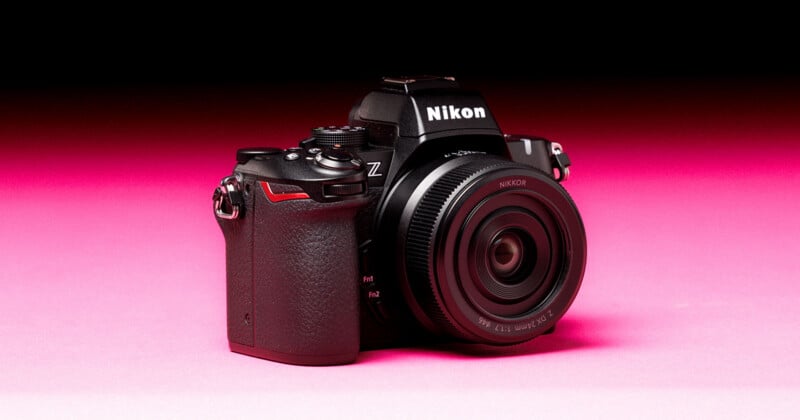
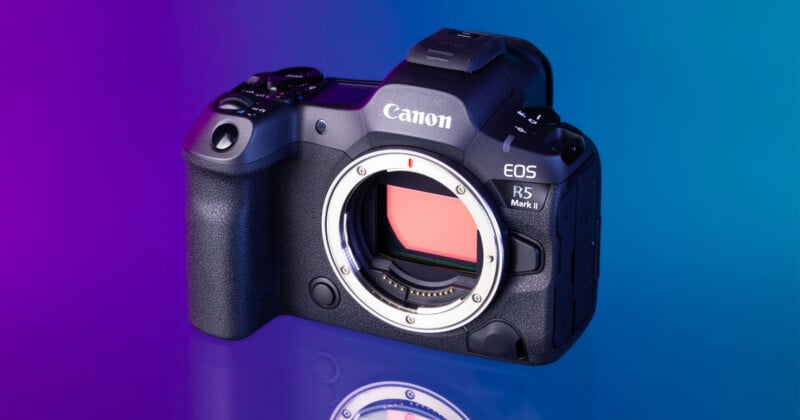
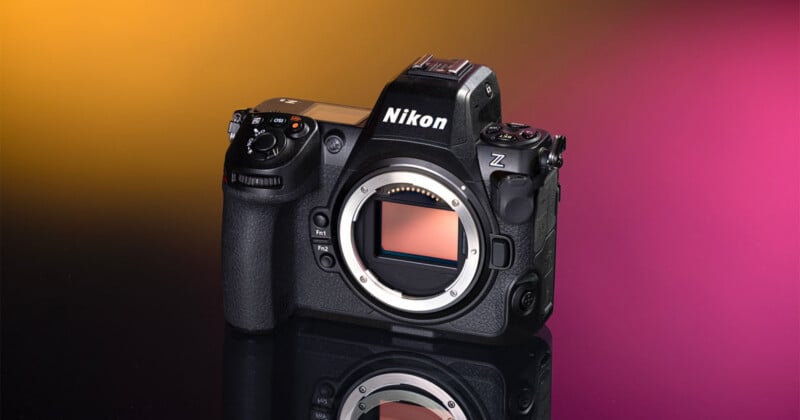
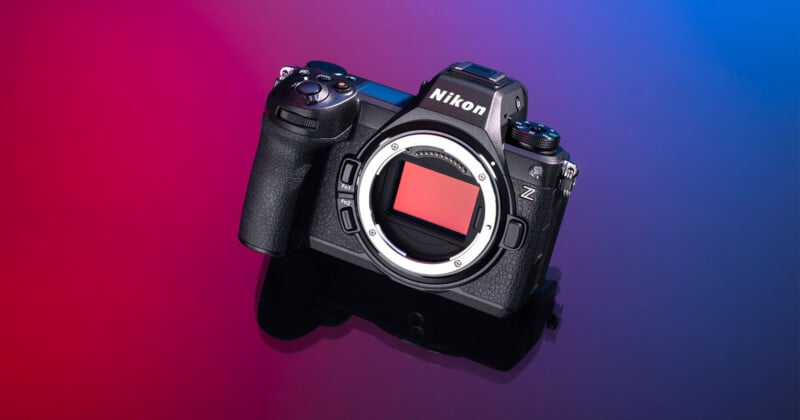
Wildlife photography represents one of the most demanding disciplines, requiring a synergy between high-speed burst capabilities and long-reaching optics. The modern wildlife kit is defined by the need to capture unpredictable, often distant subjects with high precision. Cameras like the Canon EOS R5 Mark II, the Sony a1 II, and the Nikon Z8 have become industry benchmarks for this genre, utilizing advanced autofocus algorithms that can lock onto animal eyes with near-instantaneous speed.
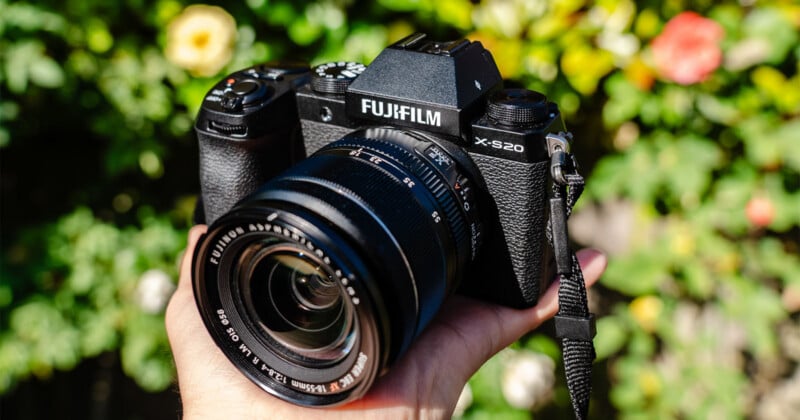
Data from the field suggests that the effectiveness of these systems is heavily dependent on the glass. A 45-megapixel sensor, such as the one found in the Nikon Z8, is of limited utility if the lens lacks the resolution to support it. Consequently, the pairing of a versatile workhorse lens, like the NIKKOR Z 180-600mm, with a more specialized telephoto prime, provides the flexibility to handle changing environmental conditions. This dual-lens strategy ensures that the photographer can frame subjects at varying distances without the need for constant, risky lens changes in the field.
The Versatility Mandate: Travel Photography
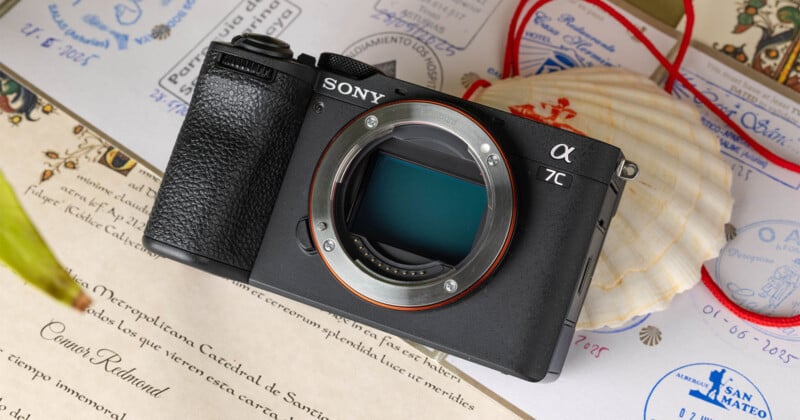
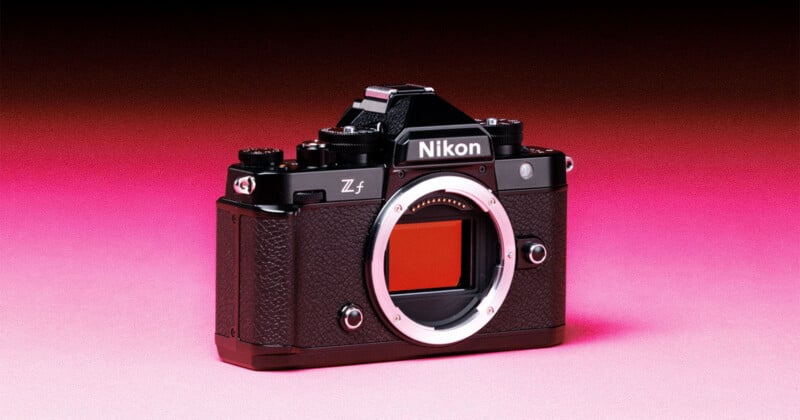
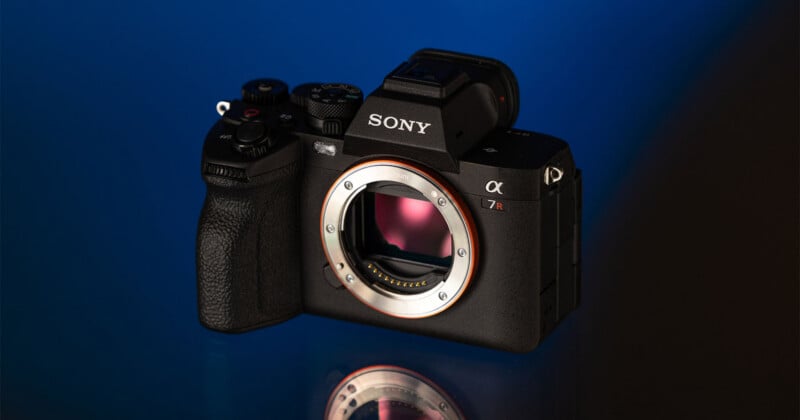
Travel photography demands a departure from the heavy, specialized kits used by wildlife or studio professionals. The travel photographer often functions as a generalist, needing to capture landscapes at sunrise, street scenes by midday, and low-light environmental portraits by evening. The trend in this sector has shifted toward full-frame, compact bodies like the Sony a7C II or the Nikon Zf.
The Zf, in particular, has garnered significant interest for its blend of modern mirrorless performance and a tactile, film-inspired control interface. This aesthetic and functional choice appeals to photographers who desire a more deliberate, slower shooting process while on the road. When paired with a flexible zoom, such as the NIKKOR Z 24-120mm f/4 S, and a compact prime lens, the travel kit remains light enough for long days of walking while providing sufficient reach for diverse shooting scenarios. The industry implication here is clear: the modern traveler demands a "do-it-all" kit that does not compromise on the full-frame image quality required for high-end editorial or stock publication.
Precision and Resolution in Portrait and Fine Art
In the realms of portraiture and fine art, the priority shifts from speed to rendering quality, depth-of-field control, and resolution. Portrait photographers rely on fast prime lenses—often with apertures of f/1.2 or f/1.4—to achieve the background separation necessary for professional aesthetic results.
For fine art photographers, the GFX100S II from Fujifilm represents the pinnacle of current medium-format accessibility. With a 102-megapixel sensor, this system is designed for large-format printing and extreme cropping. The implication of such resolution is that the photographer must exercise near-perfect technique, as even the slightest camera shake or focus error becomes magnified. The shift toward medium format for studio and fine art work reflects a broader market trend where commercial clients demand higher image fidelity than ever before, necessitating a specialized approach that differs significantly from general consumer photography.
The Role of the Secondary Market in Modern Photography
The ability to access this professional-grade gear has been significantly democratized by companies like MPB. By providing a platform for the circular economy of camera gear, MPB has allowed photographers to mitigate the high costs of upgrading. The process of individual evaluation for every piece of equipment ensures that buyers have a clear understanding of the condition of their purchase, which is a critical requirement for high-end glass and electronics.
Industry analysts observe that the used market is no longer a "last resort" for those who cannot afford new equipment; it has become a strategic choice for professionals. When a camera body reaches a point of obsolescence in terms of autofocus speed or video codecs, the ability to trade that body back into a system like MPB to fund a new lens or a modern body creates a sustainable cycle. This lifecycle management is essential for photographers who need to keep their gear current without continuously reinvesting thousands of dollars into the latest retail-priced hardware.
Future-Proofing Through System Selection
As we look toward the next few years of imaging technology, the focus remains on the integration of artificial intelligence in autofocus systems and the refinement of sensor readout speeds. Photographers currently in the market for a system should evaluate their long-term goals carefully. A decision made today regarding a lens mount (such as Canon’s RF, Sony’s E-mount, or Nikon’s Z-mount) will dictate the available technology for the next decade.
The consensus among industry professionals is that the "perfect" kit is a moving target. It is a synthesis of the photographer’s evolving skill, the specific requirements of their chosen genre, and the strategic use of available resources. By viewing photography gear not as a collection of static items but as a dynamic, evolving system, photographers can ensure that their equipment is always an enabler of their creative vision rather than a bottleneck. Whether the goal is the capture of a rare bird species, a high-fashion editorial, or a detailed macro landscape, the path to professional results is paved by informed, systematic, and strategic investment in the tools of the trade.

