


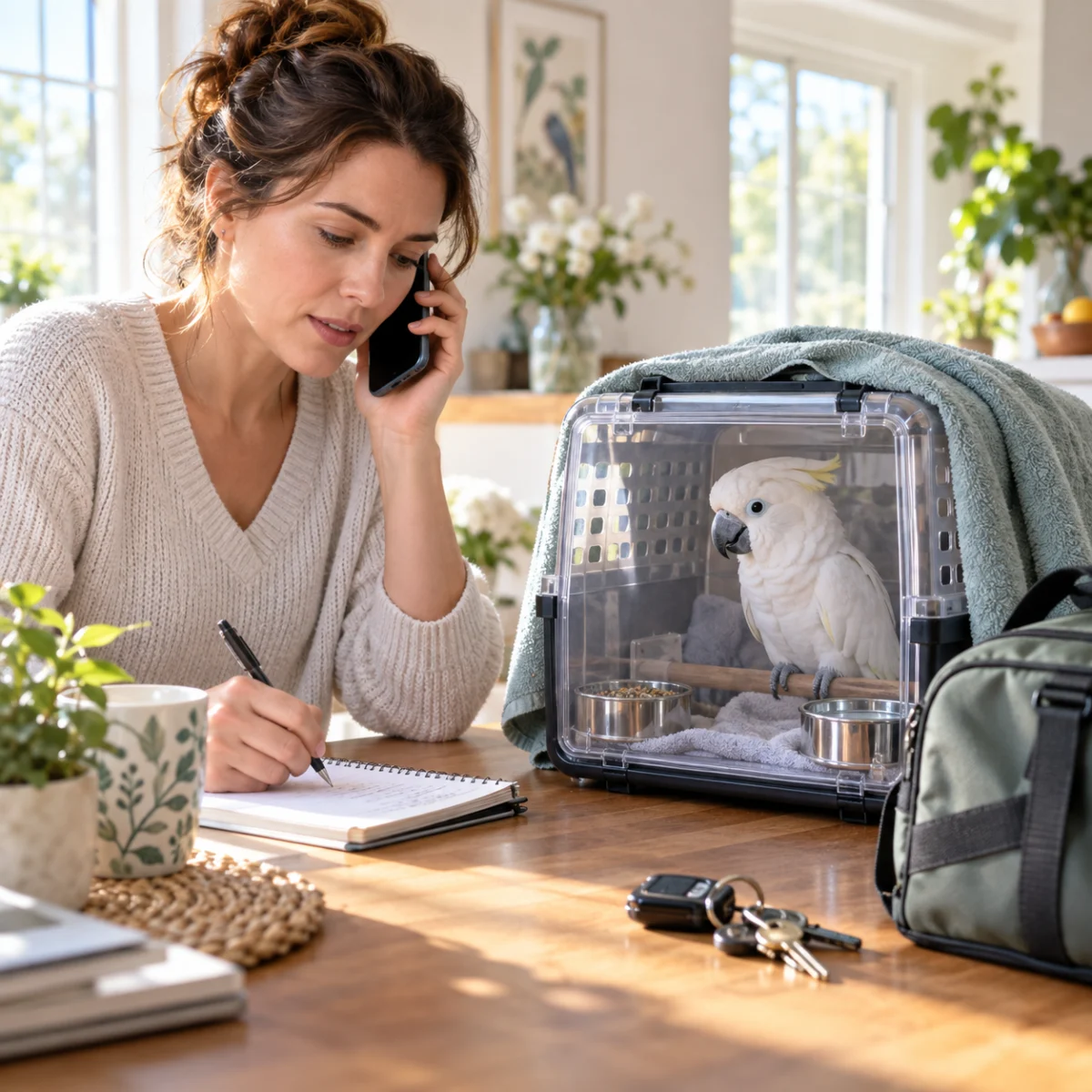
The challenge of securing immediate medical attention for avian species is a reality that many bird owners face, often during the most critical hours. Because birds are prey animals, they are biologically programmed to mask signs of illness until a condition reaches an advanced, life-threatening stage. When a pet bird suddenly exhibits symptoms of distress—such as lethargy, fluffed feathers, or labored breathing—the window for effective intervention is often narrow. When the primary avian veterinarian is unavailable, owners are frequently left in a state of high-stakes uncertainty, navigating a medical landscape where specialized care is not as universally accessible as it is for dogs and cats.
The Landscape of Avian Veterinary Care
The scarcity of specialized avian medical care is a documented issue within the veterinary community. According to data from the Association of Avian Veterinarians (AAV), while interest in avian medicine has grown alongside the popularity of parrots as companion animals, the number of board-certified avian specialists remains small relative to the total population of domestic birds. This geographic disparity means that for many pet owners, the nearest facility equipped to handle complex avian surgical or diagnostic procedures may be several hours away.
In an emergency, this distance represents a significant barrier. Veterinary medicine for birds requires specialized equipment, including miniaturized diagnostic tools, specialized anesthesia protocols, and pharmacological expertise that differs substantially from standard mammalian care. Consequently, many general-practice veterinary clinics are hesitant to accept avian patients, fearing they lack the requisite training to provide the standard of care required for such delicate physiology.
A Strategic Approach to Emergency Triage
When a medical crisis occurs, the first step is to contact the bird’s established veterinarian, even if the office is closed. Many practices maintain after-hours answering services or voicemail systems that explicitly provide instructions for emergencies. These systems often direct owners to local 24-hour emergency hospitals that have established professional relationships with avian specialists.
If an owner cannot reach their primary vet, the search must broaden. It is important to look for "exotics" veterinarians. The term "exotics" typically encompasses birds, reptiles, and small mammals, and practitioners in this field are often the most qualified to handle avian emergencies. When calling these facilities, the framing of the inquiry is critical. Rather than asking if the clinic has a dedicated "avian vet," which may result in a reflexive denial based on the absence of a board-certified specialist, owners should ask if there is a clinician on duty who is comfortable performing basic stabilization on a bird.
Stabilization is the immediate priority. It involves addressing the most pressing physiological threats, such as shock, hemorrhage, or hypothermia, rather than attempting a definitive cure for an underlying illness. A general practitioner may be perfectly capable of providing fluid therapy, oxygen support, or heat stabilization, which can bridge the gap until the bird can be transported to a specialist.
Chronology of an Avian Emergency
The progression of a medical crisis in a bird often follows a distinct timeline. Owners frequently report a sudden onset of symptoms, yet clinically, these issues are often the culmination of a chronic, underlying problem.
- The Recognition Phase: Owners notice subtle behavioral changes, such as decreased appetite or a shift in vocalization patterns.
- The Stabilization Window: Once acute symptoms—such as collapse or respiratory distress—manifest, the owner has a limited timeframe, often measured in hours, to provide a supportive environment.
- The Transit Phase: Moving a bird under stress is risky. A secure, temperature-controlled environment is essential to prevent further trauma.
- The Veterinary Assessment: The clinician performs a rapid triage to determine if the bird can be stabilized for transfer or requires immediate surgical or pharmacological intervention.
Supporting Data and Resources
Research into companion animal health consistently highlights the importance of the human-animal bond in driving the demand for specialized care. However, the American Board of Veterinary Practitioners (ABVP) notes that the complexity of avian biology makes it a challenging field. Because birds have high metabolic rates and specialized respiratory systems, their response to drugs and physical stress is rapid and unforgiving.
To prepare for such scenarios, experts recommend the following resources for finding qualified care:
- The Association of Avian Veterinarians (AAV) Database: This is the primary directory for locating veterinarians with an interest in or specialization in avian medicine.
- ABVP Specialist Registry: This list identifies veterinarians who have undergone the rigorous, multi-year process to become board-certified in avian practice.
- Community Networks: Local parrot clubs, avian rescue organizations, and specialized bird supply retailers often maintain informal lists of veterinarians who have demonstrated competency with local bird populations.
Immediate Stabilization Techniques
While preparing for transport to a clinic, the owner’s primary goal is to minimize stress and energy expenditure. Birds in distress are prone to rapid temperature drops. A "hospital cage" is an essential tool in this context. This is typically a smaller, draft-free enclosure equipped with a low-wattage heat source, such as a heating pad placed under half of the cage or an infrared lamp, to keep the bird warm.
The environment should be kept quiet and dimly lit to encourage the bird to rest. Owners must avoid the temptation to force-feed or provide excessive handling, as this can increase the risk of aspiration or further physical collapse. For birds experiencing bleeding, the application of pressure or the use of styptic powder on non-internal injuries is permissible, but any attempt at home-remedy treatment for systemic illness is strongly discouraged.
When to Seek Immediate Intervention
Certain conditions represent absolute emergencies that leave no room for observation or delayed care. These include:
- Respiratory Distress: Indicated by tail bobbing, open-mouth breathing, or audible wheezing.
- Hemorrhage: Uncontrolled bleeding from any site.
- Neurological Episodes: Seizures, loss of balance, or inability to stand.
- Trauma: Any bite from another animal, including cats or dogs, is a medical emergency due to the high concentration of pathogenic bacteria in mammalian saliva.
- Toxin Ingestion: Suspected exposure to household chemicals, heavy metals, or toxic plants.
Broader Implications for Bird Ownership
The current scarcity of emergency avian care highlights a broader systemic issue in veterinary medicine: the need for better integration between general practice and specialized avian care. Many veterinary schools are now placing a higher emphasis on exotics during the clinical rotation phases of the DVM program, which may increase the number of general practitioners comfortable with birds in the coming decade.
For now, the responsibility of preparedness falls on the owner. Maintaining an "emergency dossier"—a document containing the bird’s medical history, current medications, the contact information for the primary veterinarian, and the addresses of the three nearest 24-hour emergency facilities—is a fundamental component of responsible bird guardianship. By having these logistics sorted in advance, an owner can transition from a state of panic to one of clinical action, significantly improving the statistical likelihood of a positive outcome during an emergency.
Ultimately, while the search for a bird-capable veterinarian can be a source of significant stress, the proactive identification of emergency protocols remains the most effective defense against the inherent fragility of avian patients. By building a network of contacts before a crisis occurs, owners ensure that when the unexpected happens, they are equipped to make decisions that prioritize the bird’s health and safety.

