


The concept of integrating companion animals into every aspect of human life has seen a significant surge, extending beyond traditional pets like dogs and cats to include exotic birds. For thousands of parrot owners, the question of whether their feathered companions can join them on road trips has moved from a niche inquiry to a mainstream consideration. This shift reflects a deepening human-animal bond, where pet owners increasingly view their birds as full-fledged family members, prompting a desire to avoid the stress and separation of boarding or hiring pet sitters. However, embarking on vehicular journeys with avian companions demands meticulous preparation and a nuanced understanding of their specific needs, far beyond simply placing a cage in the back seat. This guide aims to demystify the process, offering a comprehensive framework for ensuring safe, comfortable, and enriching travel experiences for pet birds and their owners.
The Evolving Landscape of Pet Travel and Avian Inclusion
Historically, pet travel was largely confined to cats and dogs, with dedicated services and accommodations catering to their needs. The rise of exotic pet ownership, particularly parrots, has broadened this scope. Current estimates suggest that millions of households in North America alone include at least one bird, many of whom are highly intelligent and social creatures deeply bonded to their human "flock." This strong bond often means that separation, even for short periods, can induce significant stress in birds. Consequently, a growing number of owners are exploring options for joint travel, viewing it not just as a convenience but as an extension of their pet’s welfare and enrichment. The success of such ventures, however, hinges entirely on proactive planning and adherence to best practices, transforming a potentially stressful event into a positive bonding experience.
Assessing Your Bird’s Readiness for the Road
Before any travel plans are solidified, a critical assessment of your bird’s temperament and adaptability is paramount. While parrots are inherently flock-minded and often find security in their owner’s presence, individual personalities vary greatly. Some birds are naturally more adventurous and resilient to change, while others are highly sensitive and prone to anxiety in unfamiliar environments.
- Initial Acclimatization: Begin with short, controlled exposures to the travel carrier within the home environment. The carrier should be a positive space, associated with treats, toys, and gentle interaction. Once comfortable, introduce the carrier to the vehicle without driving, allowing the bird to habituate to the car’s sounds and smells. Gradually progress to very short drives around the block, observing your bird’s reactions closely.
- Behavioral Indicators: Key indicators of readiness include:
- Comfortable and calm demeanor within a travel carrier.
- Ability to adapt to new sounds and sights without excessive panic or fear responses.
- Maintenance of normal eating and play behaviors when slightly out of their routine environment.
- Prior positive experiences with short car rides.
- Professional Consultation: An avian veterinarian can offer invaluable insights into your bird’s physical and psychological suitability for travel. They can also provide advice on species-specific considerations and recommend calming aids if necessary. If a bird exhibits extreme distress during initial trials, it may be a strong indication that extensive travel is not in its best interest, and alternative care arrangements should be considered.
Mitigating Travel-Induced Stress in Avian Companions
While the presence of their human flock can be reassuring, the novelty of motion, sounds, and environments can still trigger anxiety in birds. Recognizing and addressing signs of stress is crucial for their well-being.
- Identifying Stress Signals: Be vigilant for the following behaviors, which may indicate discomfort or anxiety:
- Panting or Rapid Breathing: Can signify overheating or severe stress.
- Fluffed Feathers (without being cold): A common sign of illness or distress.
- Hunching or Trembling: Indicates fear or anxiety.
- Increased Vocalization or Screaming: A call for attention or an expression of alarm.
- Feather Plucking or Over-preening: A self-soothing or displacement behavior in stressful situations.
- Regurgitation: Can be a sign of motion sickness or extreme stress.
- Loss of Appetite or Refusal to Drink: A critical concern that requires immediate attention.
- Aggression or Biting: A defensive reaction to perceived threats or discomfort.
- Prolonged Silence and Stillness: While sometimes indicating calm, it can also be a sign of extreme fear or shock in an otherwise vocal bird.
- The Comfort of the Flock: For many parrots, the primary benefit of car travel over boarding is the uninterrupted presence of their trusted humans. Being close to their "flock" provides a profound sense of security that often outweighs the minor stressors of travel. This is particularly true when compared to the sensory overload and unfamiliarity of a new environment with unfamiliar caregivers.
- Emotional Support and Calming Products: For birds prone to anxiety, or simply to enhance comfort, various vet-trusted calming solutions are available. These can include:
- Pheromone Sprays or Diffusers: Designed to mimic natural calming pheromones.
- Herbal Supplements: Containing ingredients like chamomile or passionflower, to be used under veterinary guidance.
- Nutritional Supplements: Aimed at supporting overall emotional wellness and stress resilience.
It is imperative to consult with an avian veterinarian before administering any calming products to ensure they are appropriate for your bird’s species, health status, and temperament.
Optimal Transportation: Carriers, Security, and Motion Sickness Prevention
The choice and setup of your bird’s travel enclosure are foundational to a safe journey.
- Secure Travel Carriers: The safest option for car travel is a purpose-built, well-ventilated travel carrier.
- Visibility and Airflow: Carriers made from clear acrylic or sturdy, well-ventilated wire/mesh designs are ideal. Acrylic offers superior visibility for the bird, reducing claustrophobia, while ensuring easy cleaning. Wire or mesh provides excellent airflow.
- Size Appropriateness: The carrier should be large enough for the bird to stand, turn around, and comfortably perch, but not so large that it allows excessive movement during sudden stops or turns, which could lead to injury.
- Secure Perching: Include a sturdy, non-slip perch that is appropriately sized for your bird’s feet. Ensure it is securely fastened and will not dislodge during transit.
- Food and Water Management: Attach spill-proof food and water dishes. For shorter trips, fresh produce or water-rich fruits can provide hydration. For longer journeys, consider a water bottle system designed for birds, or offer water during breaks.
- Securing the Carrier: The carrier must be securely fastened in the back seat using seatbelts or bungee cords to prevent shifting or toppling. Avoid placing it on an unsecured seat or allowing it to swing.
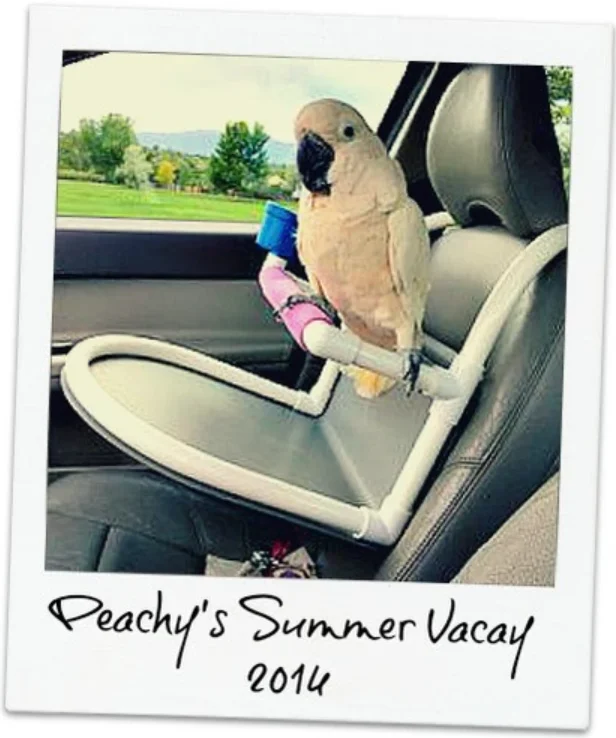
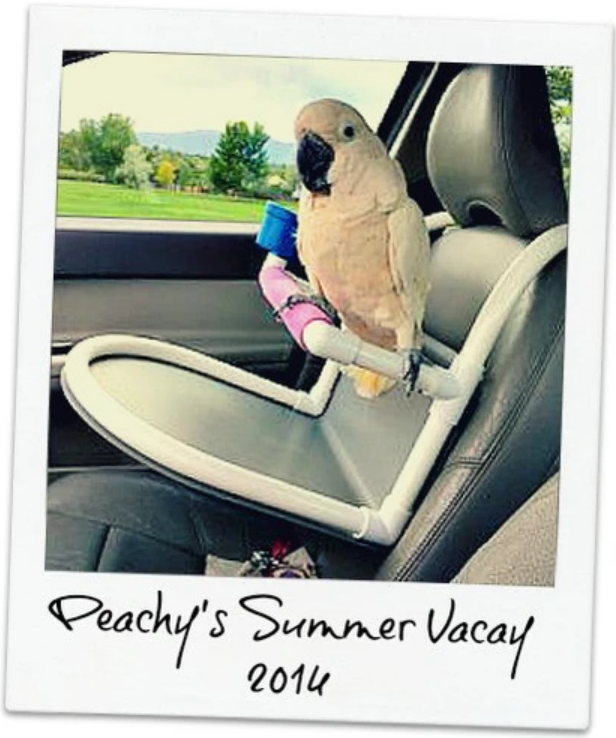
- Bird Car Seats (Cautionary Note): While some confident, harness-trained parrots might tolerate a dedicated bird car seat, this option carries higher risks. It should only be considered for birds that are exceptionally calm, accustomed to motion, and can be safely restrained with a harness. Even in such cases, a secure, enclosed travel carrier should always be brought as a primary backup for safety and emergencies.
- Preventing Motion Sickness: Birds can experience motion sickness, characterized by lethargy, regurgitation, or excessive quietness.
- Stabilization: Ensure the carrier is level and stable. Avoid placing it on slanted surfaces or where it can swing.
- Visual Stability: Minimize dangling toys or visually distracting items inside the carrier during transit. A stationary comfort item like a shreddable block or a securely fastened chew toy is preferable.
- Dietary Considerations: Avoid feeding a heavy meal immediately before travel. Offer lighter, easily digestible snacks.
- Hydration and Skin Care: A light misting with a bird-safe aloe vera spray can help counteract dry cabin air from air conditioning and provide a soothing sensation.
Strategic Planning for Trip Duration and Breaks

The duration of a car trip with a bird is not measured solely in miles but by the bird’s individual tolerance and the quality of planned breaks.
- Gradual Increase in Duration: For birds new to car travel, limit initial trips to under two hours. Gradually increase duration, closely monitoring for signs of fatigue or stress. Experienced avian travelers may comfortably handle 4-6 hour segments, provided adequate breaks are integrated.
- Essential Break Protocols:
- Frequency: Plan breaks every 90 to 120 minutes.
- Location: Choose quiet, safe locations away from heavy traffic or loud noises.
- Safety First: The carrier door should only be opened when the vehicle is turned off, the environment is calm, and there is no risk of escape.
- Hydration and Nutrition: Offer fresh water and familiar, favorite snacks. Familiarity is key to reducing stress.
- Health Check: Use breaks to assess your bird’s comfort level. Check for panting, feather condition, and overall demeanor.
- Supervised Exploration (Harnessed Birds): If your bird is harness-trained, a 5-10 minute supervised stretch and exploration session outside the carrier (but still within a secure area) can provide valuable physical and mental stimulation. This should only be done in a completely safe, enclosed space, with extreme vigilance.
- Temperature and Sun Safety: Birds are highly susceptible to temperature extremes.
- Never Leave Unattended: Never leave a bird alone in a parked car, even for a few minutes. Interior temperatures can skyrocket or plummet rapidly, leading to fatal heatstroke or hypothermia.
- Shade and Ventilation: Position the carrier away from direct sunlight. Ensure adequate ventilation without exposing the bird to direct drafts from air conditioning or open windows, which can cause respiratory issues.
- Temperature Monitoring: If possible, use a remote thermometer to monitor the temperature inside the car and near the carrier. Ideal temperatures for most parrots are between 65-80°F (18-27°C).
Comprehensive Trip Planning and Logistics
Thorough pre-trip planning covers health, accommodation, and essential supplies.
- Pre-Travel Veterinary Check-up: Schedule a wellness visit with your avian veterinarian approximately one week before departure. This ensures your bird is in optimal health for travel. Discuss any specific concerns, obtain health certificates if crossing state lines (critical for some regions), and confirm vaccinations are up-to-date. This is also an opportune time to trim nails and flight feathers if concerns about escape are high, always prioritizing the bird’s welfare and comfort.
- Bird-Friendly Accommodations: The term "pet-friendly" does not automatically include birds. Many hotels, even those welcoming dogs and cats, have specific restrictions on birds due to potential noise, dander, or allergy concerns.
- Call Ahead: Always call hotels directly to confirm their avian pet policy, inquire about any size or species restrictions, and ask about additional fees.
- Room Selection: Request a quiet room, away from elevators, ice machines, or high-traffic areas. A ground-floor room might be preferable for easier access to outdoor breaks (if applicable).
- Setup: Bring a waterproof mat to place under the cage to protect hotel carpets. Set up the bird’s temporary cage in a corner, away from air conditioning vents, televisions, and direct sunlight. A cage cover can help reduce external stimuli and promote sleep.
- The Essential Bird Travel Kit: A well-stocked travel kit is indispensable for any journey.
- Primary Travel Carrier: As discussed, secure and appropriate.
- Backup Emergency Carrier: A smaller, simpler carrier for unexpected situations.
- Familiar Main Cage: For overnight stays at the destination.
- Ample Food Supply: At least a week’s worth of your bird’s regular diet, plus extra in case of delays.
- Bottled Water: To avoid digestive upset from unfamiliar local water.
- Familiar Toys: For mental stimulation and comfort.
- Cage Cover: For promoting sleep and reducing stress.
- Cleaning Supplies: Bird-safe wipes, paper towels, and a small brush.
- First-Aid Kit: Specific to avian needs (e.g., styptic powder, antiseptic wipes, vet-prescribed medications).
- Emergency Contact Information: Your avian vet’s number, as well as contact information for avian vets along your route or at your destination.
- Water Dishes/Bottles: Spill-proof designs.
- Spray Bottle: For aloe mist or plain water misting.
- Harness and Leash (if trained): For supervised outdoor time.
- Proof of Ownership/Health Records: For identification and emergencies.
Harness Training: A Gateway to Enhanced Travel Experiences
Harness training, while requiring dedication, offers unparalleled benefits for avian travelers. A properly harness-trained bird can safely experience outdoor environments during breaks, stretch its wings, and enjoy supervised exploration outside the confines of its carrier. This greatly enhances mental and physical enrichment, reducing overall travel-related stress. Consistent, positive reinforcement training, starting well in advance of the trip, is crucial for success. Even brief periods (5-10 minutes) outside the carrier, under strict supervision, can make a significant difference in a bird’s comfort and well-being during multi-day trips. Always ensure your bird is wearing identification tags and that you have a reliable recall cue established.

When Travel is Not Advisable
Despite best intentions, certain circumstances dictate that leaving your bird at home is the most responsible and humane choice.
- Health Concerns: A bird that is unwell, undergoing a heavy molt, or experiencing hormonal mood swings is already under physiological stress. Adding travel stress can compromise its immune system and exacerbate existing conditions.
- Lack of Training: If your bird has not been desensitized to a travel carrier or harness, forcing it into travel will likely result in severe anxiety, potential injury, and a negative experience for all involved. Prioritize training before attempting any significant travel.
- Extreme Weather Conditions: Temperatures below 45°F (7°C) or above 85°F (29°C) are unsafe for most parrots during travel. Birds can quickly succumb to hypothermia or hyperthermia, even with climate control, due to variations in vehicle temperature and sudden exposures during stops. Ethical considerations for your bird’s welfare must always supersede convenience.
Conclusion: Empowering Responsible Avian Travel
The decision to travel with a pet bird is a significant one, reflecting the growing bond between humans and their avian companions. When approached with thorough planning, meticulous preparation, and a deep understanding of avian needs, car travel can be an enriching and bonding experience rather than a stressful ordeal. By prioritizing the bird’s physical health and emotional well-being through pre-travel vet checks, appropriate carrier selection, gradual acclimatization, strategic break planning, and responsible accommodation choices, owners can ensure their feathered friends enjoy the journey as much as the destination. The increasing availability of specialized avian travel products, coupled with a collective commitment to responsible pet ownership, paves the way for a future where more parrots can safely and happily join their families on adventures, further cementing their place as cherished members of the modern household.

