


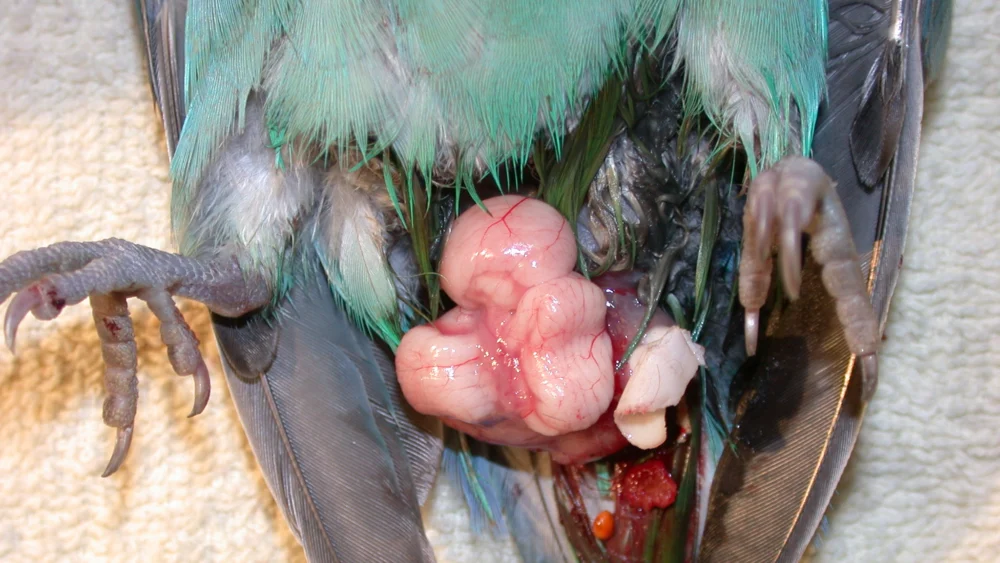
The highly anticipated veterinary continuing education webinar titled Reproductive Disease in Female Psittacine Birds, originally slated for an earlier presentation by the esteemed Don Harris, DVM, has been officially postponed to December 9, 2026. Organizers at LafeberVet announced the scheduling shift this week, citing health concerns as the primary driver for the delay. The session, which is designed to provide critical clinical insights into the complexities of avian reproductive health, is now set to take place at 2:00 pm EST. This adjustment affects hundreds of registered veterinary professionals who look to these sessions for specialized training in exotic animal medicine.
While the postponement may present a temporary hiatus in the LafeberVet educational calendar, the organization has confirmed that registration for the event will remain paused until late October 2026. At that time, the portal will reopen for new participants and existing registrants to confirm their attendance for the December date. The webinar remains a vital resource for the global veterinary community, particularly those specializing in psittacine species—a group of birds including parrots, macaws, and cockatiels that present unique anatomical and physiological challenges in a clinical setting.
A Chronology of the Postponement and Future Schedule
The decision to move the webinar follows a rigorous evaluation of the presenter’s availability and the necessity of ensuring a high-quality educational delivery. Dr. Don Harris, a cornerstone of the avian veterinary community, was scheduled to lead the session during the spring of 2026. However, with the announcement of the health-related delay, the timeline has been recalibrated to ensure the well-being of the speaker while maintaining the integrity of the information presented.
According to the updated schedule provided by LafeberVet, the webinar will now serve as a year-end capstone for their 2026 educational series. The specific timing of 2:00 pm EST was selected to accommodate a broad range of international time zones, reflecting the global reach of avian medicine practitioners. For those in the United Kingdom, the session will air in the evening, while practitioners on the West Coast of the United States will be able to join during their morning rounds.
The pause in registration is a strategic move by the organizers to manage the digital infrastructure of the LafeberVet platform. By reopening the portal in late October, the organization aims to capture a new wave of veterinary graduates and technicians who may have entered the workforce since the original announcement was made. This ensures that the most current cohort of professionals has access to Dr. Harris’s 45 years of clinical expertise.
The Clinical Focus: Addressing Dystocia and Egg Binding
The core of the upcoming webinar is the management of reproductive diseases, with a specific emphasis on dystocia, commonly known as egg binding. In the realm of psittacine medicine, reproductive disorders are among the most frequent reasons for emergency veterinary visits. Dystocia occurs when a female bird is unable to pass an egg through the oviduct at a normal rate, a condition that can quickly become life-threatening due to the bird’s high metabolic rate and the potential for the egg to compress vital organs or impede blood flow.
Dr. Harris’s abstract for the presentation highlights that while reproductive disease can manifest in various forms—including chronic egg laying, yolk peritonitis, and oviductal prolapse—dystocia remains the most critical hurdle for practitioners. His approach, honed over four decades of practice, focuses on safe and effective resolution methods. He notes that while multiple schools of thought exist regarding the treatment of egg binding, his techniques are rooted in the practical realities of a high-volume exotic animal hospital.
The webinar is expected to cover the multi-factorial causes of reproductive distress, such as nutritional deficiencies (specifically calcium and Vitamin D3 imbalances), environmental stressors, and genetic predispositions. In captive parrots, the lack of natural light cycles and the presence of high-calorie diets often lead to hormonal surges that trigger excessive reproductive activity, making these birds more susceptible to complications.
Profile of the Presenter: Dr. Don Harris
The postponement of the webinar has only increased the demand for insights from its presenter, Dr. Don Harris. As the founder of Miami’s first exotics-only veterinary hospital, the Avian & Exotic Animal Medical Center, Dr. Harris is a pioneer in the field. A graduate of the Louisiana State University School of Veterinary Medicine, he transitioned from mixed-animal practice to an exclusive focus on avian and exotic species in 1990.
His influence extends far beyond his private practice. Dr. Harris has held several of the most prestigious leadership positions in the veterinary world, including serving as the Past-President of the South Florida Veterinary Medical Association, the Association of Avian Veterinarians (AAV), and the North American Veterinary Community (NAVC). His role in organizing the North American Veterinary Conference—the largest of its kind globally—underscores his commitment to the advancement of veterinary education.
Furthermore, Dr. Harris provides his expertise to major institutions, serving as a consulting veterinarian for the Georgia Aquarium Research Center, Miami MetroZoo (now Zoo Miami), and Jungle Island. His position on the Advisory Board of Abaxis Veterinary Diagnostics further demonstrates his involvement in the development of the tools and technologies that modern veterinarians use to diagnose avian diseases.
The Importance of RACE-Approved Continuing Education
A significant draw for the rescheduled webinar is its accreditation. The program has been approved for 1.0 credit hour of Registry of Approved Continuing Education (RACE) credit. This approval, granted by the American Association of Veterinary State Boards (AAVSB), is essential for veterinarians and veterinary technicians who must meet strict annual or biennial requirements to maintain their professional licenses.
RACE approval ensures that the content provided meets rigorous educational standards and is free from commercial bias. In a specialized field like avian medicine, where protocols and best practices evolve rapidly, these accredited hours are vital for ensuring that practitioners are providing the highest standard of care based on the latest scientific evidence. The delay of the webinar means that many professionals will likely look to include this credit hour in their 2026 or 2027 renewal cycles.
Supporting Data: The Prevalence of Avian Reproductive Issues
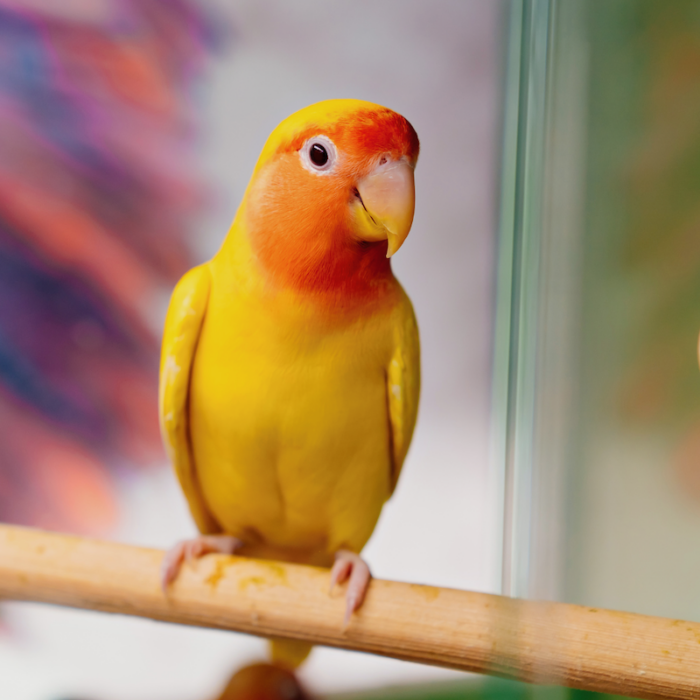
The necessity of this webinar is supported by data from various avian health surveys and clinical studies. Research indicates that reproductive tract disorders can account for up to 20-30% of female psittacine presentations in some exotic animal clinics. Species such as Cockatiels (Nymphicus hollandicus), Budgerigars (Melopsittacus undulatus), and Lovebirds (Agapornis spp.) are particularly overrepresented in cases of chronic egg laying and dystocia.
Statistical analysis of avian mortality often points to reproductive complications as a leading cause of death in mature female captive birds. Factors such as "all-seed" diets, which are notoriously low in calcium, contribute to poor shell quality and weakened uterine contractions, directly leading to egg binding. By providing a platform for Dr. Harris to share his interventions—ranging from medical stabilization and hormonal therapy to surgical oviductal procedures—LafeberVet is addressing a critical gap in general veterinary knowledge.
Analysis of Implications for the Veterinary Community
The rescheduling of this event highlights the fragility of specialized knowledge transfer within the veterinary field. Because there are relatively few board-certified avian specialists compared to small animal generalists, the health and availability of experts like Dr. Harris are paramount. The decision to postpone, rather than cancel or replace the speaker, reflects the high value placed on his specific clinical "ways"—the methods he has developed over 45 years that cannot be easily replicated by a less experienced substitute.
From a broader perspective, the focus on "safe and effective" methods rather than "the only way" reflects a maturing of avian medicine. Early avian practice was often experimental, but the field has now reached a point where seasoned practitioners can offer nuanced, evidence-based options that prioritize the bird’s stability over aggressive intervention. The December 2026 webinar will likely serve as a definitive guide for practitioners looking to refine their emergency protocols for reproductive crises.
Conclusion and Looking Ahead
As the veterinary community waits for the registration to reopen in October 2026, the focus remains on the critical need for specialized education in exotic animal care. The postponement of Reproductive Disease in Female Psittacine Birds is a reminder of the human element behind professional education and the importance of supporting the health of the mentors who lead the industry.
When the session finally convenes on December 9, 2026, it will provide a concentrated hour of high-level instruction that promises to improve the outcomes for captive birds across the globe. For now, practitioners are encouraged to monitor the LafeberVet website for updates and to prepare for the reopening of registration, ensuring they secure a spot in what is expected to be one of the most attended avian webinars of the year. Through the continued efforts of experts like Dr. Harris and platforms like LafeberVet, the standard of care for psittacine birds continues to rise, ensuring these intelligent and complex companions live longer, healthier lives.

