


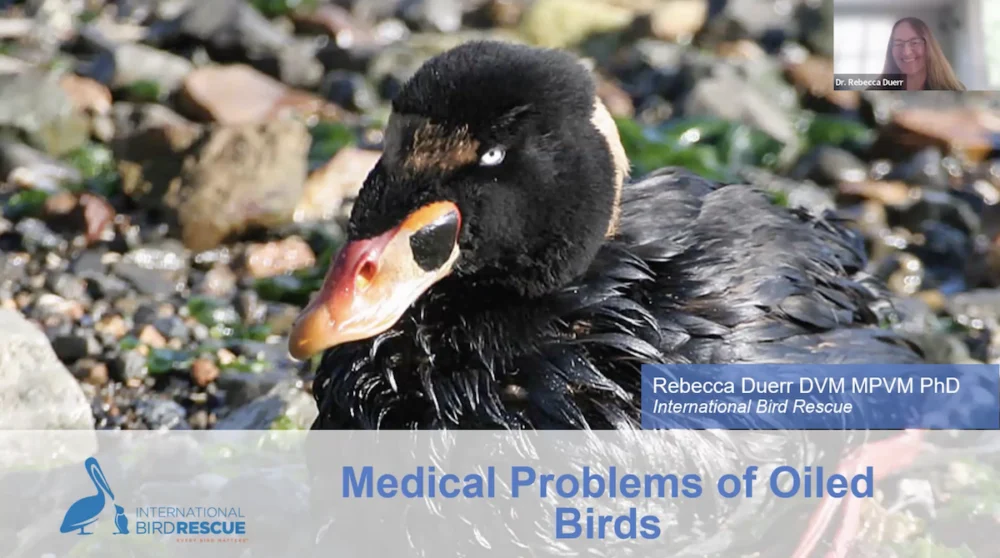
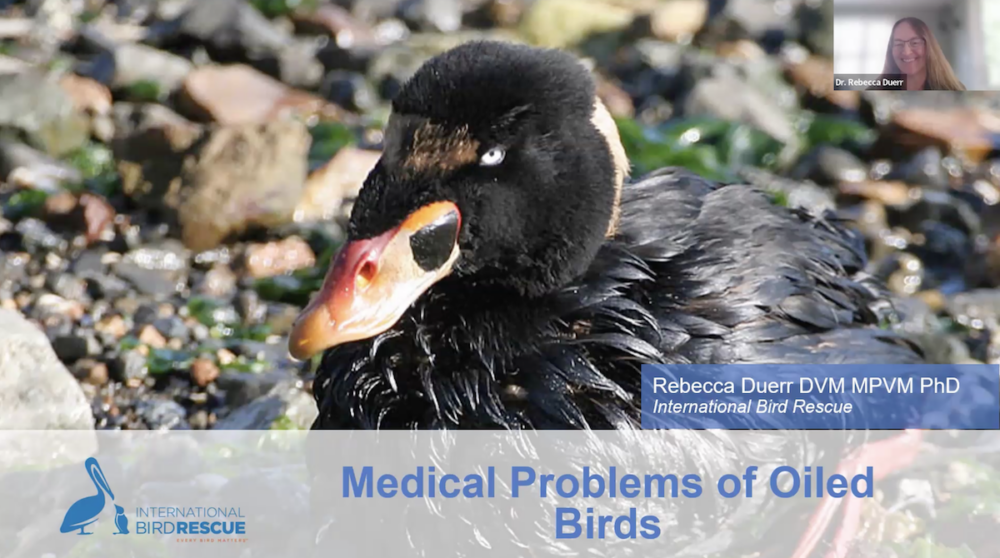
The Kansas State University College of Veterinary Medicine Exotics Club recently hosted a comprehensive virtual presentation by Dr. Rebecca Duerr, a renowned expert in avian medicine and oil spill response, focusing on the intricate medical challenges and protocols involved in treating oiled wildlife. This educational event, conducted as part of the Lafeber Company Veterinary Student Program, provided future veterinarians with critical insights into the physiological and systemic impacts of petroleum exposure on avian species. Dr. Duerr, who holds a DVM, MPVM, and PhD, currently serves as the Research Director and Clinical Veterinarian at International Bird Rescue, an organization at the forefront of global aquatic bird rehabilitation. Her presentation underscored the evolution of wildlife medicine from basic cleaning procedures to sophisticated, evidence-based clinical interventions that prioritize animal welfare and long-term survival.
The Physiological Crisis: Impact of Oil on Avian Biology
When a bird comes into contact with oil, the immediate effects are physical, but the systemic consequences are rapidly life-threatening. Dr. Duerr’s presentation highlighted that the primary concern is often the destruction of the bird’s plumage. Feathers provide essential insulation and waterproofing; petroleum products disrupt the microscopic structure of the barbs and barbules, causing the feathers to mat and separate. This loss of integrity allows cold water to reach the skin, leading to rapid heat loss and hypothermia.
Beyond the external damage, oiled birds face severe internal toxicity. As birds attempt to preen their feathers to restore their insulating properties, they inevitably ingest the oil. This ingestion leads to gastrointestinal irritation, ulcers, and the absorption of polycyclic aromatic hydrocarbons (PAHs), which can cause hemolytic anemia, liver failure, and kidney damage. Furthermore, the inhalation of volatile organic compounds (VOCs) from the oil can result in severe pneumonia and neurological impairment. Dr. Duerr emphasized that the medical management of these patients must address both the visible external contamination and the invisible internal trauma.
A Chronology of Care: The Stabilization and Decontamination Process
The medical care of oiled birds follows a strict, phased approach designed to maximize survival rates. Dr. Duerr detailed a timeline that begins long before the bird ever touches soapy water.
Phase 1: Search, Collection, and Transport
The process begins in the field, where trained responders capture affected birds. This stage is critical, as the stress of capture can exacerbate the bird’s already compromised state. Once captured, birds are transported in specialized containers to a rehabilitation center.
Phase 2: Stabilization (The 48-Hour Rule)
One of the most critical takeaways from the presentation was the necessity of stabilization. It is a common misconception that an oiled bird should be washed immediately. Dr. Duerr explained that washing is a highly stressful process that requires the bird to be metabolically stable. Upon arrival, birds are typically dehydrated, emaciated, and hypothermic. The first 48 hours are dedicated to fluid therapy, nutritional support, and thermal regulation. Only once a bird’s blood chemistry—specifically its packed cell volume (PCV) and total protein—reaches acceptable levels is it considered a candidate for cleaning.
Phase 3: Decontamination
The cleaning process involves a team of specialists using a specific concentration of dish detergent (commonly Dawn) in temperature-controlled water. Dr. Duerr noted that the water quality, particularly its hardness, plays a vital role in the effectiveness of the wash. Any residual minerals in the water can interfere with the detergent’s ability to remove oil, leaving the feathers compromised.
Phase 4: Conditioning and Release
After cleaning, birds are moved to drying pens where they use forced-air heaters to dry their feathers and begin preening. Once dry, they are moved to outdoor pools to regain their waterproofing and build the muscle strength necessary for survival in the wild. A bird is only released once it demonstrates perfect waterproofing, normal blood values, and a healthy weight.
Supporting Data: Factors Affecting Survival and Success
The presentation integrated data from Dr. Duerr’s extensive research, including a pivotal 2016 study published in the Journal of Wildlife Diseases. This research examined the factors affecting the survival of oiled Common Murres (Uria aalge) during rehabilitation. The study found that mortality during treatment was often linked to the severity of anemia and emaciation upon admission.
Key data points highlighted in the presentation included:
- Hematocrit Levels: Birds with extremely low red blood cell counts have a significantly lower prognosis, requiring aggressive iron supplementation and nutritional support.
- Time to Wash: The study indicated that while stabilization is vital, delays in washing beyond the point of stabilization can lead to secondary infections, such as aspergillosis, a fungal respiratory disease common in stressed captive birds.
- Species-Specific Responses: Different species react uniquely to oil and captivity. For instance, pelicans may handle the stress of the wash better than smaller, more high-strung alcids like murres or puffins.
Furthermore, Dr. Duerr referenced recent advancements in veterinary protocols, such as a 2024 study in the Journal of Avian Medicine and Surgery. This research compared manual restraint with sedation during the decontamination process. The findings suggested that light sedation can significantly reduce the physiological stress response (measured via cortisol levels and heart rate) in wild birds, leading to more efficient cleaning and improved recovery outcomes.
Official Responses and Educational Impact
The Kansas State University College of Veterinary Medicine Exotics Club expressed significant appreciation for the opportunity to learn from a world leader in the field. The event reflects a growing trend in veterinary education to include disaster response and wildlife medicine as core components of the curriculum.
A representative from the Lafeber Company Student Program stated, "Providing students with access to experts like Dr. Duerr is essential for the advancement of exotic and wildlife medicine. These presentations bridge the gap between classroom theory and the high-stakes reality of environmental disasters."
The inclusion of the Lafeber Company as a sponsor highlights the role of the private sector in supporting veterinary education. By providing resources and platforms for specialists to share their findings, these programs ensure that the next generation of veterinarians is equipped to handle the complex "One Health" challenges posed by industrial accidents and environmental degradation.
Broader Impact and Environmental Implications
The medical care of oiled birds is not merely an animal welfare issue; it is a critical component of environmental conservation and restorative justice. When oil spills occur—whether large-scale disasters like the Deepwater Horizon or smaller, localized leaks—the impact on local ecosystems is profound. Birds serve as "sentinel species," meaning their health reflects the overall health of the marine environment.
The implications of Dr. Duerr’s work extend to the development of state and federal wildlife response policies. In the United States, the Oiled Wildlife Care Network (OWCN) and organizations like International Bird Rescue work under the mandate of the Oil Pollution Act of 1990. This legislation requires responsible parties to fund the rescue and rehabilitation of affected wildlife. Dr. Duerr’s presentation emphasized that the success of these mandates depends on the continuous refinement of medical protocols.
The shift toward evidence-based medicine in this field has also debunked the historical skepticism regarding the efficacy of cleaning oiled birds. Early efforts in the 1970s often saw low survival rates, leading some to argue that euthanasia was more humane. However, modern techniques—many developed or refined by Dr. Duerr and her colleagues—have resulted in release rates exceeding 75% for many species, with post-release studies showing that these birds can return to the breeding population and lead normal lifespans.
Analysis of Future Trends in Wildlife Rehabilitation
Looking forward, the field of oiled wildlife medicine is moving toward even greater specialization. Dr. Duerr’s discussion of sedation protocols and blood chemistry analysis points toward a future where "wildlife emergency rooms" are as technologically advanced as their domestic counterparts.
The integration of PhD-level research into clinical practice is a hallmark of this evolution. By understanding the molecular and cellular impacts of oil, veterinarians can develop targeted therapies to counteract the specific toxins found in different grades of crude and refined oils. Additionally, the rise of "One Health" initiatives—which recognize the interconnectedness of human, animal, and environmental health—ensures that the lessons learned from oiled bird rehabilitation contribute to a broader understanding of toxicology and disaster management.
The presentation at Kansas State University serves as a call to action for veterinary students to consider the diverse roles they can play in society. Whether in private practice, research, or emergency response, the principles of stabilization, meticulous care, and evidence-based decision-making remain universal. As climate change and increased industrial activity continue to pose risks to global waterways, the expertise shared by Dr. Rebecca Duerr remains more relevant than ever, providing a blueprint for the compassionate and scientific preservation of our planet’s avian biodiversity.

