


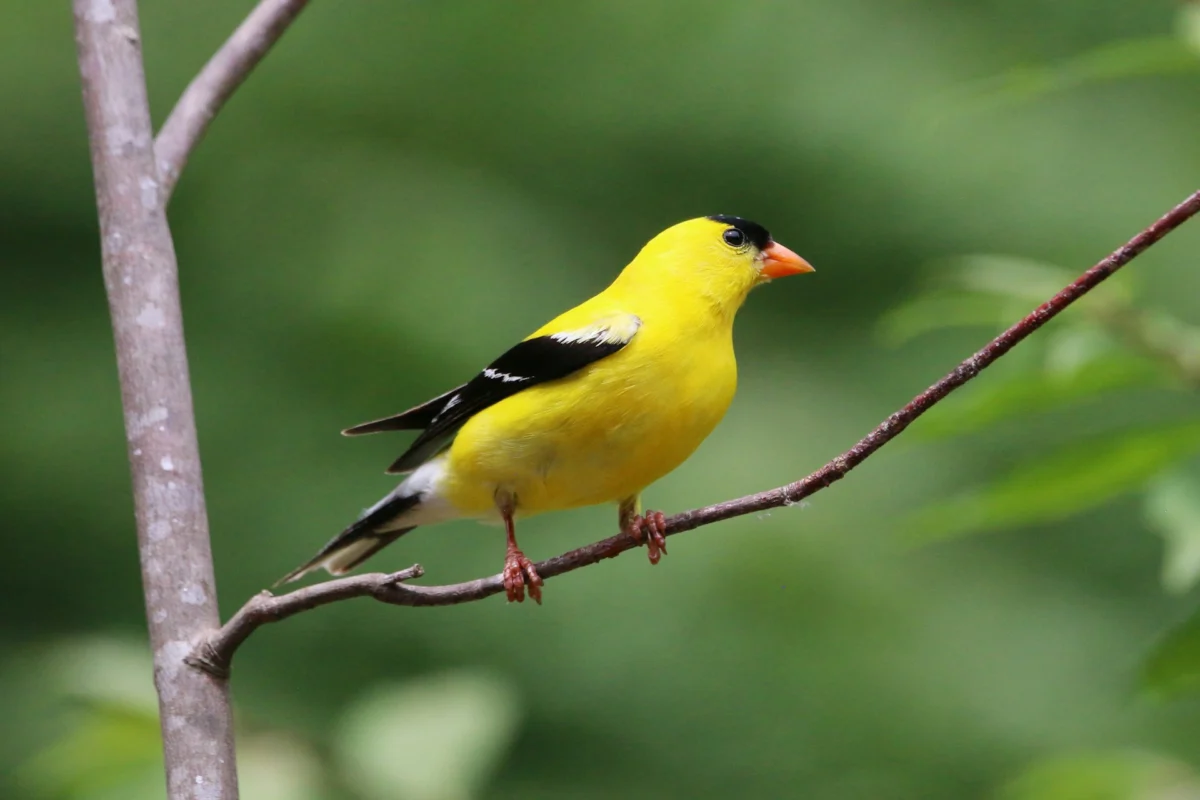
The American Goldfinch, scientifically known as Spinus tristis, is a beloved fixture of the North American landscape, celebrated for its striking plumage and melodious vocalizations. While these birds are often associated with the vibrant colors of spring and summer, their presence during the winter months offers a unique opportunity for avian enthusiasts to observe their seasonal behaviors. Maintaining a habitat that supports these songbirds throughout the colder months requires a strategic approach, as winter conditions significantly alter their survival needs and foraging patterns.
The Seasonal Ecology of the American Goldfinch
The American Goldfinch is a widespread species across the North American continent, yet its migratory patterns are complex. Unlike many other songbirds that adhere to a strict migratory schedule, Goldfinches are considered partial migrants. In the Northeastern United States and parts of the Pacific Northwest, many populations remain stationary throughout the winter, provided there is an adequate food supply. Conversely, populations residing in more northern latitudes, including mid-Canada, typically migrate south as temperatures plummet and food sources become buried under snow.
This variability means that homeowners in many regions can influence local populations simply by providing consistent, high-quality resources. Ornithologists note that the transition from breeding to winter plumage is a significant physiological shift. During the summer breeding season, the male Goldfinch is famously identified by its brilliant yellow body and contrasting black forehead and wings. As autumn approaches, these birds undergo a complete molt, replacing their vibrant feathers with a more subdued, olive-brown winter coat. This camouflage is essential for survival, helping the birds blend into the barren winter landscape and evade predators when their high-energy, high-visibility breeding colors are no longer necessary.
1. Optimizing Nutritional Resources for Winter Survival
The primary driver for Goldfinch movement is the availability of food. During the winter, their metabolism requires high-energy, oil-rich seeds to maintain core body temperatures. While they are specialized granivores, their dietary needs in winter shift toward the seeds of composite plants such as sunflowers, coneflowers, and asters.

To effectively attract these birds, feeders should be stocked with high-quality Nyjer (thistle) seed or black-oil sunflower seeds. Unlike many other backyard birds, Goldfinches have evolved to feed efficiently from tube feeders or specialized mesh "socks." These structures are particularly advantageous in winter because they protect the seeds from moisture, preventing the mold growth that can be hazardous to bird health.
Data from the Cornell Lab of Ornithology suggests that replacing seed every three to four weeks is vital to ensure freshness and prevent the accumulation of toxins from damp, rotting feed. Furthermore, while supplemental feeding is beneficial, maintaining natural food sources by leaving seed-bearing perennials standing in the garden—such as black-eyed Susans or purple coneflowers—provides a critical, climate-resilient food source.
2. Infrastructure: Selecting the Right Feeding Equipment
The physical design of a bird feeding station directly correlates with the species it attracts. To cater specifically to the American Goldfinch, the equipment must be sized appropriately. Small, tube-style feeders with tiny perches are ideal because they naturally exclude larger, more aggressive species like Blue Jays or European Starlings, which might otherwise dominate the feeding area.
From an environmental design perspective, positioning these feeders in an open area that allows for quick escape to nearby cover—such as coniferous trees or shrubs—is essential. This "flight-to-cover" strategy mimics their natural habitat preferences and reduces the stress levels of the birds while they forage. Using feeders that allow the birds to hang in various positions—mimicking their behavior of clinging to the stalks of wildflowers—further increases the likelihood of consistent visitation.
3. Cultivating Habitat and Natural Nesting Materials
A backyard that serves as a winter sanctuary must offer more than just a food dish; it must provide a functional ecosystem. Gardeners who prioritize native plants provide a twofold benefit: food during the winter and critical nesting resources in the spring.

Planting native species like milkweed, dandelion, and thistle serves an additional purpose. In late winter and early spring, Goldfinches are known for their fastidious nest-building habits. They utilize the downy fibers of milkweed and cattail fluff to line their nests, which are famously sturdy and often lined with spider silk. By maintaining these plants, homeowners provide the necessary raw materials for the upcoming breeding cycle, effectively encouraging the birds to establish a long-term presence in the area.
It is equally important to avoid the use of invasive or hazardous plants. For example, burdock (Arctium) should be avoided in backyard settings. The hooked bracts of the burdock plant can easily become entangled in the fine feathers of a small Goldfinch, potentially trapping the bird and leading to injury or death.
4. Managing Social Dynamics and Safety
Goldfinches are inherently social birds, often observed traveling in small, loose flocks. However, they are sensitive to the presence of larger or more aggressive birds. Maintaining a secure environment involves the spatial separation of food sources. By installing multiple, smaller feeders at varying heights and locations, the homeowner can mitigate the "dominance hierarchy" that often occurs at a single, large feeding station.
Providing a safe haven also entails predator awareness. Free-roaming domestic cats remain the single greatest threat to backyard songbirds. Placing feeders at least ten feet away from low-lying brush can prevent ambush-style predation, and keeping feeding areas clean of husks and debris helps prevent the spread of avian diseases, such as salmonellosis, which can devastate local finch populations during the winter months.
5. The Critical Necessity of Open Water
One of the most overlooked aspects of winter bird care is the provision of liquid water. While birds can derive some moisture from snow, the energetic cost of melting snow internally is significant. Access to an open, unfrozen water source allows birds to bathe, which is essential for maintaining the insulating properties of their feathers.
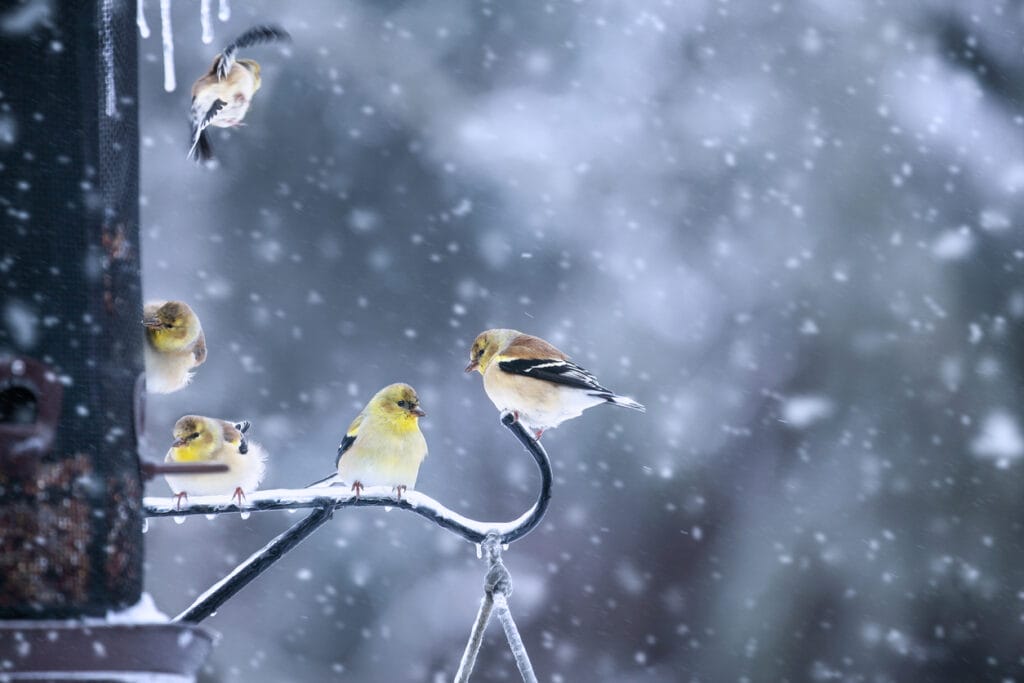
A heated birdbath or an immersion-style heater added to an existing basin is an invaluable tool. Observations from various wildlife agencies indicate that birdbaths are often the primary draw for species that may otherwise overlook a seed feeder. By keeping water clean and ice-free, the homeowner provides a life-sustaining resource that is often scarce during freezing conditions.
Implications for Citizen Science and Conservation
The efforts of individual homeowners to support Goldfinch populations have broader implications for avian conservation. Data collected through community-based projects like the Great Backyard Bird Count or Project FeederWatch relies heavily on the participation of private citizens. These efforts help researchers track population trends, migration timing, and the impact of climate change on songbird distribution.
The American Goldfinch, with a lifespan of approximately three to six years, faces numerous challenges in the modern landscape, ranging from habitat loss to the spread of avian pathogens. By participating in responsible, clean, and consistent supplemental feeding, the public acts as a vital partner in sustaining these populations.
Summary of Behavioral Observations
Observers should be aware that the vocalizations of the Goldfinch are distinct. Their common flight call is a rhythmic, four-note "po-ta-to-chip" sound. During the winter, these calls are frequently heard as flocks move between feeding sites. Because they are somewhat skittish, it is common to observe them hovering near a feeder before committing to land. This behavior is not an indication of a lack of interest, but rather a cautious, natural approach to a potential food source.
As these birds move through the winter months, their transition from the brown plumage of winter back to the vibrant gold of spring serves as a natural signal of the changing seasons. Providing a well-maintained, safe, and resource-rich environment ensures that these birds remain a part of the local ecosystem, providing not only aesthetic value but also supporting the biodiversity of the suburban and rural landscape. Through the implementation of these five steps—nutritional support, appropriate equipment, habitat development, safety management, and water provision—homeowners can successfully host these songbirds throughout the most challenging months of the year.

