


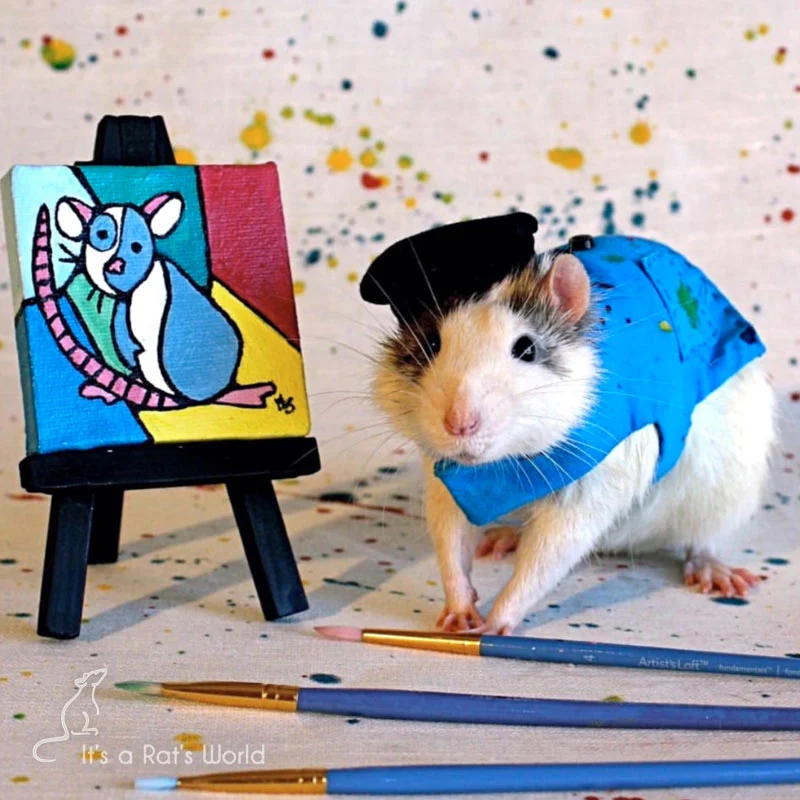
The digital archives of Brandi Saxton, founder of the long-running publication It’s a Rat’s World (IARW), contain more than 11,288 photographs of domesticated rats, a collection that serves as both a personal historical record and a professional body of work spanning over a decade. This expansive archive, which remains incomplete due to the degradation of legacy hardware and the transition of media storage over the last twenty years, represents a significant case study in niche animal photography and the evolution of community-driven pet journalism. From the magazine’s inception in 2007 until its conclusion in 2020, photography served as the cornerstone of the publication, shaping its editorial identity and fostering a dedicated following among rodent enthusiasts globally.
The Evolution of a Niche Publication
It’s a Rat’s World was launched in 2007, filling a void in the pet magazine market that had largely ignored the complexities and companionship qualities of domestic rats. Over its thirteen-year tenure, the magazine utilized a monthly publishing schedule that required consistent, high-quality visual content. Saxton, who served as the primary photographer, managed the dual responsibility of capturing editorial images for feature articles and sourcing community-driven submissions for "The PapRATzi Page," a reader-submitted photo section.
The logistical demands of the magazine required a structured approach to content creation. Saxton implemented a monthly theme system to maintain editorial consistency. These themes ranged from simple daily activities—such as grooming, sleeping, and feeding—to more complex, staged narratives involving props, costumes, and environmental setups. This methodology not only streamlined the production process but also encouraged subscriber engagement, as readers were prompted to participate in the creative vision of each issue.
Technical Progression and Methodological Challenges
Saxton’s journey as a photographer reflects the broader transition in amateur photography during the early 21st century. The initial years of IARW were marked by a period of technical experimentation as Saxton navigated the learning curve of professional digital photography. By analyzing the evolution of the magazine’s cover art, one observes a distinct improvement in lighting, composition, and focus techniques.
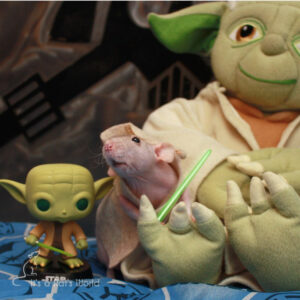
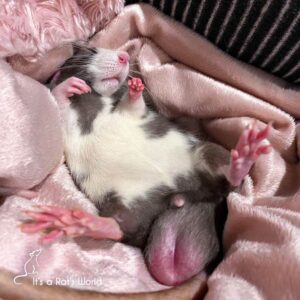
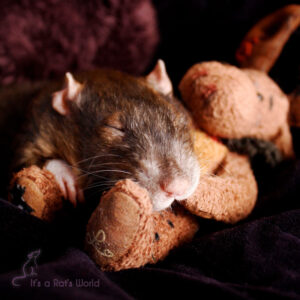
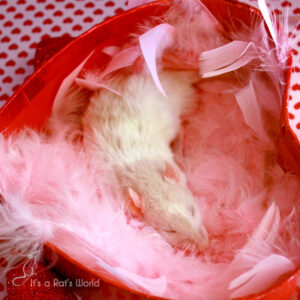
The primary challenge identified by Saxton during these years was the inherent unpredictability of the subject matter. Domestic rats, while highly intelligent and trainable, do not respond to traditional modeling cues. The "sleeping rat" genre, which proved to be a popular recurring theme, required patience and the ability to capture candid moments without disrupting the subject. Data from the magazine’s archives indicate that the most successful images often occurred during periods of environmental relaxation, such as the COVID-19 lockdowns in 2020, where sustained time in the home environment allowed for more intimate, trust-based photography.

The Craft of Staged Editorial Photography
The creation of the "Rat Dress-Up" and holiday-themed covers required a shift from candid photography to art direction. Saxton’s approach involved a mix of repurposed household items and custom-made miniature accessories. Notable projects included:
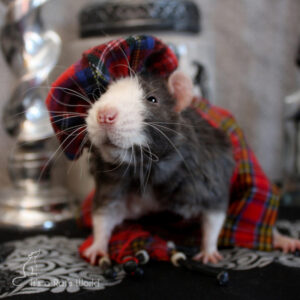
- The 2016 Star Wars Issue: To commemorate the release of the modern trilogy, Saxton utilized hairless rats, which bore a biological resemblance to the character Yoda, outfitted in bespoke, hand-stitched cloaks.
- The 2017 Scottish Kilt Series: Inspired by a family trip to Stirling Castle, this project involved the creation of non-functioning, miniature bagpipes and a custom-fitted kilt, demonstrating a high degree of technical precision in prop construction.
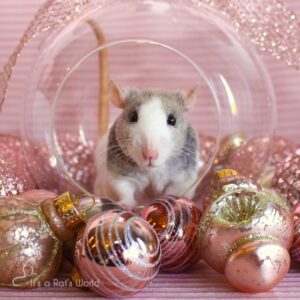
- The 2018 Glass Ornament Concept: Utilizing a transparent glass sphere as a prop, Saxton captured a series of images that challenged the viewer’s perception of the subject’s scale and texture, leading to public inquiries regarding the authenticity of the images.
These projects were not merely aesthetic exercises; they served as the magazine’s visual brand, establishing IARW as a publication that took the welfare and representation of small mammals seriously. The effort invested in these shoots—often involving meticulous scene preparation and long-duration exposure to the subjects—mirrors the editorial standards of larger, mainstream pet magazines.
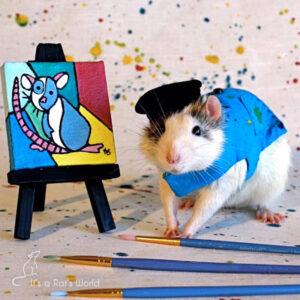
Cultural Impact and Legacy
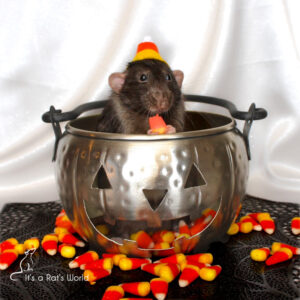
The influence of It’s a Rat’s World extended beyond the printed page, manifesting in an active social media presence and an online retail shop. The magazine’s archives have also inspired external artistic tributes, such as the 2024 thigh tattoo commissioned by a reader, which was based on a 2014 IARW cover image featuring a rat posed with candy corn. Such interactions illustrate the enduring connection between the publication and its readership.
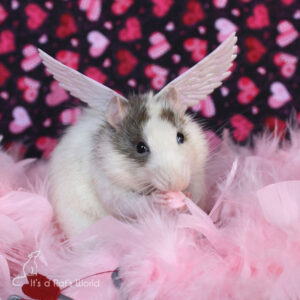
From a sociological perspective, the photography of Saxton highlights the "humanization" of pet rats. By placing these animals in human-centric contexts—such as an artist’s studio or a holiday setting—Saxton and the IARW community sought to combat the negative stigmas often associated with the species. This approach has been instrumental in shifting public perception of rats from pests to complex, emotive companion animals.

Technical Preservation and Data Challenges
The state of Saxton’s archive highlights a modern crisis in digital asset management. A significant percentage of images produced prior to 2016 are currently trapped on legacy storage media, including outdated hard drives and defunct laptops. The loss of digital metadata and the deterioration of physical media emphasize the vulnerability of independent, creator-led archives. While modern cloud-based storage and social media platforms have provided some degree of accessibility, the bulk of the early, pre-digital physical photographs remains stored in non-archival conditions, such as residential garages.
The implications for historians and pet-industry researchers are clear: as independent publications fold, their archives are at risk of being lost to time. The preservation of the IARW archive represents not just the history of one magazine, but a timeline of the domestic rat fancy movement in the early 21st century.

Conclusion: The Future of Rodent Representation
As the pet industry continues to expand, the standards set by publications like It’s a Rat’s World have left an indelible mark on how small mammals are depicted in media. The transition from the magazine’s 2007 founding to its 2020 cessation tracks the evolution of digital photography and the increasing professionalization of niche pet content.
Today, the work of Brandi Saxton stands as a testament to the dedication required to maintain a community-focused publication. Whether through the capture of a sleeping, belly-up rat or the construction of a miniature kilt, the photographs serve as a bridge between the animal and the human, demanding respect for the species. While the magazine may no longer be in circulation, the vast visual archive remains a vital resource for understanding the bond between humans and their small, sentient companions. The persistence of these images in online shops and on social media platforms ensures that the legacy of It’s a Rat’s World continues to influence new generations of rodent owners, proving that even the smallest subjects can have a massive impact on the cultural landscape.

