


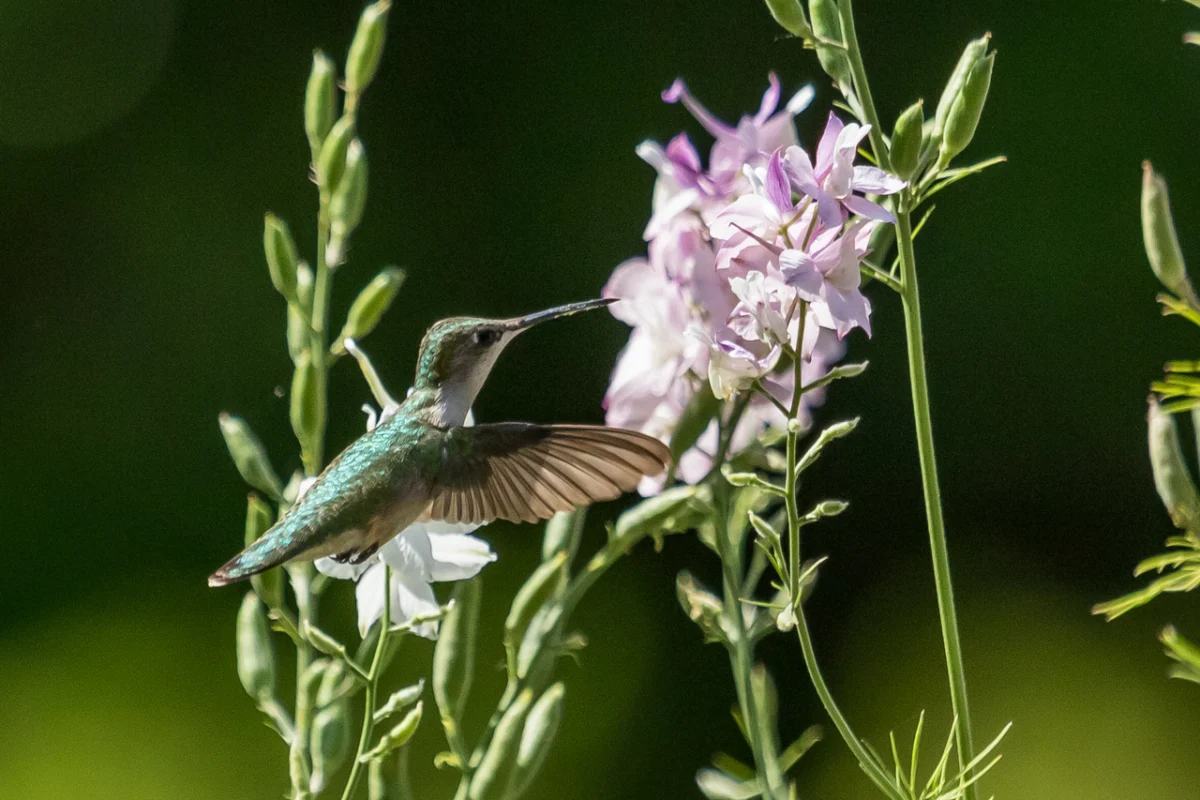
As the autumnal equinox approaches, the skies over the eastern United States and southern Canada become the stage for one of nature’s most improbable migratory feats. The Ruby-throated Hummingbird (Archilochus colubris), a species that weighs approximately the same as a single U.S. penny—roughly 3 grams—is currently navigating a continental trek that will take millions of these birds from their breeding grounds in North America to wintering territories as far south as Panama. This annual migration, spanning thousands of miles, is not merely a seasonal shift in geography but a sophisticated biological imperative that tests the physical limits of avian physiology.
The Anatomy of a Marathon Migration
The migration of the Ruby-throated Hummingbird is a masterclass in endurance. Unlike larger migratory birds that can rely on thermal currents to soar, these hummingbirds must engage in continuous, high-frequency wing flapping. Their flight muscles operate at a metabolic rate that is among the highest of any vertebrate. To prepare for this journey, the birds undergo a process known as hyperphagia, a period of intensive feeding where they nearly double their body weight, storing fat primarily in the form of subcutaneous lipids.
By mid-August, the migratory instinct begins to override the birds’ territorial behaviors. While they are famously pugnacious during the breeding season, defending nectar sources with aggressive dives and vocalizations, these behaviors wane as the birds shift their focus toward fueling. They prioritize high-calorie nectar from native plants like jewelweed, cardinal flower, and trumpet creeper, supplementing this with protein-rich insects and spiders to maintain muscle integrity during the long flight.
The Gulf Coast Gauntlet: A Choice of Survival
The most critical juncture in the Ruby-throated Hummingbird’s southern migration occurs when the population reaches the northern rim of the Gulf of Mexico. Ornithologists have long studied the decision-making process birds employ at this threshold. Research indicates that the population splits into two distinct strategies: the coastal route and the trans-Gulf route.
Birds opting for the coastal route follow the shoreline of Texas and Louisiana, navigating through Mexico and eventually into Central America. This route is longer in terms of total distance but offers frequent opportunities for refueling, providing a buffer against exhaustion. Conversely, a significant portion of the population chooses the direct trans-Gulf flight. This represents a harrowing 500-mile stretch of open water. For a bird that cannot float and is highly susceptible to wind shifts, this journey is a high-stakes gamble.
Data suggests that these birds remain in flight for 18 to 22 hours continuously. Because there are no foraging opportunities over the ocean, the birds rely entirely on the fat stores they accumulated in the weeks leading up to their departure. Weather patterns play a pivotal role; a sudden cold front or storm system during this crossing can prove fatal, leading to mass mortality events. However, the reward for the successful traveler is a more direct path to the lush, insect-rich environments of the tropics, which offer a competitive advantage for survival during the winter months.
Chronology of the Fall Shift
The migration is not a singular, synchronized event but a staggered movement dictated by latitude and day length.
- Late August: The first departure signals emerge in the northernmost reaches of the breeding range, including southern Canada and the Great Lakes region. Adult males are typically the first to abandon their breeding territories.
- Early September: The migration pulse intensifies. In the mid-Atlantic and Midwestern states, observers report a noticeable increase in hummingbird activity at feeders as transient birds pause to refuel.
- Mid-to-Late September: This is the peak window for the southern United States. States such as Mississippi, Alabama, and Louisiana serve as staging grounds.
- October: The final waves of the population, often including the year’s fledglings and females, complete their transition across the Gulf. By the end of October, the vast majority of the population has arrived in their wintering grounds in southern Mexico and Central America.
Institutional Efforts and Citizen Science
The Gulf Coast Bird Observatory (GCBO) in Texas serves as a primary hub for tracking these movements. Their ongoing research emphasizes the importance of stopover habitats—the specific patches of vegetation where birds recharge their energy. Scientists at the observatory argue that the loss of these stopover sites is a greater threat to the species than the loss of breeding habitat.
To promote public awareness and data collection, the GCBO hosts the Xtreme Hummingbird Xtravaganza. Events scheduled for September 12 and 19 allow researchers to band birds, providing invaluable data on migratory speed, survival rates, and individual longevity. Citizen science initiatives, such as eBird and the Journey North project, also rely on reports from homeowners to map the migration in real-time. By documenting the presence of hummingbirds at backyard feeders, the public provides a massive, decentralized data set that helps biologists identify shifts in migratory timing caused by climate change.

Ecological Implications and Climate Variability
The implications of climate change on hummingbird migration are a subject of intense study. Changes in temperature affect the blooming times of nectar-producing plants. If the peak bloom of flowers—the "phenological window"—shifts, the hummingbirds may arrive to find their primary food sources unavailable, creating a mismatch that can lead to lower survival rates.
Furthermore, extreme weather events, which are becoming more frequent, pose a direct threat. A particularly dry autumn can reduce the availability of nectar and insects, forcing birds to depart in a compromised physiological state. Ornithologists are increasingly concerned that the "energy budget" required for migration is becoming more difficult to balance as the environmental variables become less predictable.
How to Support the Travelers
For those situated along the migratory path, the advice from conservationists is clear: maintain feeders until late in the season. There is a persistent myth that leaving feeders up will discourage hummingbirds from migrating. This is scientifically unfounded; the urge to migrate is triggered by photoperiod (the shortening of daylight hours) and internal biological clocks, not the presence of food.
In fact, maintaining clean, well-stocked feeders during September and October provides a critical "gas station" for tired birds. Experts recommend a simple ratio of one part white granulated sugar to four parts water, boiled and cooled. Avoiding honey, artificial sweeteners, or red dyes is essential, as these can be harmful to the birds’ delicate digestive systems.
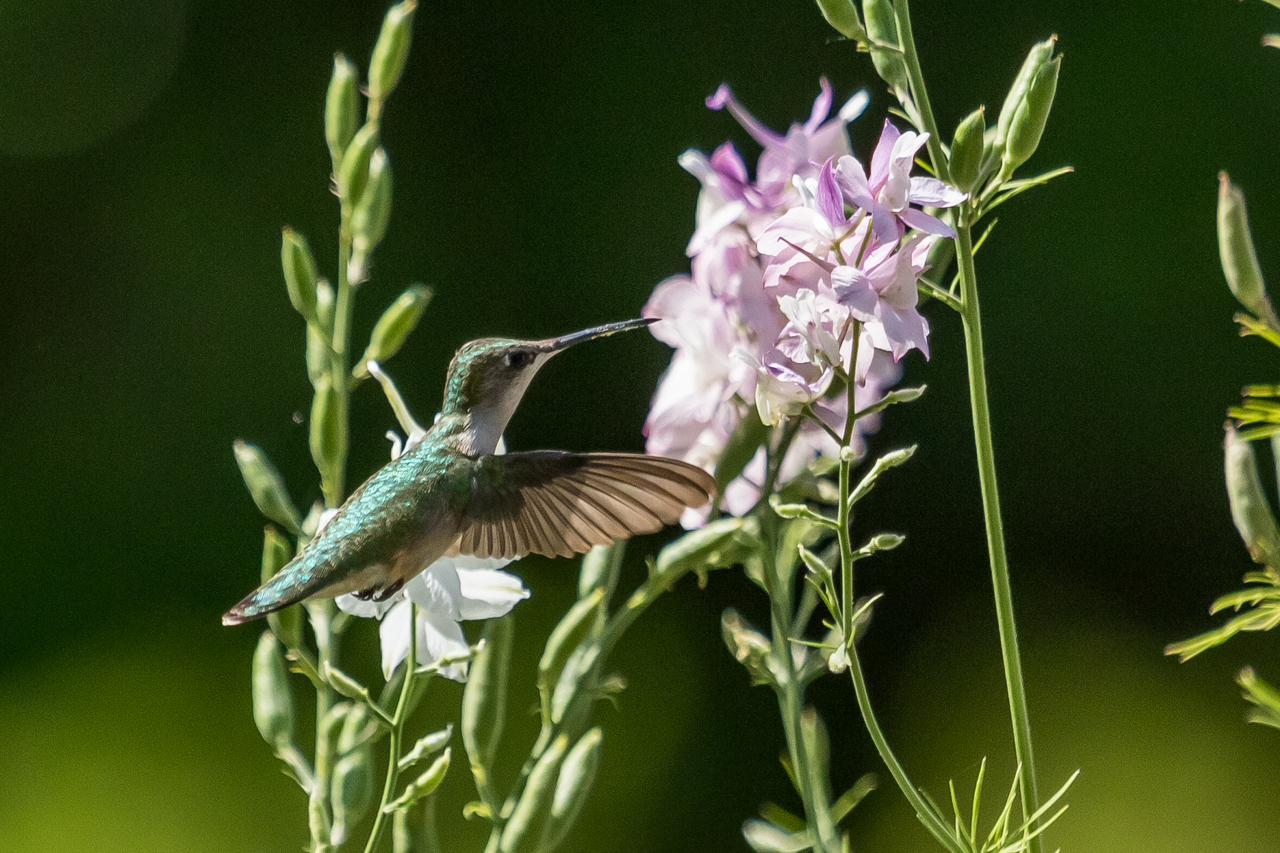
As these tiny travelers move through the landscape, they remain largely invisible to the casual observer. Yet, their journey is a testament to the resilience of one of the world’s smallest avian species. For those who catch a glimpse of a Ruby-throated Hummingbird hovering at a flower or feeder this month, it is worth remembering that the visitor is not merely passing through a garden; it is participating in an ancient, perilous, and awe-inspiring migration that defines the rhythm of the North American autumn. Protecting the habitats that facilitate this journey ensures that the cycle continues for generations to come.

