


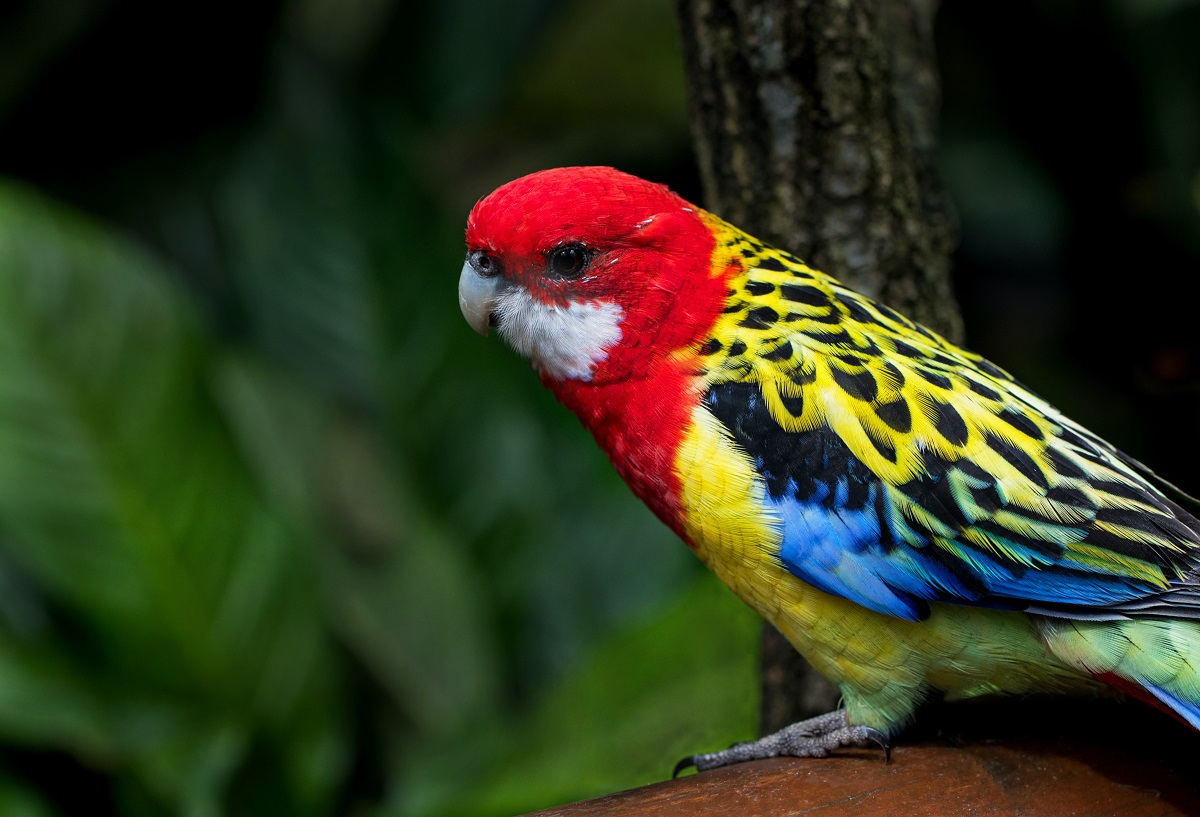
The avian kingdom is home to countless species known for their brilliant plumage, but few match the striking coloration of the eastern rosella, scientifically classified as Platycercus eximius. Native to the southeastern regions of Australia, this medium-sized parrot has captured the attention of ornithologists, agriculturalists, and pet enthusiasts alike. Despite its modest proportions—averaging roughly 30 centimeters in length and weighing a mere 100 grams—the eastern rosella is remarkably conspicuous in its natural environment. Characterized by a vibrant red head and chest, pristine white cheeks, a yellow-green belly, and intricately scalloped wing feathers, the species is a masterclass in natural design.
As global ecosystems face unprecedented changes, the eastern rosella presents a fascinating case study in avian adaptability. While many native Australian wildlife species struggle with habitat fragmentation and agricultural expansion, the eastern rosella has managed to thrive, shifting its ecological niche to coexist with human developments. This report examines the natural history, physical characteristics, geographical distribution, diet, agricultural impact, and domestic maintenance of the eastern rosella, providing a comprehensive assessment of a bird that is simultaneously celebrated as an ecological marvel and reviled as an agricultural pest.
Taxonomy, Physical Characteristics, and Morphological Variations
The eastern rosella belongs to the genus Platycercus, a group commonly referred to as broad-tailed parrots. Adult birds typically reach a length of 12 inches (30 cm) and maintain a lightweight frame of approximately 100 grams. Their plumage is exceptionally complex: a vivid red crown, face, and upper breast; contrasting white cheek patches; a gradient yellow-green lower belly; a green back; and deep blue undertails complemented by a long blue-green tail structure.
Sexual dimorphism in mature eastern rosellas is subtle. While males generally display slightly larger heads, more vivid coloration, and broader beaks, visual sexing remains unreliable until the birds have completed their first post-fledging molt, which typically occurs between two and six months of age. Juveniles are easily distinguished by their muted color palettes and soft, yellowish bills, which transition to the ivory-white of adulthood as they mature.
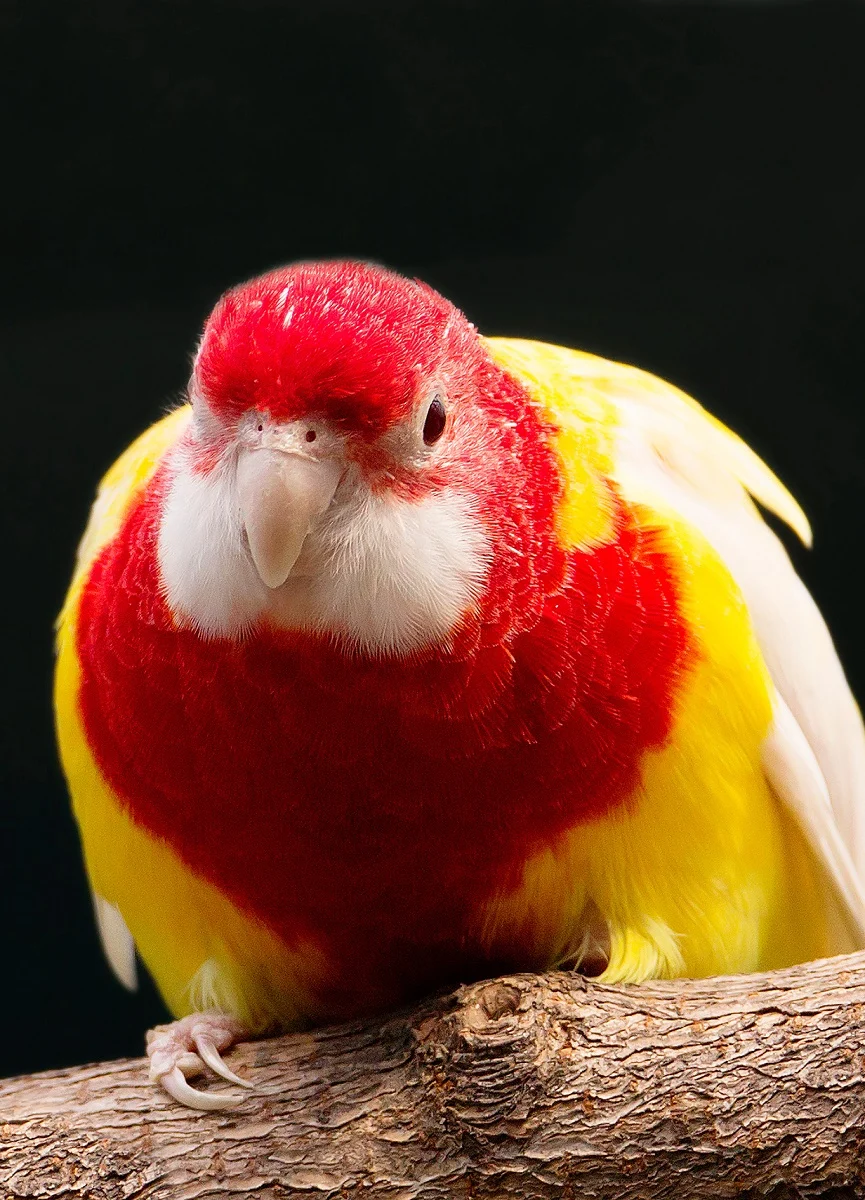
In addition to the nominate species, three distinct subspecies of Platycercus eximius are recognized across varying geographic locales, each exhibiting minor variations in coloration and size. Furthermore, selective breeding programs within the avicultural community have introduced striking color mutations. Among the most popular is the "Rubino" morph, which replaces the standard dark pigmentation with a luminous combination of red, yellow, and white, entirely eliminating blue, green, and black melanin expressions.
Natural hybridization is another notable phenomenon within the genus. Where the ranges of the eastern rosella overlap with related species such as the crimson rosella (Platycercus elegans) or the pale-headed rosella (Platycercus adscitus), interbreeding occurs. These hybrid offspring often display unique, intermediate plumage patterns that frequently intrigue field ornithologists and birdwatchers.
Geographical Distribution and Natural Habitat
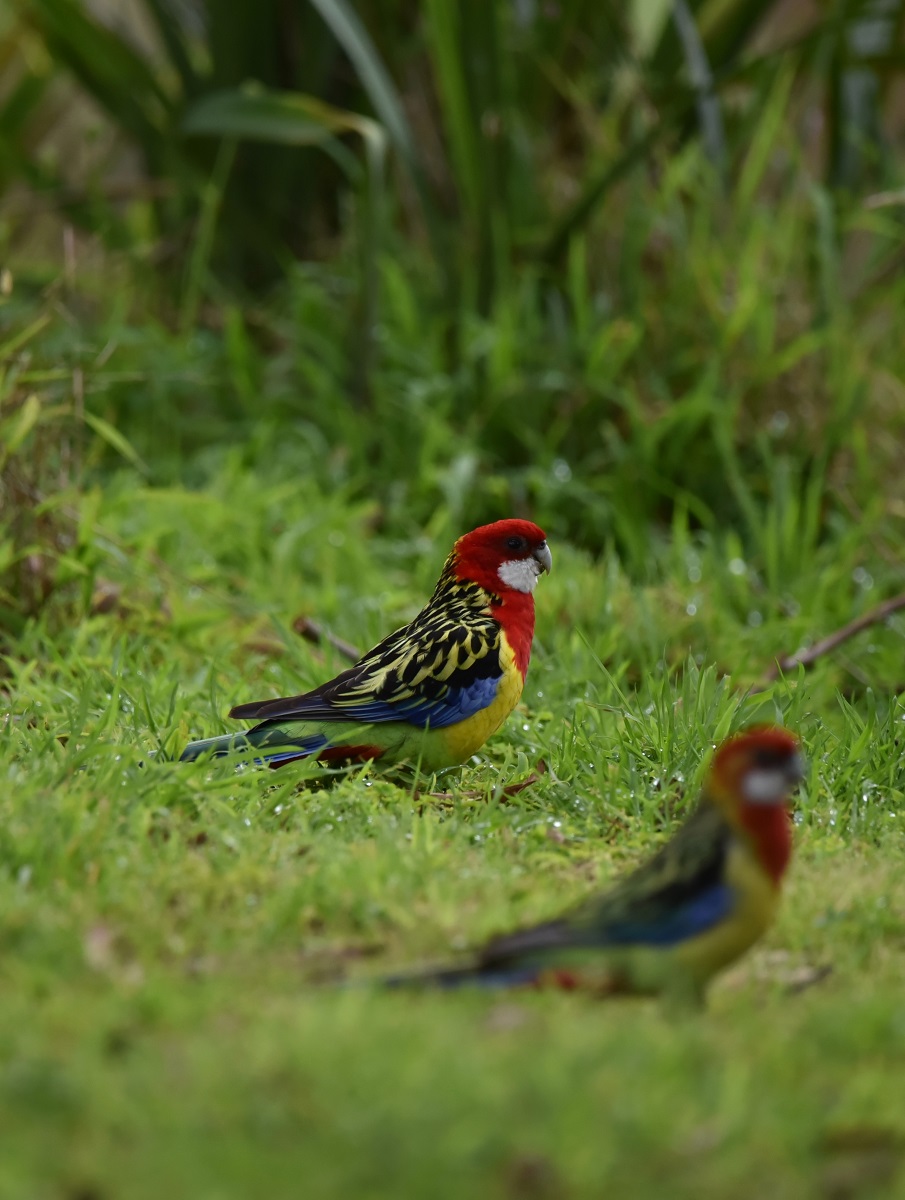
The native range of the eastern rosella spans the southeastern quadrant of the Australian continent, encompassing New South Wales, Victoria, Tasmania, and parts of southeastern South Australia. Within these regions, the species demonstrates a strong preference for lightly wooded environments, including open eucalyptus forests, forest edges, riparian zones, and rural farmlands. They are commonly observed at elevations up to 1,250 meters (4,100 feet), provided there is adequate access to freshwater sources.
Beyond its Australian homeland, the eastern rosella is notable for establishing thriving feral populations in New Zealand. Introduced during the late 19th and early 20th centuries—largely through accidental escapes from captivity and unauthorized or abandoned imports—these populations have successfully colonized regions around Dunedin and the North Island.
In the wild, eastern rosellas are gregarious animals, typically moving in pairs or small family groups. During non-breeding periods, these groups may congregate into larger flocks, occasionally foraging alongside other native parrot species. Like the vast majority of psittacines, they are cavity nesters, relying on the natural hollows of mature trees—particularly eucalyptus species—to rear their young.
Conservation Status and Agricultural Conflict
According to the International Union for Conservation of Nature (IUCN) Red List, the eastern rosella is classified as a species of Least Concern. Current population assessments indicate a stable or even increasing trend across its primary range. Ironically, this demographic success is largely attributable to anthropogenic environmental modification. The large-scale clearance of dense native forests for agricultural development has inadvertently benefited the species, providing expansive grasslands rich in introduced weed seeds and cultivated cereal crops.
However, this ecological overlap has placed the eastern rosella on a direct collision course with the agricultural sector. For decades, fruit growers and grain farmers in eastern Australia have regarded the species as a persistent agricultural pest. Eastern rosellas are notorious for raiding orchards to feed on ripening stone fruits, apples, and berries, as well as consuming newly sown cereal crops such as maize and wheat.
The economic implications of these raids have led to prolonged tensions between conservationists and the farming community. While the eastern rosella is protected under Australian federal and state wildlife legislation, agricultural departments frequently issue specialized permits allowing farmers to cull rosellas under strict conditions. These permits are generally issued only when growers can scientifically demonstrate significant economic hardship and the failure of non-lethal deterrents, such as netting or acoustic scare devices. Environmental advocates continue to push for wildlife-friendly certification labels, helping consumers identify agricultural products harvested using humane, non-lethal pest management strategies.
Dietary Ecology: Wild Foraging Versus Captivity
The nutritional requirements of the eastern rosella reflect its evolutionary adaptation to an open-country seed-and-fruit diet. Field studies conducted by ornithologists indicate that wild eastern rosellas feed primarily on the seeds of grasses and herbaceous weeds, with a marked preference for thistle seeds. Their diet is heavily supplemented by seasonal fruits, berries, flower buds, blossoms, and occasionally insects and larvae, which provide essential proteins during the breeding cycle.
Translating this diverse dietary spectrum into a captive environment requires careful consideration by aviculturists and pet owners. Modern avian veterinary medicine strongly advises against maintaining eastern rosellas on a monotonous, seed-only diet, which frequently leads to hepatic lipidosis (fatty liver disease) and nutritional deficiencies.
Instead, a balanced captive diet should be anchored by high-quality commercial pellets formulated specifically for small- to medium-sized parrots. This base should be supplemented daily with fresh, bird-safe vegetables—such as leafy greens, carrots, and bell peppers—and fruits offered two to three times a week. Additional nutritional enrichment can be achieved by providing sprouted seeds, cooked whole-grain pasta, brown rice, and occasional protein sources such as hard-boiled eggs or freeze-dried mealworms. Foraging for safe, pesticide-free wild weeds, dandelions, and untreated native tree branches also provides critical mental and physical stimulation.
Aviculture and Domestic Maintenance
As companion animals, eastern rosellas have carved out a distinct niche. While they are occasionally kept as indoor pets, they are more frequently housed in large outdoor aviaries. This preference stems in part from their independent disposition and territorial nature. Unlike social flock birds such as budgerigars or cockatiels, eastern rosellas can be fiercely defensive of their territory and may become aggressive if forced into close quarters with other species.
When properly socialized from a young age, however, a captive eastern rosella can make an engaging, intelligent, and visually striking indoor companion. They are renowned for their playful curiosity and active demeanor. Unlike many larger parrots, eastern rosellas are relatively quiet. Their vocalizations generally consist of soft whistles, musical chatter, and pleasant chirps rather than the piercing, disruptive flock calls characteristic of larger macaws or cockatoos, making them potentially suitable for apartment living, provided building regulations permit avian pets.
Housing and Environmental Enrichment
For indoor or aviary maintenance, housing dimensions are critical. Avian welfare standards dictate that an eastern rosella enclosure must be as spacious as possible, with a minimum horizontal flight length of one meter (40 inches) to allow the bird to stretch its wings and perform short flights. Bar spacing must not exceed 1.25 centimeters (0.5 inches) to prevent accidental entrapment or escape.
The enclosure must be furnished with a diverse array of natural wood perches of varying diameters to promote foot health, alongside stainless steel feeding dishes and clean water stations. Because eastern rosellas possess high cognitive faculties, environmental enrichment is paramount to prevent chronic boredom and stress-induced behavioral pathologies, such as feather-pitting or self-plucking.
Owners utilize puzzle toys, foraging boxes filled with crinkle paper and hidden seeds, and rotating perches to maintain psychological engagement. Because these birds are naturally inquisitive and physically fragile, any room designated for out-of-cage free flight must undergo rigorous "parrot-proofing"—including the elimination of toxic house plants, the covering of open windows and mirrors, and the securing of electrical cords.
Vocalization and Human Imitation
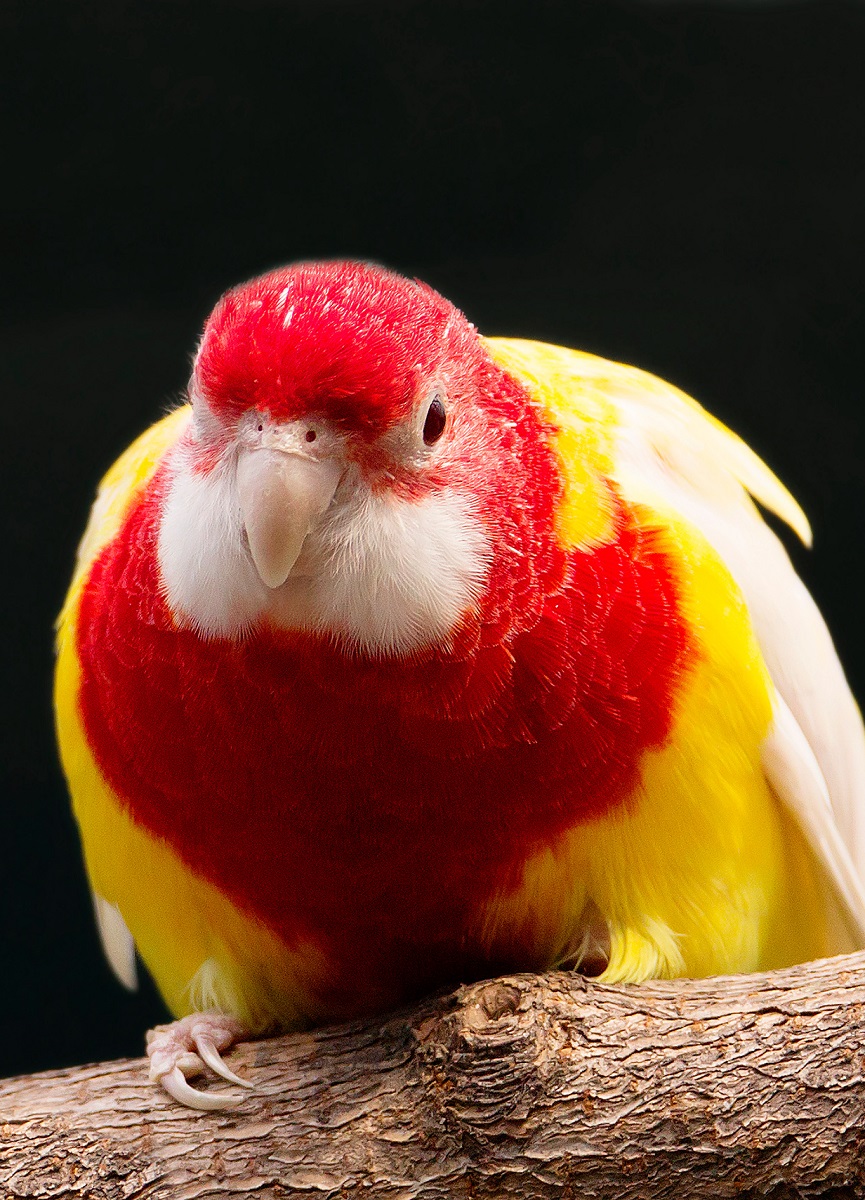
While eastern rosellas are not classified among the premier talkers of the psittacine world—such as the African grey parrot or the budgerigar—they do possess vocal learning capabilities. With consistent, patient interaction and positive reinforcement training, some individuals can learn to mimic common household noises, melodies, or a modest vocabulary of spoken words. However, prospective owners are advised to appreciate the species primarily for its natural aesthetic beauty and independent charm rather than its conversational potential.
Conclusion
The eastern rosella remains one of Australia’s most enchanting avian representatives. Balancing a delicate line between agricultural pest and treasured aviary icon, Platycercus eximius exemplifies the resilience of wildlife in human-altered landscapes. Whether observed darting through an open eucalyptus woodland in New South Wales, managing an orchard in Victoria, or gracing a specialized aviary in a suburban home, this radiant parrot continues to demand respect, careful conservation management, and dedicated stewardship.

