


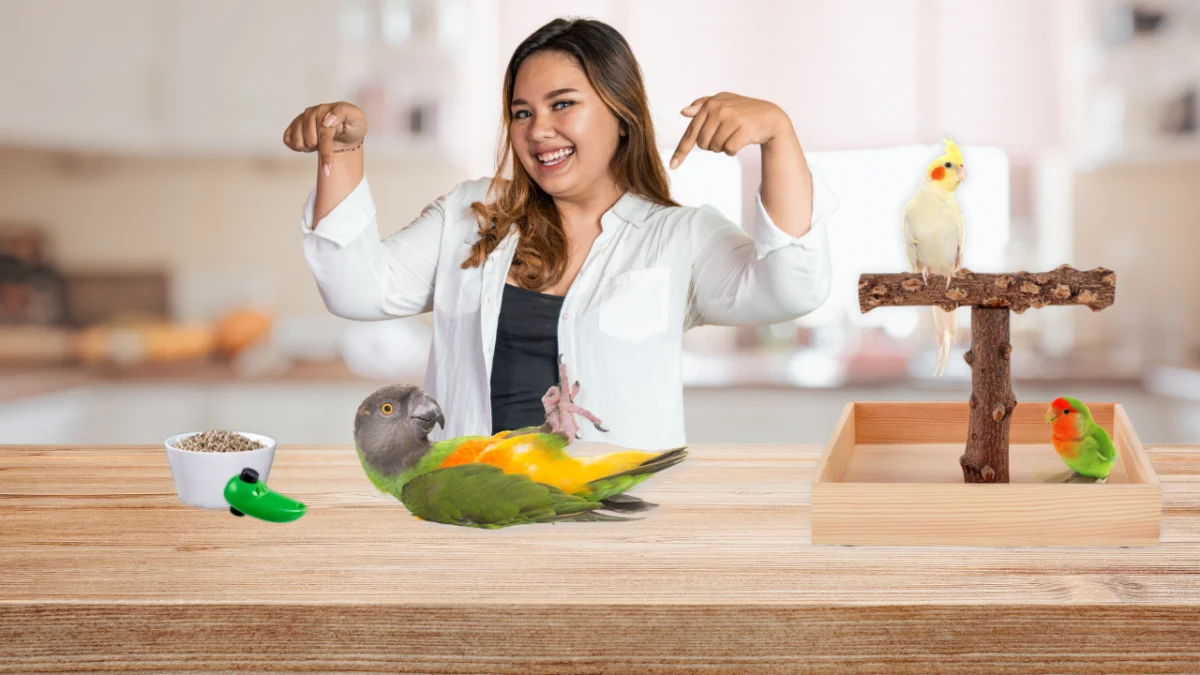
Parrots, long admired for their vibrant plumage and remarkable vocal mimicry, are increasingly recognized by the scientific community as one of the most intelligent animal groups on the planet. Far from mere imitators, these birds possess sophisticated cognitive abilities that rival, and in some cases, exceed those of many mammals. Understanding and nurturing this intelligence is not only crucial for their well-being but also unlocks a deeper, more rewarding relationship between parrots and their human companions. This article explores the scientific basis of parrot intelligence and outlines seven research-backed strategies, complete with a practical four-week plan, designed to enhance their cognitive function and overall quality of life.
The Scientific Foundations of Parrot Cognition
Recent scientific inquiry has revolutionized our understanding of avian intelligence, placing parrots at the forefront of comparative cognition research. Studies have revealed that parrots possess a brain structure analogous to the mammalian prefrontal cortex, known as the nidopallium caudolaterale. This region is critical for executive functions such as decision-making, memory, and problem-solving, explaining their capacity for complex behaviors like tool use (Bastos et al., 2023) and strategic foraging.
Remarkably, despite their relatively smaller brain size compared to primates, parrots exhibit a higher density of neurons in their forebrains (Olkowicz et al., 2016). This compact neural architecture allows for efficient processing and learning, contributing to their impressive cognitive feats. Research also highlights the sophisticated telencephalic-midbrain-cerebellar circuit in parrots, a neural pathway strikingly similar to those found in primates, which underpins their advanced motor control and cognitive abilities (Gutiérrez-Ibáñez et al., 2018). Furthermore, studies on species like the African Grey Parrot have demonstrated capabilities in abstract reasoning, numerical cognition, and even understanding conceptual categories, pushing the boundaries of what was once thought possible for non-human animals (Pepperberg & Hartsfield, 2023).
This profound intelligence means that parrots require more than just basic sustenance and shelter; they demand regular mental stimulation to thrive. Without consistent intellectual engagement, parrots are susceptible to a range of behavioral issues stemming from boredom and frustration, including feather plucking, excessive screaming, aggression, and destructive chewing. Avian veterinarians and behaviorists consistently emphasize that environmental enrichment and cognitive challenges are paramount for preventing and mitigating such problem behaviors, fostering emotional stability and psychological well-being.
Strategies for Enhancing Parrot Intelligence
Cultivating a stimulating environment for parrots involves a multifaceted approach that addresses their natural instincts and cognitive needs. The following strategies are designed to provide comprehensive enrichment, promoting a sharper mind and a happier bird.
1. Cultivating a Puzzle-Filled Environment Through Foraging
In their natural habitats, parrots dedicate a significant portion of their day, often up to six hours, to the intricate task of foraging for food. This activity is not merely about sustenance; it is a complex cognitive exercise involving problem-solving, spatial memory, and dexterity. In a domestic setting, where food is typically provided in a static bowl, this crucial mental stimulation is often absent.
Introducing foraging toys transforms mealtime into an engaging brain game. These toys range from simple paper cups concealing treats to intricate multi-chambered puzzles requiring twisting, shredding, or flipping mechanisms. The process of extracting food from these devices directly taps into a parrot’s innate drive, compelling them to think, manipulate, and persevere for their reward. Owners can gradually increase the difficulty, starting with easily accessible treats and progressing to more challenging puzzles, ensuring continuous cognitive growth without frustration. Rotating toys weekly also maintains novelty, preventing habituation and sustaining interest. Storing unused toys with bird-safe herbs like chamomile or lavender can add an olfactory dimension, further refreshing the experience upon reintroduction.
2. Implementing Structured Learning Through Clicker Training
Clicker training is a highly effective, force-free method of positive reinforcement that harnesses a parrot’s intelligence and natural learning processes. This technique involves pairing a distinct sound (the click) with an immediate, high-value reward, signaling to the bird that it has performed the desired action correctly. The click acts as a precise marker, allowing the parrot to clearly associate its behavior with a positive outcome, thus encouraging repetition.
The neurological basis of clicker training involves the release of dopamine in the bird’s brain upon successful completion of a task, reinforcing the learning pathway. This method not only teaches specific behaviors but also significantly enhances a parrot’s cognitive flexibility, problem-solving skills, and focus. Short, frequent training sessions (3-5 minutes) are most effective, always ending on a positive note. Simple foundational behaviors like "target training" (touching a specific object with their beak), "step up," and "spin" can build confidence and provide a mental workout. Beyond tricks, clicker training is invaluable for cooperative care behaviors, such as stepping onto a scale for weight checks or allowing nail trims, reducing stress for both bird and owner. It also serves as a powerful tool for emotional wellness, providing purpose and a sense of control, which can be particularly beneficial for anxious or rehomed birds.
3. Optimizing Brain Health Through a Nutrient-Rich Diet
Just as with humans, a parrot’s cognitive function is inextricably linked to its nutritional intake. A balanced diet provides the essential building blocks and energy required for optimal brain development, memory, focus, and mood regulation. Key nutrients for avian brain health include:
- Omega-3 Fatty Acids: Particularly DHA and EPA, found in sources like hemp, flax, and chia seeds, are crucial for brain tissue development and reducing inflammation.
- B Vitamins: Abundant in leafy greens, whole grains, and certain vegetables, B-complex vitamins (B6, B12, folate) are vital for neurotransmitter synthesis and nerve function.
- Antioxidants: Found in colorful fruits and vegetables (e.g., berries, sweet potatoes, bell peppers), antioxidants protect brain cells from oxidative stress.
- Choline: Essential for memory and cognitive function, found in eggs and some grains.
Incorporating chop (a finely diced mixture of fresh vegetables, fruits, grains, and legumes) and sprouts into the daily diet is an excellent way to provide a wide spectrum of these nutrients. The variety in chop keeps meals exciting, while sprouts offer live enzymes and concentrated vitamins. Supplements like FeatherUp multivitamin can bridge nutritional gaps, especially during periods of stress, molting, or aging. Additionally, specialized supplements such as OmegaGlow, rich in plant-based fats, or SereniTea Calming Herbs, which can support mood balance, contribute to a holistic approach to brain and overall wellness.
4. Facilitating Safe Adventures and Environmental Exploration
Confinement to a single indoor environment deprives parrots of the rich sensory input that is fundamental to their cognitive development and emotional well-being in the wild. Safely introducing them to new environments stimulates their senses and provides novel challenges for their brains to process.
- Harness Training and Outdoor Walks: With proper training, a well-fitted harness allows supervised outdoor excursions, exposing birds to varied sights, sounds, and smells. This can include walks in a quiet park, short hikes, or simply sitting on a porch.
- Travel Carriers: For birds not accustomed to harnesses, a secure travel carrier like the Pak O Bird Backpack Carrier offers a safe viewing platform for car rides or outdoor patio time.
- Natural Light and Sound: Exposure to natural sunlight is vital for Vitamin D synthesis, which is crucial for calcium absorption, immune function, and mood regulation. The sounds of nature—rustling leaves, distant bird calls—provide auditory enrichment and opportunities for mimicry. When outdoor access is limited, full-spectrum avian lighting and playing nature soundtracks can partially replicate these benefits.
Safety is paramount during any outdoor adventure. This includes careful harness fitting, vigilant supervision to protect against predators and sudden environmental changes, and ensuring the bird has access to shade and water. Gradually introducing new experiences prevents overwhelming the bird, turning potential stressors into enriching explorations.

5. Empowering Parrots Through Choice and Autonomy
Parrots are highly intelligent and sentient beings that benefit immensely from having a sense of agency and control over their environment. Providing opportunities for choice fosters confidence, reduces anxiety, and strengthens the human-animal bond, aligning with principles of force-free training.
- "Yes Spaces": Designating specific areas where a parrot can explore, chew, climb, and forage without constant correction—a "yes space"—is crucial. This might be a tabletop play stand with bird-safe shreddables, natural branches, and varied toys. Such spaces encourage independent thinking and natural behaviors without the stress of being told "no."
- Offering Choices: Simple daily choices, such as selecting a toy, a perch, or even whether to engage in a training session ("Do you want to do target training or spin today?"), empower the bird. Respecting their "no" or "not right now" reinforces trust and establishes a partnership rather than a dominance dynamic. This autonomy is particularly beneficial for shy or rehomed birds who may have experienced a lack of control in the past. These moments of choice demonstrate that their preferences are acknowledged and valued, leading to a calmer, more curious, and emotionally secure companion.
6. Establishing Brain-Boosting Routines
While novelty is essential for mental stimulation, a predictable daily routine provides parrots with a sense of security and stability, which is foundational for learning and emotional balance. Within this stable framework, intentional variations can be introduced to keep their minds engaged.
- Predictable Patterns: Consistent schedules for feeding, playtime, training, and sleep help parrots understand what to expect, reducing anxiety and making them more receptive to learning. For instance, a routine might include morning chop, midday foraging, and evening calm play or training.
- Weekly Enrichment Themes: To prevent boredom within a routine, implementing weekly themes can introduce structured variety. One week could focus on "foraging challenges," another on "new textures," followed by "training games," or "sound play." This approach ensures different cognitive areas are stimulated without overwhelming the bird or the owner.
- Morning and Evening Boosts: Strategic placement of enrichment activities at the beginning and end of the day can maximize their impact. Mornings are ideal for nutrient-rich meals with sprout toppers or supplements to energize the brain. Evenings can involve calming puzzle toys or short, low-stress training sessions to wind down, supported by consistent dimming of lights and cage covering for quality sleep, which is vital for memory consolidation and emotional regulation.
7. Implementing a 4-Week Cognitive Enhancement Program
To put these strategies into action, a structured plan can guide owners through a progressive enrichment journey, ensuring consistent and varied mental stimulation.
- Week 1: Foraging Fundamentals. Begin by introducing 1-2 new foraging toys, starting with simple designs where treats are easily accessible. Utilize DIY options like paper cups or cardboard tubes with hidden favorite snacks. Scatter pellets or sprouted seeds in a designated play area to encourage natural ground foraging. The goal is to ignite curiosity and demonstrate that working for food is rewarding.
- Week 2: Trick Training Immersion. Transition to basic clicker training, dedicating 5-minute sessions daily. Focus on foundational behaviors such as targeting, spinning, or stepping up on cue. Use a clicker paired with a high-value treat to mark success, building the bird’s confidence and reinforcing the positive association with learning. Owners new to clicker training can consult comprehensive guides for step-by-step instructions.
- Week 3: Sensory Exploration. This week emphasizes engaging all the bird’s senses. Introduce novel textures (e.g., vine balls, palm leaf shredders), visual stimulation (e.g., rotating toys, reflective surfaces), and auditory enrichment (e.g., bell toys, natural sounds, classical music). Consider hanging a bird-safe branch from outdoors for tactile exploration. Adding calming support like SereniTea Calming Herbs or offering a foot-soaking bowl can enhance the sensory experience.
- Week 4: World Exploration and Integration. With a foundation of mental engagement, it’s time to safely venture further. Initiate short harness walks, allow supervised time on a front porch, or take short car rides in a secure travel carrier, providing new sights, sounds, and smells. Review the activities from previous weeks, identifying the bird’s favorites, and integrate them into an ongoing, flexible enrichment routine. The journey of enrichment is continuous, adapting to the bird’s preferences and evolving needs.
Conclusion
The intelligence of parrots is a profound aspect of their nature, demanding a comprehensive and intentional approach to their care. By understanding the sophisticated cognitive architecture of these birds and implementing research-backed enrichment strategies, owners can significantly enhance their parrots’ mental acuity, emotional well-being, and overall quality of life. From creating a stimulating foraging environment and engaging in positive reinforcement training to providing brain-boosting nutrition and opportunities for safe exploration and autonomy, each effort contributes to unlocking their full potential. The ultimate outcome is a healthier, happier, and more deeply bonded feathered companion, enriching the lives of both bird and human.
Responsible parrot ownership increasingly involves recognizing and nurturing their complex intellectual needs, transforming basic care into a dynamic partnership centered on cognitive growth and mutual understanding.
References:
- Bastos, A. P. M., Mioduszewska, B., Uomini, N., Laland, K. N., & Auersperg, A. M. I. (2023). Crowdsourcing and phylogenetic modelling reveal parrot tool use is not rare [Preprint]. bioRxiv. https://doi.org/10.1101/2023.08.14.553302
- Benedict, L., Patel, M., Miles, J., & Furlong, M. (2022). A survey of vocal mimicry in companion parrots. Scientific Reports, 12, 21533. https://doi.org/10.1038/s41598-022-24335-x
- Gutiérrez-Ibáñez, C., Iwaniuk, A. N., & Wylie, D. R. (2018). Parrots have evolved a primate-like telencephalic-midbrain-cerebellar circuit. Scientific Reports, 8, 2207. https://doi.org/10.1038/s41598-018-28301-4
- Olkowicz, S., Kocourek, M., Lučan, R. K., Porteš, M., Fitch, W. T., Herculano-Houzel, S., & Němec, P. (2016). Birds have primate-like numbers of neurons in the forebrain. Proceedings of the National Academy of Sciences, 113(26), 7255–7260. https://doi.org/10.1073/pnas.1517131113
- Pepperberg, I. M., & Hartsfield, L. A. (2023). A study of executive function in grey parrots (Psittacus erithacus): Experience can affect delay of gratification. Journal of Comparative Psychology. https://doi.org/10.1037/com0000361
- Wirthlin, M., Chang, E. F., Guo, J. U., et al. (2018). Parrot genomes and the evolution of heightened longevity and cognition. Current Biology, 28, 4001–4008.e7. https://doi.org/10.1016/j.cub.2018.10.050

