


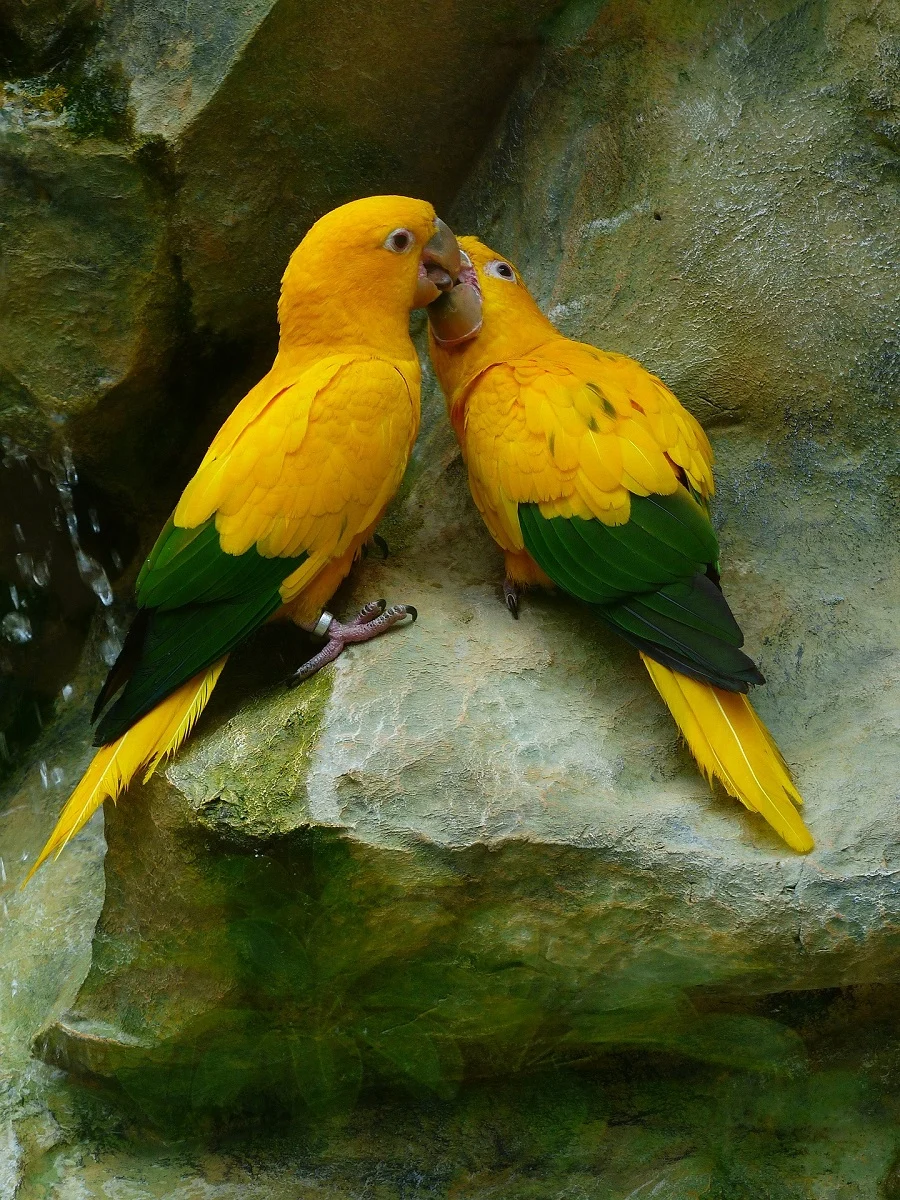
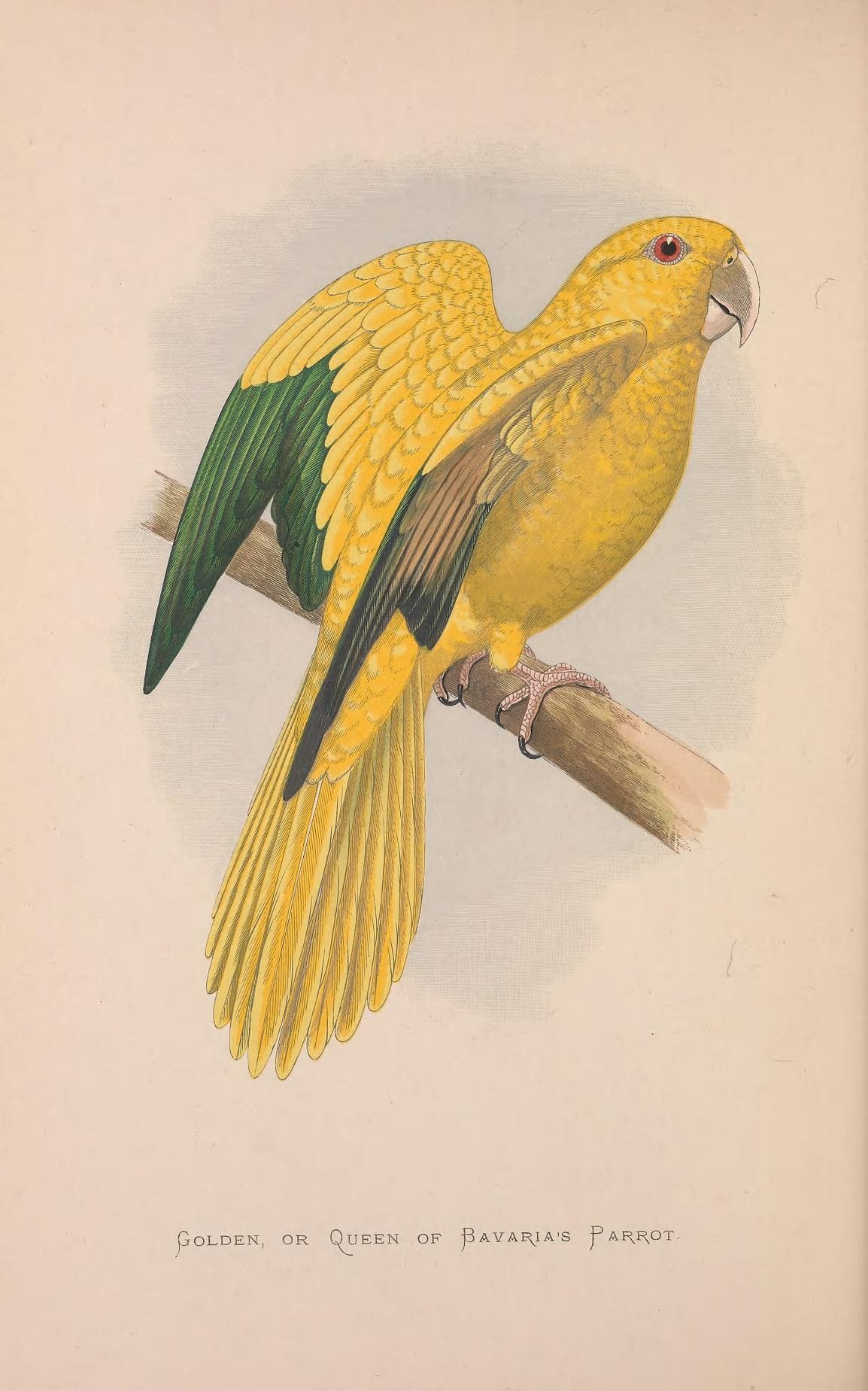
The Golden Conure, a dazzling avian spectacle often hailed as the "Queen of Bavaria" or the Golden Parakeet, stands as one of the most visually striking members of the entire parrot family, captivating enthusiasts with its vibrant, uniformly golden plumage. This detailed exploration delves into the multifaceted aspects of Guaruba guarouba, from its unique biological characteristics and precarious existence in its native Amazonian habitat to the intricate considerations for its responsible care as a cherished companion animal.
Unveiling the Golden Conure: Description and Distinctive Traits
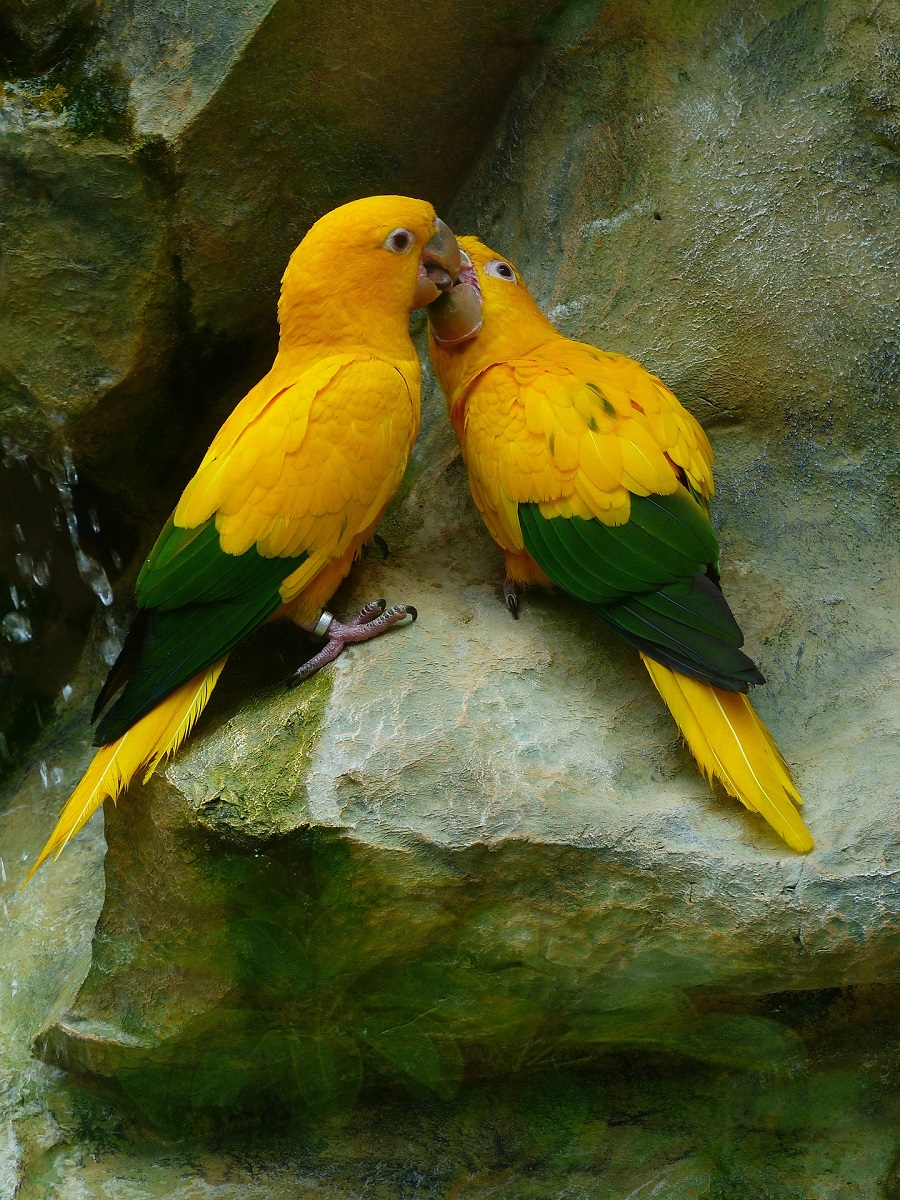
At first glance, the Golden Conure (scientific name: Guaruba guarouba) is unmistakable. It is the sole species within its genus, Guaruba, a testament to its distinctive evolutionary path. This medium-sized parrot typically reaches lengths of up to 14 inches (35 cm) and weighs an average of 250 grams, presenting a substantial yet elegant figure. Adults are characterized by their brilliant yellow body feathers, which cover nearly their entire form, contrasting sharply with the dark green primary flight feathers visible at the wing tips. Young birds, however, exhibit a more mottled appearance, displaying a greater presence of green, particularly on the wings, and often speckled across the back and head, a pattern that gradually recedes with maturity. A prominent, horn-colored beak completes their regal appearance. A notable characteristic for potential owners is the absence of sexual dimorphism; distinguishing between male and female Golden Conures requires a DNA test, as visual cues are entirely lacking. Their impressive lifespan, often extending up to 30 years in captivity, underscores the significant long-term commitment required for their care.
The Dynamic Taxonomy of Guaruba guarouba
The scientific classification of parrots, often a complex and evolving field, illustrates humanity’s ongoing quest to understand biodiversity. The Golden Conure is a prime example of a species whose taxonomic journey has been particularly dynamic. Initially classified under Conurus, then Eupsittula, and subsequently Aratinga, its classification has undergone several revisions as scientific understanding improved. For a considerable period, ornithologists suspected that the Golden Conure possessed unique characteristics warranting its own genus. This suspicion was formally validated when ornithologist Joseph Forshaw, in his influential 2006 guide "Parrots of the World," listed it as Guaruba guarouba. This classification has since been robustly supported by phylogenetic studies, which analyze genetic relationships between species. A landmark 2006 article in Systematic Biology, for instance, presented compelling evidence that Guaruba is more closely related to the red-shouldered macaws of the genus Diopsittaca than to the Aratinga conures, thereby solidifying its distinct generic status. This continuous refinement in taxonomy is not merely an academic exercise; it plays a crucial role in conservation efforts, ensuring that species are correctly identified and their unique evolutionary lineages preserved.
Natural Realm: Habitat, Range, and Ecological Insights
The Golden Conure’s natural range is confined exclusively to the lush, biodiverse expanse of the Brazilian Amazon Basin, primarily within the state of Pará, with potential extensions into neighboring Maranhão. Within this vast tropical ecosystem, these parrots exhibit a distinct preference for dry lowland (terra firme) forests, characterized by their stable ground and diverse tree species. However, they are also observed venturing into seasonally flooded areas (várzea), showcasing a degree of adaptability to different forest types within their limited range.
Observation of wild populations has revealed that Golden Conures are quite nomadic, a behavioral trait likely influenced by seasonal food availability and breeding cycles. During the breeding season, it has been noted that these birds often depart the dense jungle interiors, preferring less dense, more open forest zones. This migratory pattern may facilitate access to specific nesting sites or food sources vital for chick rearing.
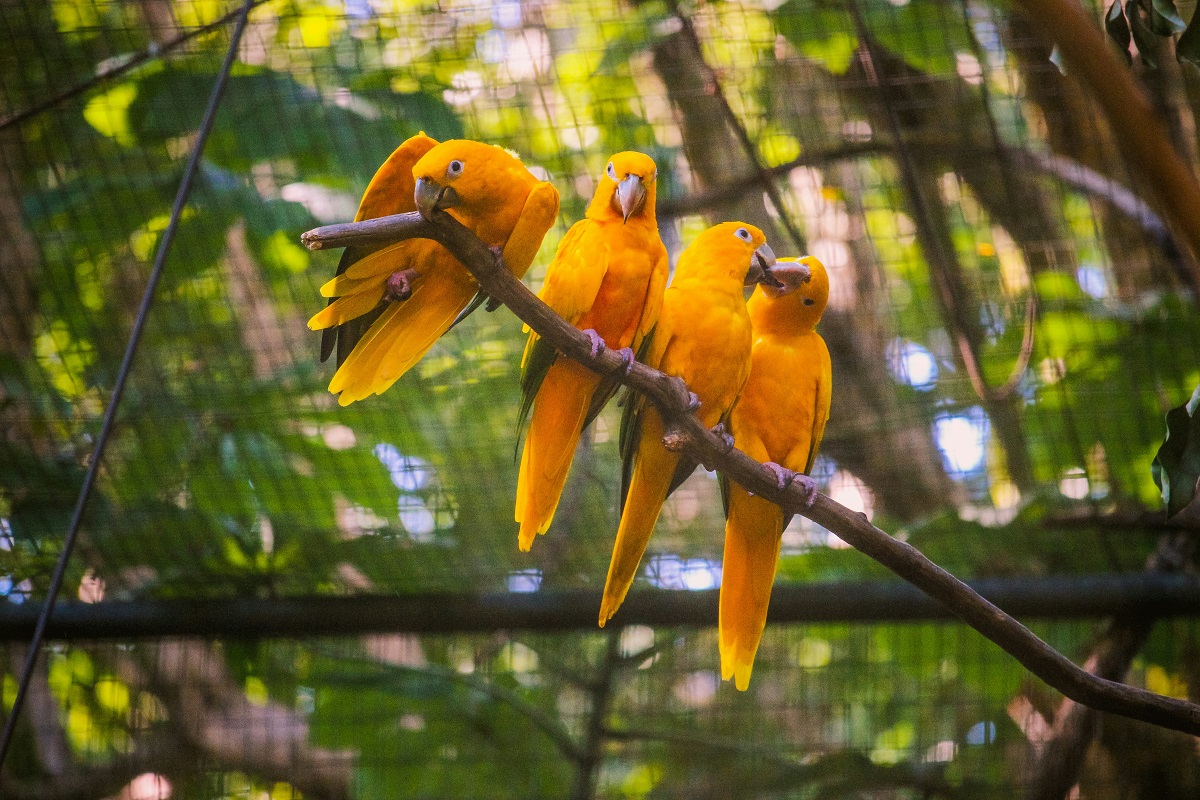
One of the most fascinating ecological aspects of the Golden Conure is its communal nesting behavior. Unlike many other parrot species, multiple female Golden Conures frequently lay their eggs within the same nest cavity, typically found in relatively isolated hollow trees. These cavities are sometimes enlarged from those previously used by other species. This cooperative breeding strategy can result in remarkably large clutches, sometimes containing ten or more eggs. While the precise evolutionary advantages of communal nesting are still under study, it is hypothesized that it could offer benefits such as enhanced protection against predators, shared incubation duties, or more efficient resource utilization for raising young.
Culturally, the Golden Conure holds significant value for indigenous populations in Brazil, who refer to it as "Ararajuba." Beyond its aesthetic appeal for the pet trade, its vibrant golden feathers have historically been highly prized for ceremonial purposes and adornment. Historical accounts even mention instances where other conure species were dyed yellow to imitate the Ararajuba, fetching higher prices in local animal markets, underscoring the species’ revered status and the unfortunate human pressures it has faced.
The Shadow of Vulnerability: Conservation Status and Threats
Despite its striking beauty and ecological uniqueness, the Golden Conure faces a perilous future. The International Union for Conservation of Nature (IUCN) Red List classifies Guaruba guarouba as a "Vulnerable" species, indicating a high risk of extinction in the wild. This designation reflects a significant decline in its population, driven primarily by anthropogenic factors.
Historically, trapping for the exotic animal trade posed a severe threat, decimating wild populations. While robust international regulations, such as its listing on CITES Appendix I, and increased awareness have somewhat curtailed illegal trapping in recent decades, it remains a persistent, albeit reduced, concern. The primary and most pervasive threat today is the rapid destruction and fragmentation of its natural habitat. The Brazilian Amazon, a global biodiversity hotspot, is under immense pressure from deforestation driven by agricultural expansion (particularly cattle ranching and soy cultivation), illegal logging, mining operations, and infrastructure development. These activities not only eliminate vast swathes of forest but also fragment the remaining patches, isolating populations and reducing genetic diversity, making them more susceptible to disease and environmental changes.
Conservation efforts are multi-pronged, involving legal protections, the establishment of protected areas, and captive breeding programs. Its CITES Appendix I listing means international trade in wild-caught Golden Conures is strictly prohibited, and commercial trade in captive-bred specimens requires permits. Protected areas within its range, such as national parks and reserves, offer some sanctuary, but enforcement against illegal activities remains a challenge. Captive breeding programs in zoos and private aviaries worldwide play a crucial role in maintaining a healthy genetic pool and could potentially serve as a source for reintroduction programs in the future, though reintroductions are complex and often face significant hurdles. The ongoing challenge is to balance economic development with the urgent need for biodiversity conservation in one of the world’s most vital ecosystems.
Dietary Needs: From Wild Foraging to Captive Nutrition
Understanding the Golden Conure’s dietary requirements is fundamental to its health and longevity, both in the wild and in captivity.
Wild Diet: In its native Amazonian rainforest, the Golden Conure enjoys a rich and varied diet, reflecting the seasonal abundance of the forest. Scientific studies, such as those published in Diversity, indicate that their diet primarily consists of fruits. Favorite selections include the nutrient-rich fruits of açaí and bacaba palms, as well as the fruits from cashew, ice cream bean (Inga edulis), nance (Byrsonima crassifolia), and locustberry trees. Beyond fruits, they also consume flowers and flower buds, supplementing their diet with nectar and pollen. Like many other intelligent and opportunistic parrot species, Golden Conures are known to raid local farmers’ crops, showing a particular fondness for corn and mango, which can unfortunately lead to conflict with human communities. This natural diet provides a wide spectrum of vitamins, minerals, and macronutrients essential for their health and energy.
Captive Diet: Replicating the diversity and nutritional completeness of a wild diet in a domestic setting is challenging but crucial. The cornerstone of a captive Golden Conure’s diet should be high-quality, formulated parrot pellets. These scientifically developed pellets offer a balanced nutritional profile, addressing the specific needs of psittacines and are generally lower in fat than traditional seed mixes. While seeds can be offered sparingly as treats, an exclusive seed diet is often deficient in essential nutrients and excessively high in fat, leading to various health problems.
To ensure variety and mental stimulation, pellets should be supplemented daily with a wide array of fresh, bird-safe fruits and vegetables. Recommended options include leafy greens (kale, spinach, romaine lettuce), colorful vegetables (carrots, bell peppers, broccoli, sweet potatoes), and various fruits (apples, berries, melon, citrus). It is imperative to avoid foods toxic to parrots, such as avocado, chocolate, caffeine, alcohol, and fruit pits/seeds (excluding parrot-safe seeds like those in bell peppers). Nuts and healthy grains can be offered in moderation. Fresh, clean water must always be available. Presenting food in a foraging context, using puzzle toys or hiding treats, mimics their natural feeding behaviors and provides vital mental enrichment, preventing boredom and encouraging physical activity.
Housing and Environmental Enrichment: Crafting a Thriving Space
Golden Conures are active, intelligent birds that require substantial living space and a stimulating environment to thrive in captivity. Their size and energy levels necessitate more than a standard birdcage.
Housing Requirements: For a single Golden Conure, an enclosure with a minimum width of 40 inches (1 meter) is generally considered adequate, provided the bird receives several hours of supervised out-of-cage time daily. Ideally, a full-sized indoor aviary would be installed, allowing ample space for flight and exercise. Bar spacing should be appropriate to prevent escape or injury, typically around 1 to 1.5 inches for a bird of this size. The cage should be constructed from durable, non-toxic materials.
The interior of the cage is equally important. It should be furnished with a variety of natural wood perches of different diameters to exercise their feet and prevent pressure sores. Platforms, ladders, and swings further enhance the environment. Strategic placement of the cage, avoiding drafts and direct sunlight, is also key. Optimal lighting, including access to full-spectrum UVA/UVB lighting for at least a few hours daily, is vital for vitamin D synthesis and overall well-being.
Enrichment Strategies: Golden Conures, like all parrots, possess high intelligence and a strong social drive. In the wild, they spend their days foraging, interacting with flock members, and navigating complex environments. In captivity, without adequate stimulation, they are prone to boredom, stress, and behavioral issues such as excessive screaming, feather plucking, and aggression.
Enrichment should be a daily, multifaceted endeavor:
- Toys: Provide a rotating selection of parrot-safe toys designed for chewing (natural wood, sisal), shredding (paper, cardboard), puzzle-solving (foraging toys), and preening. Toys should be replaced regularly to maintain novelty.
- Foraging: As mentioned, integrate foraging opportunities into mealtime. Hiding food in toys, paper, or designated foraging boxes encourages natural problem-solving.
- Social Interaction: Golden Conures are highly social and thrive on interaction with their human flock. Daily dedicated playtime, training sessions, and simply being present in the same room are crucial. They often bond with multiple family members.
- Out-of-Cage Time: Supervised time outside the cage is essential for exercise and exploration. This requires "parrot-proofing" any room the bird has access to, removing hazards such as toxic plants, exposed wires, open toilets, and other pets.
- Training: Positive reinforcement training helps build a bond, provides mental stimulation, and facilitates handling for health checks.
- Bathing: Provide regular opportunities for bathing, either through a shallow water dish, a bird bath, or gentle misting, which helps maintain feather health.
Obesity is a common and serious health issue for pet parrots, often linked to an inappropriate diet and lack of exercise. A rich enrichment program, combined with a balanced diet, actively combats boredom and encourages physical activity, thereby promoting overall health and preventing common ailments.
Temperament and Vocalizations: Living with a Golden Conure
The Golden Conure’s temperament is often described as being as bright and engaging as its plumage. While individual personalities vary, these birds generally exhibit a friendly, affectionate, and even-tempered disposition. Unlike some parrot species that may form an exclusive bond with a single individual, Golden Conures are known to be "family birds," readily bonding with multiple members of a household.
They are highly energetic and playful, reveling in interactive games, but also appreciate quiet time spent perching on a shoulder, seeking gentle cuddles. Their sociable nature means they thrive on attention and interaction, making them unsuitable pets for individuals seeking a low-maintenance companion. They are not typically aggressive and are generally good-natured, making them rewarding pets for experienced owners willing to invest the necessary time.
Vocalizations and Speech: While Golden Conures are not as notoriously loud as some Aratinga conures (e.g., Sun Conures), they are by no means quiet birds. Their calls, while not always piercing, are powerful and can be quite loud, especially during excitement, alarm, or when seeking attention. The noise level can vary significantly between individuals, but potential owners must be prepared for a medium to high noise output. Prospective owners are strongly advised to experience the sound levels firsthand, perhaps by visiting a breeder or an owner, before committing to a Golden Conure.
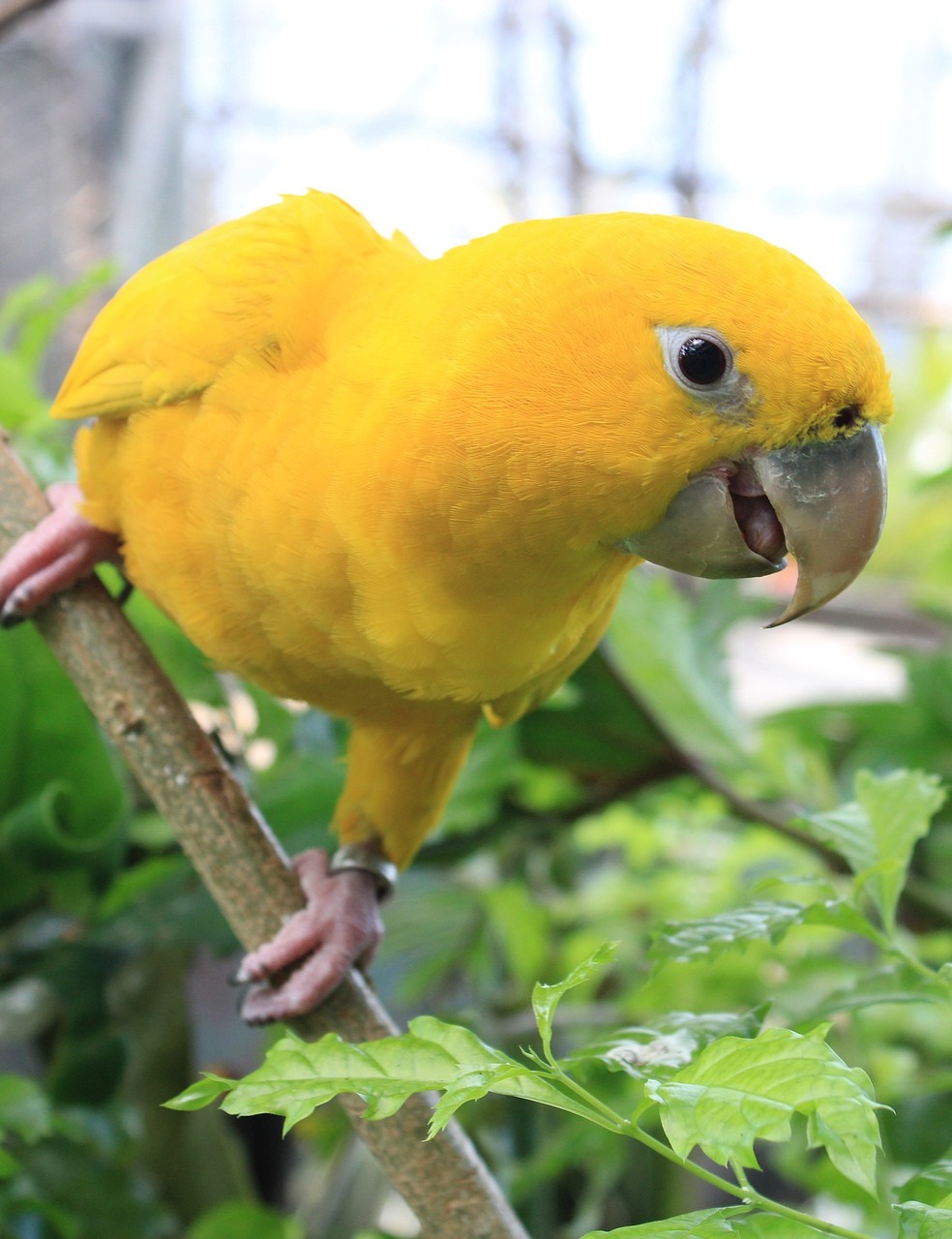
Regarding speech, most parrots possess the remarkable ability to mimic sounds from their environment. However, Golden Conures are not renowned as "champion talkers" like some Amazon parrots or African Greys. They can typically learn a limited vocabulary, picking up simple words (like their name), short phrases, easy tunes, and household sounds. Their voices, however, tend to be less clear and articulate compared to more proficient talking species. Their primary vocalizations remain natural conure calls.
Health and Lifespan: A Lifetime Commitment
The long lifespan of the Golden Conure, up to 30 years or more in optimal conditions, underscores the profound, lifelong commitment required from an owner. Ensuring a long and healthy life for these magnificent birds hinges on consistent preventative care, a proper diet, and a stimulating environment.
Common Health Concerns: Like many captive parrots, Golden Conures are susceptible to a range of health issues if not properly cared for. These include:
- Obesity: Often a result of an inappropriate, high-fat diet (e.g., seed-heavy) and lack of exercise. Obesity can lead to fatty liver disease and other metabolic disorders.
- Liver Disease: Can be caused by poor diet, certain toxins, or infections.
- Respiratory Infections: Parrots are sensitive to airborne irritants (e.g., smoke, aerosols) and can develop infections if their environment is not clean or if they are stressed.
- Psittacosis (Chlamydiosis): A bacterial infection transmissible to humans, causing respiratory and systemic issues in birds.
- Psittacine Beak and Feather Disease (PBFD): A highly contagious viral disease affecting feathers, beaks, and immune systems.
- Vitamin Deficiencies: Particularly Vitamin A deficiency, often seen in birds on an all-seed diet, affecting immune function and organ health.
Preventative Care: Regular check-ups with an avian veterinarian are paramount. These annual visits allow for early detection of potential health problems, dietary advice, and routine screenings. Owners should be vigilant for signs of illness, which can be subtle in parrots due to their instinct to hide weakness. Signs include changes in appetite or droppings, lethargy, fluffed feathers, discharge from nares or eyes, and feather plucking. A clean cage, fresh water, a balanced diet, and a stress-free, enriched environment are the cornerstones of preventative health.
Broader Implications and the Future of the Golden Conure
The story of the Golden Conure is a microcosm of the challenges facing global biodiversity. Its status as a vulnerable species highlights the urgent need for robust conservation strategies that address habitat loss and fragmentation, alongside continued vigilance against illegal trade. For those considering welcoming a Golden Conure into their home, the responsibility extends beyond providing basic care; it encompasses a commitment to understanding the species’ natural history, respecting its complex needs, and contributing, even indirectly, to its long-term survival. Responsible ownership involves supporting reputable breeders who contribute to captive breeding programs rather than sourcing wild-caught birds, and advocating for conservation efforts in their native habitat.
The luminous Golden Conure, with its captivating beauty and engaging personality, offers a unique opportunity for human-animal companionship. However, this privilege comes with significant obligations. By understanding its scientific journey, ecological role, conservation plight, and the nuanced requirements for its care, we can ensure that this "Queen of Bavaria" continues to grace our world, both in the wild heart of the Amazon and within the loving homes of dedicated avian enthusiasts, for generations to come.

