


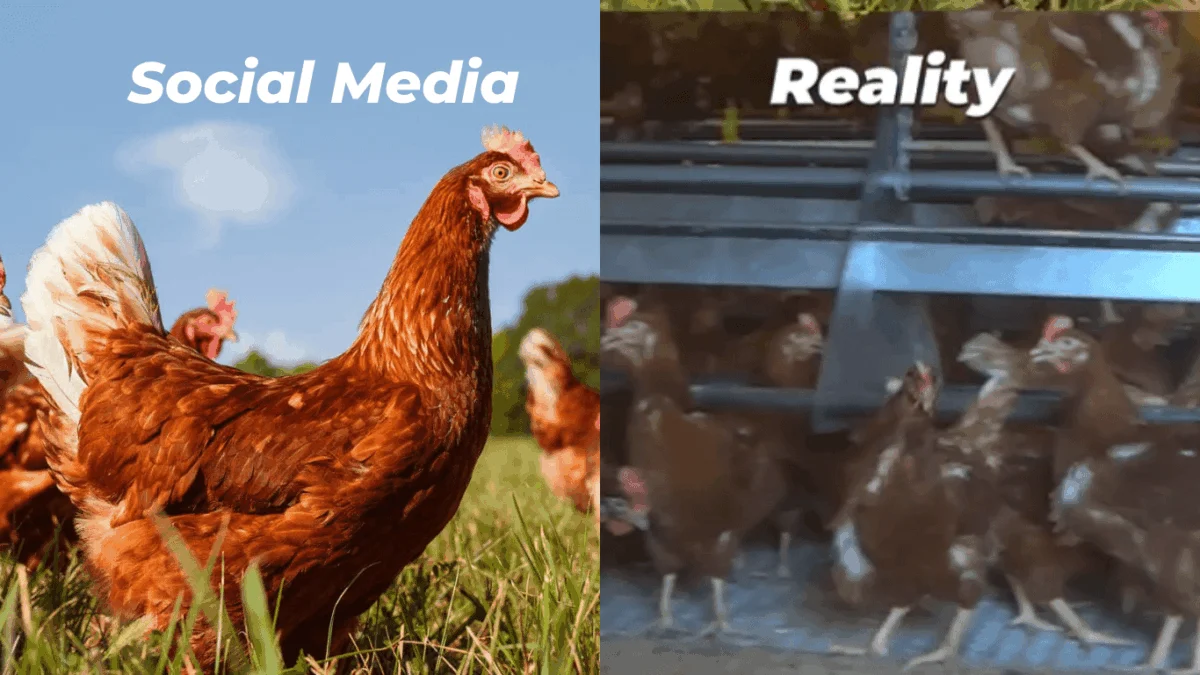
The structural integrity of industrial poultry operations and the veracity of "humane" labeling are under intense investigation following a catastrophic building failure at a major egg production site in Winfield, Kansas. The incident, which occurred at Triple C Infinity Eggs—a confirmed supplier for the premium egg brand Vital Farms—has resulted in the deaths of thousands of birds and prompted a fresh wave of criticism regarding the transparency of the pasture-raised egg industry. Reports from the scene indicate that a large-scale poultry shed collapsed during the third week of June 2026, trapping upwards of 10,000 hens beneath debris and causing widespread animal suffering.
The collapse at Triple C Infinity Eggs has exposed a significant disconnect between the marketing narratives of "happy hens" and the logistical realities of high-volume egg production. According to whistleblower reports and subsequent investigations by People for the Ethical Treatment of Animals (PETA), the failure of the facility led to immediate fatalities and left thousands of surviving birds without access to food, water, or adequate ventilation. The situation was further exacerbated by the rupture of internal water lines, which reportedly flooded the wreckage and created a drowning hazard for birds pinned beneath the collapsed roof and support beams.
Chronology of the Winfield Incident
The crisis began over the weekend of June 13–14, 2026, when one of the primary housing structures at Triple C Infinity Eggs gave way. While the exact cause of the collapse remains under investigation, initial reports from individuals familiar with the facility suggest that the sheds may have been poorly constructed or maintained, unable to withstand environmental stressors or the weight of the equipment housed within.
By Monday, June 15, news of the incident reached animal welfare advocates via a whistleblower. The report described a dire scene: approximately 45,000 chickens were part of the broader commercial operation, with a significant portion directly impacted by the collapse. The whistleblower alleged that the remaining birds were being neglected, receiving neither food nor water as the farm’s management struggled to respond to the crisis. Furthermore, the farm’s owner reportedly indicated that the surviving birds in the collapsed structure would be euthanized en masse rather than rescued.
On Tuesday, June 16, representatives from PETA arrived at the Winfield site. While the organization managed to rescue 36 birds from the periphery of the wreckage, their observers described a scene that contradicted the "pasture-raised" imagery associated with the Vital Farms brand. Investigators noted that despite the "pasture" designation, thousands of birds were confined within a noisy, industrial shed environment at the time of the incident, raising questions about the frequency and quality of outdoor access provided to the animals.
The "Retirement" Controversy and Industry Standards
One of the most contentious aspects of the fallout involves the proposed method for handling the surviving, trapped birds. According to statements attributed to the farm owner, Vital Farms suggested "gassing" the hens—a standard industry practice for the mass depopulation of poultry. This recommendation has drawn sharp criticism from welfare advocates who argue that such methods are inherently cruel and stand in stark contrast to Vital Farms’ public commitment to "sacred" animal care.
In the commercial egg industry, hens are typically considered "spent" or "unprofitable" after approximately 12 to 18 months of intensive laying. Vital Farms refers to the removal of these flocks as "retirement." On its corporate website, the company states that when hens reach the end of their laying cycle, farmers "retire" entire flocks using "acceptable methods of euthanasia" or by selling the birds for use in pet food. The company’s marketing materials often emphasize that they consider the end of a hen’s life to be as significant as the rest of her time on the farm.
However, the biological reality of the industry involves significant physical strain on the animals. While a wild hen might naturally lay 15 to 20 eggs per year, birds bred for commercial production are genetically selected to produce between 320 and 350 eggs annually. This near-daily production depletes the birds’ calcium reserves and often leads to brittle bones and reproductive exhaustion. When a disaster like the Kansas shed collapse occurs, the "euthanasia" methods used—primarily carbon dioxide (CO2) gassing—are designed for speed and cost-efficiency rather than the comfort of the animal.
Veterinary experts note that CO2 gassing can be highly distressing for birds. As a heavier-than-air gas, CO2 causes a sensation of breathlessness and "air hunger." In high concentrations, it can be acidic to the respiratory tract, causing pain in the eyes and lungs before the animal loses consciousness. The use of this method in a disaster-response scenario, where birds are already injured and stressed, has become a focal point of the current controversy.
Marketing vs. Reality: The "Humane-Washing" Debate
Vital Farms has built a multi-million dollar brand on the promise of "ethically produced" food. By utilizing terms like "Certified Humane" and "Pasture-Raised," the company has successfully captured a market segment of consumers willing to pay a premium—often double or triple the price of conventional eggs—to ensure better treatment of animals.
This incident in Kansas is not the first time the company’s practices have been questioned. In recent years, Vital Farms has faced legal challenges and shareholder resolutions regarding its advertising. Critics argue that the company engages in "humane-washing," a practice where marketing materials exaggerate the level of care and freedom provided to animals. While Vital Farms does require its suppliers to provide 108 square feet of outdoor space per hen, the Kansas collapse highlights that birds still spend significant portions of their lives in large, industrial-scale sheds that are susceptible to the same structural and management failures as conventional "cage-free" or "battery-cage" operations.
During a recent shareholder pitch, PETA challenged the company’s leadership, asking when it would cease promoting its eggs as "humane" given the inherent suffering in commercial poultry cycles. The collapse of the Triple C Infinity Eggs shed serves as a potent piece of evidence for those arguing that the scale of Vital Farms’ operations—which sources from hundreds of small to mid-sized farms—makes consistent welfare oversight difficult, if not impossible.
Structural and Economic Implications
The collapse also raises questions about the regulatory oversight of poultry housing. In many states, agricultural buildings are subject to different, often less stringent, building codes than residential or commercial structures. When a facility houses tens of thousands of living beings, a structural failure becomes a mass-casualty event.
For Vital Farms (NASDAQ: VITL), the incident presents a significant PR and potentially financial risk. As a publicly-traded company that markets itself on Environmental, Social, and Governance (ESG) principles, evidence of animal neglect or catastrophic facility failure in its supply chain can impact investor confidence. The company’s "Consolidated Social Responsibility" reports highlight transparency, but the reliance on third-party contractors like Triple C Infinity Eggs creates a "transparency gap" where the primary brand may not be fully aware of the day-to-day conditions or structural integrity of its supplier sites until a crisis occurs.
Broader Impact on the Egg Industry
The Winfield incident is likely to trigger a broader conversation about the definitions of "humane" farming. As consumer demand for ethical products grows, the industry faces pressure to move away from intensive confinement. However, the transition to "pasture-raised" and "cage-free" models introduces new challenges, including the need for more robust infrastructure and better disaster-preparedness protocols.
Currently, the USDA does not have a federal definition for "humane" on egg labels, leaving the task to third-party certifiers like "Certified Humane" (Humane Certification Care Program). While these certifications set higher standards than conventional farming, they still allow for standard industry practices like beak trimming and mass depopulation via gassing, which many consumers find objectionable once they are made aware of the details.
Conclusion and Future Outlook
As of late June 2026, cleanup operations at Triple C Infinity Eggs are ongoing. The survivors of the collapse that were not rescued face an uncertain future, with the likelihood of mass culling remains high. Vital Farms has yet to issue a comprehensive public report on the structural failures at the Winfield site or a detailed plan on how it intends to prevent similar occurrences at its other supplier farms.
The incident serves as a stark reminder that even within the "ethical" tier of the food industry, animals remain vulnerable to the failings of industrial systems. For consumers, the Kansas shed collapse underscores the importance of looking beyond labels and marketing slogans to understand the complex and often harsh realities of commercial animal agriculture. For the industry, it is a call for greater accountability, better infrastructure, and a more honest dialogue about the life cycle of the "happy hen."

