


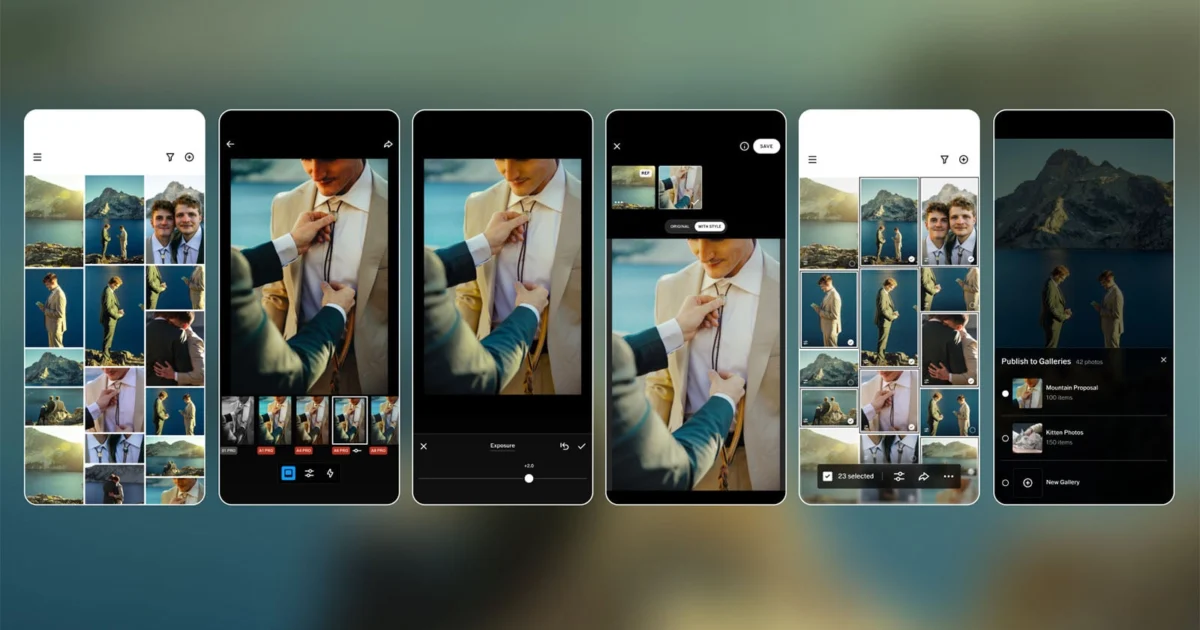
The landscape of mobile photography has shifted from casual snapshots to professional-grade production, and VSCO’s latest release, Studio Pro, marks a significant milestone in this evolution. Designed specifically for the high-volume demands of professional photographers, Studio Pro arrives on iOS with the promise of bridging the gap between mobile convenience and desktop-level efficiency. By targeting specialists in weddings, portraits, events, sports, and school photography, VSCO is positioning itself as more than just a filter application; it is now a comprehensive workflow engine designed to reduce the hours spent in post-production.
The core philosophy behind Studio Pro is the elimination of repetitive manual tasks. Historically, professional photographers have been tethered to desktop workstations to manage large-scale edits, as mobile applications often lacked the processing power or the interface design to handle hundreds of images simultaneously. VSCO’s new offering aims to disrupt this paradigm by providing a suite of tools that allow for batch processing, AI-driven style synchronization, and seamless client delivery, all from a handheld device.
The Technological Architecture of Studio Pro
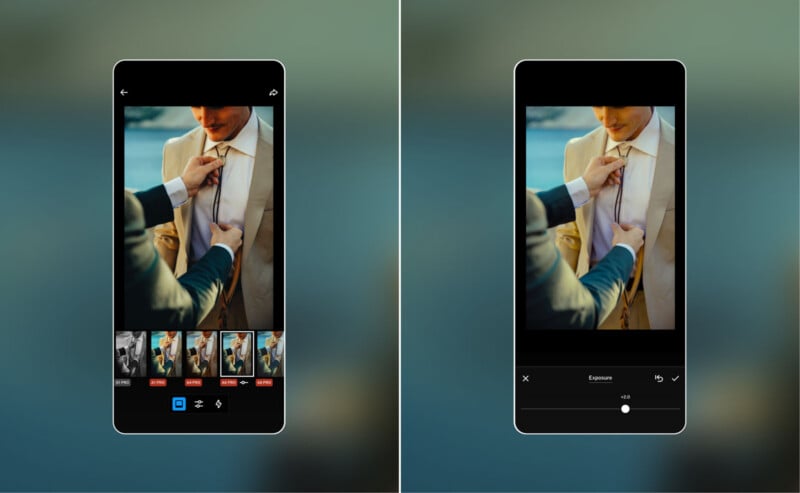
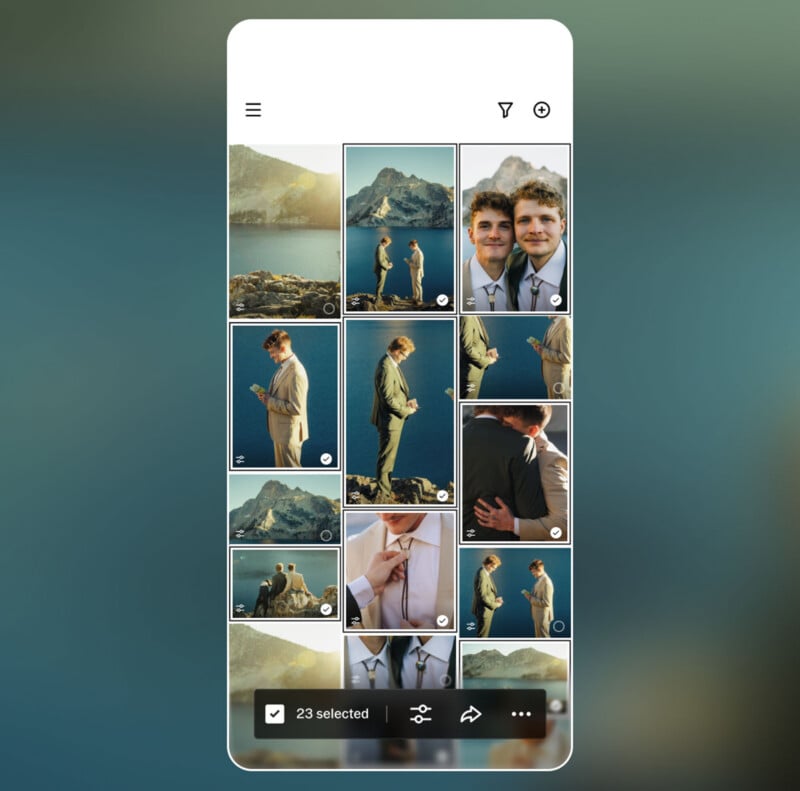
At the heart of the Studio Pro experience is a robust batch-editing engine that allows users to apply sophisticated edits to up to 100 photos with a single tap. This functionality is not limited to simple filters but encompasses more than 200 VSCO presets and a wide array of professional-grade manual controls. These controls include granular adjustments for exposure, contrast, film grain, white balance, tone, and sharpening.
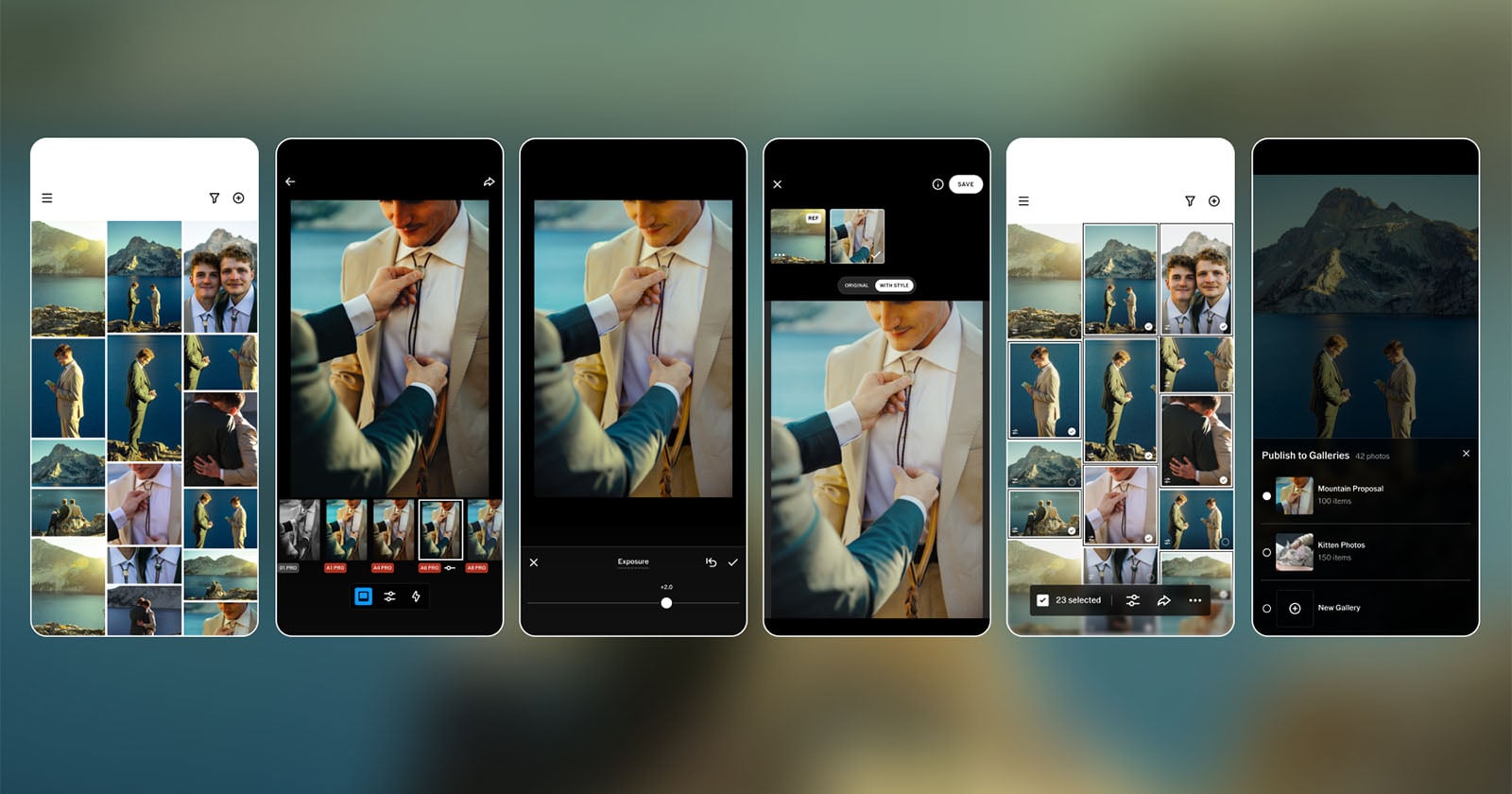
The most significant technological leap in this release is the introduction of "Style Match." This AI-powered feature is designed to solve one of the most persistent problems in professional photography: maintaining visual consistency across varying lighting conditions and environments. With Style Match, a photographer can select a reference image—either one they have previously edited or an external source that serves as aesthetic inspiration—and the app’s artificial intelligence will analyze the color, tone, and overall "mood" of that image. The AI then applies those specific characteristics to a selected batch of photos, ensuring a cohesive look across an entire gallery without the need for individual adjustments.
This move toward AI-assisted editing reflects a broader trend in the creative software industry, where machine learning is being leveraged to handle "low-value" repetitive tasks, allowing the human creator to focus on "high-value" creative decisions. VSCO’s implementation of this technology suggests a deep understanding of the professional’s pain points, specifically the exhaustion that comes from "screen fatigue" after a long shoot.
A Chronology of VSCO’s Evolution into the Professional Space
To understand the significance of Studio Pro, it is essential to look at the trajectory of the Visual Supply Company (VSCO). Founded in 2011 by Joel Flory and Greg Lutze, VSCO initially gained fame for its film-emulation presets for Adobe Lightroom and Apple Aperture. These presets were praised for their authenticity and subtle aesthetic, quickly becoming the gold standard for photographers who wanted a film-like look in a digital format.
In 2012, the company launched the VSCO Cam app, which brought these high-quality presets to the burgeoning world of smartphone photography. Over the next decade, the app evolved from a niche tool for enthusiasts into a massive social platform. However, as the market for social media apps became increasingly saturated, VSCO began to pivot back toward its roots: providing high-end tools for creators.
In February 2024, the company introduced VSCO Galleries, a professional photo delivery system intended to compete with platforms like Pixieset and Pic-Time. This was a clear signal that VSCO was no longer satisfied with being a middle-step in the editing process; they wanted to own the entire professional workflow from import to delivery. The launch of Studio Pro in June 2026 represents the next logical step in this chronology, providing the editing "muscle" to complement the "delivery" capabilities of Galleries.
Addressing the High-Volume Market Gap
The decision to focus on high-volume photographers is a strategic move that addresses a clear void in the current mobile app market. While apps like Adobe Lightroom Mobile and Capture One for iPad offer powerful tools, they can often feel cumbersome when dealing with thousands of images from a single event. VSCO’s Studio Pro is built on the premise that speed and quality do not have to be mutually exclusive.
In a statement regarding the launch, VSCO emphasized that traditional workflows often force photographers to spend more time behind a screen than behind a camera. For a wedding photographer who may take 3,000 photos in a single day, the prospect of manual culling and individual editing is daunting. Studio Pro’s ability to match batches to a reference image and then instantly upload those images to a client gallery significantly shortens the "turnaround time"—a metric that is increasingly important in the gig economy where clients expect rapid results.
Current Limitations and the Roadmap to macOS
Despite the power of the initial iOS release, VSCO has been transparent about the fact that Studio Pro is still a work in progress. Several features that are considered standard in professional desktop environments are currently missing from the mobile version. These include support for importing directly from memory cards, the ability to edit RAW files, and advanced organizational tools like star ratings and manual culling.
However, the company has outlined an ambitious roadmap for the remainder of the year and into 2027. A macOS version of Studio Pro is currently in development, which will provide a cross-platform ecosystem for photographers who prefer to start their edits on a mobile device and finish them on a desktop.
Future updates are expected to include:
- Advanced Export Options: Providing more control over file size, resolution, and metadata.
- RAW Image Support: A critical requirement for professionals who need the maximum dynamic range for post-processing.
- Auto-Leveling and Curve Adjustments: Adding more precision to the manual editing suite.
- Hardware Integration: Enabling direct import from attached media and SD cards via USB-C.
- Enhanced Organization: Implementing professional culling workflows to help photographers quickly sort through large shoots.
Industry Implications and Market Analysis
The release of Studio Pro is likely to have a ripple effect across the photo-editing software industry. By offering a "Pro" tier that focuses on workflow efficiency rather than just "filters," VSCO is directly challenging the dominance of Adobe. For many younger professional photographers who grew up using mobile devices as their primary computing tools, a mobile-first professional suite is a natural progression rather than a compromise.
Furthermore, the integration with VSCO Galleries creates a closed-loop ecosystem. Once a photographer commits to the VSCO workflow, the friction of moving to another platform increases. This "stickiness" is a key component of modern software-as-a-service (SaaS) business models. While the Studio Pro app is free to download, the most powerful features—including the full library of 200+ presets and the batch-editing tools—are locked behind a premium subscription. This move aligns VSCO with the industry standard of subscription-based revenue, providing the company with the capital necessary to fund the ongoing development of its macOS and RAW-support features.
From a broader perspective, Studio Pro reflects the professionalization of the "creator economy." As more individuals turn photography from a hobby into a business, the demand for tools that offer professional results with minimal technical overhead will continue to grow. VSCO’s emphasis on "mood" and "style" over technical complexity appeals to a generation of photographers who prioritize aesthetic consistency and brand identity.
Conclusion: A New Chapter for VSCO
VSCO Studio Pro is a bold attempt to redefine what mobile photo editing can achieve. By focusing on the specific needs of high-volume professionals, VSCO is moving beyond its reputation as a "filter app" and establishing itself as a serious contender in the professional creative software market.
While the current version on iOS is a powerful start, its ultimate success will depend on how quickly the company can deliver on its promises of RAW support and desktop integration. If VSCO can successfully bridge the gap between the portability of the iPhone and the power of the Mac, Studio Pro could become the central hub for the next generation of professional photographers. For now, the app offers a compelling glimpse into a future where the heavy lifting of professional post-production is handled not by hours of manual labor, but by intelligent, automated systems that respect the artist’s vision while reclaiming their time.

